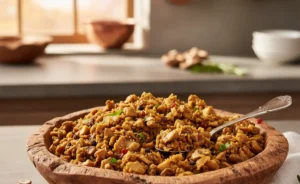

A balanced diet is a cornerstone of maternal and fetal health throughout pregnancy. Expectant mothers often scrutinize their food choices to ensure both safety and optimal nutrition for their developing baby. Among the various foods considered, mushrooms, particularly the common oyster mushroom, frequently spark questions regarding their suitability. Understanding the specific benefits and potential considerations of consuming oyster mushroom for pregnancy is essential for informed dietary decisions. This guide explores the safety profile, nutritional contributions, and practical advice for incorporating this versatile fungus into a prenatal diet, aiming to provide clarity for those seeking to maintain a healthy and diverse eating plan.
Oyster Mushroom for Pregnancy: Safety and Consumption Guidelines
Ensuring food safety is paramount for expectant mothers, and mushrooms are no exception. For oyster mushroom for pregnancy, the general consensus among health professionals is that commercially cultivated varieties are considered safe when properly sourced, cleaned, and thoroughly cooked. It is crucial to distinguish these from wild mushrooms, which should always be avoided during pregnancy due to the inherent risks of misidentification and potential toxicity. Adhering to strict food hygiene practices is key to safely enjoying these fungi as part of a varied pregnancy diet, as recommended by the CDC.
Current Consensus on Oyster Mushroom Consumption
Cultivated oyster mushrooms, readily available in most grocery stores, are generally regarded as safe for consumption by pregnant women. Unlike some wild varieties, cultivated oyster mushrooms are grown in controlled environments, significantly reducing the risk of contamination or toxicity. However, like all produce, they should be thoroughly washed before preparation. The primary concern with any mushroom during pregnancy revolves around proper identification and preparation, ensuring only known, safe varieties are consumed and that they are cooked to eliminate any potential pathogens. Beyond dietary aspects, exploring oyster mushroom benefits for skin and hair is another area of interest.
Oyster Mushroom Consumption by Trimester
There are no specific guidelines that restrict the consumption of properly cooked oyster mushrooms based on trimesters. The nutritional benefits provided by oyster mushrooms, such as vitamins, minerals, and fiber, are valuable throughout all stages of maternal health and fetal development. Expectant mothers can generally incorporate these mushrooms into their diet from the first trimester through to the third, provided they adhere to the standard food safety practices applicable to all food items during pregnancy. Maintaining a diverse and nutrient-rich diet, with appropriate medical guidance, remains the best approach.
Best Oyster Mushroom Varieties for Pregnancy
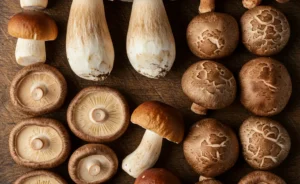
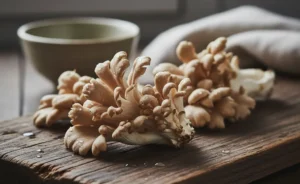
While several varieties of oyster mushrooms exist—such as pearl, king, pink, and golden oyster mushrooms—they all share similar nutritional profiles and are generally considered safe for pregnant women when cultivated and properly prepared. There is no single “best” variety in terms of safety or unique benefits specifically for pregnancy. The choice often comes down to personal preference in taste and texture. Regardless of the variety, the most important factors remain sourcing from reputable vendors and ensuring thorough cooking before consumption.
Nutritional Benefits of Oyster Mushrooms for Expectant Mothers
Oyster mushrooms offer a range of beneficial nutrients that can contribute positively to a healthy pregnancy diet. These fungi are a good source of several B vitamins, including niacin, riboflavin, and pantothenic acid, which play roles in energy metabolism and overall cellular function. They also contain important minerals such as potassium, copper, and iron, which are vital for maternal health and can help support the increased demands on the body during pregnancy, potentially aiding in the prevention of conditions like anemia. Furthermore, the fiber content in oyster mushrooms may support healthy digestion, a common concern for expectant mothers, and their antioxidant properties may help protect cells. While beneficial during pregnancy, the use of oyster mushroom for specific conditions outside of pregnancy is also widely researched.
Potential Considerations and Precautions for Pregnant Women
While generally safe, there are a few considerations for oyster mushroom for pregnancy that pregnant women should keep in mind. The primary concern, as with any food, is the potential for allergic reactions. Though rare, individuals may have sensitivities to mushrooms, and any signs of an allergic response—such as digestive upset, skin rash, or difficulty breathing—should prompt immediate medical attention. It is also crucial to ensure all mushrooms are thoroughly cooked, as raw mushrooms can be difficult to digest and may carry surface bacteria. Expectant mothers should always prioritize food safety to minimize any pregnancy risks.
Guidelines for Safe Preparation and Sourcing
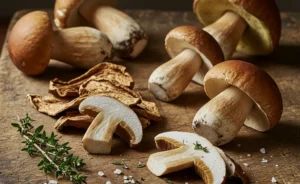
To ensure safety, pregnant women should only purchase oyster mushrooms from reputable grocery stores or certified farmers’ markets. Avoid foraging for wild mushrooms, as distinguishing edible from toxic varieties can be extremely challenging and dangerous. Before cooking, thoroughly clean the mushrooms by gently wiping them with a damp cloth or rinsing them briefly under cool water and patting them dry. This removes any dirt or debris. Always check for freshness; mushrooms should be firm, free of blemishes, and have a mild, earthy scent.
Importance of Thorough Cooking
Thorough cooking is a non-negotiable step when preparing oyster mushrooms for pregnant women. Heat effectively eliminates any potential bacteria or pathogens that might be present on the surface. Cooking also helps break down the mushroom’s cell walls, making their nutrients more bioavailable and easier to digest. Raw mushrooms are not recommended during pregnancy due to these safety and digestibility concerns. Ensure that mushrooms are cooked until tender and have reached an internal temperature that removes any raw texture, often indicated by browning and softening.
How to Incorporate Oyster Mushrooms into a Pregnancy Diet
Incorporating oyster mushroom for pregnancy into a healthy eating plan can be both delicious and nutritious. Their mild flavor and versatile texture make them an excellent addition to a variety of dishes. From breakfast to dinner, these mushrooms can enhance meals while contributing valuable nutrients. The key is to integrate them into thoroughly cooked recipes alongside other healthy ingredients, making them a balanced part of a prenatal diet. Many also consider oyster mushroom for weight loss due to its low-calorie and high-fiber content.
Simple Recipe Ideas
- Stir-fries: Add sliced oyster mushrooms to your favorite vegetable and protein stir-fry for an earthy flavor and satisfying texture.
- Soups and Stews: Incorporate chopped oyster mushrooms into hearty soups or stews during the last 10-15 minutes of cooking for added depth.
- Omelets and Scrambles: Sautéed oyster mushrooms make a delightful addition to morning eggs, paired with spinach and a touch of cheese.
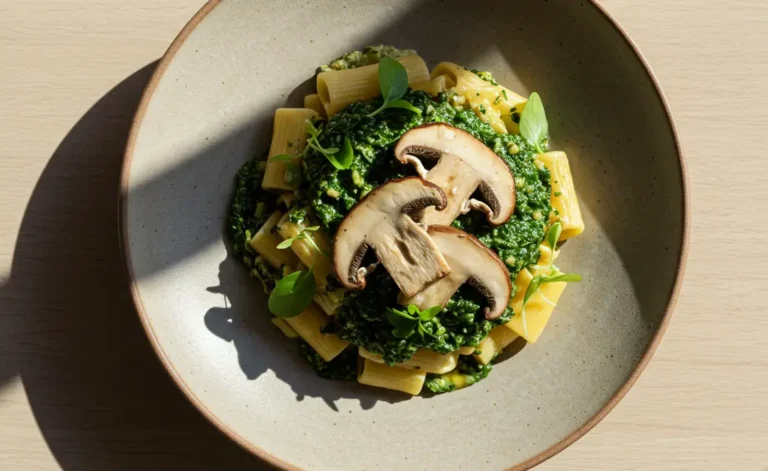
- Pasta Dishes: Mix cooked oyster mushrooms with whole wheat pasta, a light sauce, and other vegetables for a wholesome meal.
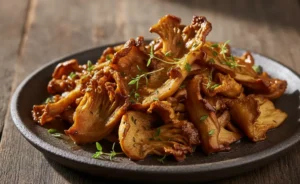
- Roasted Sides: Toss oyster mushrooms with olive oil, herbs, and garlic, then roast them until tender for a flavorful side dish.
Tips for Enjoying Safely and Deliciously
Always cook oyster mushrooms thoroughly until they are soft and any raw texture has disappeared. Combine them with other nutrient-dense foods like leafy greens, lean proteins, and whole grains to create balanced meals. Pay attention to how your body reacts to new foods; if you experience any discomfort, consult a healthcare professional. Enjoy oyster mushrooms in moderation as part of a varied diet, rather than relying on them as a sole source of nutrients. Always prioritize fresh, properly stored mushrooms and discard any that show signs of spoilage.
Oyster mushrooms can be a safe and beneficial addition to an expectant mother’s diet when handled and cooked properly. Their nutritional profile supports maternal health and fetal development, while their versatility allows for easy integration into diverse meals. By following food safety guidelines, ensuring thorough cooking, and consulting with healthcare providers for personalized dietary advice, pregnant women can confidently enjoy the culinary and health advantages of oyster mushrooms.
The content provided in this article is intended for informational learning, not clinical application. It should not be considered as medical advice, nor does it replace the guidance of a qualified healthcare professional. Always consult with your doctor or a registered dietitian before making any significant changes to your diet during pregnancy, or if you have any health concerns. Individual nutritional needs and tolerances can vary, especially during such a critical period.
FAQ
— Are oyster mushrooms safe to eat during pregnancy?
Oyster mushrooms are generally considered safe for consumption by healthy individuals, including those who are pregnant, when properly cooked. As with any food during pregnancy, it is important to ensure they are fresh and prepared hygienically.
— What are the health benefits of oyster mushrooms for pregnant women?
The nutritional profile of oyster mushrooms, rich in B vitamins and minerals like iron, makes oyster mushroom for pregnancy a relevant addition to a balanced diet. These nutrients play a role in supporting maternal health and fetal development. They also provide dietary fiber, which aids digestive function.
— Can pregnant women consume raw oyster mushrooms?
Consuming raw mushrooms, including oyster mushrooms, is generally not recommended for anyone, and especially during pregnancy. Cooking helps to break down chitin, making the mushroom’s nutrients more accessible, and effectively eliminates potential pathogens.
— Are there any risks associated with eating oyster mushrooms while pregnant?
When properly cooked and sourced, oyster mushrooms carry minimal risk for pregnant individuals. The primary concern with any fresh produce is ensuring it is thoroughly cleaned and cooked to prevent foodborne illness. Allergic reactions, though rare, are also a possibility, as with any food.
— How should oyster mushrooms be prepared for pregnant consumption?
To ensure safety, oyster mushrooms should always be thoroughly washed and fully cooked before consumption by pregnant women. Suitable cooking methods include sautéing, roasting, or boiling them until tender, which aids digestibility and eliminates potential contaminants.