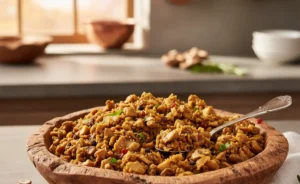
Expecting mothers often navigate a landscape of dietary advice, sometimes encountering sweeping generalisations that can lead to unnecessary food restrictions. While caution is always paramount, it’s a common misconception that all fungi are off-limits or inherently risky without proper distinction. In reality, many culinary mushrooms offer valuable nutrients and can be a beneficial addition to a balanced diet when prepared correctly. This guide aims to demystify the topic, offering clear, evidence-based insights into the safety, nutritional advantages, and practical consumption guidelines regarding oyster mushroom for pregnancy. We will explore how these versatile fungi can contribute to maternal well-being and fetal development, while also outlining essential precautions to ensure safe enjoyment throughout gestation.
Oyster Mushroom for Pregnancy: Safety and Consumption Guidelines
Understanding the safety profile of any food during gestation is crucial for expectant mothers. When considering oyster mushroom for pregnancy, the focus should be on proper identification, sourcing, and preparation. Generally, cultivated edible mushrooms, including oyster mushrooms, are considered safe for pregnant women when handled correctly and thoroughly cooked. The primary concerns typically revolve around wild mushrooms, which can be misidentified, or any mushroom that is consumed raw or improperly prepared. Adhering to established food safety practices is paramount.
Current Consensus on Oyster Mushroom Consumption
The consensus among culinary and nutritional experts is that commercially cultivated oyster mushrooms, like many other common edible fungi, can be a safe and healthy addition to a pregnant woman’s diet. Unlike wild-foraged varieties, which carry a significant risk of toxicity or contamination, cultivated oyster mushrooms are grown in controlled environments, ensuring their identity and reducing exposure to harmful substances. The key is to distinguish between these safe, cultivated options and any unknown or wild mushroom types, which should always be avoided during pregnancy. Further information on food safety during pregnancy is often available from reputable health organizations like the NHS.
Oyster Mushroom Consumption by Trimester
There are no specific guidelines that restrict oyster mushroom consumption to particular trimesters of pregnancy. The general food safety principles remain consistent throughout gestation. This means that if oyster mushrooms are properly sourced, cleaned, and thoroughly cooked, they can be enjoyed in all three trimesters. The focus should always be on maintaining a balanced pregnancy diet and consulting with a healthcare professional regarding any specific dietary concerns or changes, especially for individuals with unique health considerations. It is also beneficial to discuss with your doctor about using oyster mushroom for specific conditions you may have.
Best Oyster Mushroom Varieties for Pregnancy
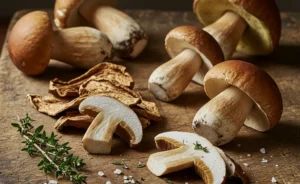
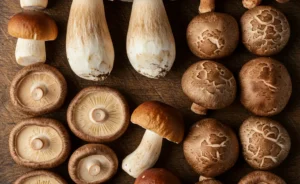
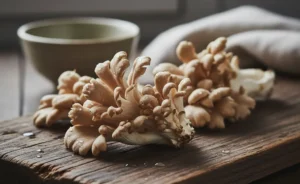
Several varieties of oyster mushrooms are commonly cultivated and readily available, including pearl oyster, king oyster, pink oyster, and blue oyster. All these cultivated types are generally considered appropriate for consumption by expectant mothers, provided they adhere to the standard safety measures. The choice of variety typically comes down to taste preferences and culinary application rather than safety differences during pregnancy. Regardless of the specific type, always ensure that the mushrooms are fresh, free from spoilage, and sourced from reputable vendors.
Nutritional Benefits of Oyster Mushrooms for Expectant Mothers
Oyster mushrooms offer a compelling nutritional profile that can be highly beneficial for expectant mothers. They are a rich source of essential vitamins and minerals crucial for both maternal health and fetal development. These fungi provide B vitamins, such as riboflavin, niacin, and pantothenic acid, which play vital roles in energy metabolism. They also contain important minerals like potassium, copper, and selenium, contributing to overall well-being and immune support. Furthermore, oyster mushrooms offer dietary fiber, which can aid in digestion, a common concern for pregnant women.
Beyond their basic nutrient content, oyster mushrooms are known for containing antioxidants, which help combat oxidative stress. They also provide a modest amount of protein, making them a valuable addition to a plant-forward pregnancy diet. The presence of iron in oyster mushrooms can also contribute to preventing anemia, a common condition during pregnancy. While no single food can meet all nutritional needs, incorporating oyster mushroom good for pregnancy can certainly enhance a balanced diet, supporting the unique demands of this period.
Beyond general health, specific research also highlights oyster mushroom benefits for skin and hair.
Potential Considerations and Precautions for Pregnant Women
While oyster mushroom for pregnancy can be a nutritious addition to the diet, it is important for pregnant women to be aware of certain considerations and precautions. Like all foods, there’s a minimal risk of allergic reaction, although mushroom allergies are less common. Expectant mothers should also prioritize food safety to prevent foodborne illnesses, which can be more severe during pregnancy. Always ensure that the mushrooms are fresh, properly stored, and thoroughly inspected before preparation. Avoiding raw consumption is a critical step in ensuring oyster mushroom safe for pregnancy.
Guidelines for Safe Preparation and Sourcing
To maximize safety, it is crucial to source oyster mushrooms from reliable suppliers, such as grocery stores or trusted farmers’ markets, where their origin is known. Avoid foraging for wild mushrooms, as identification can be challenging and dangerous, especially during pregnancy. Once purchased, store fresh oyster mushrooms in a paper bag in the refrigerator to prevent moisture buildup and spoilage. Before cooking, gently clean them by wiping with a damp cloth or rinsing briefly under cool water, avoiding prolonged soaking which can diminish their texture and flavor.
Importance of Thorough Cooking
Thorough cooking is perhaps the most important precaution when consuming oyster mushrooms during pregnancy. Heating mushrooms to an adequate temperature not only enhances their flavor and digestibility but also helps eliminate any potential bacteria or other microorganisms. Raw mushrooms are generally not recommended for pregnant women due to potential contaminants and the presence of compounds that can be broken down through cooking. Ensure that the mushrooms are cooked until tender and have reached a safe internal temperature, completely changing in texture and appearance.
How to Incorporate Oyster Mushrooms into a Pregnancy Diet
Integrating oyster mushroom during pregnancy into a varied diet can be both simple and delicious. Their delicate flavor and versatile texture make them an excellent addition to a wide array of dishes. From breakfast to dinner, these fungi can enhance meals, providing both taste and nutritional benefits without being overpowering. Focus on pairing them with other nutrient-dense ingredients to create well-rounded meals that support maternal health and provide necessary energy. For those considering broader dietary goals, some also explore the potential of oyster mushroom for weight loss.
Simple Recipe Ideas
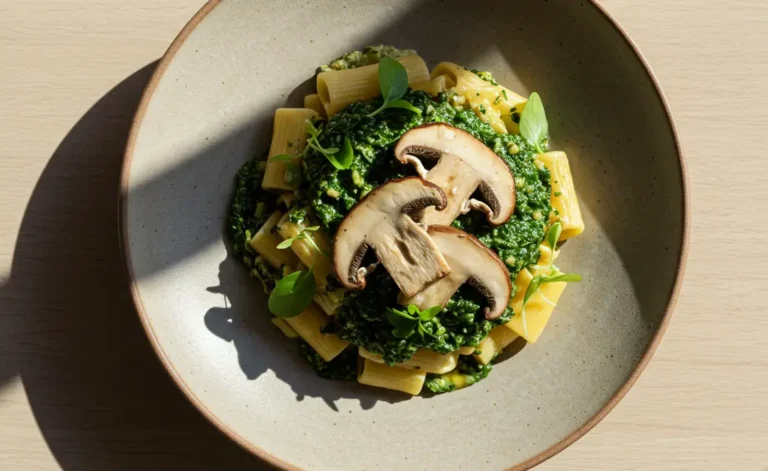
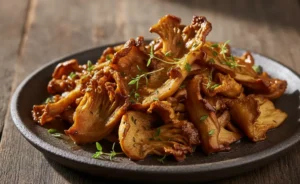
Oyster mushrooms can be easily incorporated into many popular dishes. Consider adding sautéed oyster mushrooms to scrambled eggs or omelets for a nutritious breakfast. For lunch or dinner, they can be a fantastic component of stir-fries alongside colorful vegetables and lean protein. They also work wonderfully in pasta sauces, providing an umami depth, or as a hearty addition to soups and stews. Baked or roasted oyster mushrooms can also serve as a flavorful side dish or a topping for grain bowls, offering a satisfying texture.
Tips for Enjoying Safely and Deliciously
To enjoy oyster mushrooms safely and deliciously, always ensure they are cooked until soft and well-caramelized, avoiding any raw or undercooked consumption. Experiment with different seasonings like garlic, herbs, and a touch of lemon juice to complement their natural flavor. Incorporate them into meals that are already part of your healthy eating routine to ensure a balanced intake. Remember that moderation is key; while beneficial, mushrooms should be part of a diverse diet rather than consumed in excessive amounts as a primary food source.
Oyster mushrooms can be a valuable and safe addition to a pregnant woman’s diet when proper precautions are observed. Their rich nutritional profile, including essential vitamins, minerals, and fiber, supports both maternal health and fetal development. By adhering to guidelines for safe sourcing, thorough cooking, and thoughtful incorporation into meals, expectant mothers can confidently enjoy the benefits these versatile fungi offer. As with any dietary considerations during pregnancy, consulting with a healthcare provider for personalized advice is always recommended.
This article is meant for general informational use and awareness. It is not intended to provide medical advice, diagnosis, or treatment for any health condition. Always consult with a qualified healthcare professional before making any dietary changes or decisions related to your health or pregnancy. The information provided should not be considered a substitute for professional medical guidance.
FAQ
— Are oyster mushrooms safe to eat during pregnancy?
Oyster mushrooms are a widely consumed edible fungus, generally considered safe for most people, including during pregnancy, when properly prepared. As with any food consumed during this sensitive period, moderation and ensuring they are thoroughly cooked are important considerations.
— What are the health benefits of oyster mushrooms for pregnant women?
Oyster mushrooms offer a valuable nutritional profile, providing B vitamins, essential minerals like potassium and iron, and dietary fiber, all important for general wellness. Their protein content and contribution to a balanced diet make them a relevant dietary addition, and studies highlight the potential benefits of the overall nutritional contribution of oyster mushroom for pregnancy.
— Can pregnant women consume raw oyster mushrooms?
It is generally recommended that pregnant individuals consume all mushrooms, including oyster mushrooms, only after they have been thoroughly cooked. Cooking helps to eliminate potential pathogens and improve digestibility, which is a sensible precaution during pregnancy.
— Are there any risks associated with eating oyster mushrooms while pregnant?
While generally safe, some individuals may experience allergic reactions to mushrooms, so it is wise to be aware of any new symptoms. Additionally, consuming wild-foraged mushrooms without expert identification or undercooked mushrooms poses risks, making it important to source from reputable suppliers and cook thoroughly.
— How should oyster mushrooms be prepared for pregnant consumption?
For pregnant consumption, oyster mushrooms should always be thoroughly cooked until tender, ensuring any potential contaminants are addressed and digestibility is optimized. They can be sautéed, roasted, grilled, or added to soups and stews, making them a versatile ingredient in various dishes.