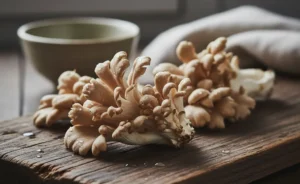
Are oyster mushrooms a safe and beneficial addition to your diet during pregnancy? Expectant mothers often face numerous dietary considerations, carefully evaluating every food item for its potential impact on both their health and their baby’s development. While some foods are clearly off-limits, others, like various types of fungi, require a closer look. This comprehensive guide delves into the specifics of oyster mushroom for pregnancy, examining current safety guidelines, nutritional advantages, and essential precautions. Understanding how to properly select, prepare, and consume these fungi can help integrate them safely into a well-balanced maternal diet, ensuring you make informed choices throughout your journey.
Oyster Mushroom for Pregnancy: Safety and Consumption Guidelines
When considering oyster mushroom for pregnancy, safety is paramount. General mushroom safety for pregnant women dictates that only cultivated, edible varieties should be consumed, and they must always be thoroughly cooked. Raw mushrooms, including oyster mushrooms, are not recommended for expectant mothers due to potential contaminants and indigestibility. The key to safe consumption lies in proper identification and preparation, ensuring that the mushrooms are free from spoilage and pathogens.
Current Consensus on Oyster Mushroom Consumption
The current consensus among many nutritional experts is that cultivated oyster mushrooms are generally considered safe for consumption by pregnant women when properly handled and cooked. They are not typically associated with the same risks as certain wild, unidentified varieties. As with any food during pregnancy, moderation is advised, and it is always prudent for expectant mothers to discuss specific dietary choices with their healthcare provider to ensure they align with individual health needs and circumstances. Distinguishing safe vs. unsafe mushroom types is crucial, and sticking to commonly available, well-known varieties like oyster mushrooms from reputable sources helps mitigate potential pregnancy risks. Organizations such as the European Food Safety Authority (EFSA) provide valuable guidelines on food safety for consumers, including pregnant women.
Best Oyster Mushroom Varieties for Pregnancy
Several varieties of oyster mushrooms are widely cultivated and available, making them suitable choices for a pregnancy diet. These include Pearl Oyster mushrooms, King Oyster mushrooms, and Pink Oyster mushrooms, among others. There isn’t one “best” variety specifically for pregnant women, as their nutritional profiles and safety aspects are largely similar when sourced and prepared correctly. The most important factor is to ensure the mushrooms are fresh, firm, and show no signs of spoilage. Avoid foraging for wild mushrooms unless you are an expert mycologist, as misidentification can lead to severe health consequences, especially for pregnant women.
Nutritional Benefits of Oyster Mushrooms for Expectant Mothers
Beyond their safety, oyster mushroom for pregnancy also offers a spectrum of nutritional benefits that can support maternal health and fetal development. These fungi are a low-calorie, nutrient-dense food, providing essential vitamins and minerals crucial during this period. Incorporating them into a healthy eating plan can contribute to a well-rounded diet.
Oyster mushrooms are a good source of protein and dietary fiber, which can aid digestion and help manage blood sugar levels. They contain B vitamins, such as riboflavin, niacin, and pantothenic acid, vital for energy metabolism. Furthermore, these mushrooms provide important minerals like potassium, copper, and iron. Iron is particularly significant for preventing anemia in expectant mothers, while copper plays a role in red blood cell formation and immune support. They also offer antioxidants, which help protect cells from damage. While not a primary source, oyster mushrooms can contribute to the intake of folate, a critical nutrient for fetal development and growth, particularly in preventing neural tube defects. It is worth noting that research continues to explore the potential of oyster mushroom for specific conditions.
Potential Considerations and Precautions for Pregnant Women
While oyster mushrooms can be a nutritious addition to the diet, certain considerations and precautions are important for pregnant women. Maintaining food safety standards and being aware of potential allergic reactions are key aspects to ensure a safe experience with oyster mushroom for pregnancy.
Oyster Mushroom Consumption by Trimester
Generally, there are no specific guidelines that restrict the consumption of properly cooked oyster mushrooms by trimester. Their nutritional benefits, such as vitamins, minerals, and fiber, are beneficial throughout the entire pregnancy. However, individual sensitivities can change during pregnancy, so it is always advisable to introduce any new food in moderation and monitor for any adverse reactions. Should any concerns arise, consulting with a healthcare professional is recommended.
Guidelines for Safe Preparation and Sourcing
Safe preparation begins with careful sourcing. Always purchase oyster mushrooms from reputable grocery stores or markets to ensure they are cultivated and fresh. Avoid any mushrooms that appear slimy, discolored, or have an off smell. Before cooking, gently clean the mushrooms to remove any dirt or debris. A quick rinse under cool water followed by patting them dry is usually sufficient. It is crucial to avoid eating raw mushrooms, as they can be difficult to digest and may harbor bacteria that thorough cooking would eliminate. Adhering to these guidelines helps prevent foodborne illnesses, which can pose significant risks during pregnancy.
Importance of Thorough Cooking
Thorough cooking is the most critical precaution when consuming oyster mushrooms during pregnancy. Heat helps break down chitin, making the mushrooms more digestible and ensures the elimination of any potential bacteria or spores. Mushrooms should be cooked until tender and fully heated through, reaching an internal temperature sufficient to destroy pathogens. Frying, sautéing, baking, or adding them to soups and stews are all acceptable methods, as long as the cooking process is complete. This step is non-negotiable for expectant mothers to safeguard their health and that of their baby.
How to Incorporate Oyster Mushrooms into a Pregnancy Diet
Incorporating oyster mushroom for pregnancy into a healthy diet can be both simple and delicious, providing nutritional benefits without compromising safety. Their versatile flavor and texture make them suitable for a variety of dishes, adding depth and umami. Beyond their dietary value, some also consider oyster mushroom benefits for skin and hair.
Simple Recipe Ideas
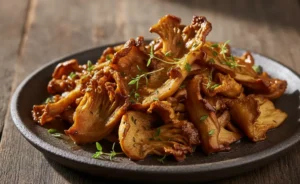
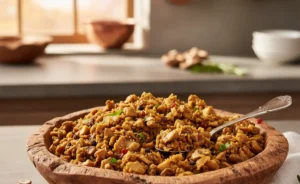
Oyster mushrooms can be easily integrated into many pregnancy-friendly meals. For a quick and nutritious option, sauté them with garlic and a hint of herbs to serve alongside lean protein and whole grains. They make an excellent addition to stir-fries, providing a meaty texture and absorbing flavors well. Expectant mothers can also add them to vegetable curries, pasta sauces, or omelets for an extra boost of nutrients. In soups and stews, oyster mushrooms can contribute to a richer broth and satisfying bite. For a comforting meal, consider adding them to a healthy mushroom risotto, ensuring all ingredients are fresh and properly cooked.
Tips for Enjoying Safely and Deliciously
To enjoy oyster mushrooms safely and deliciously during pregnancy, always prioritize fresh, well-sourced produce. Cook them thoroughly until tender; undercooked mushrooms should be avoided. Experiment with different seasonings and cooking methods to keep meals exciting. Pair oyster mushrooms with other nutrient-rich foods like leafy greens, lean proteins, and diverse vegetables to create balanced meals. Remember that variety in your diet is key, so while oyster mushrooms are beneficial, they should be part of a broader healthy eating plan. Listen to your body and consult your healthcare provider if you have any concerns about new foods in your pregnancy diet. While often appreciated for their nutritional density, some also explore oyster mushroom for weight loss, though for expectant mothers, the focus remains on comprehensive nutrition for development.
Oyster mushrooms can be a valuable and safe addition to a pregnant woman’s diet when chosen carefully, prepared thoroughly, and consumed in moderation. Their rich nutritional profile supports both maternal health and fetal development, offering essential vitamins, minerals, and fiber. By adhering to strict food safety guidelines, including proper sourcing and cooking, expectant mothers can confidently enjoy the benefits these versatile fungi provide. As with all dietary choices during this important time, consulting with a healthcare provider can offer personalized guidance and peace of mind.
This article is written for general understanding and not for medical decision-making. The information provided is intended to be for general knowledge and informational purposes only, and does not constitute medical advice, diagnosis, or treatment recommendations. Always seek the advice of a qualified healthcare professional for any medical concerns or before making any decisions related to your health or the health of your baby. Individual dietary needs and health conditions can vary, and what is suitable for one person may not be for another.
FAQ
— Are oyster mushrooms safe to eat during pregnancy?
When considering oyster mushroom for pregnancy, generally, cooked oyster mushrooms are considered a safe dietary inclusion for expectant mothers, much like other culinary mushrooms. As with any dietary choices during this sensitive period, discussing individual circumstances with a healthcare professional is always advisable.
— What are the health benefits of oyster mushrooms for pregnant women?
Oyster mushrooms are recognized for providing a range of nutrients, including B vitamins, potassium, and dietary fiber, which generally support overall maternal health. These components contribute to a balanced and varied diet, playing a role in general well-being.
— Can pregnant women consume raw oyster mushrooms?
Generally, it is advisable for pregnant women to avoid consuming raw mushrooms, including oyster mushrooms. Cooking helps break down the mushroom’s cell walls, making nutrients more accessible, and also eliminates potential contaminants or pathogens sometimes found on raw produce.
— Are there any risks associated with eating oyster mushrooms while pregnant?
For most individuals, consuming properly cooked oyster mushrooms presents minimal risk. However, as with any food, there is always a potential for individual sensitivities or allergic reactions, so it’s important to be aware of how your body responds. Ensuring thorough cooking also mitigates general food safety risks.
— How should oyster mushrooms be prepared for pregnant consumption?
The preparation of oyster mushrooms for expectant mothers should always involve thorough cleaning to remove any dirt or debris. Subsequently, they must be cooked completely until tender, using methods such as sautéing, roasting, or steaming, which ensures optimal food safety and digestibility.