
As home cooks and culinary enthusiasts increasingly explore diverse ingredients to elevate their dishes and boost nutritional intake, mushrooms have secured a prominent place in modern kitchens. Beyond their earthy flavors, these fungi offer a wealth of health benefits, driving a surge in their popularity. Among the vast array available, a common dilemma arises when choosing between two staples: the familiar button mushroom and the more exotic shiitake. This comparison often goes beyond mere appearance, delving into nuances of taste, texture, and nutritional profiles. Understanding the distinct characteristics of shiitake mushroom vs button mushroom is essential for making informed culinary decisions, whether you’re crafting a gourmet meal or simply enhancing your everyday cooking.
Shiitake Mushroom vs Button Mushroom: A Comprehensive Overview
The culinary landscape is rich with a variety of edible mushrooms, each bringing its unique character to dishes. The discussion of shiitake mushroom vs button mushroom highlights two of the most popular and distinct types. Button mushrooms, scientifically known as Agaricus bisporus, are the most common mushrooms worldwide, recognized for their versatility and mild flavor. They are often sold in various stages of maturity, including white button mushrooms, cremini (or “baby bella”), and portobello mushrooms, all part of the same species. Shiitake mushrooms, or Lentinula edodes, originate from East Asia and are revered for their rich, savory flavor and meaty texture, making them a staple in Asian cuisine and increasingly popular in Western dishes.
Shiitake mushroom vs button mushroom edible
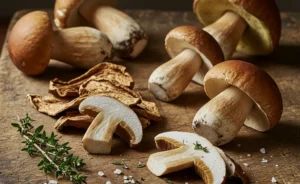
Both shiitake mushrooms and button mushrooms are not only edible but are celebrated for their culinary versatility and significant nutritional value. Button mushrooms are widely regarded as a safe and accessible edible fungus, commonly found in grocery stores in various forms like fresh white buttons or the slightly more mature cremini. Shiitake mushrooms are also widely consumed globally, prized for their distinctive savory flavor and chewy texture. They are typically enjoyed cooked, whether fresh or rehydrated from their dried form, which concentrates their rich taste. Both offer unique contributions to a healthy diet and can be incorporated into countless recipes.
Comparing Taste, Texture, Appearance, and Culinary Applications
When evaluating shiitake mushroom vs button mushroom for cooking, their differences in sensory attributes and how they perform in various recipes are paramount. For specific flavor and texture differences, a comparison of shiitake mushroom vs baby bella can be quite insightful. Understanding these nuances helps home cooks select the ideal mushroom to achieve desired flavors and textures in their dishes.
Shiitake mushroom vs button mushroom taste
Button mushroom flavor characteristics are generally mild and earthy, offering a subtle base that absorbs other flavors well. White button mushrooms, in particular, have a delicate and almost undetectable taste when raw, becoming slightly more robust and earthy upon cooking. Cremini mushrooms offer a slightly deeper, more savory flavor than white buttons. In contrast, shiitake mushroom flavor characteristics are distinctively richer, with a robust, earthy, and smoky profile, often described as highly fragrant. Their savory flavor intensifies significantly when cooked, making them a standout ingredient.
Umami Content Comparison
Umami, often referred to as the fifth basic taste, is a savory deliciousness, and mushrooms are natural sources of this coveted flavor. Shiitake mushrooms are particularly renowned for their high umami content, largely due to compounds like guanosine monophosphate (GMP). This rich umami is a key reason for their deep, savory flavor and their ability to add depth to broths and sauces. While button mushrooms also contain umami, particularly the more mature cremini and portobello varieties, their levels are generally less pronounced than those found in shiitake mushrooms. The umami in shiitake contributes significantly to their gourmet appeal.
Cap and Stem Features
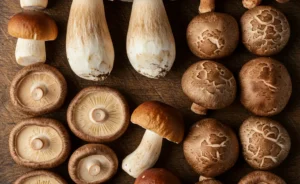
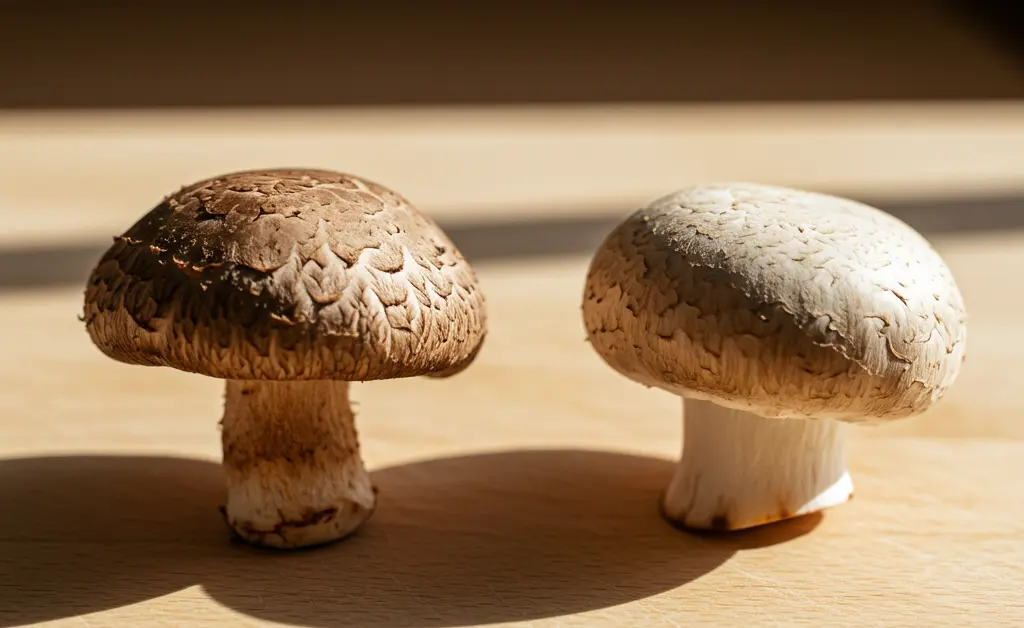
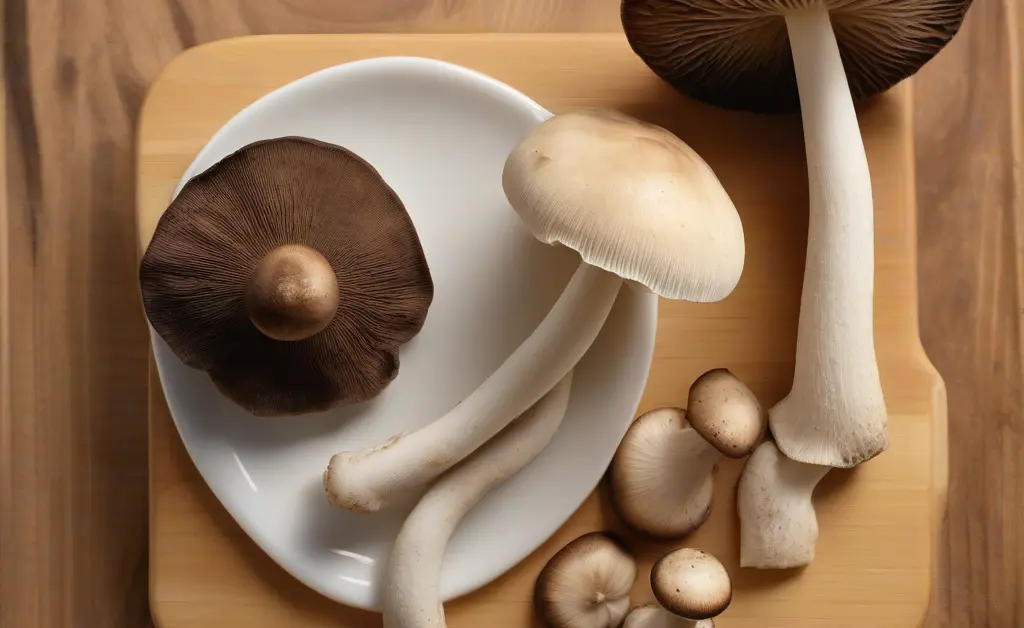
The appearance of these two mushrooms also provides clear distinctions. Button mushrooms typically feature a smooth, rounded cap that can range from white to light brown, with tightly packed gills underneath. Their stems are generally short, sturdy, and often edible, though some prefer to remove them. Shiitake mushrooms, on the other hand, have a more unique appearance. Their caps are typically umbrella-shaped, ranging from light to dark brown, often with delicate white flakes or cracks on the surface. The stems of shiitake mushrooms are generally tougher and more fibrous than those of button mushrooms, which is why they are often removed before cooking, though they can be used to flavor stocks.
Raw vs. Cooked Texture Differences
The texture of these mushrooms undergoes significant changes from raw to cooked states. Raw button mushrooms have a crisp, slightly spongy texture that softens considerably when cooked, becoming tender yet retaining some firmness. Their delicate texture makes them suitable for a wide range of cooking methods, from sautéing to grilling. Shiitake mushrooms, whether fresh or rehydrated from dried forms, possess a firmer, meatier texture. When cooked, they develop a satisfyingly chewy consistency, especially the caps, which can become wonderfully succulent. The preparation and cooking tips often involve slicing shiitake thinly for stir-fries or using whole caps in soups to appreciate their distinct texture.
Can I substitute shiitake for button mushrooms?
While both are edible fungi, the question of mushroom substitution between shiitake and button mushrooms largely depends on the desired outcome. For recipes where a mild, earthy base is preferred, and the mushroom is meant to blend into other flavors, button mushrooms (or cremini) are ideal. They work well in salads, omelets, and light sauces. However, if a dish calls for a deep, savory, umami-rich flavor and a meaty texture, shiitake mushrooms are irreplaceable. Substituting shiitake for button mushrooms might overpower dishes designed for a delicate flavor profile due to shiitake’s strong, fragrant taste. Conversely, using button mushrooms in recipes that traditionally feature shiitake, such as Asian stir-fries or rich soups, might result in a less robust and authentic flavor. Therefore, consider the flavor intensity and texture requirements of your culinary uses before making a substitution.
Nutritional Differences and Health Benefits

Beyond their distinct culinary characteristics, the shiitake mushroom vs button mushroom comparison also reveals notable nutritional differences and associated health benefits. For those exploring other mushroom varieties, understanding the nutritional profile of shiitake mushroom vs oyster mushroom can also be beneficial. Both contribute valuable nutrients to the diet, but each offers unique advantages.
Shiitake mushroom vs button mushroom nutrition
When examining key nutrients in button mushrooms, they are a good source of B vitamins, especially riboflavin and niacin, as well as essential minerals like selenium, copper, and potassium. They also provide dietary fiber and a decent amount of protein. Notably, button mushrooms, particularly when exposed to UV light, can become an excellent source of vitamin D, which is crucial for bone health and immune function. Shiitake mushroom benefits are also impressive; they are particularly rich in B vitamins, including B2, B3, B5, and B6, and provide minerals like copper and selenium. Shiitake mushrooms also contain certain polysaccharides, such as lentinan, which have been studied for their potential immune-supporting properties. Both types of mushrooms contain antioxidants, which help combat oxidative stress in the body. Dietary considerations and benefits show that incorporating either or both into your diet can support overall health and wellness, with shiitake often offering a more concentrated source of specific immune-modulating compounds. For further guidance on maintaining a balanced diet, you may consult resources such as the NHS.
Availability and Cost

The practical aspects of sourcing and purchasing also play a role in the choice between shiitake mushroom vs button mushroom for many consumers.
Price Point Differences and Sourcing
The availability and price point differences between these two mushroom types are generally quite clear. Button mushrooms, especially the good ol’ white button mushroom, are widely cultivated and are typically the most affordable and readily available fresh mushrooms in most grocery stores. Their extensive cultivation and high demand contribute to their lower price point. Shiitake mushrooms, on the other hand, often command a higher price. While fresh shiitake are becoming more common, they are still considered a more specialized mushroom. Dried shiitake mushrooms are widely available and can be a more economical option, particularly since they are shelf-stable and their savory flavor becomes even more concentrated after rehydration. Sourcing for button mushrooms is usually local or widespread, whereas shiitake cultivation, while increasing globally, still often involves imports for many regions, contributing to their higher cost. The choice often balances budget with the specific flavor and textural contributions each mushroom brings to a dish.
In conclusion, both shiitake and button mushrooms offer unique attributes that cater to different culinary needs and preferences. While button mushrooms provide a versatile, mild foundation for many dishes, shiitake mushrooms stand out with their rich umami, meaty texture, and distinctive flavor profile, ideal for adding depth and character. Understanding these differences in taste, texture, appearance, nutritional content, and availability empowers cooks to make informed choices, enhancing their culinary creations and nutritional intake. Whether you opt for the familiar or the exotic, both fungi are excellent additions to a balanced diet.
The content presented here is not a substitute for professional medical guidance. This information is intended for general knowledge and informational purposes only, and does not constitute medical advice, diagnosis, or treatment. Always consult with a qualified healthcare professional for any health concerns or before making any decisions related to your health or diet.
FAQ
— What is the main difference between shiitake and button mushrooms?
Shiitake mushrooms, originating from East Asia, have a distinct umbrella-like cap and a woody stem, known for their robust flavor and meaty texture when cooked. Button mushrooms, common in Western cuisine, are typically small, white, and have a milder flavor and softer texture, representing an earlier growth stage of the Portobello family. The primary difference lies in their unique flavor profiles, textures, and culinary applications.
— Do shiitake mushrooms taste like button mushrooms?
Shiitake mushrooms offer a profound umami flavor, characterized by earthy, smoky, and slightly garlicky notes that intensify with cooking. Button mushrooms, in contrast, present a much milder, delicate, and often described as subtly earthy taste. Their flavor profiles are quite distinct, making them contribute differently to dishes.
— Can you substitute button mushrooms for shiitake mushrooms in recipes?
While button mushrooms can offer a similar texture to shiitake when cooked, their distinct flavor profiles mean they are not direct culinary substitutes. Using button mushrooms in place of shiitake will result in a dish lacking the deep umami richness and characteristic aroma that shiitake provides. The overall flavor dimension of the recipe would be significantly altered.
— Which mushroom is healthier: shiitake or button?
In a general nutritional comparison, the shiitake mushroom vs button mushroom debate often highlights their distinct beneficial compounds. Shiitake mushrooms are recognized for specific polysaccharides and triterpenoids, which contribute to their unique health-relevant properties, particularly for immune system support. Button mushrooms, on the other hand, are a good source of B vitamins, selenium, and contain antioxidants. Both offer valuable contributions to a balanced diet.
— Are shiitake mushrooms more expensive than button mushrooms?
Shiitake mushrooms are generally more expensive than button mushrooms due to differences in their cultivation methods and growth rates. Shiitake often requires more specialized growing environments and takes longer to mature, increasing production costs. Button mushrooms, being widely cultivated on an industrial scale, are typically more readily available and thus more affordably priced.