It’s a common culinary assumption that mushrooms broadly offer similar textures and flavors, leading some to believe that one brown mushroom can easily substitute another. However, delving into the specifics reveals a rich tapestry of distinctions often overlooked. While both shiitake and baby bella mushrooms are celebrated in kitchens worldwide, their unique attributes extend far beyond their earthy appearance. Understanding the nuances between them is key to unlocking their full potential in your dishes. This guide aims to clarify the popular discussion of shiitake mushroom vs baby bella, exploring their individual flavor profiles, textural characteristics, and nutritional contributions to help you make informed choices for your cooking.
Shiitake Mushroom vs Baby Bella: Key Differences
The culinary world often groups mushrooms by their general appearance, yet a closer look at the shiitake mushroom vs baby bella reveals distinct identities. These differences go beyond their caps and stems, extending into their biological classification and cultivation methods.
Are Baby Bella the Same as Shiitake?
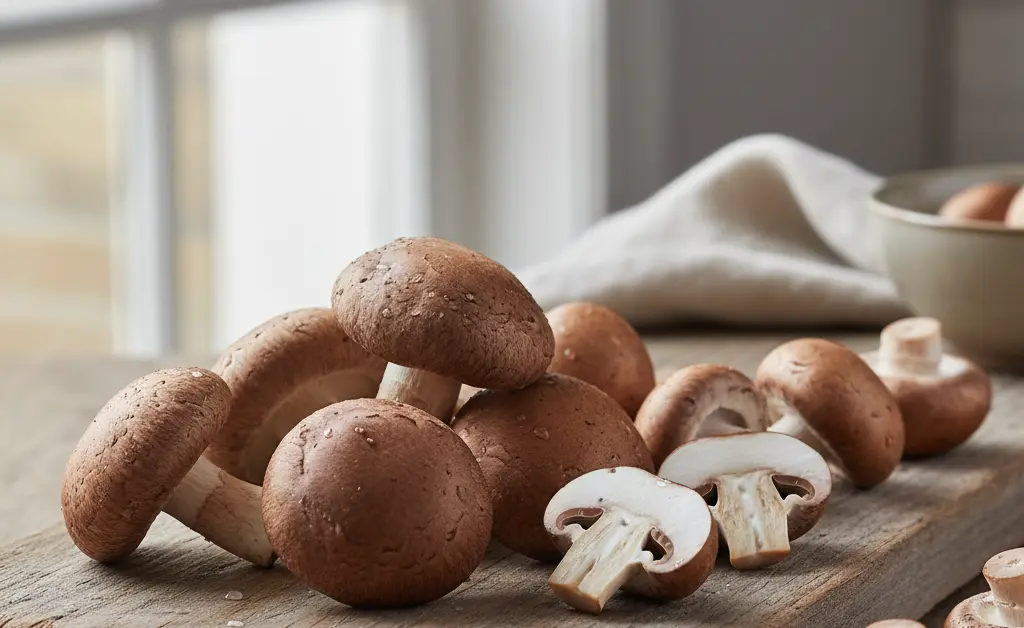
No, baby bella mushrooms are not the same as shiitake mushrooms. They belong to entirely different mushroom species. Shiitake mushrooms (scientific name: Lentinula edodes) are native to East Asia and are traditionally cultivated on hardwood logs, giving them a unique woody and savory essence. Baby bella mushrooms, on the other hand, are a specific stage of the common button mushroom (Agaricus bisporus). They are essentially a more mature version of the white button mushroom, known botanically as cremini mushrooms, before they fully open into a large portobello. For a broader comparison, consider the differences between shiitake mushroom vs portabella. For further insight into their distinctions, a comparison of shiitake mushroom vs cremini is helpful. While both are cultivated worldwide, their genetic makeup and traditional growing environments are fundamentally distinct.
Edibility: Shiitake Mushroom vs Baby Bella
Both shiitake mushrooms and baby bella mushrooms are widely consumed and considered safe for edibility, each offering a unique culinary experience. Shiitake mushrooms are renowned for their firm texture and rich, umami flavor, making them a staple in Asian cuisine. Their stems are often tough and fibrous, usually removed before cooking, though they can be used to flavor broths. Baby bella mushrooms, being cremini, have a slightly firmer texture and deeper, more earthy flavor than white button mushrooms, but are still relatively tender throughout, including their stems. The entire baby bella can typically be eaten, making them very versatile for various cooking methods.
Flavor, Texture, and Culinary Uses
Understanding the subtleties in flavor, texture, and aroma is crucial when deciding between shiitake mushroom vs baby bella for your next dish. Each mushroom brings its own unique character to the table, influencing the overall culinary outcome.
Flavor Profile, Aroma, and Umami Notes
Shiitake mushrooms are celebrated for their distinctive savory taste, often described as rich, meaty, and intensely umami, with a noticeable earthy and woodsy aroma. This deep flavor is particularly pronounced when dried shiitake mushrooms are rehydrated, concentrating their aromatic compounds. The umami notes are a result of naturally occurring glutamates, which provide that deeply satisfying savory taste. Baby bella mushrooms, while still earthy, offer a milder flavor profile compared to shiitake. They possess a pleasant, slightly nutty taste with an underlying earthiness and a more subtle umami contribution. Their aroma is generally less pronounced than that of shiitake, making them a versatile choice that doesn’t overpower other ingredients.
Texture and Appearance Comparison
The texture and appearance of these two mushroom species also present clear differences. Shiitake mushrooms typically have broad, umbrella-shaped caps ranging from light to dark brown, often with characteristic white cracks or scales on the surface. Their texture is firm and meaty, especially the caps, while their stems are notoriously tough and chewy. Baby bella mushrooms, or cremini, are smaller than their mature portobello counterparts, featuring a smooth, light to dark brown cap. Their flesh is dense yet tender, offering a more delicate bite than shiitake. The stems of baby bellas are also edible and much less fibrous than shiitake stems, contributing to their ease of preparation.
Common Culinary Uses for Each
Shiitake mushrooms are a cornerstone of Asian cuisine, frequently found in stir-fries, soups (like miso soup), broths, and noodle dishes. Their robust flavor holds up well to strong seasonings and long cooking times. They can be roasted, sauteed, or even grilled, adding a gourmet touch to many recipes. Baby bella mushrooms, with their milder taste and tender texture, are incredibly versatile. They are popular in Italian cuisine, often sauteed with garlic and herbs, added to pasta sauces, risottos, or as a topping for pizzas. They also excel in omelets, quiches, and as a simple side dish, roasted or grilled. Their ability to absorb flavors makes them an excellent ingredient in a wide array of savory preparations.
When to Choose Each Mushroom
Choosing between a shiitake and a baby bella mushroom depends largely on the desired flavor intensity and the overall profile of your dish. Opt for shiitake when you want a strong, distinctive umami flavor to be a focal point, especially in Asian-inspired dishes or any recipe where a bold, savory mushroom presence is key. They are excellent when you need a mushroom that can stand up to other rich ingredients. Choose baby bella mushrooms when you prefer a more subtle, earthy note that complements rather than dominates. Their versatility makes them ideal for everyday cooking, where you want a pleasant mushroom flavor without the pronounced woodsy character of shiitake. They are particularly good in dishes where a tender texture is desired or when blending with other vegetables.
Substitution Guide
While distinct, there are instances where one might consider substituting a shiitake mushroom for a baby bella or vice versa, though with an understanding of the impact on flavor and texture. If you’re out of shiitake and need a sturdy, savory mushroom, baby bella can work in a pinch, especially if you enhance the dish with other umami-rich ingredients like soy sauce or nutritional yeast to compensate for the shiitake’s deeper flavor. You might also consider drying and then rehydrating baby bellas to concentrate their flavor, though it won’t fully replicate shiitake. Conversely, if you need a substitute for baby bella, shiitake can be used, but be mindful of its stronger taste. You might use a smaller quantity of shiitake or combine it with a milder mushroom to achieve a more balanced flavor. For texture, remember to remove the tough stems of shiitake for most applications where baby bella would be used whole. Ultimately, while substitutions are possible, they will alter the dish’s original character due to the inherent differences in the shiitake mushroom vs baby bella. Exploring the differences between shiitake mushroom vs oyster mushroom can also inform your culinary choices.
Nutritional Value and Health Benefits
Beyond their culinary appeal, both shiitake and baby bella mushrooms contribute valuable nutrients to a balanced diet, offering various potential health benefits. While they share some common nutritional components, their individual profiles present unique advantages.
Nutritional Value Comparison
Both types of mushrooms are generally low in calories and fat, yet provide a good source of dietary fiber and protein. Shiitake mushrooms are notably recognized for their rich content of B vitamins, including riboflavin, niacin, and pantothenic acid, which are important for energy metabolism. They also contain certain minerals like copper and selenium. Traditionally, shiitake mushrooms have been studied for their potential medicinal properties, particularly concerning immune support and cardiovascular health, attributed to compounds such as lentinan, as detailed in research indexed on PubMed. Baby bella mushrooms, as a form of Agaricus bisporus, also offer B vitamins, though sometimes in slightly different concentrations, and are a good source of potassium and phosphorus. They are also unique in their ability to produce Vitamin D when exposed to UV light, which is a beneficial nutrient often lacking in diets. While baby bellas may not have the same extensive history of medicinal use as shiitake, they contribute significantly to a healthy diet through their array of vitamins, minerals, and antioxidants. The discussion of shiitake mushroom vs baby bella in terms of nutrition highlights that both are wholesome choices, each bringing specific strengths to the table.
Understanding the unique characteristics of shiitake and baby bella mushrooms empowers home cooks and culinary professionals alike to make intentional choices that elevate their dishes. From the bold, umami-rich notes of shiitake that define so many Asian recipes to the versatile, earthy flavors of baby bella that seamlessly integrate into a myriad of Western cuisines, each mushroom offers a distinct journey for the palate. Far from being interchangeable, appreciating their individual flavor profiles, textures, and nutritional contributions is key to unlocking their full potential and creating truly memorable meals. Embracing these differences allows for greater creativity and depth in the kitchen, proving that not all brown mushrooms are created equal.
The purpose of this content is to educate, not to diagnose or treat. This information is provided for general knowledge and informational purposes only, and does not constitute medical advice. It is essential to consult with a qualified healthcare professional for any health concerns or before making any decisions related to your health or treatment.
FAQ
What is the primary difference in flavor between shiitake and baby bella mushrooms?
Shiitake mushrooms are renowned for their distinct, rich umami flavor with pronounced earthy and smoky undertones, sometimes described as woody. In contrast, baby bella mushrooms present a milder, more delicate earthy taste, making them less assertive in many dishes.
Which mushroom is better for soups and stir-fries, shiitake or baby bella?
Shiitake mushrooms are often preferred for their ability to infuse soups and stir-fries with a deep, savory umami and a robust aroma that stands out. Baby bellas, with their milder profile, contribute a pleasant texture and subtle earthiness, blending more seamlessly into the overall dish without dominating other flavors.
Can baby bella mushrooms be used as a substitute for shiitake in recipes?
While baby bella mushrooms can serve as a textural substitute for shiitake in many recipes, it’s important to recognize the resulting difference in flavor profile. The dish will likely lack the characteristic woody, smoky, and intense umami notes that shiitake are known for, creating a different culinary experience.
Do shiitake mushrooms offer more umami than baby bella?
Yes, shiitake mushrooms are widely recognized for their significantly higher umami content compared to baby bellas, largely due to their rich concentration of guanylate, a natural flavor enhancer. This distinct savory depth is a key differentiator in the shiitake mushroom vs baby bella flavor comparison, contributing to shiitake’s strong presence in many culinary traditions.
Are there any significant nutritional differences between shiitake and baby bella?
Both shiitake and baby bella mushrooms are nutritious additions to a diet, offering various B vitamins, minerals, and dietary fiber. However, shiitake mushrooms are particularly recognized for containing unique compounds like lentinan and ergothioneine, which are studied for their functional properties.