In today’s culinary landscape, a growing number of home cooks are embracing the joy of crafting elevated meals that blend comfort with sophisticated flavors. There’s a noticeable shift towards exploring global cuisines within the confines of one’s own kitchen, often prioritizing dishes that are both deeply satisfying and offer wholesome ingredients. This trend is particularly evident in the world of nourishing bowls, where fresh, vibrant components meet rich, aromatic broths. For those looking to dive into a truly rewarding cooking experience, mastering a bowl of shiitake mushroom ramen presents an excellent opportunity. It allows you to transform simple ingredients into a complex, umami-rich dish that warms the soul and delights the palate, perfectly aligning with the desire for both culinary adventure and healthful indulgence at home.
Why You’ll Love Shiitake Mushroom Ramen
There’s a special kind of comfort that comes with a perfectly crafted bowl of ramen, and when shiitake mushrooms are the star, that comfort reaches new heights. This delightful dish offers a remarkable depth of flavor, primarily due to the natural umami present in shiitake mushrooms. It’s a hearty and satisfying meal that can be surprisingly quick to prepare, making it an ideal choice for a weeknight dinner or a cozy weekend treat. Beyond its delicious taste, a well-balanced bowl of shiitake mushroom ramen provides a nutritious meal, aligning with general health guidelines from organizations like the NHS. It allows for a variety of fresh vegetables and protein sources to be incorporated. The versatility of this dish means it can be tailored to suit various dietary preferences, from vegan to omnivore, without compromising on its rich, savory essence.
Shiitake Mushroom Ramen: The Ultimate Recipe
Creating an exceptional bowl of homemade shiitake mushroom ramen doesn’t have to be an intimidating task. This recipe aims to guide you through the process, emphasizing layers of flavor and the balance of textures that make this Japanese-inspired soup so beloved. For a deeper dive into comforting bowls, explore classic shiitake mushroom soup recipes. The key to its success lies in developing a rich, savory broth, perfectly cooked noodles, and thoughtfully chosen toppings, with the earthy shiitake mushrooms taking center stage. By following this guide, you can achieve a truly authentic and deeply satisfying ramen experience right in your own kitchen.
Key Ingredients for Your Flavorful Bowl
The foundation of any great shiitake mushroom ramen lies in its ingredients. Opting for quality components will elevate your dish from good to extraordinary, ensuring every spoonful is bursting with flavor. From the star mushrooms to the nuanced broth and noodles, each element plays a crucial role in creating a harmonious and delicious experience. To master the dish, understanding how to cook shiitake mushrooms is essential for achieving the best flavor and texture.
Fresh vs. Dried Shiitake Mushrooms
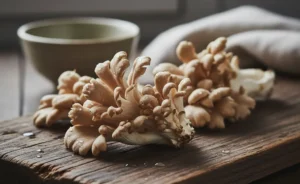
Both fresh and dried shiitake mushrooms offer distinct advantages for your ramen. Fresh shiitake mushrooms provide a tender, meaty texture and a milder, subtly earthy flavor. They are excellent when added directly to the soup for a fresh bite. Dried shiitake, on the other hand, boast a more concentrated umami flavor. When rehydrated, the soaking liquid itself becomes a powerful flavor booster for your broth, often referred to as a vegetarian dashi. Using both can provide a wonderful complexity to your shiitake mushroom ramen, combining the best of both worlds.
Choosing Your Ramen Broth Base
The broth is the soul of your ramen. For a truly flavorful shiitake mushroom ramen, a vegetarian or vegan broth can be incredibly rich. Options include a simple vegetable stock infused with ginger and garlic, or a more traditional dashi made from kombu and dried shiitake soaking liquid. For added depth, miso paste can be dissolved into the warm broth, contributing a savory, fermented note. A touch of soy sauce and mirin can further balance the flavors, creating a robust base for the mushrooms and noodles.
Noodle Selection: Traditional & Quick Alternatives
The right noodles are essential for an authentic ramen experience. Traditional ramen noodles are springy and chewy, often found fresh or dried in Asian markets. However, for a quick meal, instant ramen noodles (discarding their seasoning packets) or even thin spaghetti can serve as convenient alternatives. The goal is to select noodles that will absorb the rich broth without becoming mushy, offering a satisfying slurp with every bite.
Flavor Boosters & Garnishes
Garnishes not only add visual appeal but also contribute layers of texture and flavor. Essential flavor boosters for your shiitake mushroom ramen broth include grated ginger and minced garlic, which infuse warmth and aromatic notes. For toppings, consider thinly sliced scallions, crispy nori seaweed sheets, vibrant bok choy, corn, or edamame. A drizzle of sesame oil or a dash of chili oil can add a final flourish, enhancing the overall sensory experience of the dish.
Step-by-Step Guide to Crafting Shiitake Mushroom Ramen
Creating your perfect bowl of shiitake mushroom ramen is a rewarding process that involves careful preparation and thoughtful assembly. By following these steps, you can ensure each component contributes to a balanced and deeply satisfying meal.
Preparing Your Ingredients
Start by cleaning and slicing your fresh shiitake mushrooms. If using dried, rehydrate them first, reserving the flavorful soaking liquid. Chop any vegetables like bok choy or scallions, and prepare your aromatics such as ginger and garlic. Consider trying a shiitake mushroom air fryer recipe for a crispy topping. Having all your ingredients prepped and ready will make the cooking process smooth and enjoyable, ensuring a harmonious balance for your shiitake mushroom ramen.
Building the Flavorful Broth
Begin by sautéing your aromatics in a touch of oil to release their fragrance. Add your chosen broth base, whether it’s vegetable stock or a dashi made from kombu and rehydrated shiitake liquid. Introduce soy sauce, mirin, and possibly miso paste, allowing the flavors to meld and deepen over a gentle simmer. This step is crucial for developing the rich, savory foundation of your ramen.
Cooking the Noodles to Perfection
Cook your chosen ramen noodles according to package instructions, ensuring they remain al dente. Overcooked noodles can become mushy and detract from the overall texture of the dish. Once cooked, drain them and rinse briefly with cold water to prevent sticking, then add them immediately to your serving bowls or briefly warm them in the hot broth just before serving.
Assembling Your Ramen Bowl
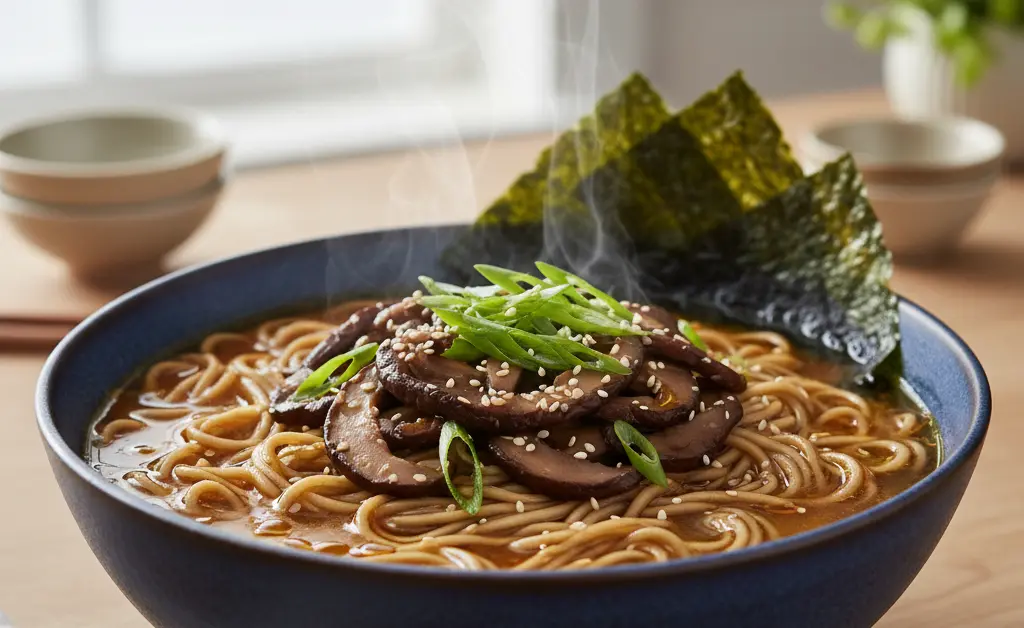
Once the broth is simmering and the noodles are ready, it’s time to assemble. Place a generous portion of cooked noodles into each serving bowl. Ladle the hot, flavorful broth over the noodles, ensuring they are well submerged. Arrange your prepared shiitake mushrooms, blanched bok choy, scallions, and any other desired garnishes attractively on top. A final drizzle of sesame oil can add an extra layer of aroma.
Tips for Perfecting Your Homemade Ramen
Elevating your homemade shiitake mushroom ramen from good to exceptional often comes down to a few key techniques and considerations. Paying attention to these details can significantly enhance the texture, flavor, and overall enjoyment of your meal.
Achieving the Ideal Noodle Texture
The texture of your noodles is paramount in ramen. To achieve the perfect bite, avoid overcooking them. Most ramen noodles cook quickly, often in just a few minutes. If you’re using instant noodles as a quick alternative, cook them slightly underdone as they will continue to soften in the hot broth. For the best results, cook the noodles separately and add them to your bowl just before pouring in the hot broth, ensuring they retain their springy chewiness throughout the meal.
Don’t Forget the Garnishes!
Garnishes are not merely decorative; they are integral to the ramen experience. They add contrasting textures, fresh flavors, and vibrant colors that complement the rich broth and earthy shiitake mushrooms. Think beyond just scallions. Incorporating crispy nori, a soft-boiled egg, or a sprinkle of toasted sesame seeds can introduce new dimensions. These finishing touches contribute significantly to the complexity and satisfaction of your shiitake mushroom ramen.
Variations & Customizations for Your Ramen
One of the joys of making homemade ramen is the endless potential for customization. While the classic shiitake mushroom ramen is delicious, you can easily adapt the recipe to suit your dietary needs, preferences, or what you have on hand. You can explore other delicious shiitake mushroom recipes to broaden your culinary horizons.
Making it Vegan or Vegetarian
The core of shiitake mushroom ramen is often naturally vegetarian or easily adaptable to be vegan. Ensure your broth base is plant-based, using vegetable stock or a kombu and shiitake dashi. Check that your noodles do not contain egg (many traditional ramen noodles are egg-free). Miso paste is an excellent vegan flavor enhancer. For creamy richness, a swirl of plant-based milk or cashew cream can be added to the broth just before serving, creating a luxurious mouthfeel.
Adding Protein: Tofu, Egg, or Chicken
To make your shiitake mushroom ramen a more complete and satisfying meal, consider adding a source of protein. Cubes of pan-fried or baked tofu are an excellent vegan option, soaking up the broth’s flavors beautifully. For vegetarians, a perfectly soft-boiled egg (Ajitama style) adds a rich, creamy yolk and protein. If you’re not vegetarian, thinly sliced leftover chicken or pork can also be a delicious addition, providing a different texture and savory note to the dish.
Spicy Kicks and Other Flavor Adjustments
If you enjoy a bit of heat, there are several ways to add a spicy kick to your ramen. A drizzle of chili oil, a spoonful of sriracha, or a sprinkle of red pepper flakes can introduce warmth and excitement. Other flavor adjustments might include a splash of rice vinegar for brightness, a dash of fish sauce (if not strictly vegetarian) for extra umami depth, or even a dollop of chili garlic paste. Experimenting with these elements allows you to tailor your shiitake mushroom ramen to your personal taste.
Serving & Storing Your Shiitake Mushroom Ramen
Serving and storing your ramen properly can make a big difference in enjoying its full flavor and ensuring its longevity. Ramen is best enjoyed fresh, but knowing how to manage leftovers can be helpful for future quick meals.
For the best experience, serve your shiitake mushroom ramen immediately after assembly, while the broth is piping hot and the noodles are at their prime texture. Individual bowls allow each person to customize their garnishes. If you anticipate leftovers or are preparing components ahead of time, it is advisable to store the broth, cooked noodles, and toppings separately. This prevents the noodles from becoming overly soft and mushy in the broth and keeps the garnishes fresh. The broth can be refrigerated in an an airtight container for several days, and the cooked noodles can be stored similarly. When reheating, gently warm the broth, then add fresh or reheated noodles and toppings to maintain the integrity of each component. This approach helps preserve the distinct textures and vibrant flavors of your delicious homemade ramen.
While this article discusses health-related topics, it does not provide medical guidance. The information presented here is for general knowledge and informational purposes only, and does not constitute medical advice. Always consult with a qualified healthcare professional for any health concerns or before making any decisions related to your health or diet. Reliance on any information provided in this article is solely at your own risk.
FAQ
— How do you prepare shiitake mushrooms for ramen?
Fresh shiitake mushrooms benefit from a gentle wipe with a damp cloth to clean them, rather than rinsing, which can make them waterlogged. The tough stems are typically removed, while the caps can be sliced thinly or left whole for a more substantial bite. Sautéing them briefly before adding to the ramen can enhance their umami flavor and improve their texture.
— What kind of noodles are best for shiitake mushroom ramen?
Traditional ramen noodles, typically made from wheat flour, water, salt, and kansui, are ideal for their springy, chewy texture that holds up well in hot broth. Varieties like chukamen or thin, wavy noodles are particularly good choices as they absorb the broth’s flavors beautifully. The texture contrast with the mushrooms adds to the overall enjoyment of the dish.
— Can shiitake mushroom ramen be made vegan?
Absolutely, this dish is very adaptable for a vegan diet by ensuring all components are plant-based. The key is to use a vegetable or mushroom-based broth and to substitute any meat or egg toppings with plant-derived alternatives. Miso paste, soy sauce, and a variety of fresh vegetables can contribute to a rich, savory vegan experience.
— What ingredients can be added to shiitake mushroom ramen?
Beyond the essential mushrooms and noodles, various ingredients can elevate the flavor and texture of ramen. Common additions include soft-boiled eggs, nori seaweed, chopped scallions, corn, spinach, or bamboo shoots. A drizzle of sesame oil or chili oil at the end can also introduce another layer of aroma and subtle heat.
— How long does it take to cook shiitake mushroom ramen?
The cooking time for a bowl of ramen can vary depending on whether you’re starting with a pre-made broth or making one from scratch. Generally, if your broth is ready, assembling and cooking the noodles and mushrooms, along with any other toppings, takes approximately 10 to 20 minutes. Preparing a complex broth, however, can extend the overall preparation significantly.
— Can dried shiitake mushrooms be used in ramen?
Dried shiitake mushrooms are excellent for ramen and often preferred for their intensified umami flavor compared to fresh ones. To use them, rehydrate the dried mushrooms in warm water for at least 30 minutes, or longer if possible, saving the resulting flavorful soaking liquid to enhance your ramen broth. This rehydration process softens them and allows their deep, earthy notes to infuse the dish.
— What is the best broth base for shiitake mushroom ramen?
For a truly harmonious bowl of shiitake mushroom ramen, a dashi-based broth offers a fantastic foundation due to its inherent umami qualities that perfectly complement the mushrooms. A combination of kombu (dried kelp) and dried shiitake mushrooms in the broth creates a profoundly savory and aromatic base. Alternatively, a clear, light shio (salt) or shoyu (soy sauce) broth allows the distinct earthy flavor of the mushrooms to shine through beautifully.