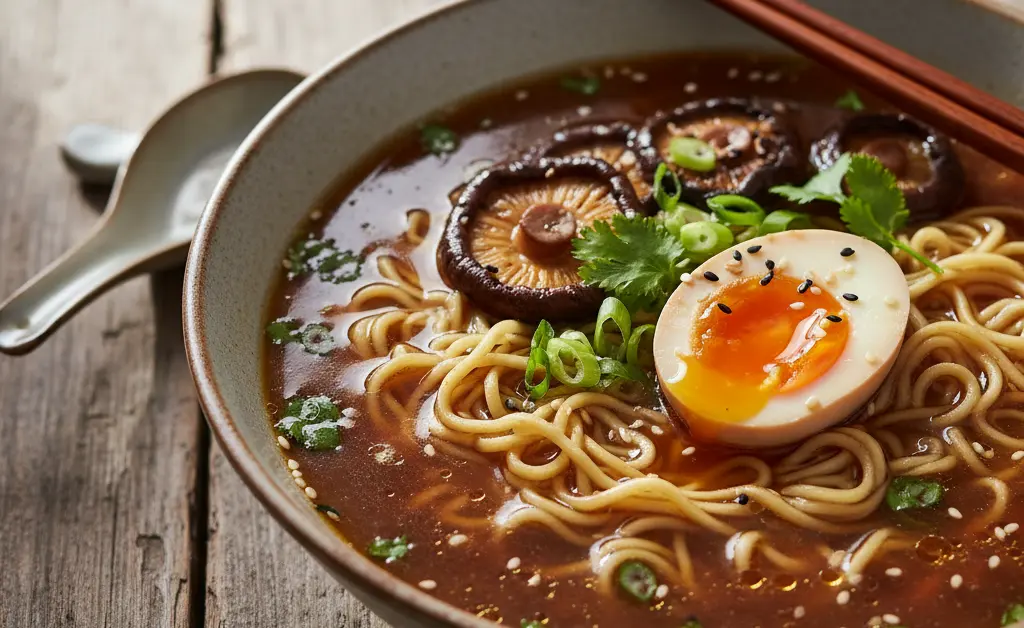
Many home cooks might believe that creating a truly authentic and deeply satisfying bowl of ramen from scratch is an overly complicated or time-consuming task, often reserved for professional kitchens. However, this perception overlooks the accessibility and incredible depth of flavor achievable with a more streamlined, yet equally rewarding, approach. By focusing on potent, umami-rich ingredients and a methodical technique, it’s entirely possible to craft a complex and comforting meal without hours of simmering or a specialist pantry. This guide will demystify the process, demonstrating how to prepare a restaurant-quality shiitake mushroom ramen that challenges the notion of homemade ramen being inferior or difficult, proving that exceptional taste can be both attainable and enjoyable to make.
Why You’ll Love Shiitake Mushroom Ramen
Creating your own shiitake mushroom ramen at home offers a remarkable blend of satisfaction and culinary delight. Beyond the joy of cooking, this dish stands out for its profound umami character, primarily driven by the star ingredient: shiitake mushrooms. These fungi lend a distinct earthy and savory depth that forms the backbone of the broth, creating a luxurious experience without the need for meat-based components. It’s a versatile and hearty meal that caters to diverse palates, offering a comforting warmth perfect for any season. The ability to customize ingredients also means every bowl can be tailored to individual preferences, making it a truly personal and gratifying dish.
Shiitake Mushroom Ramen: The Ultimate Recipe
Embarking on the journey to create the ultimate shiitake mushroom ramen is a rewarding culinary adventure. This recipe focuses on maximizing flavor with minimal fuss, ensuring that even busy weeknights can accommodate a deeply satisfying bowl of ramen. By combining traditional Japanese elements with accessible techniques, you can achieve a broth that is both rich and nuanced, perfectly complemented by tender noodles and vibrant garnishes. This section outlines the core principles and steps to bring together a truly memorable shiitake mushroom ramen that will impress and delight. For more diverse shiitake mushroom recipes, explore our collection.
Key Ingredients for Your Flavorful Bowl
The success of any ramen, especially a vegetarian or vegan version, hinges on the quality and interplay of its core ingredients. For a truly flavorful shiitake mushroom ramen, careful selection of each component is crucial to building a rich, layered taste profile. From the mushrooms themselves to the foundational broth and the final garnishes, every element plays a vital role in creating a harmonious and deeply satisfying experience.
Fresh vs. Dried Shiitake Mushrooms
When it comes to shiitake mushrooms, you have the option of using either fresh or dried varieties, each offering distinct advantages. Dried shiitake mushrooms are often revered for their concentrated umami flavor. When rehydrated, they release a potent, savory liquid that can be incorporated directly into the broth, significantly enhancing its depth. Fresh shiitake mushrooms, while milder in flavor, provide a delightful meaty texture and a more delicate mushroom flavor, making them excellent for sautéing and adding as a topping. For the richest broth, a combination of both can be ideal, using dried for the stock and fresh for texture and garnish. You might also enjoy preparing shiitake mushroom in an air fryer for a different texture.
Choosing Your Ramen Broth Base
The broth is the soul of any ramen. For a shiitake mushroom ramen, the broth base is typically a vegetarian or vegan stock, though a dashi base is a fantastic choice for traditional savory notes. A kombu-shiitake dashi provides an incredible umami foundation, crafted simply by simmering dried kombu (kelp) and rehydrated shiitake mushrooms. Beyond this, you can enrich your broth with ingredients like miso paste for fermented depth, soy sauce for saltiness, and a touch of mirin for subtle sweetness. Some recipes also incorporate ginger and garlic for aromatic complexity, creating a hearty and satisfying base that truly sings.
Noodle Selection: Traditional & Quick Alternatives
The noodles are a critical component of the ramen experience, offering texture and substance. Traditional ramen noodles are typically wheat-based, chewy, and slightly elastic. They hold up well in hot broth and absorb flavors beautifully. For those seeking quicker alternatives or specific dietary needs, instant ramen noodles can be a convenient substitute, though their texture and flavor profile may differ. Other options include fresh or dried wheat noodles, udon, or even gluten-free alternatives like rice noodles, ensuring everyone can enjoy a bowl of homemade ramen.
Flavor Boosters & Garnishes
Garnishes are not just for aesthetics; they are essential flavor boosters that complete the ramen experience. Think of vibrant scallions, thinly sliced and sprinkled generously, or a sheet of nori (dried seaweed) for a hint of oceanic umami. Bok choy, spinach, or corn add fresh vegetables and color. A drizzle of sesame oil or chili oil can introduce nutty warmth or a spicy kick. For those who enjoy them, a perfectly soft-boiled egg or crispy pan-fried tofu can elevate the protein content and add delightful textural contrast to your shiitake mushroom ramen.
Step-by-Step Guide to Crafting Shiitake Mushroom Ramen
Crafting a delicious bowl of shiitake mushroom ramen at home is an achievable feat with a methodical approach. This step-by-step guide breaks down the process into manageable stages, ensuring that even novice cooks can produce a deeply satisfying and authentic-tasting bowl. From preparing the essential ingredients to assembling the final masterpiece, each stage is designed for clarity and ease.
Preparing Your Ingredients
Before you begin cooking, it’s crucial to have all your ingredients prepped and ready. If using dried shiitake mushrooms, rehydrate them in warm water for at least 30 minutes, reserving the flavorful soaking liquid for the broth. Slice fresh mushrooms, chop scallions, mince garlic and ginger, and prepare any other vegetables like bok choy or corn. If you’re adding tofu, press it to remove excess water and cut it into desired pieces. Having everything mise en place will streamline the cooking process and make for a more enjoyable experience. Understanding how to cook shiitake mushrooms properly enhances their flavor and texture.
Building the Flavorful Broth
The broth is the heart of your shiitake mushroom ramen. Begin by simmering the reserved shiitake soaking liquid with kombu, if using, to create a rich dashi base. Add water or vegetable stock, along with sliced ginger, minced garlic, and a splash of soy sauce and mirin. For added depth, a tablespoon of miso paste can be whisked in at the end, off the heat, to preserve its probiotic qualities and ensure a smooth consistency. Allow the broth to simmer gently for at least 15-20 minutes to allow the flavors to meld beautifully, creating a savory and aromatic foundation.
Cooking the Noodles to Perfection
Cooking the noodles separately is key to preventing them from becoming soggy and ensuring the broth remains clear. Follow the package instructions for your chosen ramen noodles, paying close attention to the cooking time. They should be al dente, firm to the bite, yet tender. Once cooked, drain them immediately and, if desired, rinse them quickly under cold water to prevent sticking, though some prefer them straight from the hot water. Distribute the cooked noodles evenly among your serving bowls.
Assembling Your Ramen Bowl
The assembly is where your culinary creation comes to life. Ladle the hot, flavorful broth generously over the cooked noodles in each bowl. Arrange your prepared toppings artfully: slices of cooked shiitake mushrooms, fresh bok choy, corn, scallions, a soft-boiled egg, or crispy tofu. Finish with a drizzle of sesame oil or a sprinkle of chili flakes if you enjoy a bit of heat. Serve your homemade shiitake mushroom ramen immediately to savor its warmth and complexity.
Tips for Perfecting Your Homemade Ramen
Achieving a truly exceptional bowl of ramen at home goes beyond just following a recipe; it involves understanding a few key techniques and considerations. These tips are designed to elevate your homemade shiitake mushroom ramen from good to extraordinary, ensuring a restaurant-quality experience every time.
Achieving the Ideal Noodle Texture
The texture of your noodles is paramount to a satisfying ramen experience. To prevent overcooking, always cook noodles separately from the broth and only just before serving. They should be firm yet tender, with a slight chewiness. Avoid leaving them submerged in the hot broth for too long before eating, as this can make them mushy. Consider cooking a small test batch if you’re unsure about the precise timing for your specific noodle type.
Don’t Forget the Garnishes!
Garnishes are more than just an afterthought; they contribute significantly to the flavor, texture, and visual appeal of your ramen. Fresh, vibrant elements like thinly sliced scallions, a sheet of nori, and blanched bok choy add essential contrast to the rich broth and noodles. Experiment with different options such as corn kernels, edamame, or a dash of black sesame seeds. These finishing touches not only make your shiitake mushroom ramen visually appealing but also add layers of flavor and satisfying textural variety.
Variations & Customizations for Your Ramen
One of the great joys of making ramen at home is the ability to customize it to your personal taste and dietary preferences. While the core shiitake mushroom ramen recipe provides a delicious foundation, there are countless ways to experiment and make it uniquely your own.
Making it Vegan or Vegetarian
The base shiitake mushroom ramen recipe is inherently vegetarian-friendly, especially when using a kombu-shiitake dashi and vegetable stock. To ensure it’s fully vegan, simply omit any non-vegan garnishes like a soft-boiled egg. Instead, focus on plant-based proteins such as firm tofu, tempeh, or edamame. Nutritional yeast can also be added to the broth for an extra cheesy, umami depth without dairy. This flexibility makes it a fantastic option for various dietary needs. For further information on dietary health, consult resources like NIH.
Adding Protein: Tofu, Egg, or Chicken
While the mushrooms provide a satisfying element, adding extra protein can make your ramen even more filling and nutritious. Crispy pan-fried or baked tofu is an excellent vegan option, soaking up the broth’s flavors beautifully. For ovo-vegetarians, a perfectly jammy soft-boiled egg (ajitsuke tamago) is a classic ramen topping that adds richness. If you’re not strictly vegetarian, thinly sliced cooked chicken breast or thigh can also be a delicious addition, adding another layer of savory flavor and heartiness to your bowl. For those who enjoy meat, there are also excellent shiitake mushroom recipes for steak.
Spicy Kicks and Other Flavor Adjustments
For those who love a bit of heat, there are many ways to introduce a spicy kick to your ramen. A drizzle of chili oil, a spoon of sriracha, or even a pinch of red pepper flakes can transform the flavor profile. Other adjustments include adding a squeeze of fresh lime juice for brightness, a dash of rice vinegar for tang, or increasing the amount of ginger and garlic for a more pungent aroma. Don’t be afraid to taste as you go and adjust seasonings like soy sauce and miso paste to achieve your perfect savory balance.
Serving & Storing Your Shiitake Mushroom Ramen
To fully enjoy your homemade ramen, proper serving and storage are key. Ramen is best served immediately after assembly to ensure the noodles retain their ideal texture and the broth is piping hot. For optimal flavor and experience, it’s recommended to consume it fresh.
If you have leftover broth, it can be stored separately in an airtight container in the refrigerator for up to 3-4 days. Cooked noodles, if stored, should also be kept separately in a sealed container for a day or two, but note that their texture may degrade slightly upon reheating. Toppings like sliced mushrooms, tofu, and chopped scallions can also be stored individually. When reheating, gently warm the broth on the stovetop and cook fresh noodles, then combine with your stored toppings for a quick and satisfying meal.
The content presented here is not a substitute for professional medical guidance. This information is intended for general knowledge and informational purposes only, and does not constitute medical advice, diagnosis, or treatment. Always seek the advice of a qualified healthcare professional for any medical concerns or before making any decisions related to your health or well-being. Reliance on any information provided in this article is solely at your own risk.
FAQ
— How do you prepare shiitake mushrooms for ramen?
Fresh shiitake mushrooms benefit from a gentle wipe with a damp cloth and then slicing the caps, discarding the tough stems. If using dried, rehydrating them in warm water allows them to soften and release their concentrated umami flavor into the soaking liquid, which can then be added to the broth. This preparation ensures they contribute fully to the dish’s depth.
— What kind of noodles are best for shiitake mushroom ramen?
Traditional ramen noodles, typically made from wheat flour, water, salt, and kansui, are ideal for their characteristic chewiness and springy texture. Their ability to absorb the rich broth without becoming mushy is crucial for an authentic experience. Look for fresh or dried ramen-specific noodles that cook quickly and hold up well.
— Can shiitake mushroom ramen be made vegan?
Absolutely, shiitake mushroom ramen is very adaptable for a vegan diet. The key involves using a plant-based broth, such as one made from kombu, dried shiitake, or vegetable stock, and ensuring all other additions are free from animal products. This approach allows the earthy flavors of the mushrooms to truly shine.
— What ingredients can be added to shiitake mushroom ramen?
Beyond the mushrooms, numerous ingredients enhance a bowl of ramen. Common additions include soft-boiled eggs, thinly sliced scallions, corn, nori sheets, or bamboo shoots for varied textures and flavors. A drizzle of sesame oil or chili oil can also introduce a fragrant finish or a hint of warmth.
— How long does it take to cook shiitake mushroom ramen?
The total cooking time for shiitake mushroom ramen largely depends on whether you’re making the broth from scratch or using a pre-made base. While a homemade broth can simmer for hours to develop depth, assembling the final bowl with cooked noodles and prepared ingredients usually takes only about 10-15 minutes. This makes it a relatively quick and satisfying meal.
— Can dried shiitake mushrooms be used in ramen?
Dried shiitake mushrooms are an excellent choice for ramen, often offering a more intense, concentrated umami flavor compared to fresh ones. Before use, they must be rehydrated in warm water until fully softened, and the resulting flavorful soaking liquid can be incorporated into your broth for added depth. This process enriches the overall taste profile significantly.
— What is the best broth base for shiitake mushroom ramen?
For shiitake mushroom ramen, broths that complement and enhance the mushrooms’ umami are ideal. A dashi base, made from kombu and dried shiitake, creates a light yet deeply savory foundation, while a miso-based broth adds a rich, fermented complexity. Shoyu (soy sauce) based broths also pair wonderfully, providing a classic salty depth that balances the earthy notes.