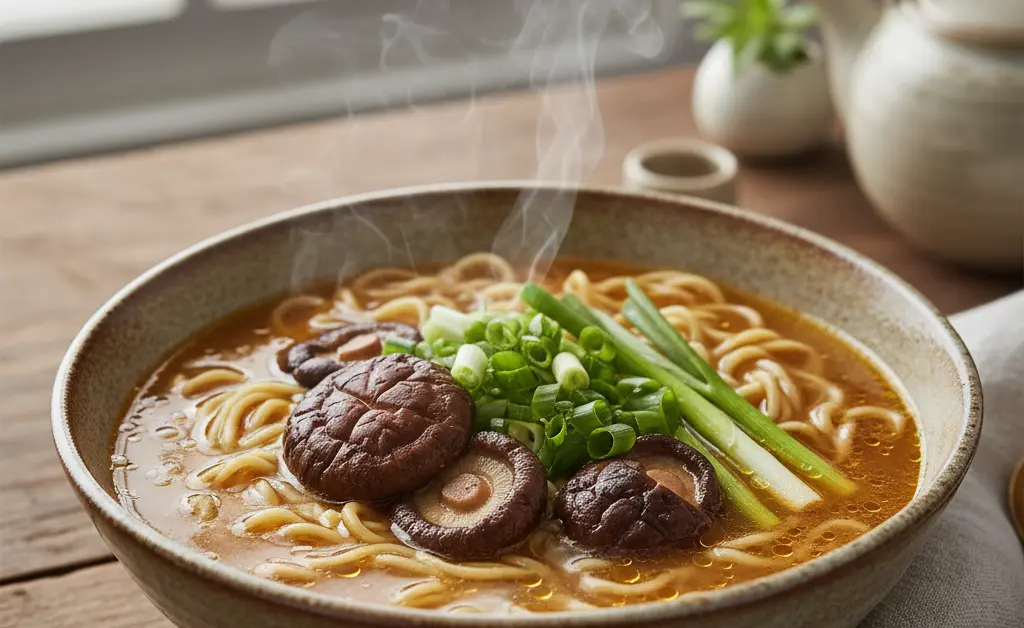
Ramen has become a globally beloved dish, recognized for its rich broths and versatile toppings. While often associated with meat-based broths, the depth of flavor that can be achieved with plant-based ingredients is truly remarkable. Mushrooms, in particular, offer a savory umami quality that can elevate a simple meal into an extraordinary culinary experience. This guide explores how to craft a truly satisfying bowl, highlighting the unique characteristics that make it a favorite for many. Learn to combine earthy shiitake mushrooms with aromatic broths and perfectly cooked noodles, ensuring a wholesome and deeply flavorful dish. Whether you are a seasoned ramen enthusiast or new to homemade preparations, mastering shiitake mushroom ramen promises a delightful and rewarding cooking journey.
Shiitake Mushroom Ramen: The Ultimate Recipe
Crafting the ultimate shiitake mushroom ramen at home is an incredibly rewarding culinary experience. This recipe focuses on balancing the earthy notes of shiitake with a deeply savory broth, creating a meal that is both comforting and complex. The goal is to build layers of flavor, ensuring that every spoonful delivers a harmonious blend of textures and aromas, making it a standout dish for any occasion.
Why You’ll Love Shiitake Mushroom Ramen
There are countless reasons to fall in love with a bowl of homemade shiitake mushroom ramen. It offers a profound umami richness, a quality often sought after in gourmet cuisine, yet easily achievable with these humble fungi. The savory depth of the broth, combined with tender noodles and an array of fresh toppings, creates a hearty and deeply satisfying meal that transcends typical weeknight dinners. Furthermore, it’s incredibly versatile, catering beautifully to vegetarian and vegan preferences without sacrificing flavor or substance. The earthy essence of shiitake mushrooms truly shines, transforming a simple soup into a memorable culinary journey. For those who appreciate savory fungal dishes, a traditional shiitake mushroom soup can also be a comforting choice.
Key Ingredients for Your Flavorful Bowl
The foundation of an exceptional shiitake mushroom ramen lies in selecting the right ingredients. Each component plays a crucial role in building the layered flavors and textures that make this dish so appealing. From the star mushrooms to the accompanying broth and garnishes, thoughtful choices ensure a truly unforgettable bowl. For general dietary information and global health guidelines, refer to resources from the WHO.
Fresh vs. Dried Shiitake Mushrooms
Both fresh and dried shiitake mushrooms offer distinct advantages when preparing ramen. Dried shiitake boast a more concentrated, intense umami flavor and a meatier texture once rehydrated, making them ideal for infusing the broth with deep, complex notes. The soaking liquid from dried shiitake can also be incorporated into your broth for an extra flavor boost. Fresh shiitake, on the other hand, provide a tenderer bite and a more delicate, earthy aroma, perfect for adding directly to the bowl as a topping.
Choosing Your Ramen Broth Base
The broth is the soul of any ramen. For a shiitake mushroom ramen, you have several excellent choices. A traditional Japanese dashi, made from kombu and dried shiitake, forms a light yet incredibly flavorful base. Vegetable stock can also be used, enhanced with miso paste for a creamy, savory depth, or soy sauce and mirin for a classic umami profile. Building a rich, aromatic broth is essential to complement the earthy mushroom flavor.
Noodle Selection: Traditional & Quick Alternatives
The noodles are integral to the ramen experience. Traditional ramen noodles, often made from wheat flour, water, and kansui (alkaline water), provide the characteristic chewiness. These can be found fresh or dried in Asian markets. For quick alternatives, instant ramen noodles (without their seasoning packets) can be a convenient option. Soba or udon noodles can also be used for a different texture, offering flexibility for your homemade shiitake mushroom ramen.
Flavor Boosters & Garnishes
Flavor boosters and garnishes elevate your ramen from good to exceptional. Essential boosters include fresh ginger, garlic, soy sauce, mirin, and sesame oil, which add aromatic complexity and depth to the broth. For garnishes, consider thinly sliced scallions, sheets of nori (seaweed), crisp bok choy, corn, edamame, or a drizzle of chili oil for a spicy kick. These additions provide contrasting textures, vibrant colors, and bursts of fresh flavor. You might also consider exploring a versatile shiitake mushroom sauce to enhance various dishes.
Step-by-Step Guide to Crafting Shiitake Mushroom Ramen
Creating a delicious bowl of shiitake mushroom ramen is an enjoyable process that combines simple steps to produce a sophisticated result. Following these stages ensures a harmonious blend of flavors and textures.
Preparing Your Ingredients
Before you begin cooking, it’s crucial to have all your ingredients prepped. Wash and slice your fresh shiitake mushrooms, or rehydrate dried ones. Mince ginger and garlic, chop scallions, and prepare any other vegetables or toppings. This preparation streamlines the cooking process and allows you to focus on building flavors.
Building the Flavorful Broth
Start by sautéing aromatics like ginger and garlic in a touch of sesame oil to release their fragrances. Add your chosen broth base, whether it’s dashi, vegetable stock, or mushroom soaking liquid. Introduce flavor enhancers such as soy sauce, mirin, and miso paste, allowing the broth to simmer gently and deepen in flavor. This slow infusion is key to a truly rich and savory soup that will define your shiitake mushroom ramen.
Cooking the Noodles to Perfection
Cook your chosen ramen noodles according to package directions, typically in a separate pot of boiling water. It’s important not to overcook them; they should be al dente with a slight chew. Once cooked, drain them immediately and, if desired, rinse briefly to remove excess starch. This ensures the noodles retain their ideal texture when added to the hot broth.
Assembling Your Ramen Bowl
The final step is to assemble your shiitake mushroom ramen bowl. First, place the cooked noodles into your serving bowls. Ladle the hot, flavorful broth over the noodles, ensuring they are fully submerged. Arrange your prepared shiitake mushrooms and other garnishes neatly on top. This presentation makes the dish as appealing to the eye as it is to the palate.
Tips for Perfecting Your Homemade Ramen
Elevating your homemade ramen from good to exceptional often comes down to a few key techniques and considerations. Paying attention to these details can make a significant difference in the final outcome of your shiitake mushroom ramen.
Achieving the Ideal Noodle Texture
The texture of the noodles is paramount in ramen. To achieve the perfect bite, cook them just until they are tender but still retain a slight resistance. Overcooked noodles can become mushy, detracting from the overall experience. Always follow the package instructions, but also taste test frequently, as cooking times can vary. Serving them immediately after cooking into hot broth also helps maintain their integrity.
Don’t Forget the Garnishes!
Garnishes are not merely decorative; they add essential layers of flavor, texture, and visual appeal to your ramen. Fresh scallions provide a pungent crispness, nori offers a hint of sea saltiness, and a soft-boiled egg adds richness. Don’t be afraid to experiment with different combinations to find your favorite additions. A thoughtful selection of garnishes truly completes the experience.
Variations & Customizations for Your Ramen
One of the joys of cooking ramen at home is the ability to customize it to your personal taste and dietary needs. These variations can transform a classic shiitake mushroom ramen into a unique creation.
Making it Vegan or Vegetarian
A shiitake mushroom ramen recipe is inherently well-suited for vegan and vegetarian diets. Ensure your broth base is plant-based (e.g., vegetable stock or kombu dashi without bonito flakes). Miso paste is an excellent vegan flavor enhancer. For creamy richness, consider adding a swirl of tahini or cashew cream. Tofu, tempeh, or additional mushrooms can boost the protein content.
Adding Protein: Tofu, Egg, or Chicken
While delicious on its own, you can easily enhance your ramen with additional protein. Cubed and pan-fried or baked tofu offers a satisfying chew and absorbs broth flavors beautifully. A perfectly soft-boiled egg, with its creamy yolk, is a classic ramen topping. For those who consume meat, thinly sliced pan-seared chicken breast or grilled chicken can also be a delightful addition. Additionally, many enjoy exploring shiitake mushroom recipes for steak as a flavorful accompaniment.
Spicy Kicks and Other Flavor Adjustments
If you enjoy a bit of heat, consider adding a dash of chili oil, sriracha, or gochujang to your ramen. For a different flavor profile, a spoonful of rice vinegar can add brightness, while a squeeze of lime juice can offer a refreshing zest. Experiment with different spices and herbs to discover new dimensions of flavor in your shiitake mushroom ramen.
Serving & Storing Your Shiitake Mushroom Ramen
To enjoy your homemade ramen at its best, serve it immediately while piping hot. The warmth of the broth and the fresh textures of the noodles and garnishes are key to the experience. If you have leftovers, it’s best to store the broth and noodles separately. Cooked noodles can become mushy if left in the broth for extended periods. Keep the broth refrigerated in an airtight container for up to 3-4 days and store cooked noodles separately. Reheat the broth gently and cook fresh noodles, or add previously cooked noodles only at the last minute for optimal texture.
Making ramen at home is a culinary journey that allows for endless creativity and flavor exploration. The depth and warmth of a well-prepared bowl provide comfort and satisfaction. Enjoy the process of crafting and savoring this delightful dish.
This information is provided for educational purposes only. It is not intended to be a substitute for professional medical advice, diagnosis, or treatment. Always seek the advice of your physician or other qualified health provider with any questions you may have regarding a medical condition or health objectives.
FAQ
— How do you prepare shiitake mushrooms for ramen?
To prepare shiitake mushrooms for ramen, gently clean them with a damp cloth to remove any dirt. Remove the tough stems, as they can be chewy, and then slice the caps thinly or into quarters, depending on your preferred texture. This ensures even cooking and allows their earthy flavor to infuse into the broth effectively.
— What kind of noodles are best for shiitake mushroom ramen?
The best noodles for ramen often have a good chew and texture that complements a rich broth. Traditional ramen noodles, typically made from wheat flour, water, and kansui, offer this characteristic springiness. Soba or udon noodles can also be used for a different textural experience, absorbing the savory flavors effectively.
— Can shiitake mushroom ramen be made vegan?
Absolutely, shiitake mushroom ramen can easily be made vegan by ensuring all components are plant-based. The mushrooms themselves are naturally vegan, and the broth can be crafted using vegetable stock, soy sauce, and miso. Many ramen noodles are inherently vegan, but it is always good to check for egg in the ingredients if you are uncertain.
— What ingredients can be added to shiitake mushroom ramen?
Beyond the core components, a variety of ingredients can enhance a bowl of shiitake mushroom ramen. Common additions include fresh greens like bok choy or spinach, corn, bamboo shoots, and toasted nori seaweed for an umami boost. Tofu or tempeh can provide additional protein and texture, making the bowl even more satisfying and well-rounded.
— How long does it take to cook shiitake mushroom ramen?
The cooking time for ramen largely depends on whether you are making the broth from scratch or using a prepared base, and the type of noodles. Typically, preparing a satisfying bowl, including slicing vegetables and cooking noodles, can range from 20 to 45 minutes. If a complex homemade broth is involved, the overall process can take longer.
— Can dried shiitake mushrooms be used in ramen?
Yes, dried shiitake mushrooms are excellent for ramen and are often preferred by chefs for their concentrated umami flavor. They need to be rehydrated in warm water before use, a process that also creates a flavorful liquid called dashi, which can then be incorporated into your broth. This rehydration liquid adds a profound depth that fresh mushrooms might not offer on their own.
— What is the best broth base for shiitake mushroom ramen?
For shiitake mushroom ramen, a rich and savory broth base is ideal to complement the mushrooms’ earthy notes. Miso-based broths, with their fermented soy paste foundation, provide a deeply umami and slightly sweet flavor. A soy sauce-based shoyu broth or a clear kombu dashi can also beautifully highlight the distinct taste of shiitake.