

Imagine starting your day, perhaps blending a nutrient-rich smoothie or steeping a warm herbal tea, while contemplating ways to support your overall health naturally. Many individuals are increasingly turning to functional ingredients derived from nature, seeking to enhance their well-being through daily choices. Among the vast array of natural options, certain fungi have gained significant attention for their profound health-supporting compounds. This growing interest often leads to exploring the benefits offered by the humble turkey tail mushroom. Specifically, the potent components found within, known collectively as the turkey tail mushroom polysaccharide, represent a key area of scientific inquiry and popular use. These complex carbohydrates are at the forefront of research into immune modulation and cellular health, promising a natural avenue for bolstering the body’s intrinsic defenses. Understanding these unique compounds can illuminate how they contribute to a robust and resilient physiological state, making them a valuable addition to a wellness-focused lifestyle.
Understanding Turkey Tail Mushroom Polysaccharides
The intricate world of functional fungi often highlights specific bioactive compounds responsible for their perceived benefits. Within the revered turkey tail mushroom, these compounds are primarily a diverse group of complex carbohydrates known as polysaccharides. These aren’t just simple sugars; rather, they are long chains of monosaccharides linked together, forming molecules that interact with various biological systems. Research has increasingly focused on the unique properties of the turkey tail mushroom polysaccharide, recognizing its significant role in the mushroom’s overall profile. These complex structures are integral to the mushroom’s cellular framework and are extensively studied for their biological activity, especially their interaction with the immune system, with many studies supported by organizations like the NIH.
Key Polysaccharide Components
Among the many polysaccharides identified in turkey tail mushrooms, several stand out due to extensive scientific interest. The most well-known are beta-glucans, which are widely recognized across the realm of medicinal mushrooms for their immune-modulating properties. Additionally, specific protein-bound polysaccharides, such as Polysaccharide K (PSK) and Polysaccharide Peptidoglycan (PSP), have garnered particular attention. These glycans are distinct for their unique structures and the ways they may interact with the body’s physiological processes, often linked to cellular communication and defense mechanisms. Understanding these key components is crucial for appreciating the broader potential of these natural compounds.
Contribution of Natural Fiber
Beyond their role as active compounds, the polysaccharides in turkey tail mushrooms also contribute significantly to the mushroom’s natural fiber content. This fiber is an essential dietary component that supports digestive wellness and contributes to a healthy gut microbiome. As a form of prebiotic fiber, these polysaccharides can nourish beneficial gut bacteria, indirectly influencing overall health. The presence of this natural fiber underscores the holistic value of consuming the whole mushroom or its extracts, offering a blend of both direct and indirect health-supporting properties that extend beyond specific bioactive molecules.
Health Benefits of Turkey Tail Mushroom Polysaccharides
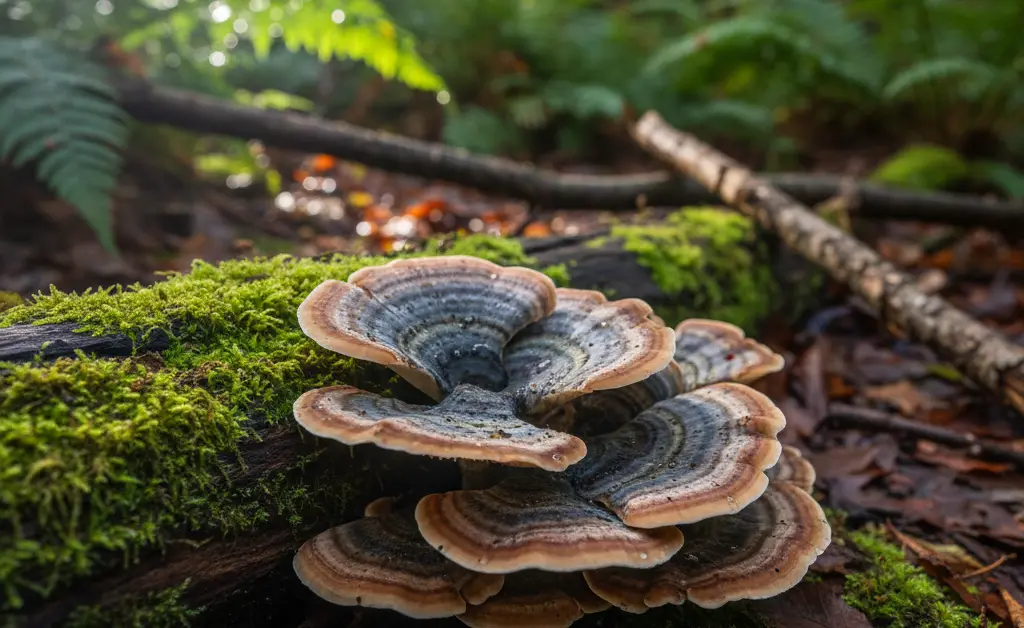
The broad array of compounds found in the turkey tail mushroom, particularly its complex polysaccharides, are associated with a range of potential health advantages. These benefits often stem from the mushroom’s capacity to interact with and support the body’s natural defense systems. The turkey tail mushroom polysaccharide has been a subject of extensive research, exploring its influence on various physiological functions and its potential to contribute to overall well-being. Individuals often seek out these compounds for their role in promoting a robust internal environment. This interest has been amplified in popular culture, with discussions around turkey tail mushroom Joe Rogan often highlighting its benefits.
Antioxidant Properties
The turkey tail mushroom is rich in various antioxidant compounds, including phenolic compounds and flavonoids. These substances are crucial for neutralizing free radicals, unstable molecules that can cause cellular damage over time. By supporting the body’s antioxidant defenses, turkey tail mushroom polysaccharides may help protect cells from oxidative stress. This protective effect is a fundamental aspect of maintaining cellular integrity and contributes to the body’s natural resilience against environmental challenges.
Support for Cellular Health
A significant area of interest concerning turkey tail mushroom polysaccharides is their studied capacity to support cellular health. The specific beta-glucans and protein-bound polysaccharides found within the mushroom are thought to interact with immune cells, potentially influencing their activity and communication. This cellular support may contribute to the maintenance of healthy cell function and overall tissue integrity. The mechanisms involve complex pathways that researchers continue to explore, highlighting the intricate ways these natural compounds may benefit the body at a foundational level.
Turkey Tail Polysaccharides for Dogs
The benefits associated with turkey tail mushroom polysaccharides are not exclusive to human beings; similar immune support properties have been explored for companion animals, particularly dogs. Owners and veterinarians have shown interest in incorporating mushroom supplements, including those derived from turkey tail, into their pets’ wellness routines. These compounds are studied for their potential to help bolster the immune systems of dogs, potentially aiding their natural defenses and contributing to their vitality. Any introduction of supplements for pets should always be discussed with a qualified veterinary professional.
Turkey Tail Polysaccharides for Human Beings
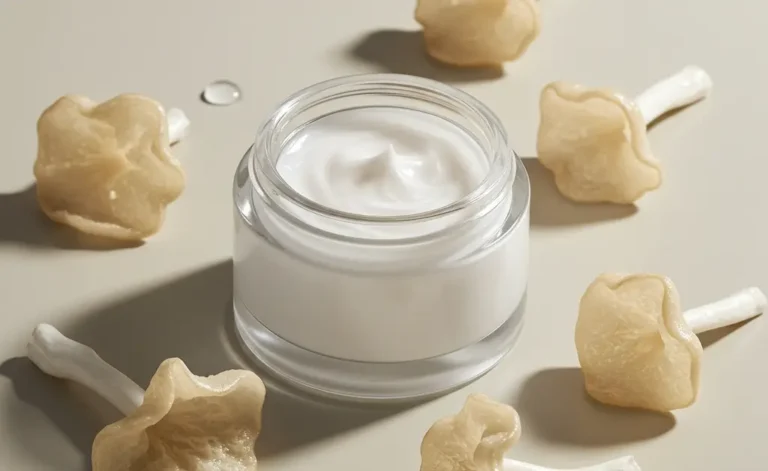
For human beings, the primary draw of turkey tail mushroom polysaccharides lies in their profound potential for immune support. These compounds have been traditionally used and are now the subject of modern research for their capacity to modulate the immune response. Beyond immune function, there is also interest in their potential to support gut health, partly due to their prebiotic fiber content, which can positively influence the gut microbiome. Additionally, some anecdotal reports and preliminary studies suggest broader wellness benefits, including potential support for skin health and general vitality, making them a popular natural health adjunct. Understanding exactly what does turkey tail mushroom do for the body is crucial for those integrating it into their wellness routines.
Forms, Products, and Usage of Turkey Tail Polysaccharides

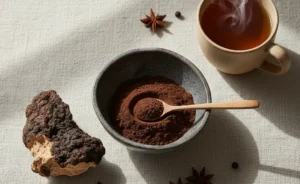
Turkey tail mushroom polysaccharides are widely available in various forms, reflecting the growing interest in this functional ingredient. The most common products include concentrated extracts and finely ground powders, each offering different considerations for consumption. When exploring different options, consumers often evaluate the concentration of the active compounds, which is frequently indicated by extract ratios. For instance, an extract may be presented as a concentrated form where more of the raw mushroom material is used to produce a smaller quantity of the final product, aiming for higher potency of the turkey tail mushroom polysaccharide. Quality indicators, such as organic certification, are also important, as they speak to how the mushrooms were cultivated and processed, ensuring purity and minimizing contaminants. Regardless of the form, these products are typically integrated into daily routines through beverages, meals, or direct supplementation, always with an eye towards supporting overall wellness.
Potential Side Effects and Considerations of Turkey Tail Polysaccharides

While turkey tail mushroom polysaccharides are generally considered well-tolerated by most individuals, it is important to be aware of potential side effects and considerations. Some people may experience mild digestive upset, such as gas or bloating, especially when first introducing mushroom supplements into their routine. There are also considerations regarding product composition; for example, some products might primarily consist of mycelium grown on grain, which can differ from extracts made from the mushroom’s fruiting body in terms of polysaccharide content and overall profile. In rare cases, individuals with specific sensitivities or allergies to mushrooms may experience adverse reactions. It is always prudent to consult with a healthcare professional before beginning any new supplement regimen, especially for those with existing health conditions or who are taking other medications. This precaution helps ensure the supplement is appropriate for individual needs and avoids potential interactions or unintended effects. Questions about who should not take turkey tail mushrooms are best addressed by a medical expert, as individual health circumstances can vary significantly.
The exploration of turkey tail mushroom polysaccharides continues to reveal their multifaceted potential in supporting human and animal health. From their role in immune modulation to their antioxidant properties and contribution to gut health, these natural compounds underscore the profound benefits that functional fungi can offer. As research progresses, a deeper understanding of their mechanisms of action and optimal integration into wellness practices is emerging, solidifying their place as a valuable natural resource for enhancing vitality and resilience.
This information is provided for educational purposes only. It is not intended as medical advice, nor does it replace professional medical guidance or treatment. Always consult with a qualified healthcare provider for any health concerns or before making any decisions related to your health or treatment plan.
FAQ
— What benefits do turkey tail mushroom polysaccharides provide?
Turkey tail mushroom polysaccharides are extensively studied for their remarkable support of immune system function. These complex carbohydrates interact with various immune cells, helping to modulate and balance the body’s natural defenses. Research indicates their relevance in promoting overall cellular health and resilience.
— Can turkey tail mushroom polysaccharides be used for dogs?
Interest in the potential applications of turkey tail mushroom polysaccharides extends to canine wellness, with various studies exploring their use in veterinary contexts. These investigations often focus on immune system support and general vitality for dogs. It’s important for pet owners to consult with a veterinarian to understand appropriate approaches.
— What are the main components found in turkey tail polysaccharide products?
Products derived from turkey tail are primarily valued for their polysaccharide content, particularly beta-glucans. These specific complex sugar molecules, like PSK (Polysaccharide-K) and PSP (Polysaccharopeptide), are recognized for their unique structures that interact with immune cells. The presence of these active compounds is why the turkey tail mushroom polysaccharide is so often highlighted in discussions about immune support.