Just as understanding the ingredients and proper preparation is crucial when cooking a meal, navigating the world of dietary supplements requires similar attention to detail. Among these, turkey tail mushrooms have gained considerable attention for their purported health benefits. However, simply knowing about them isn’t enough; consumers need clear guidance on the various forms available, from powders to capsules, and the appropriate dosage. This article aims to demystify the process, ensuring you can make informed decisions when considering turkey tail mushroom vitamins. We will explore how to select quality products, understand their potential effects, and safely integrate them into a wellness regimen, providing essential information for anyone interested in harnessing their properties.
Forms, Dosage, and Selecting Quality Turkey Tail Mushroom Vitamins
When considering the integration of turkey tail mushroom vitamins into a personal wellness routine, understanding the various forms, appropriate usage, and how to identify high-quality products is paramount. This section delves into these critical aspects, offering a comprehensive guide for potential users.
Turkey Tail’s Role in Dietary Supplements
Turkey tail mushroom, scientifically known as Trametes versicolor or Coriolus versicolor, is a medicinal mushroom that has been utilized in traditional wellness practices for centuries. Its growing popularity in modern dietary supplements stems from its rich profile of active compounds, particularly polysaccharides like Polysaccharide Krestin (PSK) and Polysaccharide Peptide (PSP). These compounds are extensively studied for their potential to support various bodily functions, making turkey tail a prominent ingredient in the realm of natural health supplements. Consumers often seek out turkey tail for its broad spectrum of potential health benefits, ranging from immune support to antioxidant properties. For those interested in a comprehensive understanding of what turkey tail offers, exploring its turkey tail mushroom nutrition facts can be highly informative.
Turkey tail mushroom capsules benefits
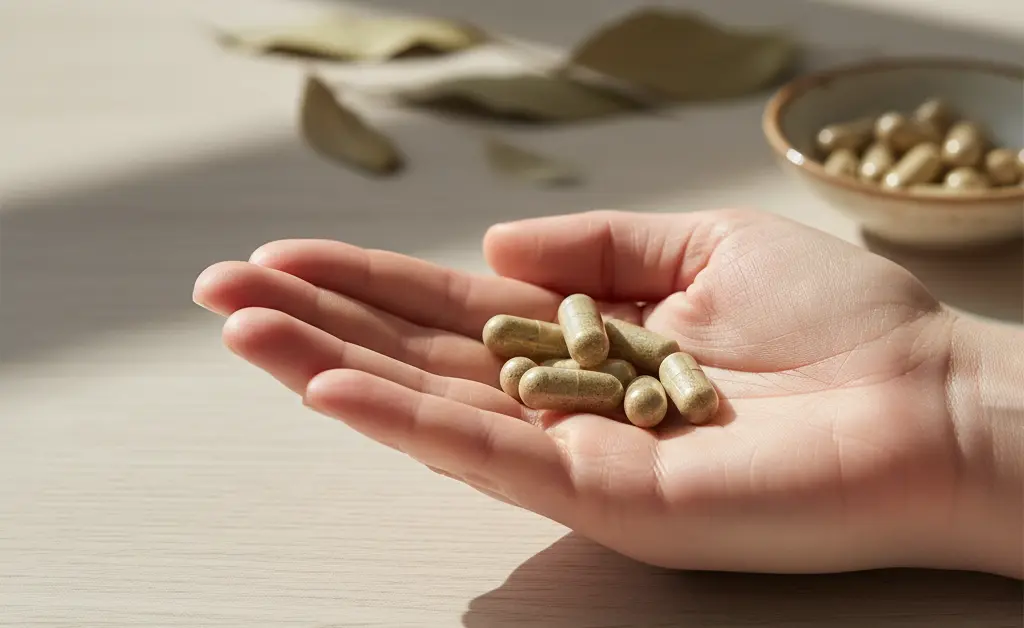
Turkey tail mushroom capsules offer a convenient and standardized way to consume this fungi. Encapsulated forms typically contain either powdered mycelium, fruiting body, or concentrated extracts. The primary benefits associated with turkey tail mushroom in capsule form often relate to its potential to support immune function. The beta-glucans and other polysaccharides present, such as PSP and PSK, are thought to contribute to its adaptogenic properties and ability to modulate the body’s natural defenses. Many individuals consider these capsules for their ease of use and precise delivery of active compounds, making them a popular choice for those looking to support their overall wellness and vitality.
Beyond immune support, research explores various other potential health benefits of turkey tail. This includes its antioxidant properties, which may help protect cells from oxidative stress. Some studies also investigate its potential role in supporting gut health, possibly due to its prebiotic-like effects. The convenience of capsules ensures that individuals can consistently incorporate this medicinal mushroom into their daily regimen without the need for extensive preparation, making it an accessible option for maintaining a balanced lifestyle.
Available Forms of Turkey Tail Supplements (Extracts, Powders, Capsules)
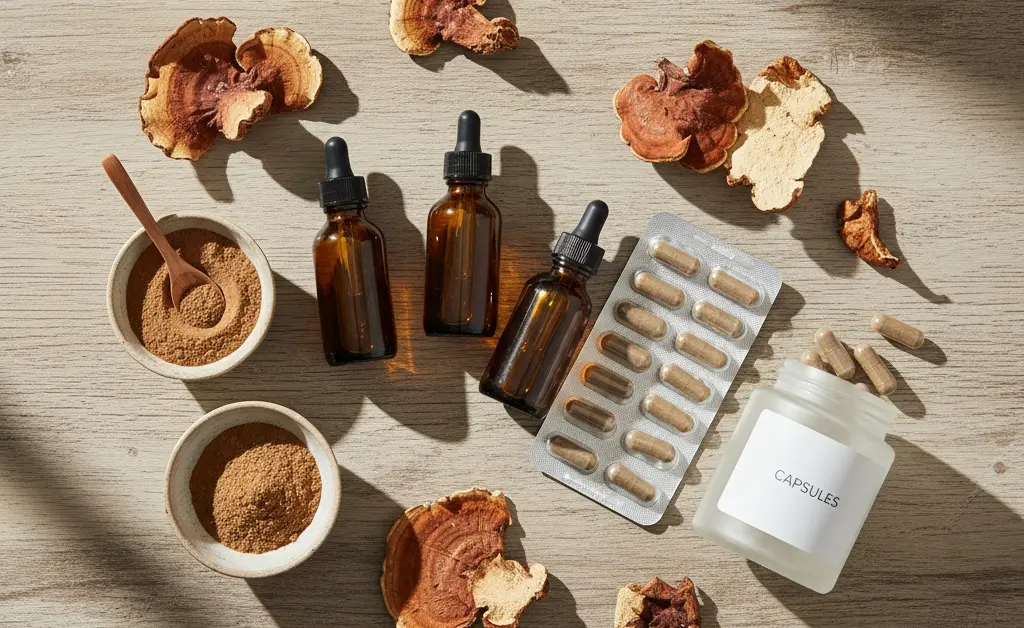
Turkey tail supplements are available in several forms, each with distinct characteristics and methods of consumption. Understanding these variations helps consumers choose the product that best fits their lifestyle and preferences.
- Extracts: Often available as liquid tinctures or concentrated powders, extracts are typically made by simmering the mushrooms to draw out beneficial compounds. This process, known as extraction, can enhance the bioavailability of certain active ingredients, such as Polysaccharide Krestin (PSK) and Polysaccharide Peptide (PSP). Extracts are often more potent and may be preferred for targeted support.
- Powders: Finely ground turkey tail mushroom powder can be incorporated into foods, smoothies, or beverages. This form may contain the whole mushroom, including the fruiting body and mycelium. While less concentrated than extracts, powders offer a versatile way to consume the mushroom and retain its full spectrum of nutrients, including fiber.
- Capsules: As discussed, capsules provide a convenient and pre-measured dose of turkey tail. They typically contain either powdered mushroom material or a standardized extract. Capsules are ideal for individuals seeking an easy, tasteless way to integrate turkey tail into their daily routine, ensuring consistent intake.
General Dosage Guidelines
Determining the appropriate intake for turkey tail mushroom supplements is an important consideration for consumers. Manufacturers typically provide suggested amounts on their product labels, which serve as a starting point. These recommendations are generally based on the concentration of active compounds, such as beta-glucans, PSP, and PSK, present in the specific formulation. It is always advisable to follow the product’s instructions and consider individual needs and responses when incorporating any new supplement into a routine. Consultation with a qualified professional can provide personalized guidance regarding suitability and potential usage strategies.
Common Side Effects
While turkey tail mushroom supplements are generally well-tolerated, some individuals may experience mild side effects. These can vary depending on the person’s sensitivity and the specific product formulation. Commonly reported, though infrequent, side effects may include digestive discomfort, such as bloating, gas, or changes in stool consistency. In rare instances, some individuals might experience mild allergic reactions. It is important to discontinue use and consult with a healthcare provider if any adverse reactions occur.
Turkey tail mushroom liver toxicity
Concerns about liver toxicity related to turkey tail mushroom supplements are occasionally raised, as with many dietary supplements. Current research and extensive traditional use generally indicate that turkey tail mushroom, particularly high-quality extracts like PSP and PSK, has a favorable safety profile when used appropriately. However, the liver plays a central role in metabolizing all substances consumed, including supplements. While specific studies demonstrating widespread liver toxicity from turkey tail are not common, it is always prudent for individuals with pre-existing liver conditions or those taking medications that affect liver function to exercise caution. Monitoring for any unusual symptoms and discussing supplement use with a healthcare professional can help mitigate potential risks. Reliable health information on supplements and their effects can often be found from reputable organizations like the NIH.
Potential Drug Interactions
Individuals taking prescription medications should be aware of potential interactions with turkey tail mushroom supplements. Although generally considered safe, the active compounds in turkey tail, particularly its immune-modulating polysaccharides, might theoretically interact with certain types of drugs. For instance, those on immunosuppressants or anticoagulants should exercise particular caution. The mushroom’s potential effects on blood clotting or immune response could alter the effectiveness of these medications. It is crucial to consult a healthcare provider before combining turkey tail mushroom with any ongoing medication to ensure safety and avoid unintended consequences.
Contraindications and Warnings
Despite its widely recognized health benefits, certain situations warrant caution or contraindicate the use of turkey tail mushroom supplements. Individuals with autoimmune conditions should approach turkey tail with care, as its immune-modulating properties might not be suitable for everyone in this group. Similarly, pregnant or nursing individuals are generally advised to consult a healthcare professional before use due to limited safety data in these populations. People undergoing chemotherapy or radiation therapy should also discuss turkey tail supplementation with their oncology team, as its effects might impact treatment efficacy or side effects. Always prioritize professional medical advice when considering supplements during significant health conditions or life stages.
Who should not take turkey tail mushroom supplements?
While many individuals can safely incorporate turkey tail mushroom into their wellness routine, certain groups should avoid or use these supplements with extreme caution. This includes individuals with known allergies to mushrooms, as an allergic reaction could occur. People with organ transplant history or those on immunosuppressant drugs should typically avoid turkey tail due to its immune-modulating effects, which could interfere with anti-rejection medications. As previously mentioned, pregnant and breastfeeding individuals, as well as those with autoimmune diseases, should seek professional medical advice before considering turkey tail mushroom vitamins. It is always best to err on the side of caution and consult a healthcare provider to assess individual suitability and potential risks.
Tips for Choosing a Quality Supplement
Selecting a high-quality turkey tail mushroom supplement is essential to ensure efficacy and safety. Consumers should look for products that clearly state the source of the mushroom, whether it’s grown organically, and if it utilizes the fruiting body, mycelium, or both. Third-party testing for purity and potency is a strong indicator of a reputable brand, verifying the absence of contaminants like heavy metals or pesticides and confirming the presence of active compounds like beta-glucans, Polysaccharide Peptide (PSP), and Polysaccharide Krestin (PSK).
Additionally, examine the form of the supplement—extracts often specify their concentration, while powders and capsules should list the amount of mushroom material per serving. Products made with hot water extraction or dual extraction methods are often preferred for maximizing the availability of beneficial compounds. Transparency in labeling, including clear ingredient lists and manufacturing practices, helps consumers make informed choices when purchasing turkey tail mushroom vitamins.
The journey through the world of turkey tail mushroom vitamins reveals a landscape rich with potential, yet requiring careful navigation. From understanding the nuances of different forms like extracts and capsules to discerning appropriate general guidelines and potential interactions, informed decision-making is key. By prioritizing quality, respecting individual health considerations, and seeking professional guidance when necessary, individuals can thoughtfully integrate turkey tail into their pursuit of wellness. This approach ensures that the pursuit of health benefits from this revered medicinal mushroom is both safe and effective.
While this article discusses health-related topics, it does not provide medical guidance. The information presented is for informational purposes only and is not intended to be a substitute for professional medical advice, diagnosis, or treatment. Always seek the advice of a qualified healthcare provider for any questions regarding a medical condition or before making any decisions related to your health or treatment. Never disregard professional medical advice or delay in seeking it because of something you have read in this article.
FAQ
— Is turkey tail mushroom classified as a vitamin or supplement?
Turkey tail mushroom is primarily recognized as a functional mushroom, rather than a vitamin itself. It is widely used as a dietary supplement, incorporated into wellness routines for its unique properties. While it contains various nutrients, its primary classification is based on its bioactive compounds, not as a source of specific turkey tail mushroom vitamins.
— Are there any side effects from taking turkey tail mushroom?
Most individuals tolerate turkey tail mushroom well, with side effects being uncommon and generally mild. Some people might experience minor digestive upset, such as gas or bloating. It’s always a good practice to be mindful of how your body responds to any new supplement.
— How should turkey tail mushroom supplements be taken?
Information regarding the consumption of turkey tail mushroom supplements is typically provided on the product’s packaging. These guidelines are designed to help you integrate the supplement into your routine as intended by the manufacturer. For personalized advice, discussing your specific health needs with a healthcare professional is often recommended.