Exploring natural ingredients for enhanced well-being often leads to ancient remedies supported by modern science. Among these, the turkey tail mushroom stands out for its well-documented immune-modulating properties and rich array of antioxidants. When processed into an easily applicable or consumable form, such as turkey tail mushroom oil, its potent compounds can be more readily integrated into daily routines. This guide delves into the specific advantages this specialized oil offers, examining its potential applications for health and vitality. We will explore how individuals might incorporate this unique botanical extract, discussing its benefits, practical uses, and providing insights on where to acquire high-quality products to support a holistic approach to wellness.
Understanding Turkey Tail Mushroom Oil
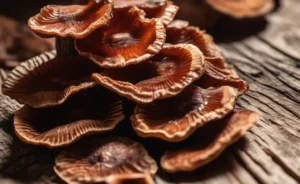
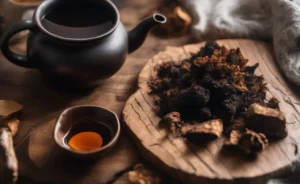
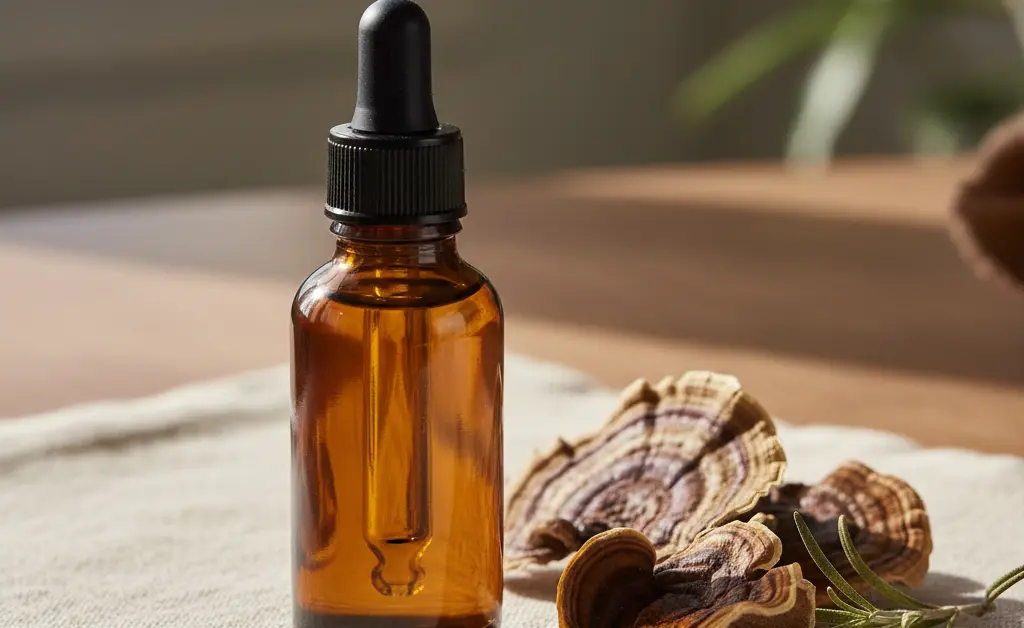
Turkey tail mushroom oil represents a concentrated form of the beneficial compounds found in the Coriolus versicolor fungus, infused into a carrier oil. This preparation method aims to make the fat-soluble components of the mushroom, along with some water-soluble elements, more bioavailable and easier to integrate into various applications. The creation of turkey tail mushroom oil typically involves careful extraction methods, such as maceration or infusion, where dried or powdered mushroom material, often derived from the fruiting body or mycelium, is steeped in a high-quality carrier oil like olive oil, coconut oil, or jojoba oil for an extended period. This process allows the oil to absorb the valuable turkey tail compounds, including a range of polysaccharides and beta-glucans, which are well-known for their potential to offer Turkey Tail and Immune Support. The resulting oil provides a unique way to harness the properties of this medicinal mushroom.
Extraction Methods for Quality Turkey Tail Oil
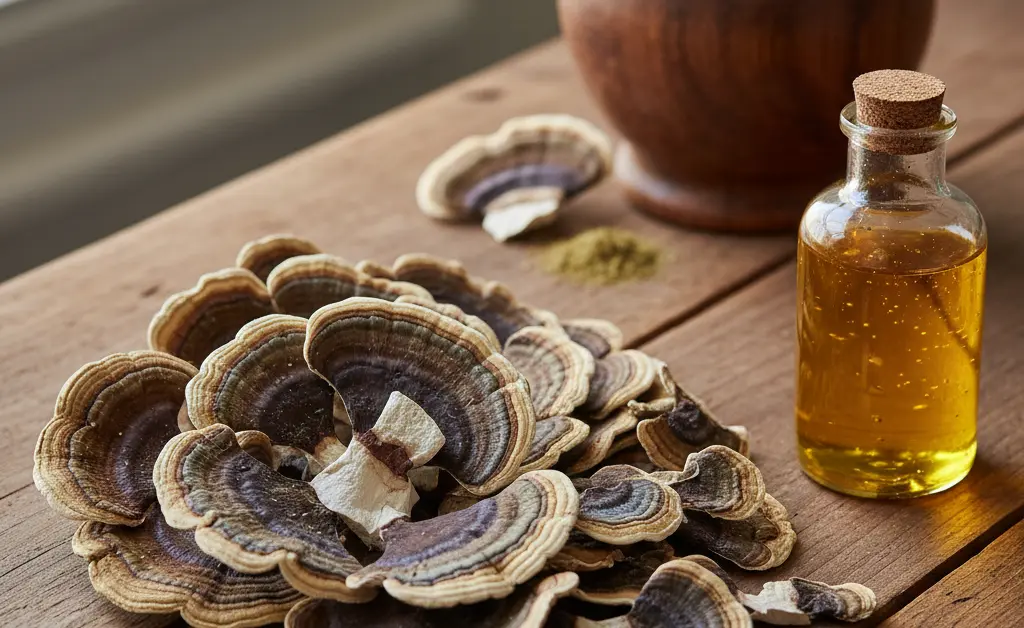
The quality and efficacy of turkey tail mushroom oil largely depend on the extraction methods employed. Traditionally, infusions and macerations have been used to create botanical oils. For turkey tail, a dual extraction method is often preferred for tinctures and other liquid extracts to capture both water-soluble and alcohol-soluble compounds. However, for oil formulations, specific techniques are adapted to ensure that the beneficial fungal properties are transferred effectively to the carrier oil. This might involve low-heat infusions to preserve the integrity of heat-sensitive compounds, or using powdered mushroom extract to maximize surface area contact. Reputable producers of mushroom supplements and extracts often specify their extraction methods, giving consumers confidence in the potency of their turkey tail mushroom oil.
Potential Benefits of Turkey Tail Mushroom Oil
Immunomodulatory Properties
One of the most researched aspects of the turkey tail mushroom is its potential role as an immunomodulator. The rich content of Polysaccharides, particularly Polysaccharide K (PSK) and Polysaccharide Peptides (PSP), in the whole mushroom and its extracts, has been widely studied for their ability to support immune system function. When these compounds are present in turkey tail mushroom oil, they may contribute to a balanced and responsive immune system. This support can be especially valuable for maintaining overall wellness. Many individuals, including women, explore specific turkey tail mushroom benefits for women, often related to hormonal balance or specific health concerns.
Antioxidant and Anti-inflammatory Effects
Turkey tail mushrooms are also known for their significant antioxidant capacity. Antioxidants help to neutralize free radicals in the body, which can contribute to cellular damage. Furthermore, studies suggest that components within Coriolus versicolor may possess anti-inflammatory properties. Incorporating turkey tail mushroom oil could therefore offer a dual benefit of protection against oxidative stress and support for the body’s natural inflammatory responses, contributing to general well-being and cellular health. Information on the safety and efficacy of natural health products is often evaluated by authoritative bodies like EFSA in Europe.
Gut Health Support
Emerging research indicates that certain compounds in turkey tail, including prebiotics, may contribute to a healthy gut microbiome. A balanced gut environment is crucial for overall health, influencing everything from digestion to immune function. While more targeted studies are needed specifically on turkey tail mushroom oil, the potential for these fungal properties to support gut health through its constituents offers another layer of potential benefits for those seeking a holistic approach to wellness.
Common Uses and Applications
Topical Application
Turkey tail mushroom oil can be applied topically to the skin. Due to its potential anti-inflammatory and antioxidant properties, it may be used to nourish and soothe the skin. It can be incorporated into massage oils, balms, or directly applied to areas needing care. This method allows for localized application of the botanical’s beneficial compounds, making it a versatile addition to personal care routines. When using turkey tail mushroom oil topically, it is always advisable to perform a patch test first to ensure no adverse reactions occur. Further exploration of these and other turkey tail mushroom uses can provide a comprehensive understanding of its versatility.
Internal Consumption
While often found in powder or capsule forms, turkey tail mushroom oil can also be consumed orally. When intended for internal use, it is typically taken as a liquid extract or added to foods and beverages. This allows the adaptogenic and immunomodulatory properties of the medicinal mushrooms to be absorbed systemically. As with any supplement, ensuring the product is formulated for internal consumption and following guidance from a qualified health professional is important for safe and effective use of turkey tail mushroom oil. For families, understanding if turkey tail mushroom is safe for kids is a common consideration, always best discussed with a pediatrician.
Where to Find High-Quality Turkey Tail Mushroom Oil
When seeking to purchase turkey tail mushroom oil, prioritizing quality is paramount. Look for reputable brands that clearly state their sourcing and extraction methods. Products made from organic mushrooms are often preferred, ensuring that the fungi have been cultivated without harmful pesticides or chemicals. Checking for third-party testing and certifications can also provide assurance regarding purity and potency. Consumers should look for labels that specify the type of mushroom extract (e.g., fruiting body or mycelium) and the carrier oil used in the infusion. High-quality mushroom supplements, including turkey tail mushroom oil, are typically available from specialty health food stores, online retailers specializing in botanicals and fungi, and directly from manufacturers who are transparent about their processes.
This information is provided for educational purposes only. It is not intended to be a substitute for professional medical advice, diagnosis, or treatment. Always seek the advice of your physician or other qualified health provider with any questions you may have regarding a medical condition. Never disregard professional medical advice or delay in seeking it because of something you have read in this article.
FAQ
What makes functional mushrooms different from culinary mushrooms?
Functional mushrooms are distinguished by their concentration of specific bioactive compounds, such as polysaccharides and triterpenes, which are studied for their unique health-supporting properties beyond basic nutrition. While all mushrooms offer some nutritional value, functional varieties are selected and utilized specifically for these more concentrated benefits. They are valued for their potential roles in various physiological systems within the body.
How do functional mushrooms contribute to overall wellness?
Functional mushrooms are known for their adaptogenic qualities and immunomodulating compounds, which can help the body maintain balance and respond to stressors. These natural substances interact with the body’s systems, supporting its inherent capacity for resilience and promoting a state of equilibrium. Their widespread influence contributes to a holistic sense of well-being.
What is the significance of beta-glucans in mushroom extracts?
Beta-glucans are a primary class of polysaccharides found in functional mushrooms, recognized for their well-researched role in immune system modulation. These compounds interact with immune cells, helping to support a balanced and responsive immune defense without overstimulation. The presence of these unique carbohydrates is often a key indicator of an extract’s functional potential.
Can turkey tail mushroom be used for purposes other than internal consumption?
While internal consumption is the most common application, certain compounds from turkey tail mushroom are being explored for external uses. For instance, turkey tail mushroom oil might be developed for topical applications, leveraging its beneficial properties for skin health. Such formulations aim to deliver the mushroom’s compounds directly to the skin’s surface.
Are there specific components in mushrooms that are relevant to skin health?
Many functional mushrooms contain antioxidants, polysaccharides, and other compounds that are relevant to supporting skin health. These components can help protect the skin from environmental stressors and maintain its natural barrier function. Their presence contributes to the skin’s overall vitality and appearance.