Many people wonder whether Cordyceps mushroom is legal, especially as its popularity continues to grow in dietary supplements and wellness products around the world. In most countries, Cordyceps is considered a natural functional mushroom and is generally legal to possess, consume, and sell because it is not classified as a psychoactive or controlled substance. However, the exact legal status can vary depending on local regulations, food supplement laws, and import rules in different regions. This article explains the legal status of Cordyceps mushroom, including how it is regulated in different jurisdictions and what consumers should know before buying, selling, or using it.
Is Cordyceps Mushroom Legal?
Yes, the cordyceps mushroom is broadly legal across the United States. Unlike certain botanical or fungal substances that are subject to strict controls, cordyceps is not classified as a controlled substance under federal law. Its non-psychoactive nature is a key factor in this legal status. For general health information, consumers can consult resources like the NHS. Consumers can generally purchase and possess cordyceps in various forms, including whole mushrooms, powders, extracts, and tinctures, without legal repercussions. This widespread availability reflects its standing as a functional mushroom, often grouped with other natural products and adaptogens recognized for their traditional use and presence in dietary supplements. Delving into the cordyceps mushroom origin reveals fascinating historical contexts.
Have Cordyceps Been Banned?
There is no federal or widespread state-level ban on cordyceps. The notion of a cordyceps mushroom banned status is inaccurate, as it is widely accepted and available. It has a long history of traditional use and is generally recognized as a dietary ingredient. This contrasts sharply with substances that are explicitly prohibited or restricted due to their psychoactive properties or potential for abuse. Regulatory bodies, such as the FDA, oversee the safety and labeling of products containing cordyceps, but do not classify the mushroom itself as illegal or banned from general consumption or sale.
The Federal and State Legal Status of Cordyceps
The legal landscape for cordyceps mushroom legal status is primarily shaped by federal and state regulations that govern food, dietary supplements, and natural products. Its classification as a functional mushroom, rather than a psychoactive or controlled substance, significantly influences its accessibility and commercialization.
Federal Classification and Regulations
At the federal level, cordyceps is generally treated as a dietary ingredient or food item, falling under the purview of the Food and Drug Administration (FDA). The FDA does not list cordyceps as a controlled substance, meaning its cultivation, possession, sale, and consumption are not prohibited under federal law. Instead, products containing cordyceps must comply with regulations concerning dietary supplements, including good manufacturing practices (GMPs), labeling accuracy, and safety standards. This framework is designed to ensure product quality and consumer safety, rather than to restrict access to the mushroom itself. This also means cordyceps is considered a “functional mushroom,” similar to reishi and chaga, which are also legal and widely available. For those curious about how it compares, you can learn more about cordyceps mushroom vs lions mane.
State-Specific Legal Considerations
While federal law establishes a broad framework, individual states can enact their own regulations concerning the sale and distribution of certain products. However, for cordyceps, state laws largely mirror federal guidelines. There are no known states that have specifically outlawed cordyceps. Most state regulations focus on aspects such as consumer protection, business licensing, and potentially specific labeling requirements for dietary supplements, rather than banning the raw material itself. This consistency ensures that the cordyceps mushroom legal status remains stable across different jurisdictions, allowing for its uniform availability. While this article focuses on the US, legalities can differ; for instance, understanding cordyceps mushroom UK law provides a different perspective.
Local and Regional Variations
Even within states, local ordinances or regional health department guidelines might exist, although these are rarely specific to individual functional mushrooms like cordyceps. Such regulations typically pertain to general food safety, business operations, or permits for commercial establishments. It is highly unlikely for any local jurisdiction to impose a ban on cordyceps, given its established legal status at both federal and state levels. Any variations would likely be administrative, focusing on compliance with general health and safety standards applicable to all food and supplement businesses.
Cordyceps in Commercial Products and Supplements
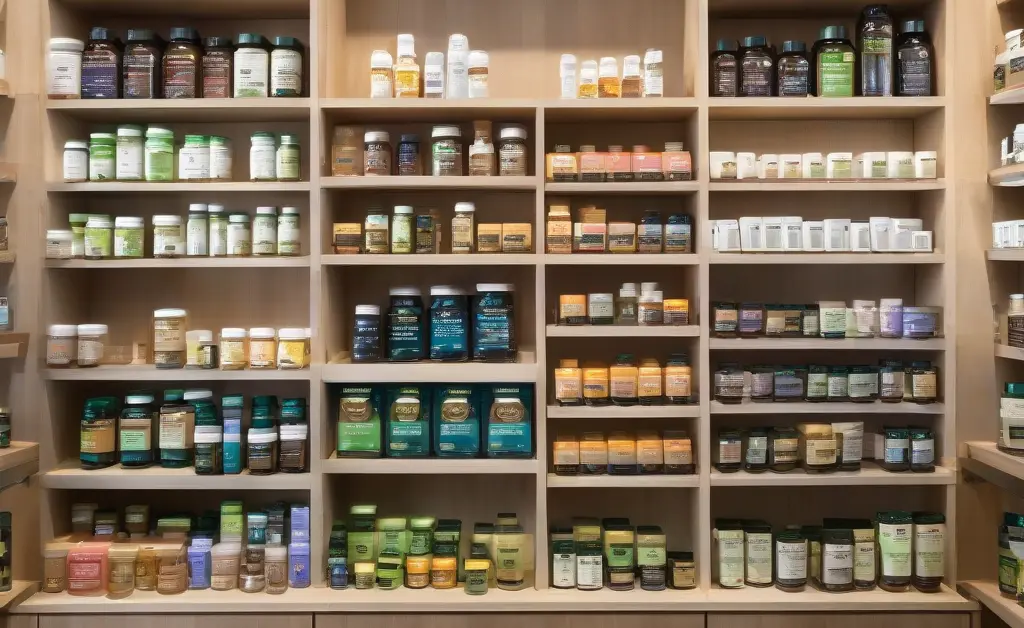
The widespread presence of cordyceps in commercial products underscores its clear legal standing. From health food stores to online retailers, various forms of cordyceps are readily available, reflecting consumer interest in functional mushrooms and adaptogens. The cordyceps mushroom legal framework allows for this commercial distribution, provided that products meet relevant regulatory standards.
Legality of Cordyceps Supplements
Cordyceps supplements are legal to produce, distribute, and sell, subject to the regulations set forth by the FDA for dietary supplements. These regulations require manufacturers to ensure their products are safe, properly labeled, and not adulterated or misbranded. This includes verifying the purity and potency of cordyceps extracts and tinctures used in supplements. Understanding the different cordyceps mushroom types is useful for consumers. The FDA does not approve dietary supplements before they are marketed, but it does monitor product safety after they are on the market. Manufacturers are responsible for substantiating the safety and effectiveness of their products. This regulatory environment allows for innovation in natural products while aiming to protect public health. The market also includes novel foods like mushroom gummies containing cordyceps, which are legal provided they adhere to the same stringent dietary ingredient guidelines.
Distinguishing Cordyceps from Controlled or Psychoactive Mushrooms
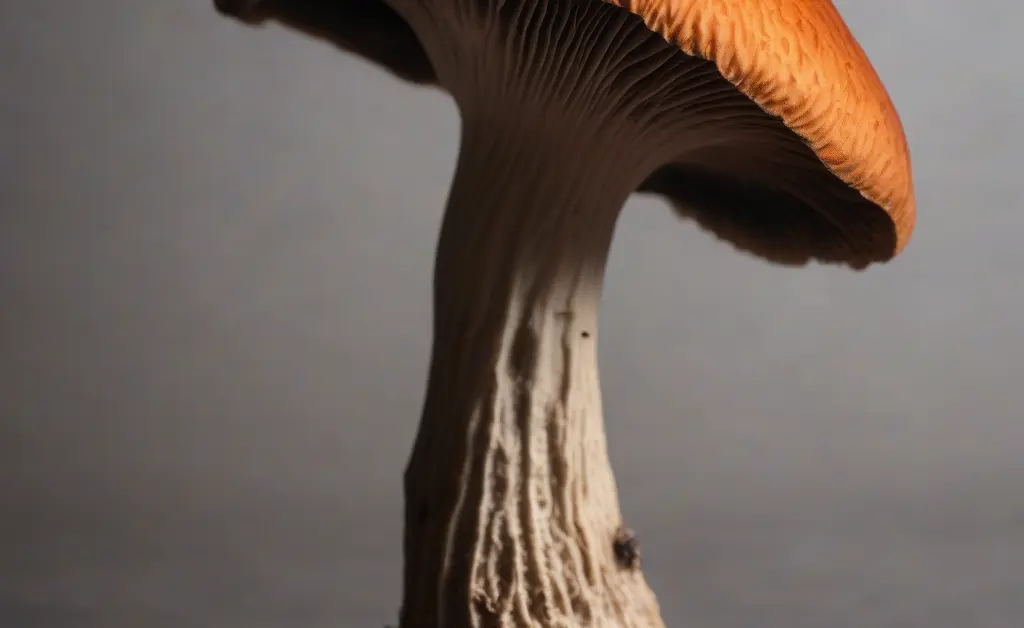
A crucial aspect of understanding why cordyceps mushroom legal status is so clear-cut lies in distinguishing it from other types of fungi, particularly those classified as controlled or psychoactive. There is often confusion among consumers regarding different mushroom varieties, leading to questions like “Is cordyceps mushroom a psychedelic?”
Absence of Controlled Substances in Cordyceps
Cordyceps mushrooms do not contain psilocybin, psilocin, or other compounds that are classified as controlled substances or are known to induce psychoactive effects. This fundamental difference is why cordyceps is considered a functional mushroom rather than a “magic mushroom.” Its chemical composition is entirely distinct from species like *Psilocybe cubensis*, which are federally illegal in the United States and subject to strict state-level prohibitions due to their hallucinogenic properties. Because cordyceps does not produce intoxicating effects, it is not subject to the same regulatory scrutiny as controlled or psychoactive mushrooms. This clarity helps to prevent misunderstandings and reinforces the fact that the cordyceps mushroom legal status is firmly established as a non-psychoactive, permissible substance.
FAQ
— Is it legal to buy cordyceps mushrooms in the US?
Yes, in the United States, the purchase and possession of cordyceps mushrooms and their supplemental forms is entirely legal. These fungi are generally recognized as food or dietary ingredients, not controlled substances, which means the process for cordyceps mushroom legal acquisition faces no federal restrictions. Therefore, consumers can confidently buy and use them.
— Are cordyceps supplements a controlled substance?
Cordyceps supplements are not classified as controlled substances by the Drug Enforcement Administration (DEA) or any other federal agency in the United States. They are widely available and regulated as dietary supplements, similar to vitamins or other natural health products. This means they are subject to different regulatory frameworks than pharmaceutical drugs.
— What is the legal status of cordyceps sinensis?
The legal status of Cordyceps sinensis, often referred to by its modern name Ophiocordyceps sinensis, aligns with other cordyceps varieties and functional mushrooms in the US. It is legally sold and consumed as a dietary ingredient or supplement, falling under the jurisdiction of the Food and Drug Administration (FDA) for supplement labeling and safety. This species, like others in the genus, is not subject to any federal restrictions that would deem it illegal.
— Do different states have varying laws on cordyceps?
Generally, state laws in the United States do not vary regarding the legality of cordyceps mushrooms or their supplements. Because cordyceps are considered dietary supplements or food items under federal law, states typically follow these guidelines without imposing additional restrictions. Consumers can therefore expect a consistent legal status across all states.