
Picture this: you’re unwinding after a busy day, perhaps preparing a meal or scrolling through headlines, when a news segment briefly touches upon the fascinating world of fungi. Your mind might quickly jump to the captivating and terrifying scenarios explored in recent popular culture. This thought often brings to mind the apocalyptic vision presented in the highly acclaimed series and game, where a fungal pathogen devastates humanity. The concept of an organism hijacking a host’s body and mind, driving a global pandemic, sparks a blend of curiosity and dread. This article delves into the intricate lore of the cordyceps mushroom last of us, exploring its fictional portrayal, the real-world scientific inspirations, and the chilling implications within its narrative.
The Cordyceps Mushroom in The Last of Us
What is the role of Cordyceps in The Last of Us narrative?
At the heart of “The Last of Us” narrative lies the Cordyceps mushroom, serving as the central antagonist and the catalyst for a global apocalypse. This fungal pathogen is responsible for transforming the majority of humanity into monstrous, aggressive creatures known as the Infected. The Cordyceps outbreak plunges the world into a brutal, post-apocalyptic struggle for survival, shaping every character’s journey and decision. Its pervasive presence underscores the constant threat and desperation that define the game’s world, making it more than just a biological threat but a profound narrative device.
How the fictional Cordyceps parasite operates
The fictional Cordyceps parasite in “The Last of Us” operates by infecting a human host, initially through bites from the Infected or inhalation of airborne spores. Once inside the body, the fungus rapidly spreads, invading the brain and nervous system. It does not kill the host immediately but gradually takes over their motor functions and cognitive processes, driving them to spread the infection further. The host’s body is then manipulated into a grotesque puppet, compelled by the fungus’s biological imperative to propagate.
The Inspiration Behind the Game’s Infection Lore
The chilling infection lore of “The Last of Us” draws significant inspiration from the real-world Cordyceps fungi, particularly species known to infect insects. Nature documentaries have showcased parasitic fungi that hijack the minds of ants and other arthropods, compelling them to climb to high vantage points before dying, allowing the fungal spores to disperse widely. This fascinating and terrifying natural phenomenon provided a compelling, albeit exaggerated, biological basis for the game’s concept of a mind-controlling fungal pathogen, sparking the imagination behind the global pandemic.
Understanding the Cordyceps Brain Infection (CBI)
Definition and Nature of CBI in The Last of Us
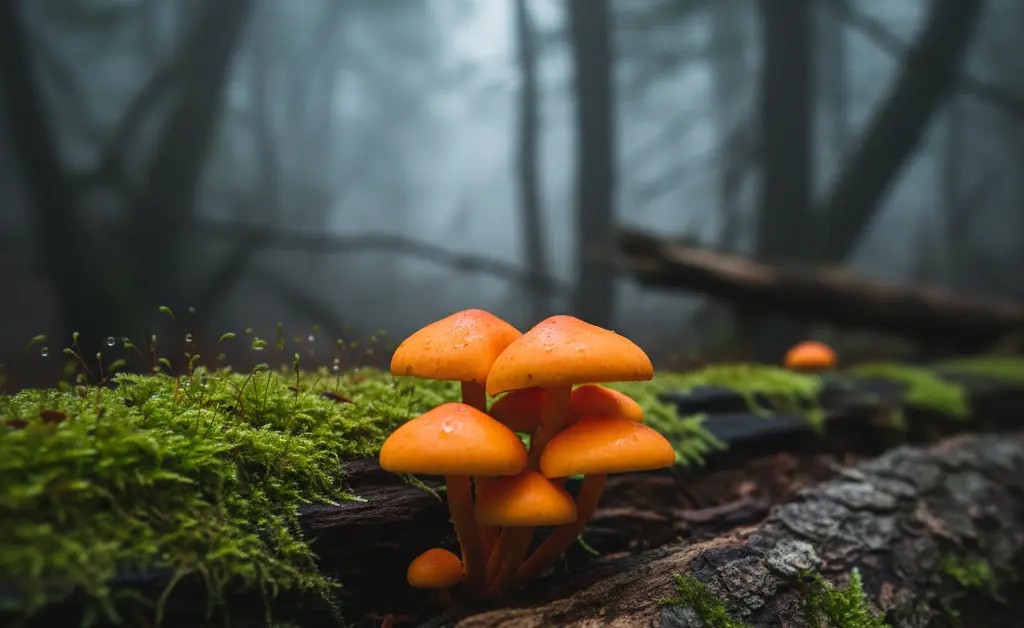
In “The Last of Us,” the Cordyceps Brain Infection, or CBI, refers to the condition caused by the fungal pathogen that has devastated humanity. It is characterized by the parasitic fungi taking root within the host’s brain and central nervous system. This infection systematically erodes the host’s cognitive functions, replacing them with aggressive, instinctual behaviors driven by the fungus’s survival and propagation imperatives. CBI transforms humans into the various stages of the Infected, each exhibiting distinct and increasingly dangerous manifestations of the parasitic takeover.
Key aspects of the fungal pathogen’s operation
The fungal pathogen in “The Last of Us” operates with a sinister efficiency. Beyond merely infecting the brain, the Cordyceps actively grows throughout the host’s body, eventually erupting through the skin in various forms, particularly on the head, to release spores. This biological mechanism ensures that the infection spreads not only through direct contact, such as bites, but also through airborne dissemination in enclosed or undisturbed environments. The cordyceps mushroom last of us infection is a slow, relentless transformation, consuming the host from within and molding them into a vessel for its continued existence.
Insights from The Last of Us lore on CBI
According to “The Last of Us” lore, CBI is thought to have originated from a mutated strain of Cordyceps, possibly influenced by climate change, allowing it to jump from insects to humans. Early attempts to contain the outbreak were largely ineffective, as the rapid and aggressive nature of the infection quickly overwhelmed global healthcare systems and military responses. The lore emphasizes that the fungus essentially reconfigures the host’s biology to serve its own reproductive cycle, creating a self-sustaining and ever-evolving threat that has plunged society into a perpetual state of collapse.
Real-World Cordyceps vs. The Last of Us Fictional Lore
Distinguishing Between Fungal Fact and Fiction
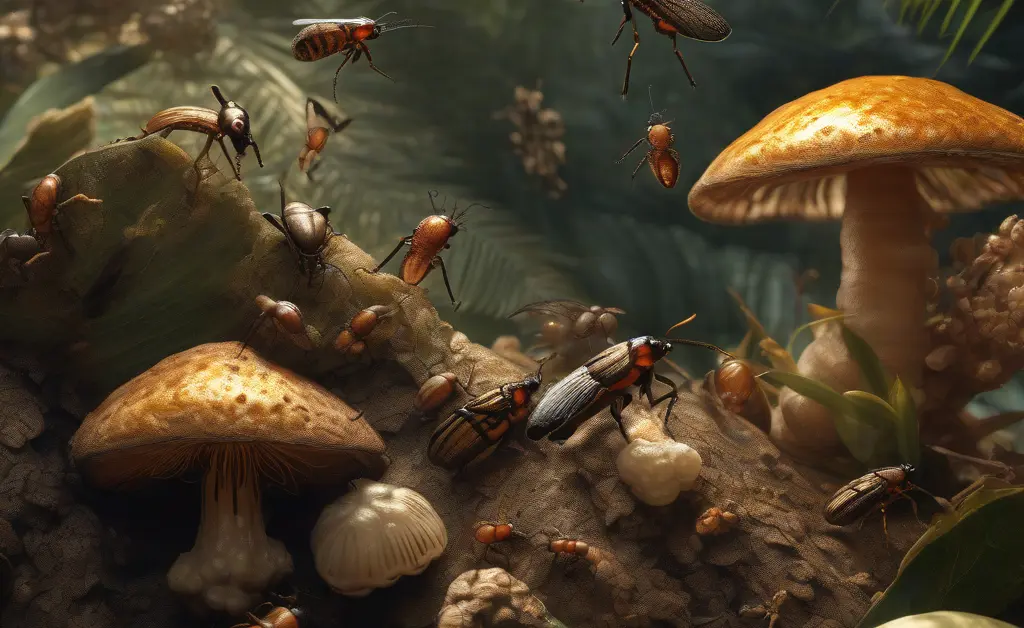
It is crucial to distinguish between the fascinating biological basis of real-life Cordyceps fungi and the highly dramatized portrayal in “The Last of Us.” Real Cordyceps species are a diverse group of fungi, predominantly found in tropical regions, that parasitize insects and other arthropods. While they do alter host behavior, they do not create sentient, human-like “zombies” or spread to humans in a similar manner. The game takes significant artistic liberties to craft its terrifying narrative, drawing inspiration from natural phenomena rather than providing a literal depiction. For official information on fungi and public health, resources such as the FDA provide valuable insights.
Is the “Zombie Fungus” from The Last of Us Real?
The “zombie fungus” depicted in “The Last of Us” is a fictionalized concept. While real-world Cordyceps fungi are indeed parasitic and can manipulate insect behavior, there is no scientific evidence or indication that they could infect humans or turn them into aggressive, zombie-like creatures. The potential for Cordyceps to infect humans is negligible, as their biological mechanisms are highly specialized for specific insect hosts. The actual effects of Cordyceps mushroom on humans typically involve traditional uses in some cultures, rather than parasitic infection.
Artistic Liberties and Scientific Inaccuracies in the portrayal
The creators of “The Last of Us” openly acknowledge the artistic liberties taken with the scientific facts. For instance, the game’s depiction of airborne spore transmission is a key plot device, whereas real Cordyceps spores primarily affect insects and require specific environmental conditions. The rapid progression of the *cordyceps mushroom last of us* infection in humans and the dramatic physical transformations are also significant scientific inaccuracies, designed to enhance the horror and gameplay experience rather than reflect biological reality. These creative choices are fundamental to the game’s narrative success.
The Cordyceps Infection: Stages, Symptoms, and Progression
How Cordyceps Spreads in The Last of Us
In the world of “The Last of Us,” the Cordyceps infection primarily spreads through two main vectors: direct exposure to airborne spores and bites from already infected individuals. Spores are common in enclosed, undisturbed areas where the fungus has had time to grow on deceased hosts, posing a significant environmental hazard. Bites are the most immediate and common method of transmission during direct encounters with the Infected, rapidly introducing the fungal pathogen into the bloodstream.
Initial Infection and Incubation Period
Upon initial infection, whether through a bite or spore inhalation, the Cordyceps immediately begins its assault on the human body. The incubation period can vary, but generally, the effects manifest relatively quickly. Within hours to a couple of days, the infected individual will start to exhibit early symptoms. This initial phase marks the unseen battle within the host, as the fungus begins to establish itself before overt signs of transformation appear.
Overview of Cordyceps Infection Stages
The Cordyceps infection in “The Last of Us” progresses through distinct stages, each marked by increasing fungal growth and host degradation. These stages are broadly categorized as Runners, Stalkers, Clickers, Bloaters, and Shamblers. Each stage represents a more advanced state of the parasitic takeover, leading to significant physiological and behavioral changes in the host. The duration of each stage is influenced by factors such as the host’s health, the point of infection, and the strain of the fungus.
Symptoms and Behavioral Changes at Each Stage
In the early “Runner” stage, symptoms include extreme aggression, loss of higher cognitive functions, and rapid, erratic movements. As the infection progresses to “Stalkers,” the fungus begins to grow externally, particularly around the head, leading to stealthier, more cunning behavior. “Clickers” are characterized by complete blindness due to extensive fungal growth covering their faces, forcing them to rely on echolocation to navigate and hunt. In the advanced “Bloater” and “Shambler” stages, the fungal growth becomes extremely dense and armor-like, leading to immense strength and the ability to project corrosive spores, rendering the host almost unrecognizable and exceptionally dangerous.
Types and Characteristics of The Infected in The Last of Us
Progression to Runners, Stalkers, and Clickers
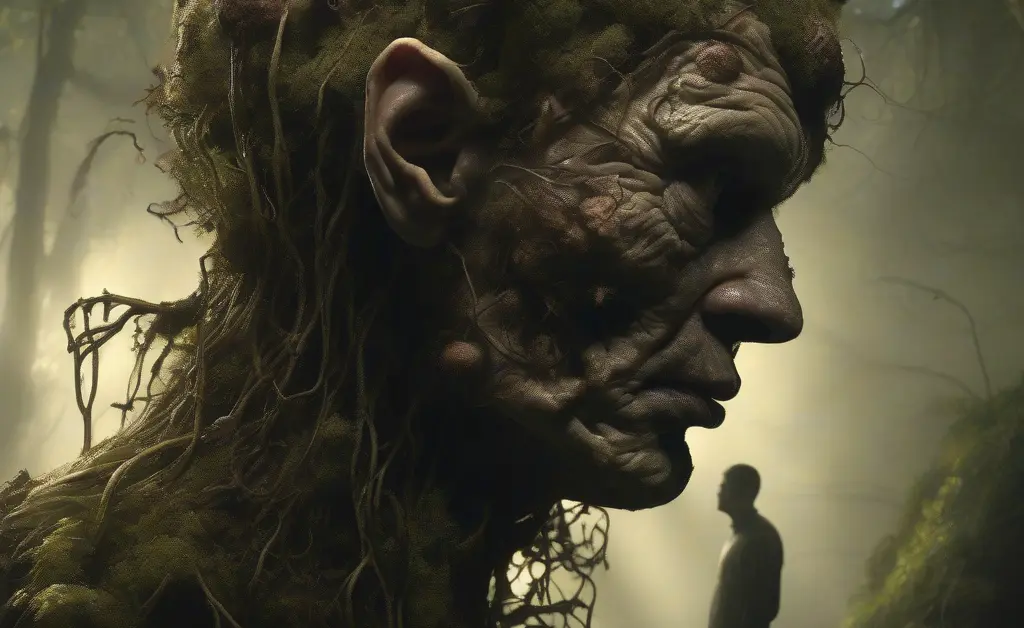
The initial stages of infection in “The Last of Us” see individuals transform into Runners, characterized by their newly mutated forms, erratic movements, and human-like cries, indicative of recent infection. As the fungus takes further hold, Runners can evolve into Stalkers, who are more cunning, actively hiding and ambushing survivors. The most iconic early advanced stage is the Clicker, where the fungus has overgrown the host’s head, causing blindness but granting them a terrifying echolocation ability, making them incredibly dangerous in close quarters.
Advanced Infected Stages: Bloaters and Shamblers
Beyond the Clickers lie the truly monstrous advanced infected stages: Bloaters and Shamblers. Bloaters are hosts whose bodies have been almost entirely encased in a thick, fungal armor, making them incredibly resilient to damage. They are slow but immensely strong and can tear survivors apart or hurl corrosive spore sacks. Shamblers, a variant found in the second game, are similarly armored but are known to release clouds of acidic spores upon getting close to their victims, inflicting damage and obscuring vision.
Distinguishing Features and Manifestations of Each Infected Type
Each infected type possesses unique distinguishing features. Runners retain a somewhat human appearance but are incredibly fast and aggressive. Stalkers exhibit initial fungal growths and demonstrate more strategic, predatory behavior. Clickers are identifiable by the mushroom-like growths completely obscuring their faces and their distinctive clicking sounds. Bloaters are massive, covered in hardened fungal plates, while Shamblers are often recognized by their large, tumorous bodies that expel gaseous spores. Recognizing these manifestations is crucial for survival in the game’s world.
Threat Level and Combat Strategies against The Infected
The threat level of the Infected escalates with each stage. Runners are best dealt with quietly or by quickly overwhelming them. Stalkers require careful environmental awareness and stealth. Clickers are deadly in close combat and demand precise stealth takedowns or powerful weaponry. Bloaters and Shamblers represent the highest threat, often requiring explosives, incendiary devices, or concentrated fire from high-powered weapons due to their extreme durability. Understanding their weaknesses and strengths is vital for any effective combat strategies against The Infected.
Environmental Factors Influencing Infected Behavior
Environmental factors significantly influence infected behavior. Dark, enclosed spaces are ideal for spore proliferation, leading to higher concentrations of Clickers and more advanced forms. Open areas might see more Runners or Stalkers. Sound is a major factor, as it alerts Clickers, making stealth paramount. Similarly, adverse weather conditions, like rain or fog, can obscure vision, providing cover for Stalkers or reducing the effectiveness of ranged attacks against Bloaters and Shamblers, altering the dynamics of an encounter.
Origin and Impact of the Cordyceps Outbreak
Hypothesized Initial Spread and Global Pandemic
The hypothesized initial spread of the Cordyceps outbreak in “The Last of Us” points to a rapid global pandemic that began in the autumn of 2013. Lore suggests the fungus mutated to tolerate human body temperature, perhaps originating from contaminated crops. The swift and silent nature of spore transmission, combined with the aggressive behavior of the newly Infected, meant that governments and militaries were quickly overwhelmed. Major cities became hotbeds of infection, collapsing societal structures within weeks, leading to widespread panic and chaos.
In-Lore Attempts at Control or Countering the Outbreak
According to “The Last of Us” lore, various desperate attempts were made to control or counter the Cordyceps outbreak, all ultimately failing. These included mass quarantines, military occupation of cities, and the creation of “Quarantine Zones.” However, the sheer scale of the infection, coupled with the rapid mutation and adaptability of the fungus, rendered these efforts futile. The result was a complete societal collapse and humanity’s struggle for survival, leading to a fragmented world where small pockets of survivors live under constant threat from both the Infected and other desperate humans. The *cordyceps mushroom last of us* outbreak reshaped civilization forever.
The captivating and terrifying world of “The Last of Us” vividly illustrates a post-apocalyptic reality born from a fungal pandemic. While rooted in fictional horror, the inspiration drawn from real-world Cordyceps fungi provides a chilling biological underpinning to its narrative. Exploring the intricate lore, from the initial outbreak to the various stages of the Infected, reveals a masterfully crafted story that continues to resonate with audiences. The enduring impact of the cordyceps mushroom last of us as a narrative device highlights our fascination with survival, human nature, and the thin line between civilization and chaos.
This article aims to inform, not to replace professional healthcare advice. The information presented is for general knowledge and discussion purposes only and should not be interpreted as medical guidance or instruction. Always consult with qualified healthcare professionals for any health concerns or before making any decisions related to your health or treatment. The content does not endorse any specific medical treatments, products, or services.
FAQ
— What is the Cordyceps brain infection in The Last of Us?
In The Last of Us, the Cordyceps brain infection is a fictional fungal pandemic that fundamentally alters human hosts. This parasitic fungus gradually takes control of the host’s central nervous system, leading to aggressive behavior and severe physical mutations. It effectively transforms humans into various types of infected creatures, driven solely by the fungus’s need to propagate.
— How does the Cordyceps infection spread in The Last of Us?
The Cordyceps infection primarily spreads through bites from an already infected human. Additionally, exposure to airborne fungal spores, particularly in enclosed spaces, can also lead to transmission, as the spores are inhaled and begin their parasitic growth within the new host. These two methods ensure the fungus’s continued propagation within the world.
— What are the stages of infection in The Last of Us?
The infection progresses through distinct stages, each marked by increasing physical degradation and fungal manifestation. Initially, hosts become fast and aggressive “Runners,” then evolve into more strategic “Stalkers.” Further progression leads to blind, echolocating “Clickers,” and eventually, heavily armored “Bloaters” covered in thick fungal plates.
— Are the Cordyceps mushrooms in The Last of Us real?
While the fictional depiction in the cordyceps mushroom last of us game dramatically escalates its effects, real-world Cordyceps fungi do exist and are known for parasitizing insects and other arthropods. They are famous for taking over the host’s body and mind to facilitate spore dispersal. However, there is no scientific evidence that these fungi can naturally infect or control humans in the same way.
— What kind of infected creatures are there in The Last of Us?
The Cordyceps infection creates several terrifying types of creatures, evolving as the fungus matures within the host. These include the freshly infected, fast “Runners” and the stealthy, ambush-oriented “Stalkers.” Later stages bring forth the iconic “Clickers,” which are blind but use echolocation, and the massive, heavily armored “Bloaters” that can throw fungal projectiles.
— How did the Cordyceps outbreak start in The Last of Us lore?
According to The Last of Us lore, the Cordyceps outbreak originated from a mutated strain of the fungus that adapted to infect humans through common food sources. It is theorized to have spread rapidly through contaminated crops, such as grain, leading to a global pandemic that quickly overwhelmed society. This initial widespread consumption allowed the infection to take hold quickly across populations.