Just as a gardener carefully nurtures a delicate plant, providing optimal conditions for growth and repair, the human body continuously seeks ways to maintain and restore its intricate systems. Among these, the nervous system, with its vast network of connections, is particularly vulnerable to damage and dysfunction, leading to conditions like neuropathy. While traditional approaches often focus on symptom management, there is growing interest in natural compounds that may support nerve health more fundamentally. This has brought significant attention to the potential role of specific medicinal fungi. Recent scientific exploration is actively investigating how lion’s mane mushroom neuropathy might be addressed through its neuroregenerative properties, offering a promising avenue for supporting nerve repair and alleviating associated discomfort.
The Science Behind Lion’s Mane for Nerve Health
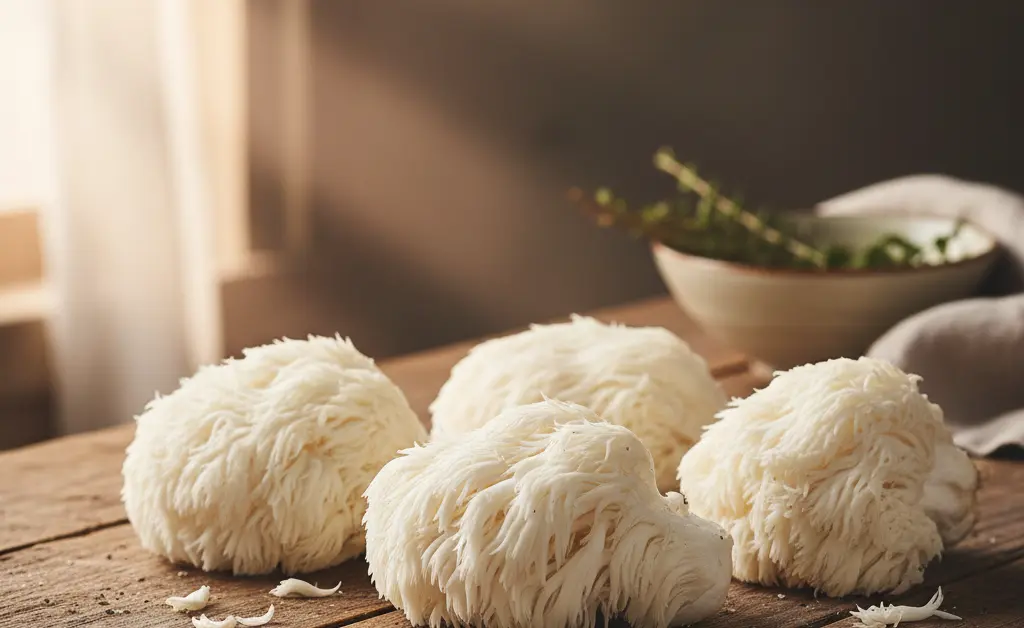
Lion’s mane mushroom (Hericium erinaceus) has garnered significant attention in the scientific community for its purported neuroprotective and neuroregenerative properties. This medicinal mushroom, also known as yamabushitake, is traditionally used in Eastern medicine and has become a subject of modern scientific research, particularly concerning nerve damage and nervous system disorders. The exploration into how lion’s mane mushroom neuropathy might be alleviated often begins with understanding its unique biological composition.
Active Compounds and Their Mechanisms
The primary neuroactive compounds identified in lion’s mane are hericenones, found in the fruiting body, and erinacines, primarily isolated from its mycelium. These compounds are studied for their ability to potentially cross the blood-brain barrier and exert beneficial effects on nerve cells. Their mechanisms involve influencing cellular pathways critical for nerve cell survival and growth, contributing to overall nerve health and potentially aiding in nerve repair processes.
Promoting Nerve Growth Factor (NGF)
One of the most significant mechanisms attributed to lion’s mane is its potential to stimulate the synthesis of Nerve Growth Factor (NGF). NGF is a crucial neurotrophin protein responsible for the growth, maintenance, and survival of various nerve cells in both the central and peripheral nervous systems. By promoting NGF production, lion’s mane may support the inherent capacity of the body to repair damaged nerves and maintain the integrity of existing neuronal networks. Emerging studies also explore the role of lion’s mane mushroom for kidney support.
Supporting Neurogenesis and Nerve Regeneration
Beyond NGF stimulation, lion’s mane is also investigated for its role in neurogenesis – the creation of new neurons – and nerve regeneration. Studies suggest that its active compounds may foster the differentiation and proliferation of neural stem cells, potentially contributing to the repair of nerve damage. This aspect is particularly relevant for conditions involving nerve degeneration, where the ability to regenerate nerve tissue is paramount for functional recovery.
Anti-inflammatory and Antioxidant Properties
Chronic inflammation and oxidative stress are known contributors to nerve damage and the progression of neuropathy. Lion’s mane mushroom contains powerful antioxidants and anti-inflammatory compounds, such as beta-glucans. These properties may help protect nerve cells from damage caused by free radicals and reduce inflammation within the nervous system. By mitigating these harmful processes, lion’s mane could create a more favorable environment for nerve healing and reduce symptoms associated with nerve pain. Furthermore, its anti-inflammatory effects are also being investigated for lion’s mane mushroom for gut health.
Myelin Sheath Support and Nerve Repair
The myelin sheath is a fatty protective layer that insulates nerve fibers, allowing for efficient transmission of electrical signals. Damage to the myelin sheath, known as demyelination, is a hallmark of many neuropathic conditions. Scientific research indicates that lion’s mane may play a role in supporting the remyelination process, potentially aiding in the repair of damaged nerve insulation and improving nerve conduction velocity, thereby enhancing overall nerve function.
Preclinical Studies on Nerve Regeneration
Numerous preclinical studies, primarily conducted in vitro and on animal models, have explored the efficacy of lion’s mane extracts in promoting nerve regeneration. These studies have often demonstrated positive outcomes, including accelerated nerve cell growth, improved functional recovery after injury, and reduced indicators of nerve damage. While these findings are promising, they highlight the need for further human clinical trials to substantiate these effects in people experiencing various forms of neuropathy. Further information on such research can often be found from reputable sources like the NIH.
Lion’s Mane Mushroom Neuropathy: Potential Benefits and Nerve Repair
The growing body of research on lion’s mane mushroom for nerve health is translating into potential applications for individuals experiencing neuropathy. This condition, characterized by nerve damage, can manifest in various ways, including pain, numbness, tingling, and muscle weakness. The neuroregenerative and neuroprotective properties of Hericium erinaceus suggest it may offer a multifaceted approach to supporting nerve repair and mitigating symptoms. The comprehensive benefits of addressing lion’s mane mushroom neuropathy extend beyond symptomatic relief, aiming for deeper structural and functional improvements.
Benefits for Small Fiber Neuropathy
Small fiber neuropathy, a type of peripheral neuropathy, primarily affects the small nerve fibers that control pain, temperature, and autonomic functions. Initial observations suggest that compounds in lion’s mane may support the health and regeneration of these delicate nerve endings. By promoting nerve growth factors and reducing inflammation, it may help in restoring the integrity and function of these crucial small fibers, potentially alleviating the burning, tingling, and numbness often experienced by affected individuals.
Improving Functional Recovery
For those suffering from nerve damage, improving functional recovery is a primary goal. Studies on lion’s mane have indicated a potential to enhance the regrowth of axons and improve nerve signal transmission following injury. This could translate into better coordination, strength, and overall functional abilities. By facilitating more robust nerve regeneration, lion’s mane may contribute to a quicker and more complete return of normal nerve function.
Alleviating Neuropathic Pain
Neuropathic pain is often debilitating and challenging to manage. The anti-inflammatory and neuroprotective effects of lion’s mane could play a role in reducing this type of pain. By addressing the underlying nerve inflammation and supporting nerve repair, it may help modulate pain pathways and decrease the intensity of chronic nerve pain, offering a natural complementary approach to pain management.
Supporting Sensory Function
Loss of sensation, tingling (paresthesia), and numbness are common symptoms of neuropathy, significantly impacting quality of life. The potential for lion’s mane to support nerve regeneration and myelin sheath repair may contribute to the restoration of sensory function. By strengthening nerve connections and improving signal transmission, it could help individuals regain a more normal sense of touch and proprioception.
Emerging Human Clinical Observations
While much of the evidence comes from preclinical studies, there are emerging human clinical observations and anecdotal reports suggesting benefits for nerve-related conditions. These preliminary human data, though not yet extensive, provide encouraging insights into the real-world applicability of lion’s mane for supporting nerve health. Continued scientific research, including larger, controlled clinical trials, is essential to fully understand its efficacy and establish definitive guidelines for its use in human populations.
Recommended Dosage Guidelines for Neuropathy
When considering supplementation with lion’s mane mushroom for neuropathy, it is important to approach it with careful consideration and under professional guidance. The appropriate amount can vary significantly based on individual factors, the specific form of the supplement, and the desired outcome. It is always recommended to consult with a healthcare professional to determine a suitable approach for personal health needs and to avoid any potential interactions with other health conditions or medications. Some research also investigates lion’s mane mushroom for liver health.
Choosing the Best Lion’s Mane for Neuropathy
Selecting a high-quality lion’s mane product is crucial for maximizing its potential benefits for nerve repair. Consumers should look for reputable brands that provide clear information about the product’s source, extraction method, and active compound content (hericenones and erinacines). Supplements are available in various forms, including powders, capsules, and tinctures, often derived from either the fruiting body, the mycelium, or a combination of both. Ensuring the product is third-party tested for purity and potency can also help in making an informed choice for supporting lion’s mane mushroom neuropathy. Beyond nerve health, some individuals also explore lion’s mane mushroom benefits for skin vitality.
Lion’s mane mushroom presents a compelling natural option for individuals seeking to support nerve health and address conditions like neuropathy. Its unique bioactive compounds, particularly hericenones and erinacines, are extensively studied for their ability to promote Nerve Growth Factor, support neurogenesis, and offer anti-inflammatory and antioxidant benefits. While more extensive human clinical trials are ongoing, the existing scientific research and preclinical evidence suggest a promising role for lion’s mane in nerve regeneration, myelin sheath support, and alleviating neuropathic symptoms. As interest in natural neuroprotective agents grows, the potential of lion’s mane mushroom neuropathy as a complementary approach continues to be explored.
The information presented in this article is educational and not meant as professional medical counsel. This content is for informational purposes only and is not intended to be a substitute for professional medical advice, diagnosis, or treatment. Always seek the advice of a qualified healthcare provider with any questions you may have regarding a medical condition or before making any decisions related to your health or treatment plan. Individual results may vary, and the efficacy of natural remedies can differ from person to person.
FAQ
— Is Lion’s Mane mushroom beneficial for neuropathy?
Lion’s Mane mushroom has gained attention for its potential neurosupportive properties, which are relevant to overall nerve health. This functional mushroom is known for containing compounds that may support the nervous system. Research explores its role in maintaining nerve function.
— How does Lion’s Mane help with nerve damage?
Lion’s Mane is understood to support nerve health through its content of hericenones and erinacines, compounds that may influence Nerve Growth Factor (NGF) synthesis. NGF plays a critical role in the growth, maintenance, and survival of neurons. By supporting these mechanisms, the mushroom is linked to nerve tissue integrity and function.
— What are the specific benefits of Lion’s Mane for peripheral neuropathy?
In the context of peripheral neuropathy, Lion’s Mane mushroom is studied for its capacity to support the health and function of nerves outside the brain and spinal cord. Its active compounds are known to encourage nerve cell growth and differentiation. This makes lion’s mane mushroom neuropathy a topic of ongoing research, focusing on its potential for supporting nerve health.
— Have there been studies on Lion’s Mane and nerve regeneration?
Indeed, scientific studies, particularly in laboratory and animal models, have explored the effects of Lion’s Mane on nerve regeneration. These investigations have indicated that certain compounds within the mushroom may promote the repair and regrowth of nerve cells. The findings suggest a potential for this mushroom to support the nervous system’s regenerative processes.
— What is the recommended dosage of Lion’s Mane for neuropathy?
Providing specific dosages for any health condition falls outside the scope of general wellness information. Individual needs and specific health contexts vary widely, influencing appropriate amounts. For personalized guidance, consulting with a qualified healthcare professional is always recommended.
— Can Lion’s Mane reverse nerve damage?
While research on Lion’s Mane highlights its potential to support nerve health and regeneration, the concept of “reversing” established nerve damage is complex. The mushroom is known for its ability to foster nerve growth and repair, which is a supportive mechanism. However, outcomes regarding nerve damage restoration can vary significantly depending on the nature and extent of the damage.