As women transition through menopause, they often encounter a wide range of symptoms that can significantly impact daily life and overall well-being. From cognitive shifts like ‘brain fog’ and memory lapses to emotional fluctuations such as anxiety and low mood, the search for effective management strategies is paramount. While conventional approaches are well-established, there is growing interest in complementary natural remedies that might offer additional support. Could a unique adaptogenic mushroom hold promise in this complex phase of life? This article delves into the potential benefits of lion’s mane mushroom for menopause, exploring how its unique compounds may help address some of the common challenges experienced during this natural biological process.
Lion’s Mane Mushroom for Menopause
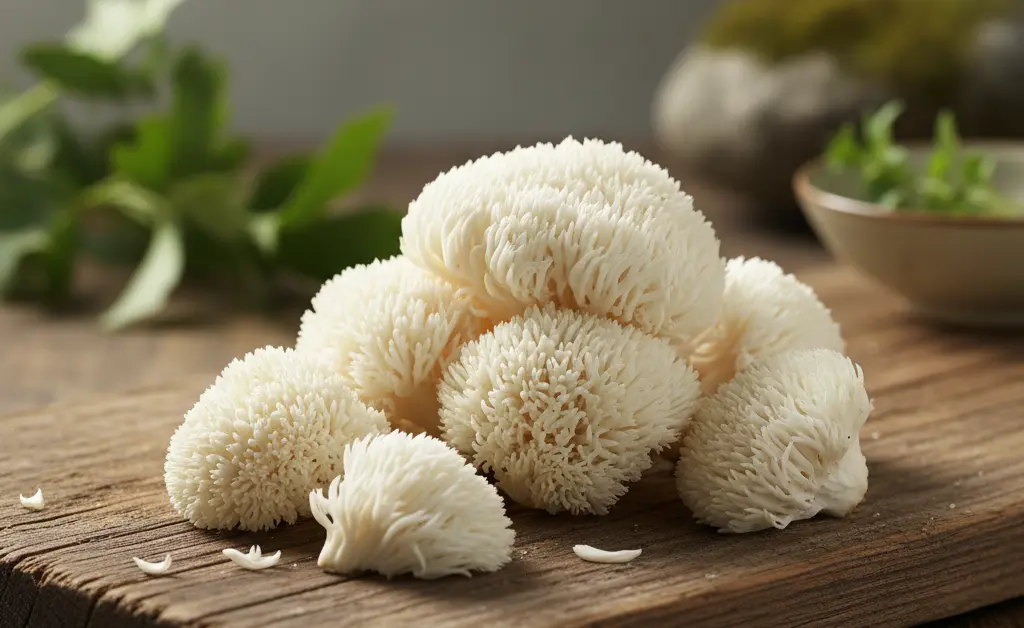
Lion’s mane mushroom, scientifically known as Hericium erinaceus, is a remarkable adaptogenic mushroom that has garnered attention for its diverse health-supporting properties. Traditionally used in East Asian medicine, it is recognized for its potential to support neurological and cognitive health. During the menopausal transition, which includes perimenopause, women often seek ways to mitigate symptoms like brain fog, mood swings, and fatigue, making the exploration of natural remedies such as lion’s mane mushroom for menopause particularly relevant. While this article focuses on menopause, other considerations for women’s health, such as lion’s mane mushroom and pregnancy, are also important. This unique fungus contains bioactive compounds, including erinacines and hericenones, which are believed to contribute to its beneficial effects.
As an adaptogenic mushroom, lion’s mane helps the body adapt to various stressors, potentially offering a gentle way to support overall wellness during a period of significant hormonal changes. While not a direct hormone replacement, its capacity to influence different bodily systems may indirectly contribute to a smoother transition through menopause by supporting the body’s intrinsic resilience. For a broader understanding of how this fungus supports female health, consider the diverse lion’s mane mushroom benefits for women. Understanding its mechanisms and how it interacts with the challenges of menopause is key to appreciating its potential role in a holistic wellness routine.
How Lion’s Mane Addresses Key Menopause Symptoms
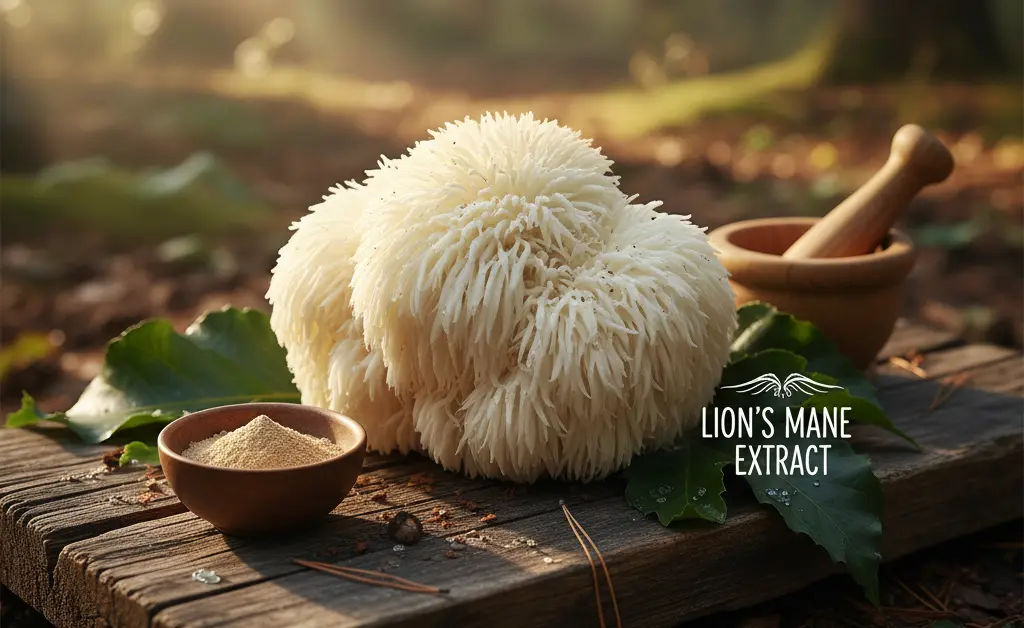
The journey through menopause is often characterized by a constellation of symptoms, many of which can significantly affect quality of life. Lion’s mane mushroom has been studied for its potential to alleviate several of these common complaints. Its unique compounds are thought to interact with various physiological pathways, offering support where the body may be experiencing shifts due to hormonal fluctuations. The application of lion’s mane mushroom for menopause is often considered in the context of these specific symptomatic areas.
Improving Cognition and Memory (Brain Fog)
One of the most frequently reported challenges during menopause is the phenomenon often referred to as ‘brain fog,’ characterized by difficulties with focus, memory, and overall cognitive function. Lion’s mane mushroom is widely recognized for its nootropic properties, primarily due to its ability to stimulate the production of nerve growth factor (NGF). NGF is a protein essential for the growth, maintenance, and survival of neurons. By supporting neurogenesis, the process of forming new neurons, lion’s mane may help to enhance neural plasticity and improve communication pathways in the brain. This could potentially translate to improvements in memory support, mental clarity, and a reduction in the disruptive effects of brain fog, helping women maintain sharp cognitive function throughout their menopausal transition. It’s worth noting that the cognitive advantages of lion’s mane are not exclusive to women; there are also documented lion’s mane mushroom benefits for men.
Easing Anxiety and Depression
Emotional well-being can be particularly vulnerable during menopause, with many women experiencing increased irritability, mood swings, anxiety, and sometimes even depression. These emotional shifts are often linked to fluctuating hormone levels, especially estrogen, and the body’s stress response. Lion’s mane has been investigated for its potential to support emotional balance. Further insights into such research can often be found on platforms like NCBI. Studies suggest that it may exert a positive influence on neurotransmitter systems, such as serotonin and dopamine, which play crucial roles in mood regulation. Furthermore, as an adaptogen, it may help to modulate the body’s stress response, potentially reducing levels of cortisol and thereby contributing to a calmer emotional state. This indirect support for the nervous system may help ease feelings of anxiety and promote a more stable mood.
Supporting Hormonal Balance
While lion’s mane mushroom is not a source of hormones, its adaptogenic nature may play an indirect role in supporting hormonal balance during menopause. The body’s endocrine system, which regulates hormones, is intricately linked with its stress response system. Chronic stress can exacerbate hormonal changes and intensify menopause symptoms. By helping the body manage stress more effectively, lion’s mane may contribute to a more harmonious internal environment, which can, in turn, positively influence how the body navigates the natural hormonal shifts of perimenopause and menopause. Beyond its adaptogenic support during menopause, research into lion’s mane mushroom for fertility also highlights its potential influence on reproductive health. This broader systemic support, rather than direct hormonal intervention, is a key aspect of considering lion’s mane mushroom for menopause-related well-being.
Incorporating Lion’s Mane into Your Menopause Wellness Routine
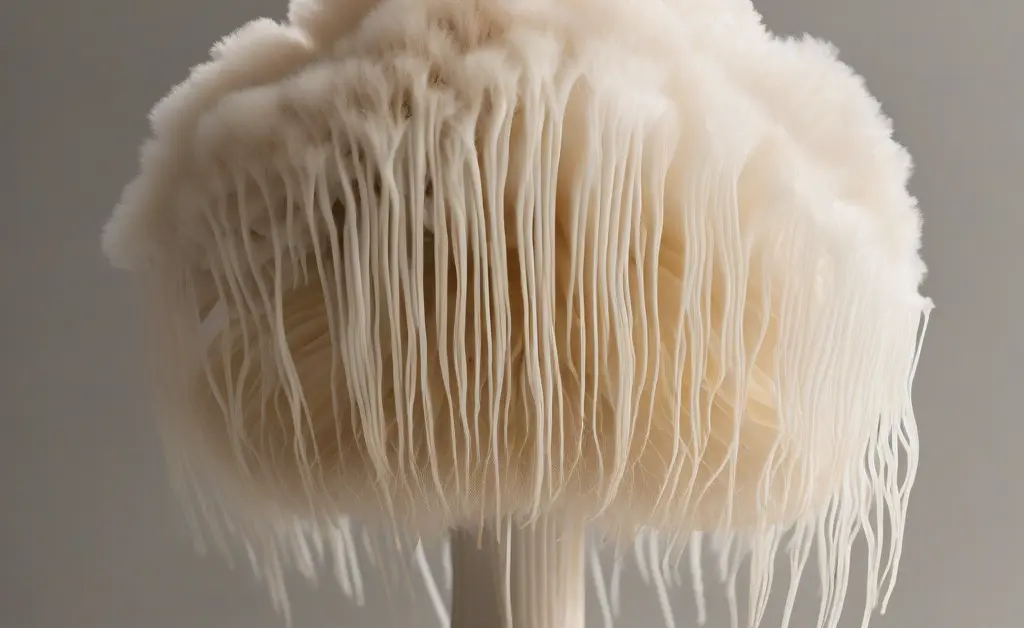
For those considering integrating lion’s mane into their daily regimen, it’s important to approach its incorporation thoughtfully and strategically. The goal is to maximize potential benefits while ensuring it aligns with individual health needs and existing wellness practices. Lion’s mane mushroom for menopause can be found in various forms, making it relatively simple to add to a routine. The consistency of use is often considered crucial for experiencing any potential effects.
Dosage Considerations
When considering any natural supplement, including lion’s mane, consulting with a qualified healthcare professional is always recommended, especially if you have underlying health conditions or are taking other medications. While specific dosage instructions should come from an informed practitioner or product manufacturer, it is generally advised to start with a lower amount to assess individual tolerance before gradually increasing. Lion’s mane is available in various forms, such as capsules, powders, and liquid extracts, each with different concentrations. Always refer to the product’s label for guidance, and remember that individual needs can vary. Focusing on sustained, consistent use under professional guidance is key to exploring the potential benefits.
Lion’s mane mushroom presents a compelling natural option for women seeking additional support during menopause. Its potential to address cognitive decline, improve mood, and indirectly support the body’s stress response positions it as a valuable addition to a holistic wellness strategy. While individual experiences may vary, the growing body of research and traditional use suggest that lion’s mane mushroom for menopause could offer significant benefits in navigating this transformative life stage.
While this article discusses health-related topics, it does not provide medical guidance. The information presented here is for informational purposes only and should not be considered a substitute for professional medical advice, diagnosis, or treatment. Always consult with a qualified healthcare provider before making any decisions about your health or starting any new supplement regimen, especially during menopause or if you have existing health conditions.
FAQ
— Is lion’s mane good for menopause?
Lion’s mane mushroom is widely recognized for its potential to support cognitive function and nervous system health. While it does not directly target menopausal symptoms like hot flashes, its general properties are relevant to supporting overall well-being during this life stage. Many individuals look for ways to maintain mental clarity and mood balance as their bodies transition.
— Can lion’s mane help with menopause brain fog?
Yes, lion’s mane has been extensively studied for its role in promoting nerve growth factor (NGF) production, which is crucial for brain health and plasticity. This mechanism is linked to enhanced focus, memory, and overall cognitive function, which can be particularly supportive for addressing brain fog often experienced during menopause. Research into the specific applications of lion’s mane mushroom for menopause and its cognitive aspects is ongoing and promising.
— Does lion’s mane help with anxiety during menopause?
Certain compounds found in lion’s mane are known for their adaptogenic qualities, which may help the body manage stress and support a balanced mood. By fostering a healthy nervous system, it plays a role in potentially easing feelings of unease or anxiety that can arise during the menopausal transition. This support is generally through its influence on neural pathways rather than directly altering hormone levels.
— What are the benefits of taking lion’s mane during perimenopause?
During perimenopause, individuals often seek support for maintaining cognitive function, balanced mood, and energy levels as hormonal shifts occur. Lion’s mane is recognized for its capacity to nurture neurological health, which can contribute to greater mental resilience and emotional stability during this transitional phase. Its general wellness benefits are often appreciated by those navigating the changes associated with perimenopause.
— Does lion’s mane help with hormones or increase estrogen?
Lion’s mane is not known to directly influence hormone levels or increase estrogen in the body. Its primary mechanisms of action are related to supporting brain health, nerve regeneration, and the immune system. Therefore, it is important to understand that its benefits are generally distinct from hormonal modulation.
— How much lion’s mane should I take for menopause symptoms?
I cannot provide specific dosage recommendations, as individual needs vary and functional mushroom intake can depend on numerous factors. It is always recommended to consult with a qualified healthcare professional who can offer personalized advice based on your health status and individual circumstances. You should also refer to the product’s specific label for suggested serving sizes.