Many individuals seek natural ways to support their cognitive functions and overall mental clarity. Regularly experiencing periods of reduced focus or mental fog can impact daily productivity and well-being. However, integrating specific natural supplements can lead to a noticeable improvement in cognitive vitality. This guide explores how transitioning from a state of general mental fatigue to sustained alertness and improved concentration is achievable through informed choices. We will delve into the attributes and benefits of lion’s mane mushroom liquid extract, a supplement gaining recognition for its potential role in supporting neurological health. Understanding its proper usage and the qualities to look for in a product can help individuals make a practical addition to their wellness routine, fostering a sharper mind without dramatic claims.
What is a Lion’s Mane Mushroom Liquid Extract?
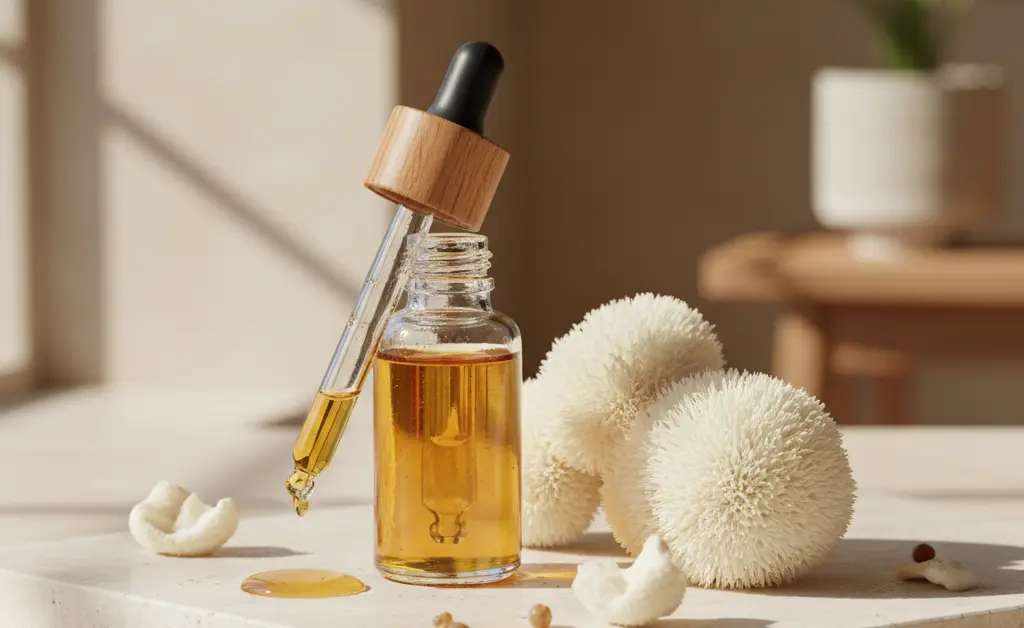
A lion’s mane mushroom liquid extract is a concentrated form of Hericium erinaceus, a unique medicinal mushroom traditionally revered for its potential health-promoting properties. Unlike whole mushrooms or powders, a liquid extract, often referred to as a tincture or herbal drops, offers enhanced bioavailability and ease of absorption. This form of supplement is created to harness the beneficial compounds found in the mushroom, such as hericenones and erinacines, which are of particular interest for brain health. As an adaptogen, lion’s mane may help the body maintain balance and adapt to various stressors. Choosing a high-quality lion’s mane mushroom liquid extract ensures that individuals receive a potent and effective product designed for consistent support. For those looking to enhance their daily routine, a quality lion’s mane mushroom supplement can be a beneficial addition.
Understanding Extraction Methods
The efficacy of a lion’s mane extract largely depends on its extraction process. A dual extraction method, typically involving both hot water and alcohol, is often preferred as it helps to isolate a wider spectrum of beneficial compounds. Hot water extraction is effective for drawing out polysaccharides like beta-glucans, known for their immune support properties. Alcohol extraction, on the other hand, is crucial for obtaining the triterpenes, such as hericenones and erinacines, which are studied for their potential neuroprotective effects and role in nerve growth factor (NGF) synthesis, with ongoing research supported by organizations such as the NIH. A comprehensive extraction process ensures that the final liquid supplement contains the full profile of compounds from the mushroom’s fruiting body, which is generally considered more potent than mycelium-based products.
Importance of USDA Organic and Non-GMO Certification
For consumers seeking purity and quality, USDA Organic and Non-GMO certifications are important indicators. An organic lion’s mane mushroom tincture guarantees that the mushroom was cultivated without synthetic pesticides, herbicides, or fertilizers. Non-GMO certification further ensures that the product is free from genetically modified organisms. These certifications provide reassurance that the organic lion’s mane liquid drops are a clean and natural product, minimizing exposure to unwanted chemicals or altered ingredients and supporting overall wellness with confidence.
Choosing an Alcohol-Free Tincture
While many traditional tinctures utilize alcohol in the extraction process, alcohol-free options are widely available and preferred by many. An alcohol-free lion’s mane liquid extract typically uses vegetable glycerin as a solvent, making it suitable for individuals who wish to avoid alcohol for personal, health, or dietary reasons. These glycerin-based herbal drops maintain the potency and beneficial properties of the lion’s mane mushroom while offering a gentler, more palatable alternative. When selecting an alcohol-free option, it’s still crucial to ensure the product employs a robust extraction method to capture the full spectrum of compounds.
Key Benefits of Lion’s Mane Liquid Tinctures
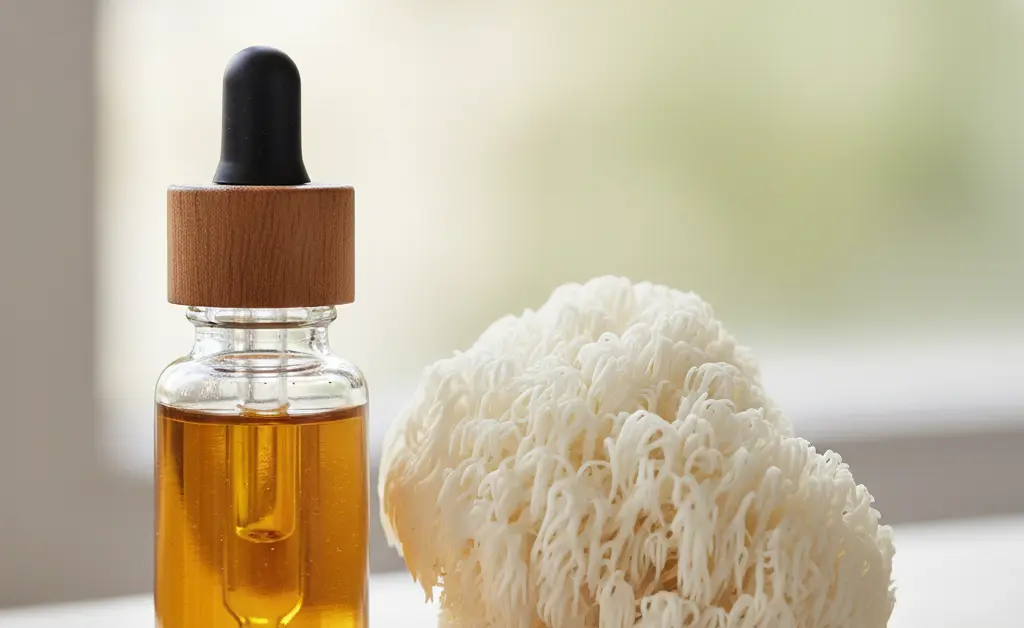
Lion’s mane liquid tinctures are gaining recognition for a variety of potential benefits, particularly in the realm of cognitive support and overall brain health. Many individuals integrate these liquid lions mane drops into their daily routine to support mental clarity, focus, and memory. The unique compounds present in lion’s mane, such as hericenones and erinacines, are studied for their potential to stimulate nerve growth factor (NGF), which is vital for the health and regeneration of nerve cells. This neuroprotective quality is a core aspect of lion’s mane liquid benefits. Understanding the specific lion’s mane mushroom supplement benefits can help users make informed choices for their wellness.
Beyond cognitive aspects, lion’s mane is considered a nervine, traditionally used to support the nervous system. As a nootropic, it may help in maintaining optimal cognitive function and resilience. The adaptogenic nature of lion’s mane mushroom liquid extract also suggests a broader benefit for the body’s ability to cope with daily stressors, contributing to a sense of balanced well-being. While individual experiences may vary, the consistent use of this supplement is often associated with sustained mental vitality.
| Potential Areas of Support | Associated Properties |
|---|---|
| Cognitive Function | May help with focus, memory, and mental clarity |
| Brain Health | Associated with neuroprotective effects and NGF support |
| Nervous System | Traditionally used as a nervine to support nerve health |
| Stress Adaptation | Acts as an adaptogen, supporting the body’s balance |
Proper Usage and Dosage for Liquid Drops
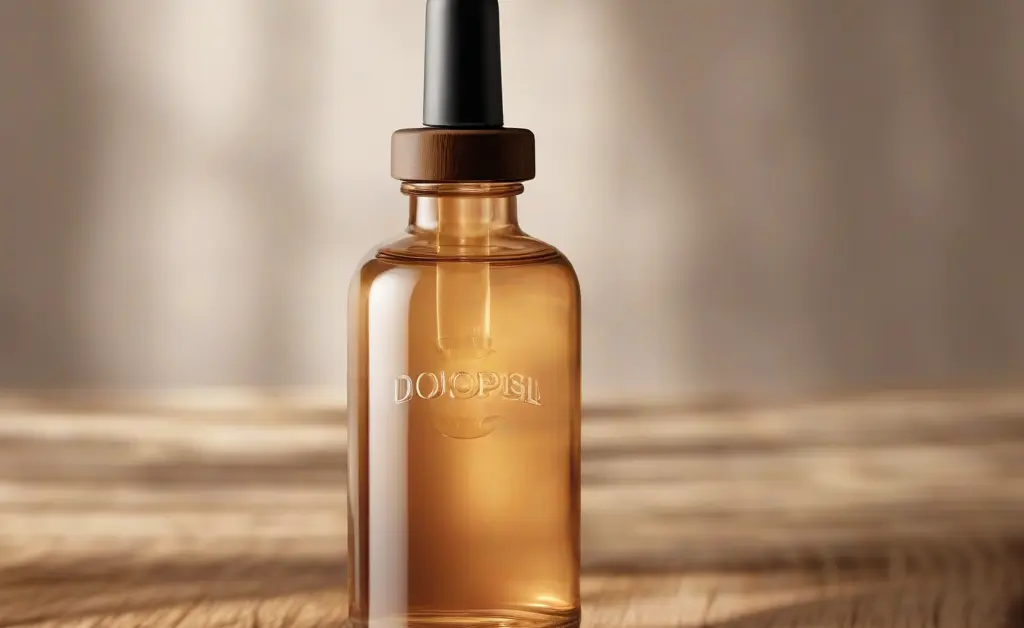
When incorporating a lion’s mane mushroom liquid extract into a wellness routine, understanding proper usage is essential. While individual needs and product formulations can vary, the goal is to integrate the supplement effectively for consistent support. Always refer to the specific instructions provided on the product label, as these guidelines are tailored to the concentration and formulation of the particular lion’s mane liquid extract. Consulting with a qualified health professional can also provide personalized recommendations for usage, especially if there are existing health conditions or other supplements being taken. For those who prefer alternative forms, lion’s mane mushroom gummies are also available as a convenient option.
Recommended Daily Serving Size
Determining the recommended daily serving size for lion’s mane liquid drops typically involves following the manufacturer’s directions. These recommendations are carefully formulated based on the extract’s potency and concentration. It is generally advisable to start with a smaller amount and gradually adjust, as guided by the product label or a health professional, to observe how the body responds. Consistency in daily intake is often more important than taking a large quantity infrequently.
Best Time of Day to Take the Supplement
The optimal time of day to take a lion’s mane supplement can vary based on individual preference and lifestyle. Some individuals find that taking it in the morning supports focus and mental clarity throughout the day. Others may prefer to take it earlier in the day to avoid any potential impact on evening rest. Generally, consistency is key, and integrating it into a regular routine, such as with a morning beverage or meal, can help ensure sustained use.
How to Mix the Liquid Extract
Lion’s mane liquid drops are designed for ease of use and can be mixed into various liquids. They can be added directly to water, juice, or a smoothie. Some individuals also prefer to mix them into coffee or tea. The liquid form allows for quick integration into daily beverages without altering their flavor significantly, making it a convenient option for those who prefer not to take capsules. Alternatively, explore options like a soothing lion’s mane mushroom tea for a different consumption method.
Lion’s Mane Drops Side Effects
Lion’s mane drops are generally well-tolerated by most individuals. However, as with any supplement, some people may experience mild side effects. These can occasionally include minor digestive upset, such as bloating or stomach discomfort. If any unusual or persistent effects are noticed, it is advisable to discontinue use and consult with a healthcare professional. It is always important to listen to your body and seek professional guidance if you have concerns about potential interactions or individual sensitivities to the lion’s mane mushroom liquid extract or its components.
The integration of lion’s mane mushroom liquid extract into a daily wellness routine offers a practical approach to supporting cognitive function and overall brain health. By understanding its origins, the importance of quality extraction, and mindful usage, individuals can make informed decisions. This natural adaptogen holds promise for those seeking to enhance mental clarity and maintain neurological vitality.
The information in this article is intended for knowledge purposes only. It is not a substitute for professional medical advice, diagnosis, or treatment. Always consult with a qualified healthcare provider before making any decisions about your health, including starting any new supplement regimen or if you have any medical questions or concerns. Individual responses to supplements may vary, and the information provided should not be used to self-diagnose or treat any health condition.
FAQ
— What are the benefits of taking lion’s mane liquid extract?
Lion’s mane mushroom liquid extract is known for its relevance to cognitive function and neurological health. Research has focused on its compounds, such as erinacines and hericenones, which are linked to supporting nerve growth factor (NGF) production. This makes it an area of interest for those seeking to maintain mental clarity and focus.
— How do you use lion’s mane liquid drops?
Liquid drops offer a versatile way to incorporate this mushroom into your daily routine. Many individuals find it convenient to add the drops directly to water, tea, coffee, or smoothies. The sublingual method, placing drops under the tongue, is also a common approach, as it allows for direct absorption.
— What should I look for when buying a lion’s mane tincture?
When selecting a lion’s mane tincture, prioritize products derived from the mushroom’s fruiting body, as this is where beneficial compounds are concentrated. A “dual extraction” method, using both water and alcohol, is often employed to ensure a full spectrum of active constituents. Transparency from the manufacturer regarding third-party testing for purity and potency is also a strong indicator of quality.
— Is a liquid extract of lion’s mane better than capsules?
The choice between liquid extracts and capsules often comes down to personal preference and absorption considerations. Liquid extracts are sometimes favored for their potentially faster absorption into the bloodstream, and their versatility in consumption. Capsules, conversely, offer convenience and a consistent dose for those who prefer not to taste the mushroom.
— Can you take lion’s mane tincture every day?
Many individuals integrate lion’s mane tincture into their regular wellness protocols as a daily dietary supplement. Consistent daily use aligns with the idea of supporting the body’s systems over time. As with any supplement, individual responses can vary, and personal consideration is always relevant.
— Is an alcohol-free lion’s mane extract effective?
Yes, an alcohol-free lion’s mane extract can certainly be effective, depending on the extraction method used. Water-based or glycerin extractions are capable of drawing out many beneficial compounds, particularly water-soluble polysaccharides like beta-glucans. While alcohol is crucial for extracting certain triterpenes, a well-formulated alcohol-free extract still offers significant value.