
Just as people carefully choose different foods for specific benefits – a balanced breakfast for sustained energy, or calming tea before bed for relaxation – many are now turning to natural supplements to support particular aspects of their well-being. This careful selection extends to the realm of fungi, where substances like lion’s mane mushroom extract are gaining attention for their unique properties. Unlike a generic multivitamin that aims for broad support, this specific compound is often sought after by individuals focusing on cognitive function and neurological health. Understanding its forms, quality, and proper usage is essential for maximizing its potential benefits and integrating it effectively into a daily routine. This guide aims to demystify the extract, providing clarity on what to look for and how to use it.
Understanding Lion’s Mane Mushroom Extract

Comparing Capsules, Powders, and Tinctures
Lion’s mane mushroom extract is available in several forms, each offering distinct advantages. Capsules provide a convenient, pre-measured option, ideal for consistent intake and ease of portability. They often contain standardized extracts, ensuring a predictable potency. Powders, on the other hand, offer greater versatility; they can be easily mixed into beverages, smoothies, or food, allowing for flexible serving sizes. This form may also allow for faster absorption, depending on the preparation. Tinctures, typically alcohol or glycerin-based liquid extracts, are known for their high bioavailability, meaning the beneficial compounds may be readily absorbed by the body. They are often concentrated and can be taken directly or added to liquids. Beyond these, lion’s mane mushroom gummies are also emerging as a popular and convenient option.
Key Quality Indicators to Look For
When selecting a lion’s mane mushroom extract, several indicators point to a high-quality product. Firstly, look for products derived from the fruiting body of the mushroom, as these tend to contain higher concentrations of the beneficial compounds like hericenones and erinacines compared to mycelium-only products. Verification of third-party testing for purity, heavy metals, and contaminants is also crucial. For robust scientific reviews on supplement efficacy and safety, the Cochrane Library is an excellent resource. An organic certification ensures the product is free from pesticides and harmful chemicals. The botanical name, Hericium erinaceus (or its Japanese name, yamabushitake), should be clearly stated, along with details about the sourcing and cultivation practices, ideally from reputable, sustainable growers.
Understanding Potency and Extraction Methods
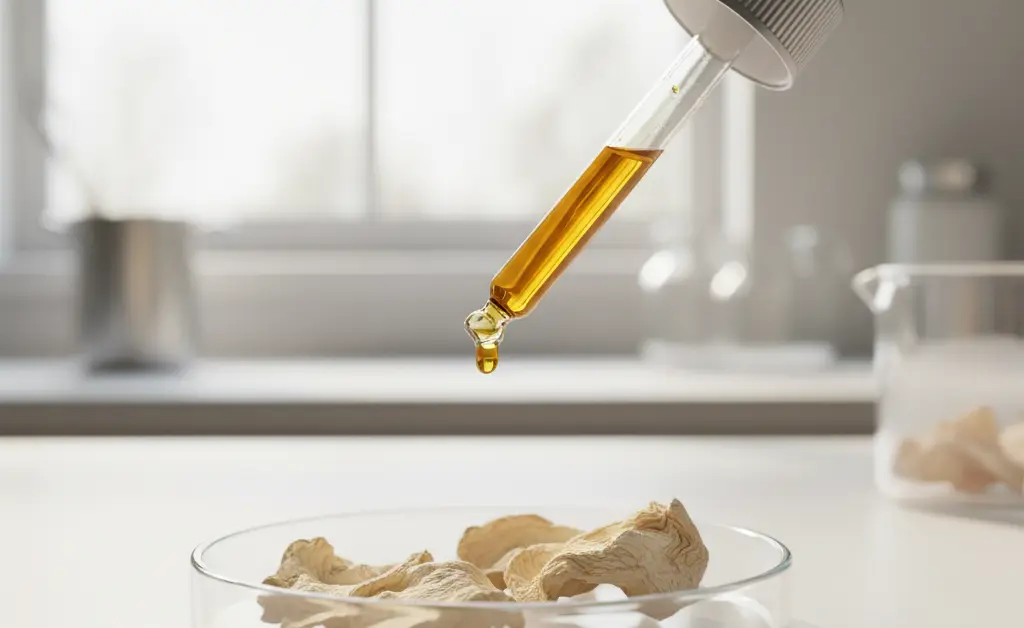
The potency of a lion’s mane mushroom extract largely depends on its extraction method. A dual extraction process, involving both hot water and alcohol, is often preferred as it extracts both water-soluble compounds (like beta-glucans and polysaccharides) and alcohol-soluble compounds (like hericenones and erinacines). Hot water extraction alone is effective for polysaccharides, vital for immune support, while alcohol extraction helps draw out compounds associated with neurogenesis. The concentration ratio (e.g., 8:1) indicates how much raw mushroom material was used to produce the extract, providing insight into its strength. Standardized extracts, which guarantee a certain percentage of active compounds, offer a reliable way to assess and compare potency between products.
Determining Your Ideal Serving Size
Establishing an appropriate serving size for lion’s mane mushroom extract can vary significantly among individuals. Factors such as body weight, individual sensitivities, and desired outcomes can influence the ideal amount. It is generally advised to begin with a low amount to assess personal tolerance and gradually adjust as needed, while always adhering to the manufacturer’s recommendations. Consulting with a qualified health professional can provide personalized guidance tailored to individual health profiles and specific well-being goals, helping to integrate the extract effectively into a daily routine. It’s important to choose the right lion’s mane mushroom supplement for your needs.
When to Take Lion’s Mane for Optimal Results
The optimal timing for taking lion’s mane mushroom extract can vary based on individual preferences and lifestyle. Many users report taking it in the morning, often with breakfast, to support brain function and focus throughout the day. Some individuals enjoy incorporating a warming lion’s mane mushroom tea into their morning routine. Others might prefer splitting their daily amount, with a portion in the morning and another in the afternoon. Consistent daily use is often emphasized over timing for experiencing potential long-term benefits. Experimenting with different timings and observing how your body responds may help determine the most suitable schedule for your personal routine and desired effects.
Common Concerns and Downsides
While generally well-tolerated, some individuals may experience mild common concerns when incorporating lion’s mane mushroom extract into their regimen. These might include digestive upset, such as bloating or stomach discomfort, particularly when starting with higher amounts. As an adaptogen, it is typically considered safe, but individuals with specific allergies to mushrooms should exercise caution. It is always prudent to discuss any new supplement, including lion’s mane, with a healthcare provider, especially if you are taking other medications, to avoid potential interactions or unforeseen side effects.
How Do You Feel After Taking Lion’s Mane?
The experience of taking lion’s mane mushroom extract can be highly individual, and results are typically not immediate. Many users report a subtle, sustained sense of enhanced mental clarity and improved focus over time, rather than a sudden or dramatic change. Some describe a feeling of calm alertness or an improvement in mood support, contributing to overall cognitive well-being. These effects are often associated with the mushroom’s potential influence on nerve growth factor and neurogenesis. It’s important to approach its use with realistic expectations and understand that beneficial outcomes may unfold gradually with consistent intake.
Primary Benefits of Lion’s Mane Mushroom Extract

Support for Brain Function and Cognition
One of the most widely recognized areas of interest for lion’s mane mushroom extract is its potential to support brain function and cognition. Research suggests that compounds within Hericium erinaceus, particularly hericenones and erinacines, may encourage the production of nerve growth factor (NGF). NGF is a crucial protein that supports the growth, maintenance, and survival of neurons, which are vital for healthy brain activity. This neurogenesis may contribute to improved memory, enhanced focus, and overall cognitive function. Exploring lion’s mane mushroom gummies benefits can highlight their unique advantages for daily cognitive support. Users often seek out this medicinal mushroom for its potential to support mental clarity and neuroprotection, making it a popular natural nootropic.
Reinforcing the Immune System
Beyond its cognitive attributes, lion’s mane mushroom extract is also studied for its potential role in reinforcing the immune system. It contains beneficial polysaccharides, including beta-glucans, which are known for their immunomodulating properties. These compounds may interact with the immune system, helping to balance and strengthen its response. By potentially supporting healthy immune function, lion’s mane may contribute to the body’s natural defense mechanisms and resilience. This aspect makes it an interesting adaptogen for overall well-being, complementing its well-known brain support properties.
Ultimately, the growing interest in lion’s mane mushroom extract reflects a broader movement towards natural solutions for well-being. Its potential benefits, particularly in areas of cognitive function and immune support, make it a noteworthy supplement. Understanding the nuances of its forms, quality, and the importance of consistent intake can help individuals integrate this powerful mushroom into their health routine effectively, aiming for optimal benefits.
This information should be viewed as educational rather than medical advice. The content provided is intended for general knowledge and informational purposes only, and does not constitute medical advice, diagnosis, or treatment. Always seek the advice of a qualified healthcare professional for any medical concerns or before making any decisions about your health or treatment. Individual results may vary, and the efficacy of supplements has not always been confirmed by scientific research.
FAQ
— What are the main benefits of taking lion’s mane extract?
Lion’s mane is widely recognized for its potential to support cognitive function, including memory and focus. It also contains compounds that are relevant to nerve health and the production of nerve growth factor, which plays a role in brain plasticity.
— How do I choose a high-quality lion’s mane supplement?
When selecting a high-quality supplement, prioritize products that clearly state they are made from the fruiting body, as this part contains the most beneficial compounds. Opt for extracts over simple powders, and always check for third-party testing to confirm purity and potency.
— What is the difference between lion’s mane extract and powder?
A lion’s mane extract undergoes a specific process, often using hot water or alcohol, to isolate and concentrate the beneficial compounds like beta-glucans and hericenones. In contrast, a simple lion’s mane powder is typically just dried and ground mushroom material, which offers a lower concentration of these active components. This concentration in an extract can make the beneficial compounds more readily available to the body.
— How long does it take to feel the effects of lion’s mane extract?
The timeframe for experiencing effects from lion’s mane extract varies significantly among individuals, as biological responses differ. Consistent daily use over several weeks or even months is generally suggested, as its benefits are often cumulative rather than immediately noticeable.
— Is it safe to take lion’s mane mushroom extract every day?
Lion’s mane mushroom extract is generally considered well-tolerated for daily consumption, especially given its long history of traditional use in various cultures. However, as with any natural supplement, it’s advisable to consult with a healthcare professional to ensure it aligns with your individual health profile and other medications.