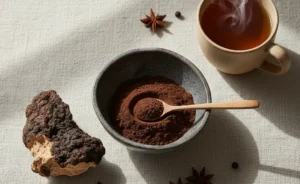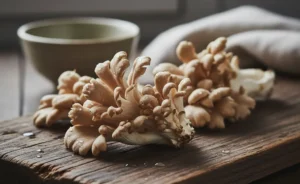

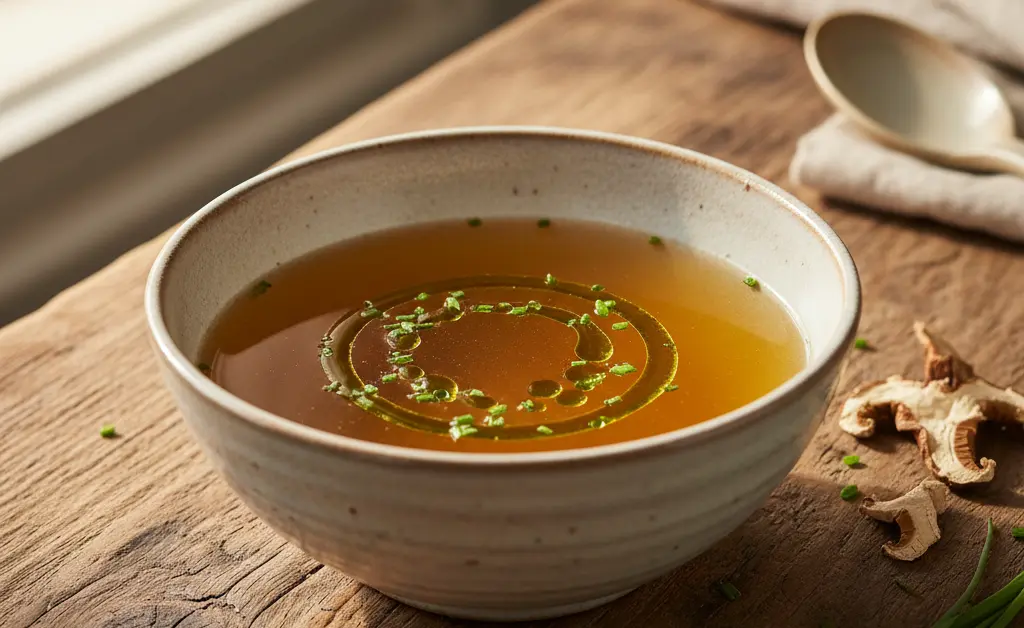
Mushrooms have long been valued for their unique flavors and the distinct wellness properties they bring to the table. Among the many fungi gaining attention, lion’s mane stands out not only for its striking appearance but also for its remarkable versatility in culinary applications. Transforming this fascinating mushroom into a comforting and nutrient-rich liquid offers a sophisticated way to integrate its benefits into daily life. A well-prepared lion’s mane mushroom broth delivers a complex umami profile, making it an excellent base for various dishes or a delightful standalone beverage. This guide explores everything from its flavor nuances and potential health advantages to a practical recipe for crafting your own invigorating broth at home.
Understanding Lion’s Mane Mushroom Broth
Lion’s mane mushroom broth, often made from the mushroom known scientifically as Hericium erinaceus, represents a unique culinary and wellness trend. It offers a gentle yet distinct way to incorporate the essence of this functional mushroom into one’s diet. Unlike some stronger-flavored mushrooms, lion’s mane contributes a delicate complexity that is both inviting and versatile, making it an excellent foundation for a restorative sipping broth or a robust base in various recipes. Its growing popularity stems from both its unique taste and its traditionally recognized wellness associations. To fully appreciate its qualities, understanding how to cook lion’s mane mushroom in various ways is essential.
The Flavor Profile: Earthy, Umami, and Rich
The flavor of lion’s mane is often described as subtly sweet, with a distinct earthy undertone that complements its profound umami notes. When prepared as a broth, these characteristics become even more pronounced, creating a rich and savory flavor profile that can be deeply satisfying. The umami, a fundamental taste that translates to “essence of deliciousness,” is naturally present in lion’s mane, giving the broth a depth that can elevate numerous dishes. This natural savory quality means that a well-crafted broth requires minimal additional seasoning to achieve a complex and enjoyable taste.
Lion’s Mane Broth vs. Traditional Bone Broth
While traditional bone broth is celebrated for its rich flavor and collagen content, lion’s mane mushroom broth offers a compelling alternative, particularly for those seeking a plant-based or vegan broth option. Bone broths derive their richness from animal bones and connective tissues, providing a different set of nutrients. In contrast, a vegan mushroom broth made with lion’s mane provides a unique array of polysaccharides and other compounds inherent to functional mushrooms. It serves as an excellent bone broth alternative, delivering a savory, nourishing liquid that aligns with various dietary preferences while offering its own distinctive nutritional value and earthy aroma.
Potential Health Benefits of Lion’s Mane Mushroom Broth
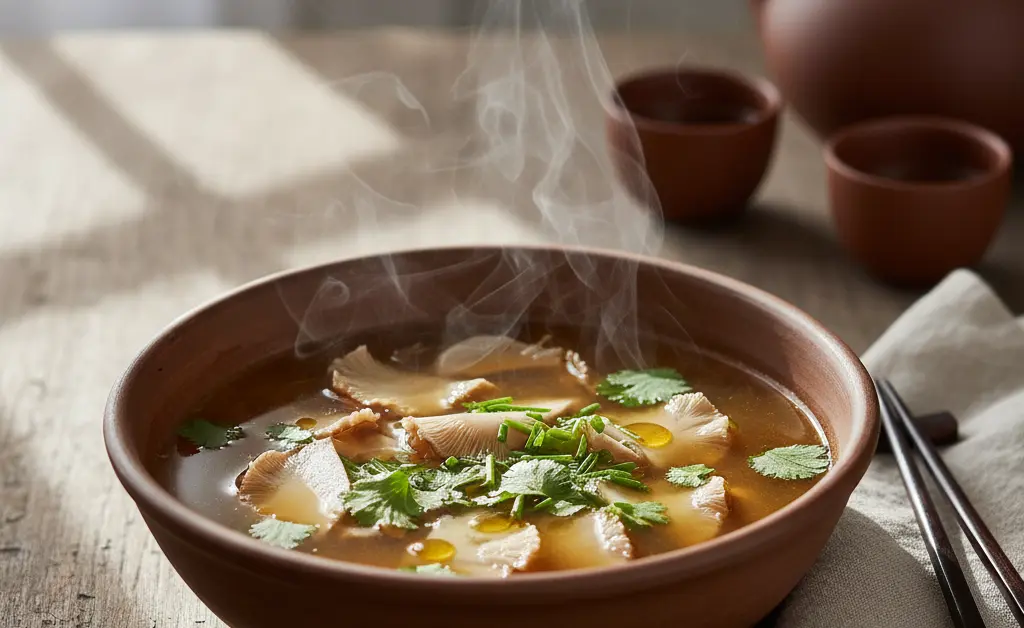
The appeal of lion’s mane mushroom broth extends beyond its savory flavor, encompassing a range of potential wellness benefits associated with its active compounds, such as hericenones and erinacines. This functional mushroom has been studied for its potential adaptogenic and nootropic qualities, which may support overall well-being. More scientific insights can be found on PubMed. Incorporating this broth into a daily routine offers a gentle way to potentially nourish the immune system and support various bodily functions, making it more than just a culinary delight but a healing broth.
As a Warm and Comforting Daily Drink
Many individuals enjoy lion’s mane mushroom broth as a simple, warming sipping broth. Its soothing qualities make it an ideal beverage for any time of day, offering a moment of calm and nourishment. Beyond its comforting warmth, drinking this broth may provide a natural way to support cognitive health, focus, and memory, which are often associated with the nootropic benefits of lion’s mane. Its gentle nature makes it suitable for regular consumption as part of a wellness-focused lifestyle.
Creating a Flavorful Base for Soups and Stews
The rich, umami-laden profile of lion’s mane mushroom broth makes it an exceptional soup base. It can impart a profound depth of savory flavor to a wide variety of culinary creations, from hearty stews to delicate consommés. Using this broth as a foundation not only enhances the taste of your dishes but also integrates the potential benefits of lion’s mane into your meals. It pairs wonderfully with other ingredients, creating a robust and flavorful backdrop that can transform everyday recipes into something extraordinary.
Enhancing Grains, Sauces, and Marinades
Beyond soups and stews, the versatility of lion’s mane mushroom broth shines when used to enhance grains, sauces, and marinades. Cooking rice, quinoa, or other grains in this broth can infuse them with a subtle, earthy richness, elevating their flavor profile. When incorporated into sauces, it adds a layer of umami that can deepen the overall taste experience. Similarly, using the broth as a base for marinades can impart unique savory notes to vegetables, tofu, or other proteins, making it a valuable asset in any kitchen focused on flavor and natural nutrition. Its versatility extends to other preparations, such as a delicious lion’s mane mushroom jerky recipe.
Lion’s Mane Mushroom Broth Recipe
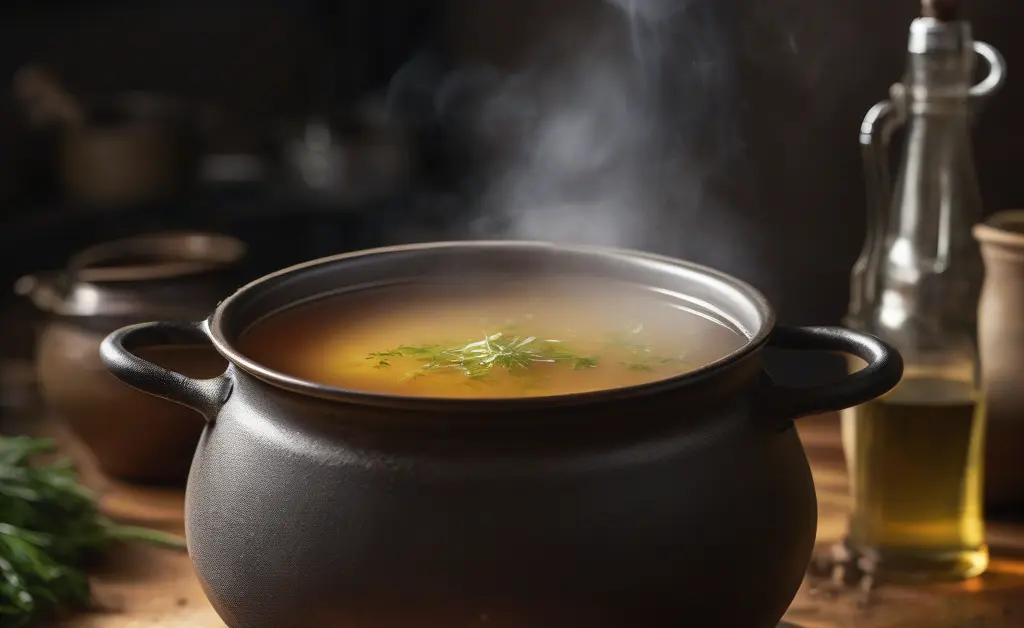
Crafting your own lion’s mane mushroom broth at home allows for control over ingredients and ensures a fresh, potent flavor. The process typically involves a gentle simmer, drawing out the beneficial compounds and delicious essence from the mushrooms. Whether using fresh or dried lion’s mane, the goal is to create a deeply aromatic and savory liquid that captures the unique characteristics of this functional mushroom. Making your own broth is a rewarding culinary endeavor that brings the goodness of hericium erinaceus right to your table. This lion’s mane mushroom recipe details the steps for preparation.
Key Ingredients in a Savory Broth
To create a truly savory and nutritious lion’s mane mushroom broth, a few simple ingredients are often all that is needed. The star, of course, is fresh or dried lion’s mane mushroom. Many wonder, can you eat lion’s mane mushroom raw? Many recipes also incorporate aromatic vegetables like onions, carrots, and celery, along with fresh garlic and ginger for added depth and a warming quality. Herbs such as thyme or bay leaves can further enhance the flavor. Using organic ingredients whenever possible helps ensure a cleaner, higher-quality broth. The slow simmering process allows these simple ingredients to meld, creating a complex and comforting liquid.
How to Choose a High-Quality Lion’s Mane Broth
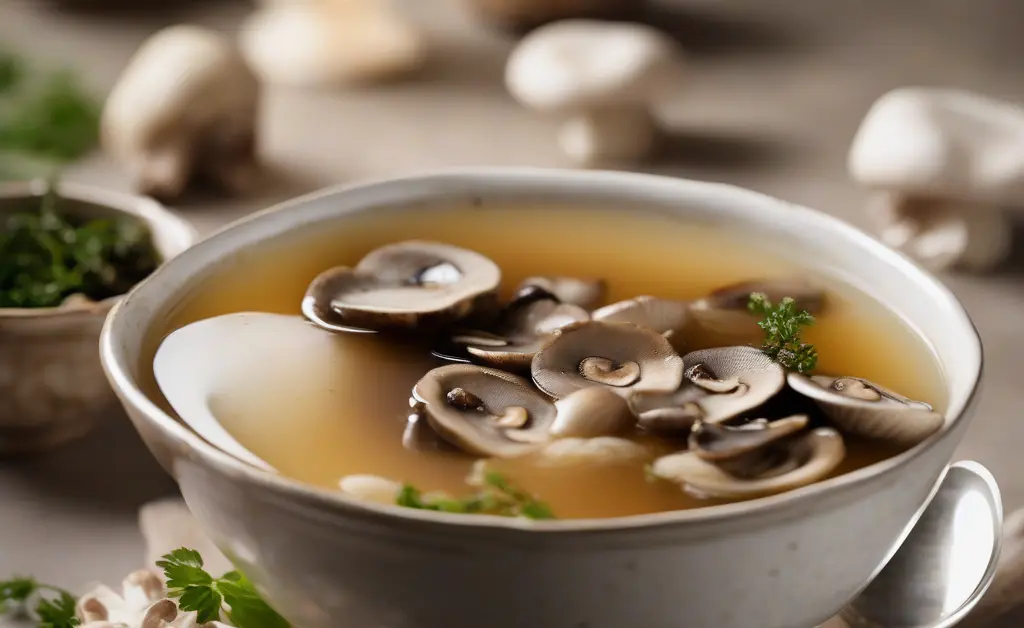
When selecting a pre-made lion’s mane mushroom broth, quality considerations are paramount to ensure you’re getting the most beneficial and flavorful product. Understanding what to look for can help you make an informed choice, whether you’re seeking it for its nootropic benefits, immune support, or simply its rich, earthy taste. Factors such as sourcing, processing, and additional ingredients all play a role in the overall quality and efficacy of the final lion’s mane mushroom broth.
Liquid Broth vs. Powdered Mixes
Consumers often encounter lion’s mane broth in two primary forms: ready-to-use liquid broth and powdered mixes. Liquid broth typically offers a more immediate, fresh flavor profile, closely resembling a homemade stock. These are ideal for direct sipping or as a direct soup base. Powdered mixes, on the other hand, provide convenience and a longer shelf life. When choosing a lion’s mane broth powder, it’s important to check for the concentration of mushroom extract, the presence of fillers, and whether it’s made from the whole fruiting body of the mushroom to ensure maximum benefit. Both options can provide a nourishing experience, but their applications and ingredient profiles may differ significantly.
Lion’s mane mushroom broth offers a versatile and nourishing addition to any diet, blending exceptional flavor with potential wellness advantages. Its distinctive earthy and umami profile makes it a superb base for a myriad of dishes, or a delightful standalone beverage. As awareness of functional mushrooms continues to grow, integrating a high-quality lion’s mane mushroom broth into your culinary routine can be a delicious way to support overall well-being and enjoy a truly unique savory experience.
This information is provided for educational purposes only. It is not intended to be a substitute for professional medical advice, diagnosis, or treatment. Always seek the advice of your physician or other qualified health provider with any questions you may have regarding a medical condition. Individual results may vary, and the potential benefits discussed are based on traditional use and scientific studies that are still ongoing.
FAQ
— What does lion’s mane mushroom broth taste like?
Lion’s mane mushroom broth typically offers a unique savory and slightly sweet flavor, often described as umami-rich with subtle seafood-like notes. It’s less earthy than some other mushroom broths, presenting a delicate yet satisfying profile that can enhance many dishes. The taste is distinctly different from typical vegetable or bone broths.
— What are the benefits of drinking lion’s mane broth?
Lion’s mane mushroom broth delivers the naturally occurring compounds found in the mushroom, such as hericenones and erinacines, which are relevant to neurological health. These compounds are known for their ability to support nerve growth factor synthesis in the body. Consuming it provides a savory way to integrate these beneficial elements into your diet.
— Is lion’s mane broth good for focus and memory?
Lion’s mane has indeed garnered attention for its potential role in cognitive function, including aspects like focus and memory. The unique compounds found in this mushroom are understood to support brain health pathways. Enjoying a warm cup of lion’s mane mushroom broth is a way to incorporate this ingredient into a wellness-focused routine.
— How do you use mushroom broth in cooking?
Mushroom broth is an incredibly versatile ingredient, lending a deep umami flavor to a wide array of dishes. It can serve as a flavorful base for soups, stews, and gravies, or be used to deglaze pans for sauces. Additionally, it makes an excellent liquid for cooking grains like rice or quinoa, imparting a rich, savory depth.
— Can you drink mushroom broth every day?
Many people choose to incorporate mushroom broth into their daily routine as a flavorful and warming beverage or as a cooking liquid. As a food item, it can be enjoyed regularly as part of a balanced diet. However, individual dietary considerations always play a role, so listening to your body is key.
— Does mushroom broth contain collagen?
Typically, mushroom broth does not naturally contain collagen, as collagen is a protein primarily found in animal connective tissues. Plant-based broths, like mushroom broth, offer different nutritional profiles. They are, however, rich in various minerals, vitamins, and unique polysaccharides specific to mushrooms.