
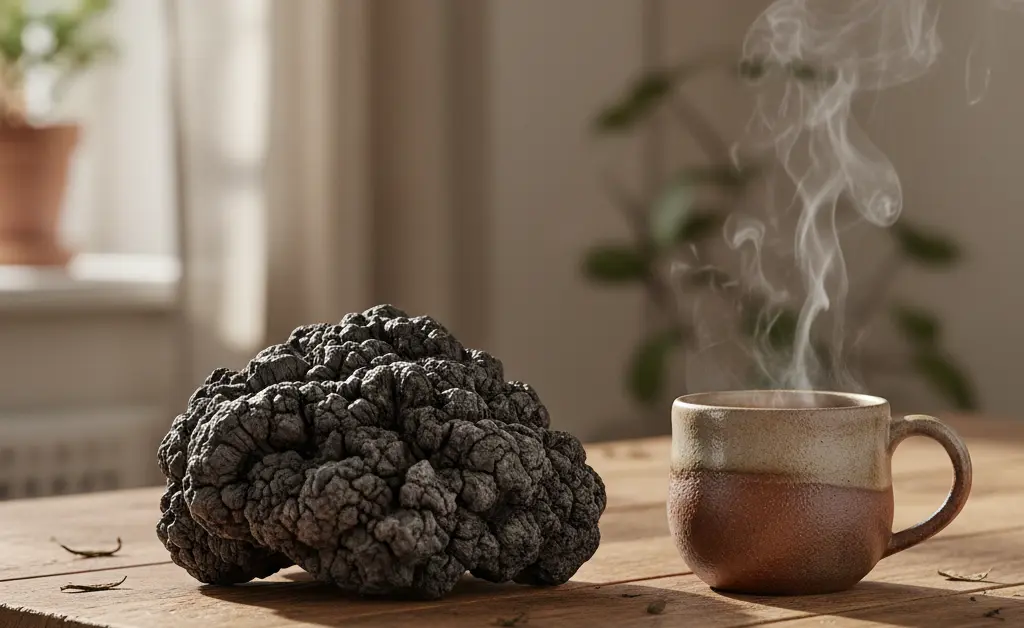
Chaga mushroom has attracted considerable attention for its potential role in supporting cardiovascular health, particularly in regulating blood pressure. As hypertension remains a prevalent condition worldwide, identifying natural adjuncts that may contribute to maintaining healthy blood pressure levels is increasingly important. This article explores the scientific and traditional perspectives on the effects of chaga mushroom for blood pressure, delving into its bioactive compounds, antioxidant properties, and mechanisms of action. By examining current research alongside traditional uses, readers can gain a comprehensive understanding of how this unique fungus may complement conventional approaches to blood pressure management.
How Chaga Mushroom Affects Blood Pressure
Mechanisms of Blood Pressure Regulation
Blood pressure is a complex physiological measure managed by multiple systems within the body, including the nervous system, hormones, and kidney function. A key factor is vascular tone—the degree of constriction or relaxation of blood vessels. When vessels relax (a process known as vasodilation), blood flows more easily, and pressure decreases. Conversely, constriction increases pressure. Certain natural compounds are studied for their potential to support vasodilation. Additionally, factors like inflammation and oxidative stress can impair the function of the endothelium, the delicate lining of blood vessels, disrupting its ability to regulate tone. Compounds that help reduce inflammation and oxidative stress are therefore of interest for maintaining healthy vascular function and, consequently, balanced blood pressure.
Bioactive Compounds in Chaga Affecting Blood Pressure
Chaga mushroom (Inonotus obliquus) is rich in a variety of bioactive compounds that contribute to its health-supporting properties. These compounds are responsible for many of the chaga mushroom benefits. Among the most significant are polyphenols, triterpenoids, and polysaccharides. Polyphenols are powerful antioxidants that help protect cells from damage. Triterpenoids, such as betulinic acid (derived from the birch trees on which chaga grows), have been investigated for their anti-inflammatory properties. These compounds may help support the health of blood vessel walls by mitigating chronic inflammation. Furthermore, certain polysaccharides found in chaga are thought to support immune function and may have a modulating effect on various bodily systems, contributing indirectly to overall cardiovascular wellness.
Antioxidant Effects Related to Blood Pressure
One of the most well-documented properties of chaga is its high antioxidant capacity. It contains a remarkable concentration of superoxide dismutase (SOD) and other antioxidants that combat oxidative stress. Oxidative stress occurs when there is an imbalance between free radicals and the body’s ability to neutralize them. In the cardiovascular system, this can lead to endothelial dysfunction, making blood vessels stiff and less responsive. By neutralizing excess free radicals, the antioxidants in chaga may help protect the endothelium, promoting flexibility and proper function of the blood vessels, which is fundamental for healthy blood pressure regulation.
Scientific Evidence on Chaga and Blood Pressure

Summary of Clinical Studies
The scientific exploration of chaga’s direct effects on human blood pressure is still in its early stages. Currently, there is a notable lack of large-scale human clinical trials specifically designed to measure this outcome. Most of the available research comes from preclinical models, including in vitro (laboratory) and animal studies. These preliminary studies have often focused on the mechanisms of chaga’s bioactive compounds, such as their antioxidant and anti-inflammatory activities. For instance, some research suggests that certain extracts may promote vasodilation in isolated tissues. While promising, these findings do not directly translate to humans. Therefore, the use of chaga mushroom for blood pressure is primarily supported by its known biochemical properties and traditional use rather than robust clinical evidence.
Limitations of Current Research on Chaga and Blood Pressure
The primary limitation in understanding chaga’s role in blood pressure management is the absence of human studies. Animal and lab results can provide valuable clues about potential mechanisms but cannot predict efficacy or safety in people. Another significant challenge is the lack of standardization in chaga products; the concentration of bioactive compounds can vary widely depending on the mushroom’s origin, age, and preparation method. Without standardized extracts, it is difficult to conduct replicable studies and establish effective guidelines. Future research needs to include well-designed, placebo-controlled human trials to validate the preliminary findings and determine the true potential of chaga for cardiovascular support.
Chaga Mushroom for Blood Pressure: Traditional Uses
Traditional Use of Chaga Mushroom for Circulatory Health
For centuries, chaga mushroom has been a staple in the traditional medicine systems of Siberia, Russia, and other northern European regions. It was revered as a health tonic to boost vitality, support the immune system, and promote longevity. While traditional healers may not have used the term “blood pressure,” they often employed chaga to support what we now call circulatory health. It was prepared as a tea or decoction and consumed regularly to maintain overall wellness and resilience. This historical context provides a foundation of anecdotal evidence, suggesting a long-standing belief in chaga’s ability to support the body’s vital systems, including the heart and blood vessels.
Potential Benefits of Chaga Mushroom on Cardiovascular Health

Potential Cardiovascular Benefits Beyond Blood Pressure
Chaga’s potential to support cardiovascular health may extend beyond its influence on blood pressure. Its powerful anti-inflammatory and antioxidant properties can contribute to a healthier circulatory system overall. Chronic inflammation is a known risk factor for various cardiovascular issues, and compounds in chaga may help modulate inflammatory pathways. Some preliminary research also suggests that chaga may play a role in supporting healthy cholesterol levels, another crucial component of heart health. By addressing underlying factors like oxidative stress and inflammation, the consistent use of chaga mushroom for blood pressure may be part of a broader strategy to maintain long-term cardiovascular well-being. While these cardiovascular benefits apply broadly, there are also specific chaga mushroom benefits for men related to vitality and overall wellness.
Duration and Onset of Effects on Blood Pressure
Given the lack of human clinical trials, there is no established timeframe for when or if chaga might influence blood pressure. As a natural adaptogen, any potential effects are expected to be gradual and cumulative rather than immediate. Its mechanism is not like that of a pharmaceutical drug designed for rapid intervention. Instead, chaga is thought to work by supporting the body’s own regulatory systems over time. The onset and degree of any effect would likely depend on numerous variables, including an individual’s overall health, lifestyle, diet, and the specific chaga preparation being used. It is best viewed as a long-term supportive element within a holistic health plan. Its adaptogenic nature means it supports various bodily systems, which is why some also explore chaga mushroom for menopause support.
Safety Considerations When Using Chaga Mushroom for Blood Pressure
Safety and Precautions for Blood Pressure Management
While chaga is generally well-tolerated by many, it is important to exercise caution. Chaga contains high levels of oxalates, which could be a concern for individuals with a history of kidney stones or kidney disease. Anyone with a pre-existing health condition, especially those related to blood pressure, blood sugar, or autoimmune disorders, should consult a healthcare professional before adding chaga to their regimen. It is crucial to discuss its use with a doctor, particularly if you are taking prescription medications for hypertension or other conditions, to avoid potential interactions.
Interactions with Lifestyle Factors Affecting Blood Pressure
It is essential to understand that no supplement can replace foundational lifestyle habits for managing blood pressure. The potential benefits of using chaga mushroom for blood pressure are best realized when integrated into a comprehensive wellness strategy. This includes maintaining a balanced diet low in sodium and processed foods, engaging in regular physical activity, managing stress effectively, and getting adequate sleep. The CDC emphasizes the importance of these lifestyle changes for heart health. Chaga should be seen as a complementary support, not a singular solution. Its supportive role is amplified by healthy lifestyle choices that address the root causes of cardiovascular strain.
Preparation Methods of Chaga Mushroom for Blood Pressure Support

Different Preparation Techniques for Chaga Mushroom
Chaga is typically consumed after being processed to make its bioactive compounds available. The most traditional method is preparing a tea or decoction. This involves simmering chunks or grounds of chaga in hot water for an extended period to extract the water-soluble components, such as polysaccharides and polyphenols. Another common form is a tincture, which uses alcohol to extract different compounds, including the triterpenoids. Finally, chaga is widely available as a powdered extract, which can be easily mixed into hot water, smoothies, or other beverages, offering convenience and often a more concentrated product. The benefits of chaga mushroom powder are linked to this convenience and concentration.
Comparing Tea and Supplement Forms for Blood Pressure
Choosing between chaga tea and supplements often comes down to personal preference and lifestyle. Chaga tea provides a gentle, whole-food approach that aligns with traditional use. The ritual of preparing the tea can also be a mindful practice. On the other hand, supplements in the form of capsules or standardized powders offer convenience, portability, and a consistent, measurable amount of extract. For those interested in using chaga mushroom for blood pressure support, a supplement may provide a more reliable concentration of specific bioactive compounds. However, both forms can be effective ways to incorporate chaga into a daily routine, and the best choice is one that can be used consistently over time.
In summary, while the direct scientific evidence from human trials is still developing, the traditional use and biochemical profile of chaga mushroom suggest it may offer supportive benefits for cardiovascular health. Its rich antioxidant and anti-inflammatory properties can help protect blood vessels and reduce oxidative stress, which are key factors in maintaining healthy circulation. As with any natural supplement, it is crucial to approach the use of chaga mushroom for blood pressure as part of a holistic wellness plan and always under the guidance of a qualified healthcare provider.
This article is for informational purposes only and does not constitute medical advice. The information contained herein is not intended to diagnose, treat, cure, or prevent any disease. Always consult with a qualified healthcare professional before making any changes to your diet, supplement regimen, or lifestyle. Do not use this information to self-diagnose or self-treat any health-related condition.
FAQ
— Does chaga mushroom really lower blood pressure?
Current research is exploring the potential health implications of chaga mushroom. Some studies suggest that compounds within chaga may be associated with various physiological effects, including those relevant to vascular health. It’s important to understand that comprehensive clinical trials specifically on chaga mushroom for blood pressure regulation are still evolving.
— How do you prepare chaga tea for blood pressure?
The traditional preparation of chaga often involves simmering pieces of the mushroom in hot water to create an earthy infusion. This method is commonly employed to extract its various beneficial compounds. Many choose to prepare it as a simple tea for its warm, comforting qualities.
— Can chaga mushroom interact with blood pressure medications?
It is crucial to consult with a healthcare professional before incorporating chaga if you are taking any medications, especially those for blood pressure management. Chaga contains bioactive compounds that could potentially influence physiological processes, which might interact with prescription drugs. A medical expert can provide personalized guidance regarding possible interactions.
— How long does it take for chaga mushroom to affect blood pressure?
Individual responses to botanical supplements can vary significantly. There is no universally established timeline for observing specific physiological effects from chaga mushroom consumption. The scientific understanding of its long-term impact and the rapidity of any potential effects is still developing.
— Are there any risks associated with using chaga mushroom for blood pressure?
While generally considered safe for many, some individuals might experience adverse reactions to chaga mushroom. Potential risks could include digestive upset or allergic responses in sensitive individuals. It is always prudent to discuss any concerns with a healthcare provider before introducing new supplements into your regimen.
— What are the traditional uses of chaga mushroom related to blood pressure?
Traditionally, chaga mushroom has been referenced in various folk wellness practices, particularly in Eastern European and Siberian cultures. Its historical uses often centered on general vitality and supporting overall well-being. These traditional accounts do not typically align with specific modern medical conditions.
— Is chaga mushroom safe for long-term use in blood pressure management?
The long-term safety profile of chaga mushroom, particularly in the context of managing specific health conditions, is still an area of ongoing research. While short-term consumption may be well-tolerated by many, individuals considering prolonged use should do so under the guidance of a qualified healthcare practitioner. They can offer advice tailored to individual health circumstances.







