Many consumers approach the world of beneficial fungi with the understanding that their advantages are largely interchangeable, often choosing a supplement based on general popularity rather than specific mechanisms. However, this perspective overlooks the nuanced differences that define each variety’s unique therapeutic potential. While both are celebrated for their health-promoting properties, understanding their distinct biological compounds and physiological impacts is crucial for informed choices. This detailed exploration delves into the specific benefits, active constituents, and applications of turkey tail mushroom vs cordyceps, aiming to clarify how these two potent fungi contribute to well-being in different, yet equally valuable, ways. By discerning their individual strengths, individuals can better align their supplement choices with their personal health objectives.
Turkey Tail Mushroom vs Cordyceps: A Comprehensive Comparison

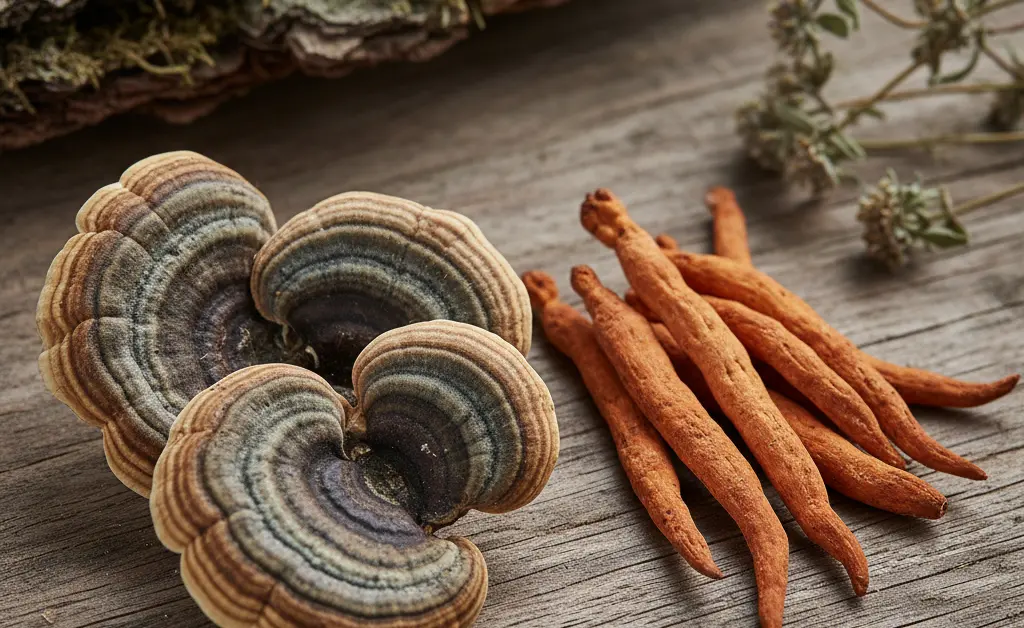
The world of functional mushrooms offers a diverse array of natural compounds, each with unique properties. Among the most well-researched are the turkey tail mushroom (Trametes versicolor) and cordyceps (primarily Cordyceps sinensis and Cordyceps militaris). While both are highly valued in traditional medicine systems and modern wellness practices, their primary mechanisms of action and associated benefits differ significantly, making a clear distinction essential for those considering the turkey tail mushroom vs cordyceps for specific health goals.
Turkey tail mushroom is widely recognized for its profound influence on immune health. Its potent effects are largely attributed to its rich content of polysaccharides, particularly polysaccharide K (PSK) and polysaccharopeptide (PSP). These beta-glucans are studied for their ability to support the immune system by modulating immune cell activity. Traditionally, turkey tail has been utilized to help maintain overall vitality and resilience. Beyond immune support, it is also explored for its antioxidant properties and its potential role in supporting a balanced gut microbiome, which is intrinsically linked to immune function.
In contrast, cordyceps is traditionally celebrated for its adaptogenic qualities, often associated with energy, stamina, and respiratory health. Its key bioactive compounds include cordycepin and adenosine, which are studied for their potential to support cellular energy production and oxygen utilization. Cordyceps has a long history of use in traditional Eastern medicine for promoting physical endurance and vitality. It is also often discussed in the context of athletic performance, stress reduction, and maintaining kidney and liver health. The adaptogenic nature of cordyceps suggests it may help the body adapt to various stressors and maintain equilibrium.
Choosing the Right Mushroom: Turkey Tail or Cordyceps?
Deciding between the turkey tail mushroom vs cordyceps depends largely on individual health objectives and desired outcomes. Each fungi offers a distinct profile of benefits, making them suitable for different applications in a wellness routine. Understanding these differences can guide consumers toward a more informed choice.
For individuals primarily focused on bolstering their immune defenses and supporting gut health, turkey tail mushroom may be the more appropriate choice. Its well-documented polysaccharides, PSK and PSP, are central to its reputation as an immune modulator. It is often considered by those looking for natural support to maintain a robust immune system and a healthy internal environment. The antioxidant properties of turkey tail also contribute to cellular protection, which is vital for overall well-being.
Conversely, if the goal is to enhance energy levels, improve stamina, or support athletic performance, cordyceps might be the preferred option. Its active compounds, such as cordycepin, are studied for their role in supporting the body’s energy pathways and respiratory efficiency. Cordyceps is also valued as an adaptogen, potentially assisting the body in managing stress and promoting a sense of balanced vitality. Those seeking support for physical endurance or mental clarity under pressure may find cordyceps more aligned with their needs.
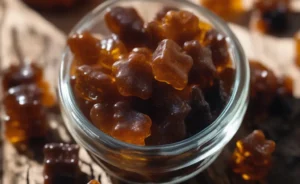
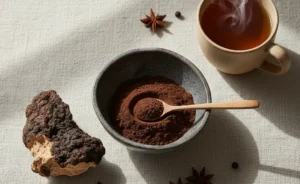
Both fungi are available in various supplement forms, including extracts, powders, tinctures, and capsules. Extracts are often preferred for their concentrated bioactive compounds, ensuring a more potent effect. The choice of form may depend on convenience, absorption preferences, and specific product formulations.
Can You Take Turkey Tail and Cordyceps Together?
Many individuals exploring the benefits of functional fungi often wonder if it is beneficial or safe to combine different types. In the case of turkey tail and cordyceps, combining them may offer a broader spectrum of benefits due to their complementary properties. Turkey tail focuses primarily on immune system modulation and gut health, while cordyceps is more associated with energy, stamina, and adaptogenic support.
When taken together, these two mushrooms could potentially provide a more holistic approach to well-being. The immune-supporting effects of turkey tail may complement the energy-boosting and stress-reducing properties of cordyceps. This synergistic approach could address various aspects of health simultaneously, offering comprehensive support for vitality, resilience, and daily performance. As with any supplement combination, it is wise to introduce them gradually and observe the body’s response. For comprehensive health information and guidance, resources such as the NHS can be helpful.
Ultimately, the choice between turkey tail and cordyceps, or the decision to combine them, should align with individual health aspirations. Both functional fungi offer distinct, yet valuable, contributions to a holistic wellness regimen. Turkey tail excels in immune and gut support, while cordyceps shines in energy and adaptogenic capacities. Understanding these differences empowers individuals to make informed decisions that best suit their unique physiological needs and lifestyle goals.
This article is meant for general informational use and awareness. It is not intended to provide medical advice, diagnosis, or treatment for any health condition or disease. Always consult with a qualified healthcare professional before starting any new supplement regimen, especially if you have pre-existing health conditions or are taking other medications. Individual responses to supplements may vary, and the information presented here should not be used as a substitute for professional medical guidance.
FAQ
— What are the main differences between Turkey Tail and Cordyceps?
The main differences between turkey tail mushroom vs cordyceps lie in their primary traditional uses and bioactive compounds. Turkey Tail is widely recognized for its robust immune-modulating properties and support for gut health, largely due to its high content of polysaccharide-peptides. Cordyceps, on the other hand, is known for its role in supporting energy levels, athletic performance, and respiratory function through compounds like cordycepin.
— Which mushroom is better for immune support, Turkey Tail or Cordyceps?
Turkey Tail is particularly well-regarded for its significant immune-modulating capabilities, often studied for its rich content of beta-glucans and PSP/PSK polysaccharides that interact with immune cells. While Cordyceps also exhibits some immune-supportive properties, its primary focus is more commonly associated with energy metabolism and respiratory health. Therefore, for broad-spectrum immune support, Turkey Tail has a more prominent and extensively researched profile.
— Is it safe to take Turkey Tail and Cordyceps together?
Many functional mushrooms are generally considered compatible and well-tolerated when taken together. Combining Turkey Tail and Cordyceps is a common practice, as their distinct benefits can complement each other without known contraindications for most individuals. However, as with any natural product, individual responses can vary, and it is always advisable to consult a healthcare professional for personalized guidance.
— Which mushroom is better for energy and stamina?
Cordyceps is widely recognized for its association with energy, stamina, and athletic performance, a reputation stemming from its potential to support the body’s natural production of ATP, the primary energy currency of cells. It is relevant to physical endurance and oxygen utilization. Turkey Tail, while promoting overall wellness that indirectly supports vitality, does not have the same direct link to energy metabolism.
— Do Cordyceps offer benefits for stress like Turkey Tail does for gut health?
While Turkey Tail is well-studied for its profound impact on gut health and the microbiome due to its prebiotic properties, Cordyceps is more often discussed in relation to its adaptogenic qualities, which help the body manage various stressors. Cordyceps can play a role in supporting the body’s resilience and maintaining balance in the face of daily challenges, though its primary mechanism differs from Turkey Tail’s specific gut-modulating actions.
— What are the shared health benefits of Turkey Tail and Cordyceps?
Both Turkey Tail and Cordyceps contribute to overall wellness through various mechanisms. They are both known for containing antioxidant compounds that help protect cells from oxidative stress and play a role in supporting general immune function, albeit through different primary bioactive compounds and pathways. This broad support for cellular health and resilience is a common thread between them.