Mushrooms are a common sight in many Irish woodlands and fields throughout the year, appearing in various forms and fulfilling diverse ecological roles. Among these, certain fungi have garnered significant interest for their unique appearance and properties. This growing curiosity extends to species like turkey tail, known scientifically as *Trametes versicolor*, which is native to various regions globally. For those looking to explore its presence and availability, understanding the landscape for turkey tail mushroom Ireland is key. This guide will delve into its identification, ecological context, and the current purchasing and regulatory environment for this distinctive fungus across the country.
Turkey Tail Mushroom Ireland: Where to Buy & Availability
The availability of turkey tail mushroom Ireland for purchase is a complex topic, primarily due to the stringent EU Novel Food Regulations. While *Trametes versicolor* is indigenous to Ireland and can be found growing in the wild, its commercial sale and supply as a food ingredient or supplement is subject to these regulations. This framework defines “Novel Food” as food that has not been widely consumed by humans in the EU before May 1997. For many fungi, including turkey tail, demonstrating a history of significant consumption can be challenging, leading to a classification that requires specific authorization before market entry. Consequently, consumers might find it difficult to source commercially processed Turkey Tail products through conventional retail channels in Ireland, necessitating a look at specialized or international suppliers who navigate these specific regulatory hurdles.
Identifying Turkey Tail in the Irish Landscape
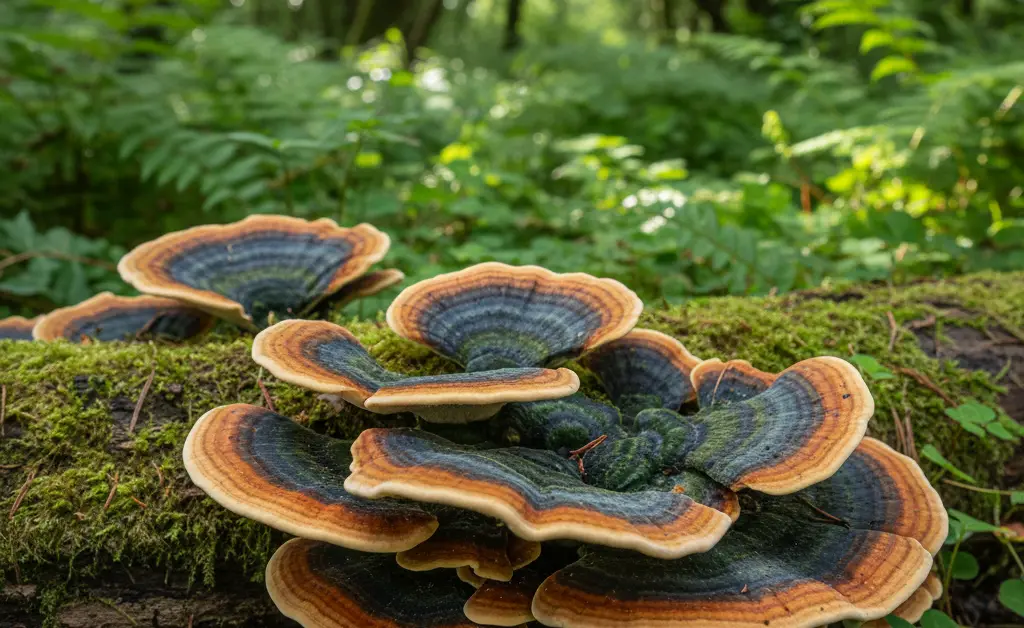
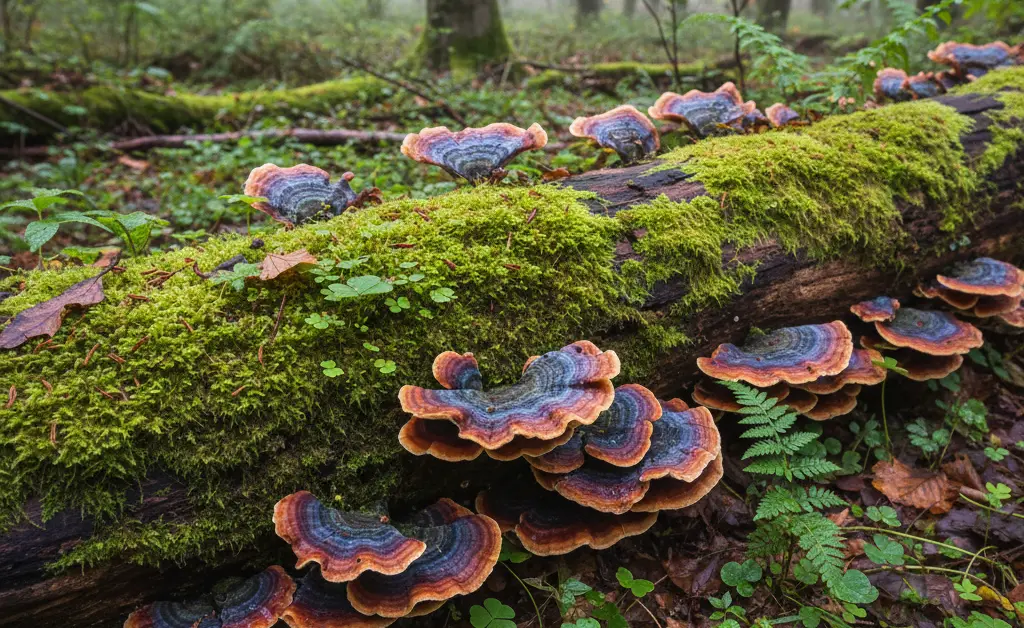
Identifying wild turkey tail (*Trametes versicolor*, also known as *Coriolus versicolor*) in the Irish landscape requires a keen eye and some familiarity with native fungi Ireland. This distinctive polypore mushroom typically grows in a fan-like or bracket shape on decaying wood, including fallen logs and dead trees. Its most striking feature is its vibrant, concentric rings of color, often ranging from browns, greys, and blacks to blues, greens, and reds, resembling a turkey’s tail feathers. The underside of the mushroom is crucial for identification; it should be covered in tiny, barely visible pores, not gills, which makes it a true polypore. Beginners in mycology Ireland should always exercise caution and, if in doubt, consult with experienced foragers or field guides to avoid misidentification, as several other fungi can look similar.
Ecological Role and Habitat in Ireland
In Ireland, turkey tail mushroom plays a vital ecological role as a saprophytic fungus. It thrives on dead trees and decaying wood, particularly hardwoods like oak and beech, contributing significantly to the decomposition process. This helps recycle nutrients back into the ecosystem, supporting overall biodiversity Ireland. Its presence is an indicator of healthy woodland ecosystems and fungal heritage. You’ll often find it growing in shelf-like clusters on logs and stumps in mature forests across the country, particularly in damp, shaded environments conducive to its mycelium growth. Its widespread distribution as an indigenous species highlights its integral part in Ireland’s natural heritage protection and forest health.
Challenges for Irish Foragers and Growers
Foraging for wild turkey tail mushrooms in Ireland presents several challenges. Beyond the need for accurate identification to avoid poisonous look-alikes, foragers must consider sustainable practices to protect local fungal populations. Over-foraging can impact the delicate balance of forest ecosystems and reduce future availability. Moreover, while personal foraging for consumption is generally permissible, legal foraging for commercial purposes, especially involving specific species, can fall under various regulations, including food safety regulations, though wild turkey tail itself is not regulated as a protected species. For potential growers, cultivating *Trametes versicolor* requires specific conditions, often mimicking its natural habitat on wood substrates, which can be an intensive process. The regulatory framework, particularly concerning the commercial supply of any cultivated or wild-harvested mushroom, can add a layer of complexity.
Turkey Tail tincture Ireland
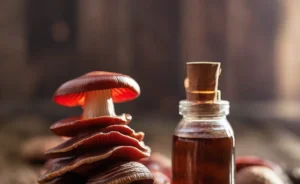
Turkey Tail tincture Ireland represents one of the most common forms in which this mushroom is consumed, offering a concentrated way to access its beneficial compounds. Tinctures are typically made by extracting the mushroom’s components in alcohol or a glycerin solution, creating a liquid supplement. While the raw or dried turkey tail mushroom Ireland faces specific hurdles under EU Novel Food Regulations for commercial sale, some vendors may offer tinctures, often highlighting their traditional use. Consumers seeking these fungal extracts should carefully research suppliers, ensuring they adhere to quality standards and provide clear information regarding the sourcing and processing of their Turkey Tail products. The legality surrounding such preparations can vary, depending on how they are marketed and whether they fall under food, supplement, or herbal product classifications.
Turkey tail mushroom ireland reviews
When considering the purchase of turkey tail mushroom Ireland, especially in supplement form, consulting online reviews can offer valuable insights. Many consumers share their experiences with various Turkey Tail products, discussing aspects like product quality, ease of use, and perceived general well-being effects. These Turkey Tail mushroom Ireland reviews often reflect a growing interest in mushroom benefits, with users frequently searching for reputable brands and effective formulations. While reviews are subjective and should not replace professional advice, they can provide a communal perspective on product efficacy and customer service. It is advisable to look for reviews that mention third-party testing, transparent sourcing, and positive feedback regarding product consistency and purity.
Restrictions on Commercial Sale and Supply
The restrictions on commercial sale and supply of turkey tail in Ireland are primarily dictated by EU food law, specifically the Novel Food Regulation (EU) 2015/2283. This regulation requires any food not widely consumed in the EU before May 1997 to undergo a pre-market authorization process based on a safety assessment. *Trametes versicolor*, despite being an indigenous species, often falls into this “Novel Food” category due to a lack of documented widespread consumption history within the EU prior to the cut-off date. This means that, without explicit authorization from the European Commission, it is generally not permitted to place turkey tail mushroom or its extracts on the market as a food or food ingredient in Ireland. This regulatory framework significantly impacts the commercial availability of Turkey Tail products, making it a challenging landscape for suppliers and consumers alike.
Calls for Review and Policy Adjustments
There are increasing calls for review and policy adjustments regarding the classification of certain traditional and indigenous species, including turkey tail mushroom Ireland, under the EU Novel Food Regulations. Advocates, including mycological societies and natural product associations, argue that the current framework can inadvertently restrict access to natural products with long histories of traditional use outside the EU, or even within the EU if documentation is insufficient. These discussions often highlight the need for a more nuanced approach that balances food safety regulations with the recognition of traditional knowledge and the potential for sustainable sourcing of indigenous species. Policy adjustments could potentially streamline the authorization process for well-documented species, fostering both economic opportunities and better access to a wider range of natural products for consumers interested in turkey tail mushroom Ireland.
Exploring the world of turkey tail mushroom in Ireland reveals a rich ecological presence alongside a complex regulatory environment. While the fungus thrives naturally in Irish woodlands, its journey from forest floor to commercial shelf is fraught with legal and logistical challenges. Foragers must prioritize sustainable practices, and consumers seeking Turkey Tail products should navigate a market shaped by stringent EU Novel Food regulations. As interest in natural health and indigenous species continues to grow, ongoing discussions around policy adjustments may eventually open new avenues for the broader availability and understanding of this fascinating mushroom across the country.
This content is for informational use and should not be considered medical instruction. It is not intended to provide medical advice, diagnosis, or treatment. Always consult with a qualified healthcare professional before making any decisions related to your health or before starting any new dietary supplement. Individual results may vary, and the information provided does not guarantee specific outcomes. Reliance on any information provided in this article is solely at your own risk.
FAQ
— Is Turkey Tail mushroom indigenous to Ireland?
Turkey Tail (Trametes versicolor) is indeed a common sight across Ireland, thriving on dead wood in woodlands and forests. It is considered indigenous to the region, playing a vital role in natural decomposition processes within Irish ecosystems.
— What are the EU Novel Food Regulations concerning Turkey Tail in Ireland?
Under EU Novel Food Regulations, any food product not widely consumed in the EU before May 1997 needs specific authorization. Turkey Tail extracts and supplements fall into this category, requiring a pre-market safety assessment and approval process before they can be legally sold as food ingredients or supplements within the European Union, including in Ireland.
— How do EU regulations affect the sale of Turkey Tail products in Ireland?
The Novel Food regulations significantly impact the availability of Turkey Tail products for sale in Ireland. Unless a specific Turkey Tail ingredient or extract has undergone the rigorous Novel Food authorization process and received approval, its commercial sale as a food or food supplement is restricted. This ensures consumer safety and adherence to established EU food laws.
— Why is Turkey Tail considered under threat in Ireland?
While Turkey Tail is generally a widespread and common species in Ireland, the broader fungal biodiversity faces potential threats from habitat loss and climate change. Degradation of native woodlands, removal of dead wood, and changes in environmental conditions are factors that can impact fungal populations over time. Therefore, preserving diverse forest ecosystems is relevant to the long-term health of all native fungi.
— Are there efforts to protect native fungi like Turkey Tail in Ireland?
Conservation efforts in Ireland often focus on protecting habitats like native woodlands and ancient forests, which in turn benefits a wide range of native fungi, including Turkey Tail. Organizations and researchers work to survey fungal diversity and raise awareness about the ecological importance of these organisms. These initiatives help to ensure the preservation of fungal ecosystems.
— Is it legal to forage Turkey Tail mushrooms in Ireland?
Foraging Turkey Tail mushroom ireland is generally permissible, provided you have explicit permission from the landowner. While there are no specific laws prohibiting the collection of wild fungi for personal use on public land, always prioritize ethical foraging practices to ensure sustainability and respect for the natural environment.