Picture a quiet morning, perhaps contemplating natural supplements or exploring traditional remedies for wellness. Amidst the array of botanicals, the distinctive, fan-shaped turkey tail mushroom often draws attention due to its vibrant patterns and acclaimed health properties. While its use is global, its specific history and terminology in certain regions are of particular interest. This article offers a detailed look into turkey tail mushroom in Chinese, exploring its historical nomenclature, traditional applications, and its esteemed role within Traditional Chinese Medicine. Join us as we uncover the significance of this ancient fungus and its deep roots in Chinese culture and healing practices.
What is Turkey Tail Mushroom Called in Chinese?
Understanding the common name for the turkey tail mushroom in Chinese provides a window into its cultural and historical significance. While it is known globally by its striking common name and scientific classifications like Trametes versicolor or Coriolus versicolor, its identity in Chinese culture is deeply embedded in its appearance and perceived properties. It’s interesting to note the turkey tail mushroom in different languages around the world.
Beyond China, one might also wonder what is the turkey tail mushroom in Russian.
Yun Zhi (云芝): The Chinese Name and Its Origins
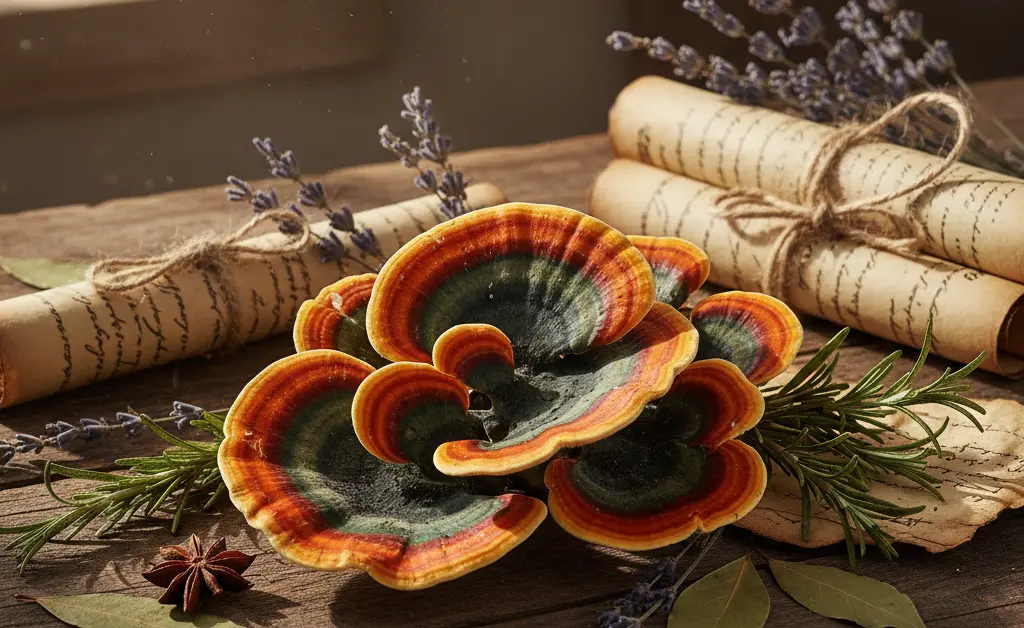
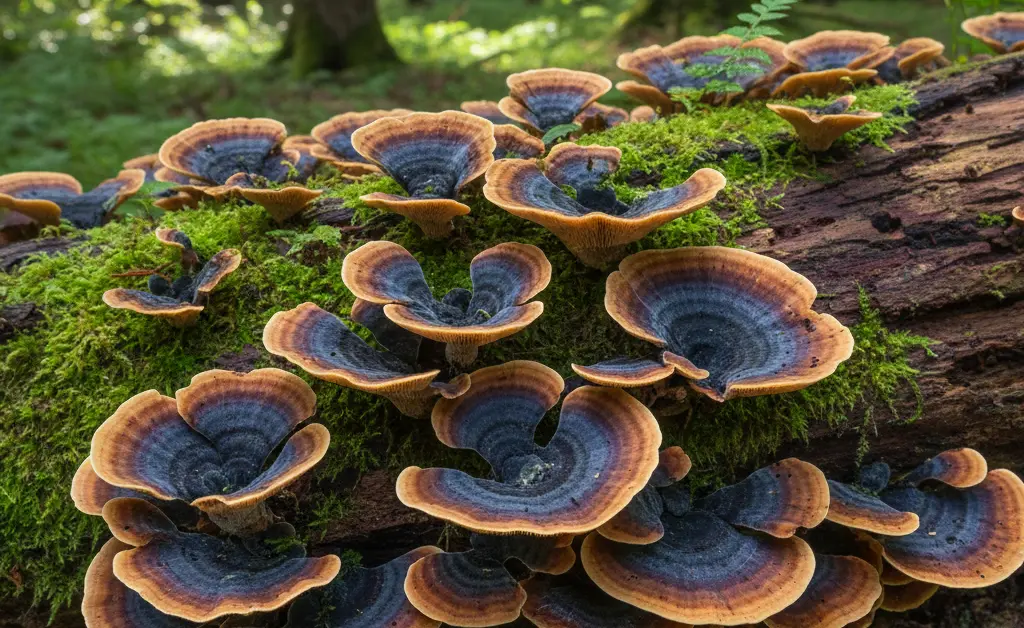
The most widely recognized Chinese name for the turkey tail mushroom is Yun Zhi (云芝). This name directly translates to “cloud mushroom,” a poetic description that perfectly captures the mushroom’s appearance. Its fan-like, overlapping caps, often displaying concentric rings of various colors, resemble delicate clouds or swirling patterns in the sky. This imagery not only highlights its visual appeal but also hints at its ethereal qualities within traditional Chinese thought. The name Yun Zhi has been used for centuries, reflecting a long-standing appreciation for this particular fungus within Chinese herbal traditions.
History of Turkey Tail (Yun Zhi) in China
The history of turkey tail mushroom in Chinese culture stretches back millennia, woven into the fabric of Traditional Chinese Medicine (TCM). Ancient texts and historical records indicate that Yun Zhi has been revered for its perceived health-supporting properties for a significant period. Its use predates many modern classifications, with early practitioners recognizing its unique characteristics and incorporating it into their herbal pharmacopeia. Modern scientific studies, as found on NCBI, continue to explore these properties. The enduring presence of this medicinal mushroom in historical documents underscores its sustained importance and consistent application by various generations of herbalists in China, contributing to its rich heritage as a valued botanical.
Turkey Tail Mushroom in Chinese Medicine
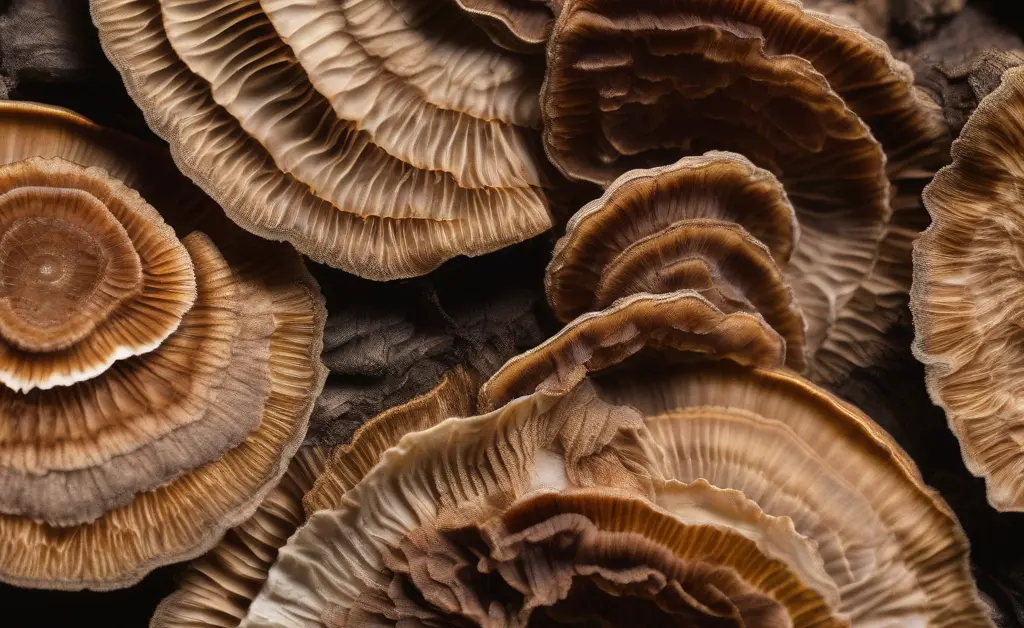
Within the comprehensive system of Traditional Chinese Medicine, the turkey tail mushroom in Chinese culture holds a respected position. Its integration into TCM reflects a holistic approach to wellness, where natural ingredients are chosen based on their energetic properties and their capacity to balance the body’s internal environment. Yun Zhi is not merely seen as a supplement but as an herb with specific energetic characteristics that contribute to overall harmony.
Traditional Chinese Medicine Perspective on Yun Zhi
In Traditional Chinese Medicine, Yun Zhi is often regarded as having properties that support vital energy (Qi) and balance various bodily systems. TCM practitioners traditionally associate Yun Zhi with supporting the spleen, lung, and liver meridians. It is typically considered to be slightly warm in nature and beneficial for overall well-being. The TCM perspective focuses on the mushroom’s ability to help harmonize internal functions and reinforce the body’s natural defenses, rather than targeting specific symptoms in isolation. This holistic view is central to how Yun Zhi has been incorporated into traditional formulations for centuries.
Benefits of Turkey Tail in Chinese Medicine
Traditionally, the benefits attributed to turkey tail mushroom in Chinese medicine are broad and deeply rooted in its perceived energetic actions. Yun Zhi has been historically used to support immune system function, promote vitality, and maintain respiratory health. Practitioners of TCM have also traditionally utilized it for its potential to support digestive balance and overall stamina. While specific applications vary, the overarching belief is that Yun Zhi helps to strengthen the body’s natural resilience and contribute to a balanced state of health, embodying its role as a revered medicinal mushroom in traditional practices. Many also ask, turkey tail mushroom para que sirve, highlighting its diverse applications.
Finding Turkey Tail Mushroom in China
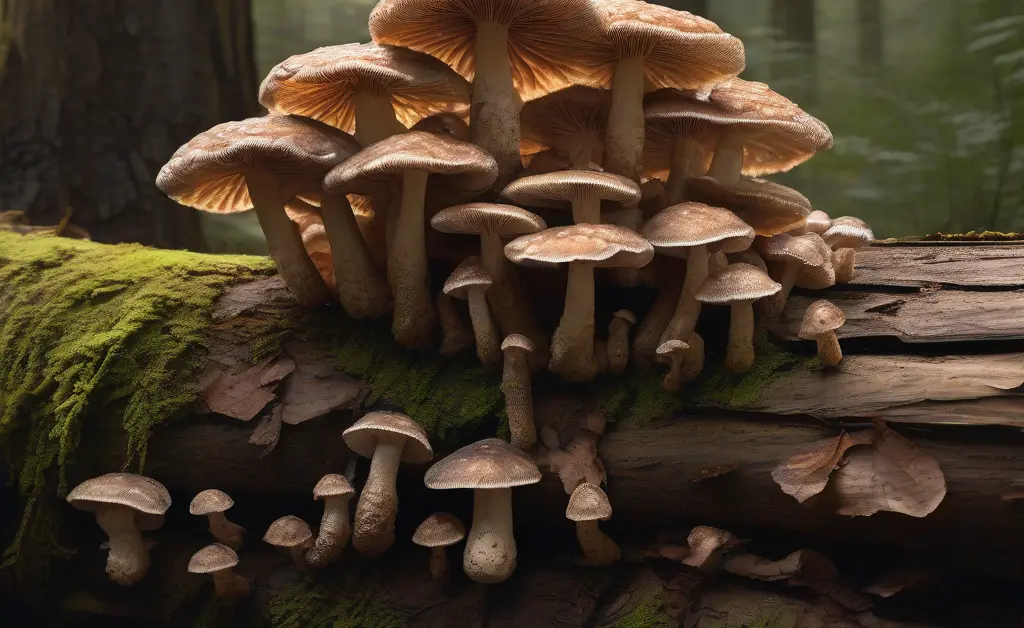
For those interested in the turkey tail mushroom in Chinese traditional practices, understanding its sources and availability within China is key. The mushroom can be found through various channels, ranging from natural habitats to specialized retail outlets, reflecting both its wild origins and its cultivated presence in the market. It’s also interesting to see how the turkey tail mushroom in Spanish culture has its own context.
Sources and Availability of Turkey Tail in China
In China, Yun Zhi can be sourced from both wild foraging and cultivated environments. Wild turkey tail mushrooms are commonly found growing on dead hardwood logs and stumps in forests across various regions of China, particularly in humid, temperate areas. However, due to increasing demand and the desire for consistent quality, cultivated Yun Zhi has become widely available. It can be purchased in traditional Chinese apothecaries, specialty herbal shops, and modern health food stores throughout the country. Furthermore, online marketplaces and direct suppliers often offer various forms of Yun Zhi, including dried mushrooms, powders, and extracts, catering to both traditional use and contemporary wellness practices.
The turkey tail mushroom, known as Yun Zhi in Chinese, carries a rich history and significant cultural weight within Traditional Chinese Medicine. From its descriptive name, “cloud mushroom,” to its revered role in promoting wellness, Yun Zhi exemplifies the deep connection between nature and health in Chinese traditions. Its enduring presence in ancient texts and modern practices alike underscores its importance as a valued botanical, offering a fascinating glimpse into the world of medicinal fungi and their continued impact on holistic health approaches.
While this article discusses health-related topics, it does not provide medical guidance. The information presented is for informational purposes only and is not intended to be a substitute for professional medical advice, diagnosis, or treatment. Always seek the advice of a qualified healthcare provider for any questions regarding a medical condition or before making any decisions related to your health or treatment plan. Never disregard professional medical advice or delay in seeking it because of something you have read in this article.
FAQ
— What are functional mushrooms?
Functional mushrooms are varieties of fungi known for their health-supporting properties beyond basic nutrition, containing bioactive compounds like polysaccharides, triterpenes, and antioxidants. These compounds are widely studied for their potential to support various bodily systems and overall well-being. Unlike culinary mushrooms, functional varieties are often consumed for their specific biological effects.
— How do functional mushrooms support immunity?
Functional mushrooms are known for their ability to modulate the immune system rather than simply boosting it, helping to maintain balance. This effect is largely attributed to specific complex carbohydrates, such as beta-glucans, which interact with immune cells. By supporting the body’s natural defense mechanisms, they contribute to a resilient immune response.
— Are functional mushrooms safe to consume?
For most healthy individuals, functional mushrooms are generally considered safe when consumed as part of a balanced diet or as supplements from reputable sources. However, individual reactions can vary, and it is always advisable to consult with a healthcare professional, especially if you have existing health conditions or are taking other medications. Always ensure products are tested for purity and potency.
— What is the best way to consume functional mushrooms?
Functional mushrooms are typically consumed as concentrated extracts in powder or capsule form, as their beneficial compounds are often bound within chitin, a tough cell wall material. Hot water extraction or dual extraction methods are common to make these compounds more bioavailable and potent. This allows for easier digestion and absorption of the active ingredients.
— How do beta-glucans in mushrooms work?
Beta-glucans are complex carbohydrates, polysaccharides, that play a significant role in how many mushrooms, including the well-known Turkey Tail mushroom in Chinese medicine (Yun Zhi), interact with the immune system. These compounds are known for their ability to modulate immune responses by interacting with specific receptors on immune cells, helping the body maintain balance. This interaction can support the body’s natural defense mechanisms without overstimulating them, contributing to overall well-being.
— What are adaptogenic mushrooms?
Adaptogenic mushrooms are a specific category of functional mushrooms recognized for their adaptogenic properties, meaning they help the body adapt to various forms of stress. They work by supporting physiological balance and resilience, helping the body to maintain homeostasis when faced with physical, chemical, or biological stressors. Examples include Reishi and Chaga, which are studied for their stress-supportive qualities.
— Can functional mushrooms be combined with other supplements?
Combining functional mushrooms with other supplements is a common practice, but it’s important to consider potential interactions and individual sensitivities. While many combinations are generally well-tolerated, the synergistic effects or potential for counteracting effects are not always fully understood. Consulting with a knowledgeable healthcare provider is recommended to ensure safety and effectiveness for your specific needs.
— How long does it take to experience the benefits of functional mushrooms?
The time it takes to experience the benefits of functional mushrooms can vary significantly among individuals, depending on factors like dosage, consistency of use, individual metabolism, and the specific health goals. Unlike acute medications, functional mushrooms typically work gradually over time, supporting the body’s natural processes. Consistent, regular consumption over several weeks or months is generally suggested to observe their effects.