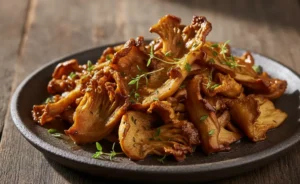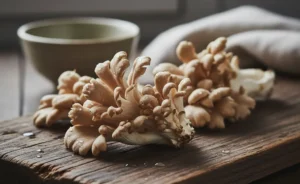
Turkey tail mushroom, known for its distinctive layered, fan-like appearance resembling a turkey’s tail, is a functional fungus widely recognized in traditional medicine systems for its immune-modulating properties. This intriguing fungus has garnered attention in the wellness community, particularly concerning its potential role in supporting immune health. Given its historical use and laboratory findings, interest is growing in exploring the application of turkey tail mushroom for MS, a complex autoimmune condition affecting the central nervous system. This article will delve into the current understanding of turkey tail’s immune effects, its relevance to autoimmune conditions, and the existing research examining its therapeutic potential and considerations for individuals with MS.
Turkey Tail Mushroom: Immune System Effects and Autoimmune Relevance

The Turkey tail mushroom, also known by its scientific names Coriolus versicolor and Trametes versicolor, is celebrated for its rich array of bioactive compounds, particularly polysaccharides like polysaccharide K (PSK) and polysaccharopeptide (PSP). These compounds are extensively studied for their impact on the immune system. They are believed to act as biological response modifiers, meaning they can help modulate the immune response, supporting its balanced function rather than simply boosting it. In the context of an autoimmune disease such as multiple sclerosis (MS), where the immune system mistakenly attacks healthy tissues, this immunomodulatory potential is of significant interest. The goal in managing autoimmune conditions often involves carefully regulating immune activity to reduce inflammation and prevent self-inflicted damage. Research into turkey tail mushroom for MS, therefore, often focuses on its ability to help maintain a healthy immune balance.
Potential Benefits of Turkey Tail Mushroom for MS
Exploring the potential benefits of turkey tail mushroom for MS involves understanding its broad immune-modulating effects. The polysaccharides and beta-glucans present in turkey tail are thought to support various aspects of immune function. This may include influencing T-cells and B-cells, which play critical roles in the autoimmune response seen in multiple sclerosis. Furthermore, studies suggest turkey tail may help manage neuroinflammation and oxidative stress, both of which are significant factors in the progression of nerve damage and neurological symptoms in MS. Some research also points to its potential role in supporting a healthy gut microbiome, which is increasingly recognized for its profound influence on immune health and autoimmune conditions. While these areas of inquiry are promising, it’s crucial to understand that these are potential mechanisms under investigation, and not established treatments. Beyond MS, research also explores the broader applications of turkey tail mushroom for Meniere’s disease.
Potential Risks and Side Effects of Turkey Tail Mushroom
While turkey tail mushroom is generally considered to have a favorable safety profile, it is important to be aware of potential risks and side effects, especially for individuals managing a complex condition like MS. Some people may experience mild digestive upset, such as gas, bloating, or dark stools. Allergic reactions are rare but possible. There is also an important consideration regarding drug interactions, particularly for individuals taking immunomodulatory drugs, corticosteroids, or other disease-modifying therapies (DMTs) for MS. The mushroom’s immune-modulating properties could theoretically interact with these medications. Concerns about “Turkey tail mushroom liver toxicity” are generally low, with most studies indicating it is well-tolerated; however, individuals with pre-existing liver conditions or those on medications that affect liver function should exercise caution. Always consult with a healthcare provider or neurologist before considering supplementation, especially to monitor for adverse effects and ensure its safety profile aligns with individual health needs. For information on drug regulation and safety, individuals can consult resources from the FDA.
Evaluating Turkey Tail Mushroom for MS: Current Research and Patient Considerations
The scientific community’s evaluation of turkey tail mushroom for MS is still in its early stages. While promising laboratory and animal studies highlight its immunomodulatory potential, robust clinical trials specifically in human patients with multiple sclerosis are limited. The complexity of MS, with its varied forms (relapsing-remitting, progressive MS) and individual responses, makes research challenging. The current scientific evidence, while intriguing, does not yet provide definitive conclusions regarding the efficacy or optimal dosage of turkey tail mushroom for managing the disease. Individuals considering turkey tail mushroom for MS must approach it with a clear understanding of the existing research landscape, prioritizing established treatments and medical guidance.
Current Research and Clinical Outlook on Turkey Tail for MS
The current research on turkey tail mushroom for MS is primarily focused on understanding its mechanisms of action and its effects in preclinical models. Studies often investigate its ability to modulate cytokine production, reduce inflammation, and offer neuroprotection, which are all relevant to the pathology of MS and its associated flare-ups and demyelination. However, moving from laboratory findings to human clinical application requires extensive, well-designed clinical trials. At present, there is no consensus in mainstream neurology recommending turkey tail mushroom as a standalone or primary treatment for multiple sclerosis. Established disease-modifying therapies (DMTs) remain the cornerstone of MS management, designed to slow disease progression and reduce relapse frequency. Any consideration of supplementation, including turkey tail, should be thoroughly discussed with a neurologist. They can assess potential benefits against existing medications and overall health status, ensuring a comprehensive and safe approach to managing the condition.
This content is for informational use and should not be considered medical instruction. It is not intended to diagnose, treat, cure, or prevent any disease. Always seek the advice of a qualified healthcare professional for any medical concerns or before making any decisions related to your health or treatment. The information provided does not replace professional medical advice.
FAQ
— Is turkey tail mushroom safe for individuals with Multiple Sclerosis?
Individual responses to any supplement can vary significantly, especially for those managing complex conditions like Multiple Sclerosis. It’s important to consider how turkey tail’s known immune-modulating properties might interact with an already altered immune system. Professional medical guidance is always advisable before introducing any new supplement.
— Can turkey tail mushroom negatively impact MS progression?
There is no definitive scientific evidence currently indicating that turkey tail mushroom negatively impacts MS progression. However, MS is an autoimmune condition where immune system regulation is crucial and complex. Understanding its full effects on immune pathways in the context of MS requires further specific research.
— Do immune-boosting supplements like turkey tail affect MS medications?
Yes, ingredients that influence immune function, such as those found in turkey tail, have the potential to interact with medications, particularly immunosuppressants or immunomodulators often prescribed for MS. This interaction could alter how prescribed drugs work or lead to unintended effects. Consulting with a doctor or pharmacist is crucial to assess any potential interactions.
— What is the current scientific evidence on turkey tail for MS?
Current scientific investigation into turkey tail mushroom for ms is still emerging, with much of the existing research focused on its general immune-modulating properties in other contexts. While some studies explore its components, specific clinical trials directly assessing its role or impact in human MS patients are limited. Further investigation is needed to draw comprehensive conclusions regarding its utility in MS.
— Should MS patients avoid turkey tail mushroom due to its immune effects?
Given that MS involves immune system dysregulation, the decision to use any supplement with immune-modulating effects requires careful consideration. It is not about a blanket avoidance, but rather an informed discussion with your healthcare provider. They can help weigh the potential benefits against any theoretical risks in your specific case.