Chronic inflammation is a significant concern for health, often leading to various conditions. In the realm of natural remedies, medicinal mushrooms have garnered increasing attention for their potential therapeutic benefits. Among these, *Trametes versicolor*, commonly known as turkey tail mushroom, stands out as a subject of extensive research, particularly concerning its anti-inflammatory properties. This fungus has been traditionally used in Eastern medicine and is now being scientifically investigated for its capacity to modulate immune responses and mitigate inflammatory pathways. Understanding the mechanisms through which turkey tail mushroom for inflammation exerts its effects is crucial for appreciating its role as a supportive natural agent. This exploration delves into the scientific evidence and bioactive compounds responsible for its potential in managing inflammatory conditions.
Turkey Tail Mushroom for Inflammation: An Overview
The turkey tail mushroom (*Trametes versicolor*) is a widely recognized edible mushroom known for its distinctive appearance resembling a turkey’s fanned tail, displaying concentric rings of various colors. For centuries, it has been a staple in traditional medicine systems, particularly in Asian cultures, where it was revered for its perceived health review and benefits, especially concerning immune health. Today, Western medicine practices are increasingly exploring the substantial body of research surrounding this unique fungi. Its growing reputation as a beneficial medicinal mushroom stems largely from its rich composition of bioactive compounds, which are believed to contribute to its various therapeutic properties. The interest in turkey tail mushroom for inflammation is particularly high, as researchers aim to understand how these compounds interact with the body’s complex systems to support overall well-being and manage conditions associated with chronic inflammation.
How Turkey Tail Mushroom Fights Inflammation
The mechanisms by which turkey tail mushroom for inflammation exerts its effects are complex and multifaceted, primarily involving its interaction with the immune system and its rich array of bioactive constituents. Its ability to support the body’s natural processes makes it a subject of considerable scientific interest.
Anti-inflammatory Mechanisms and Bioactivity
The inherent anti-inflammatory properties of turkey tail mushroom are attributed to a synergistic action of its diverse bioactive compounds. These compounds work to influence various pathways involved in the inflammatory response, potentially helping to reduce inflammation at a cellular level. Research suggests that these biological activities may involve modulating signals that initiate and perpetuate inflammatory processes within the body.
Immunomodulatory Properties
A key aspect of turkey tail mushroom’s function is its potent immunomodulatory capacity. Rather than simply boosting or suppressing the immune system, it appears to help balance the immune response, directing it towards a more regulated state. This immune modulation is crucial in conditions where the immune system is either overactive, leading to inflammation, or underactive, making the body susceptible to challenges. By promoting optimal immune function, turkey tail may indirectly contribute to managing how inflammation works in the body.
Polysaccharide-K (PSK) and Polysaccharopeptide (PSP)
Among the most studied bioactive compounds in turkey tail mushroom are Polysaccharide-K (PSK) and Polysaccharopeptide (PSP). These are powerful beta-glucans, which are complex carbohydrates known for their significant biological activities. Both PSK and PSP have been extensively researched for their ability to influence immune cells and pathways. They are thought to play a major role in the mushroom’s immunomodulatory effects, contributing to its potential benefits for immunity and overall immune system support.
Antioxidant Activity
Oxidative stress is a well-known precursor to inflammation, where an imbalance between free radicals and the body’s ability to neutralize them leads to cellular damage. Turkey tail mushroom exhibits considerable antioxidant activity, attributed to its phenolic compounds and other antioxidant agents. By helping to neutralize free radicals, turkey tail mushroom may assist in reducing oxidative stress, thereby mitigating a significant contributor to inflammatory processes.
Impact on Inflammatory Cytokines
Inflammatory cytokines are signaling molecules that play a critical role in mediating and regulating immune and inflammatory responses. An excess of certain pro-inflammatory cytokines can lead to chronic inflammation. Studies indicate that turkey tail mushroom may influence the production and activity of these cytokines, potentially helping to rebalance the inflammatory markers. This modulation suggests a direct pathway through which turkey tail could support the body’s efforts to manage inflammatory conditions. Further exploration is also examining the broader role of turkey tail mushroom for pain management.
Scientific Evidence: Research & Clinical Studies
The potential of turkey tail mushroom for inflammation is not merely anecdotal; it is supported by a growing body of scientific inquiry. Both pre-clinical and human studies have sought to elucidate its effects and efficacy in various inflammatory conditions.
Pre-Clinical Studies on Inflammation
Numerous pre-clinical studies, conducted in laboratory settings and on animal models, have provided foundational insights into turkey tail’s anti-inflammatory properties. These research findings often explore the cellular and molecular mechanisms, confirming the mushroom’s impact on inflammatory pathways and immune response. Such studies have observed a reduction in inflammatory markers and an improvement in conditions associated with inflammation, laying the groundwork for further human investigation into the benefits of turkey tail mushroom for humans. For reliable information on health conditions, you can consult trusted resources like the NHS.
Human Studies and Trials for Inflammatory Conditions
While more research is always beneficial, human studies and clinical trials have also begun to evaluate the effects of turkey tail on inflammatory conditions. These trials typically investigate its role as a supportive agent, often alongside conventional treatments. The aim is to assess its safety and efficacy in managing symptoms related to chronic inflammation. Some studies have also explored the potential of turkey tail mushroom joint pain relief. Findings from such studies contribute to a broader understanding of how turkey tail mushroom may be incorporated into wellness strategies, although individual responses can vary.
How to Incorporate Turkey Tail for Inflammatory Support
For individuals interested in exploring turkey tail mushroom for inflammation, there are several forms and preparations available, reflecting its growing popularity in herbal medicine and wellness circles. As an edible mushroom, it can be consumed in various ways, but supplements are often preferred for targeted support.
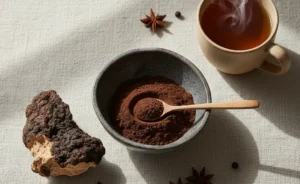
Turkey tail can be found as a dried powder, which can be added to foods or beverages. Extracts, such as capsules or tinctures, offer concentrated forms of the mushroom’s beneficial compounds, including PSK and PSP. These supplements typically contain material from either the mycelium, the root-like structure of the fungi, or the fruiting body, the part above ground. When considering incorporating turkey tail, it’s prudent to understand the source and form, as concentration of active compounds can vary. It’s also important to consider aspects like potential side effects, interactions & precautions, especially if taking other medications. For instance, specific populations like women or men may seek specific benefits, such as turkey tail benefits for female or turkey tail benefits for male, or even turkey tail mushroom benefits for skin, which can vary from its anti-inflammatory effects. Research continues to investigate the potential of turkey tail mushroom for nerve pain, among other conditions. Always consult with a qualified healthcare provider for general dosage considerations and to ensure suitability for individual health needs, particularly with any existing health conditions or during pregnancy or lactation.
This information should be viewed as educational rather than medical advice. It is not intended to diagnose, treat, cure, or prevent any disease or health condition. Always consult with a qualified healthcare professional before making any changes to your health regimen, especially if you have pre-existing conditions or are taking other medications. The content provided is for informational purposes only and should not be considered a substitute for professional medical guidance. Individual results may vary.
FAQ
— What does turkey tail mushroom do for inflammation?
Turkey tail mushroom for inflammation has been extensively studied for its immunomodulatory properties. Its compounds are linked to supporting the body’s natural immune responses, which are intricately tied to inflammatory pathways. Research suggests it helps balance these responses rather than directly suppressing inflammation.
— Is turkey tail mushroom effective for chronic inflammation?
Turkey tail mushroom is known for its adaptogenic qualities, meaning it helps the body adapt to various stressors, including those contributing to long-term imbalances. Its bioactive compounds are studied for their role in modulating immune cell activity, which can be relevant to managing sustained inflammatory processes within the body.
— What active compounds in turkey tail mushroom help with inflammation?
The primary active compounds in turkey tail mushroom that are recognized for their biological activity are polysaccharide-K (PSK) and polysaccharide-peptide (PSP). These beta-glucans are complex carbohydrates studied for their ability to interact with the immune system, influencing cytokine production and immune cell communication. Such interactions are relevant to how the body naturally regulates inflammatory responses.
— Are there side effects when taking turkey tail for inflammation?
Generally, turkey tail mushroom is considered well-tolerated by most individuals when consumed. However, like any natural supplement, some individuals may experience mild digestive upset, such as gas or bloating. It is always prudent to consult with a healthcare professional, particularly if you have underlying health conditions or are taking other medications.
— How long does it take for turkey tail mushroom to reduce inflammation?
The timeframe for observing any effects from consuming turkey tail mushroom is highly individual and can vary significantly among people. It’s understood that functional mushrooms work by supporting gradual modulation of the body’s natural systems, rather than providing an immediate, acute response. Sustained and consistent use is generally aligned with the traditional understanding of how these fungi exert their influence.
— Can turkey tail mushroom replace anti-inflammatory medications?
Turkey tail mushroom is not intended to replace prescribed anti-inflammatory medications. These functional mushrooms operate through different biological mechanisms and are generally regarded as supplements supporting overall wellness. Any decisions regarding medication or health conditions should always be discussed and guided by a qualified healthcare professional.