

People often look for natural ways to support their overall well-being and maintain vitality throughout their day. This search frequently leads to various botanical and fungal supplements known for their perceived health benefits. Among these, the turkey tail mushroom for energy has gained considerable attention, with many individuals incorporating it into their daily routines. This fascinating fungus, recognized by its distinctive fan-like appearance and vibrant colors, is traditionally valued across different cultures. Modern interest centers on its potential to influence vitality and contribute to a feeling of sustained energy. This article will explore the claims, current understanding, and mechanisms associated with turkey tail mushroom’s role in supporting energy levels and overall vitality.
Turkey Tail Mushroom for Energy: Understanding the Claims and Potential Benefits

The increasing popularity of turkey tail mushroom for energy stems from a blend of historical use, anecdotal accounts, and emerging scientific interest. Many individuals seeking natural ways to support their daily energy levels turn to this unique fungus. Its purported benefits extend beyond a simple boost, suggesting a more holistic influence on the body’s systems that could indirectly contribute to feelings of vigor and improved stamina.
Common Beliefs and Anecdotal Evidence for Energy
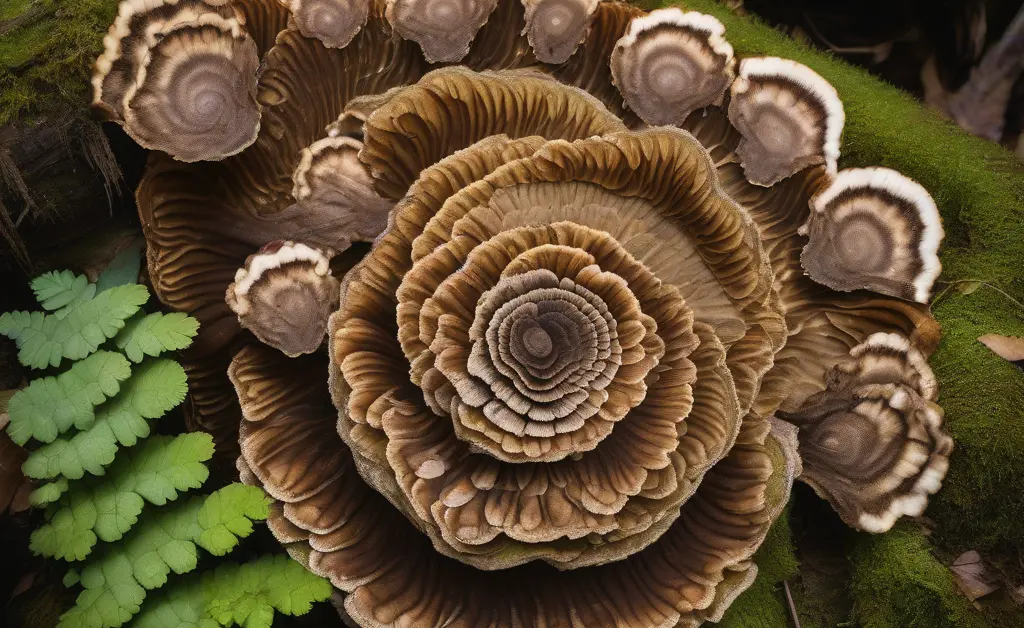
Historically, various cultures have recognized medicinal mushrooms, including Trametes versicolor (commonly known as turkey tail), for their general wellness properties. In Traditional Chinese Medicine, for instance, it has been used to support overall well-being. Modern anecdotal reports often highlight a subjective improvement in energy levels, a reduction in the feeling of fatigue, and a greater sense of invigoration among those who regularly consume turkey tail mushroom supplements. Users describe feeling more alert, less prone to afternoon slumps, and generally more capable of sustaining their daily activities. While these personal accounts are not scientific evidence, they often drive initial interest and further investigation into the potential of this fungi.
The Current Scientific Stance on Energy and Fatigue Reduction
While direct clinical trials specifically focusing on turkey tail mushroom for energy as a stimulant are limited, scientific research has begun to explore mechanisms that could indirectly support energy and reduce fatigue. Studies on compounds found in turkey tail, such as polysaccharides (PSP and PSK), often focus on their immune support properties. Emerging research also explores the potential of turkey tail mushroom for parasites, indicating its diverse applications in promoting health. A robust immune system is intrinsically linked to overall vitality and can influence how the body manages stress and recovers from illness, factors that significantly impact energy levels. Research also examines its potential to modulate inflammation, which, when chronic, can contribute to fatigue. By supporting cellular health and the body’s natural defenses, turkey tail may help create an environment conducive to sustained energy rather than acting as an immediate stimulant.
How Turkey Tail Might Make You Feel
Unlike conventional stimulants such as caffeine, which provide a rapid, short-term energy boost, turkey tail mushroom is not typically associated with an immediate jolt. Instead, individuals who incorporate it into their routine often report a more subtle and sustained sense of well-being and consistent daily energy. This can manifest as improved mental clarity, reduced feelings of lethargy, and an enhanced capacity for physical and mental endurance over time. The benefits are often described as a foundational support that helps the body operate more efficiently, contributing to sustained vigor without the jitters or crash associated with stronger stimulants. The focus is on overall vitality and stamina rather than a quick energy spike.
How Turkey Tail Might Influence Overall Vitality: Mechanisms
The potential of turkey tail mushroom for energy and overall vitality is thought to be rooted in its rich composition of bioactive compounds. These compounds are believed to interact with various physiological systems within the body, offering a multifaceted approach to wellness. Understanding these mechanisms helps shed light on how this traditional fungi may contribute to enhanced well-being.
One of the primary mechanisms through which turkey tail mushroom is believed to influence vitality is its significant immune support capabilities. It contains potent polysaccharides, specifically Polysaccharide Krestin (PSK) and Polysaccharide Peptide (PSP), which have been extensively studied for their ability to modulate the immune system. A well-functioning immune system is crucial for fending off pathogens and maintaining cellular health, directly impacting one’s overall feeling of energy and resilience. By supporting robust immune function, turkey tail may help the body conserve energy that would otherwise be spent fighting off illness, thereby contributing to a sense of greater vitality.
Furthermore, turkey tail mushroom is a source of various antioxidants. These compounds play a critical role in combating oxidative stress, a process that can damage cells and contribute to fatigue and aging. By neutralizing free radicals, antioxidants help protect cells, including those involved in energy production, potentially supporting mitochondrial health. Healthy mitochondria are essential for efficient energy metabolism at a cellular level, suggesting a direct link between the mushroom’s antioxidant properties and sustained energy levels.
Emerging research also points to the connection between gut health and overall well-being, including energy. Turkey tail mushroom contains prebiotics that can support a healthy gut microbiome. A balanced gut flora is vital for nutrient absorption, immune regulation, and even mood, all of which can profoundly affect vitality and feelings of fatigue. By fostering a healthy gut environment, turkey tail may indirectly enhance energy production and reduce systemic inflammation, contributing to an overall feeling of invigoration.
It is important to note that this content is not intended as medical advice. The information provided is for general knowledge and informational purposes only, and does not constitute medical advice, diagnosis, or treatment. Always seek the advice of a qualified healthcare professional for any questions you may have regarding a medical condition or before starting any new health regimen.
FAQ
— Does turkey tail mushroom actually give you energy?
While not a direct stimulant, turkey tail mushroom is recognized for its potential to support general well-being and immune system function. This underlying support can contribute to an overall sense of vitality rather than providing a sudden surge of energy.
— How quickly can turkey tail mushroom impact energy levels?
The impact of functional mushrooms, including turkey tail, on aspects like energy is generally gradual and cumulative. It’s not designed for immediate or acute changes, but rather to support ongoing bodily functions over a consistent period.
— What are the potential side effects of taking turkey tail for energy?
Turkey tail is generally well-tolerated, but some individuals might experience mild digestive upset such as gas or bloating. As with any supplement, individual reactions can vary, so paying attention to how your body responds is key.
— Can turkey tail mushroom help with chronic fatigue?
Turkey tail mushroom is studied for its immune-modulating properties and its ability to support the body’s adaptive responses. While it’s not a treatment for chronic fatigue itself, supporting overall systemic balance can be relevant to managing symptoms of persistent tiredness.
— Is there scientific proof that turkey tail boosts energy?
Research on turkey tail primarily focuses on its rich content of polysaccharides, like PSK and PSP, which are known for their immune-supportive roles. While these mechanisms can contribute to overall vitality and resilience, specific studies directly demonstrating a “boost” in energy are not its primary research area.
— What is the best way to consume turkey tail mushroom for vitality?
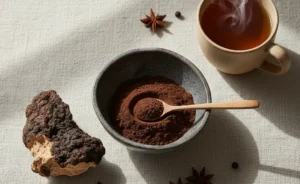
Turkey tail mushroom is commonly consumed in various forms, including concentrated extracts, powdered supplements, or as part of a brewed tea. The key is consistent use of a high-quality product to support general well-being and vitality.
— Does turkey tail act as a stimulant?
No, turkey tail does not act as a stimulant in the way caffeine or other traditional stimulants do. Instead, its functional benefits are linked to supporting the body’s natural resilience and immune health, which in turn can contribute to a more balanced and sustained sense of vitality. This supportive action is why turkey tail mushroom for energy is often discussed in terms of sustained wellness rather than immediate stimulation.