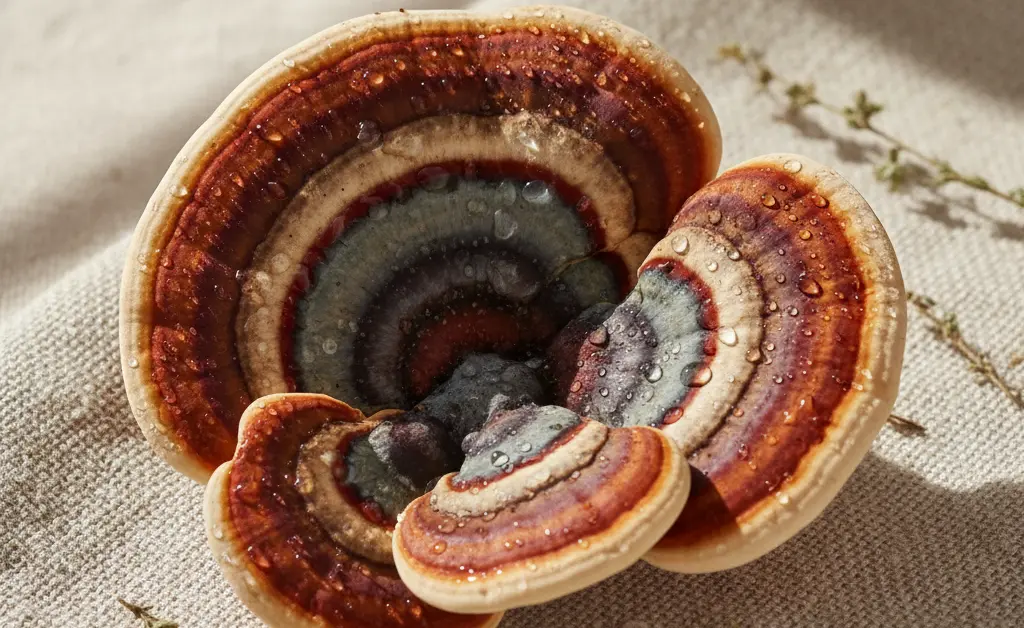
For individuals seeking natural approaches to manage skin conditions, exploring the therapeutic potential of certain fungi can offer new perspectives. Among these, the turkey tail mushroom, revered in traditional medicine for its diverse properties, is gaining attention for its possible role in promoting skin health. This fungus contains bioactive compounds known for their immunomodulating and anti-inflammatory effects, which are particularly relevant given the underlying mechanisms of inflammatory skin disorders. Understanding how turkey tail mushroom for eczema might provide relief involves examining its capacity to support a balanced immune response and soothe irritated skin. This discussion delves into the specific ways this medicinal mushroom could contribute to managing symptoms and improving overall skin well-being.
Turkey Tail Mushroom for Eczema: Benefits and Relief
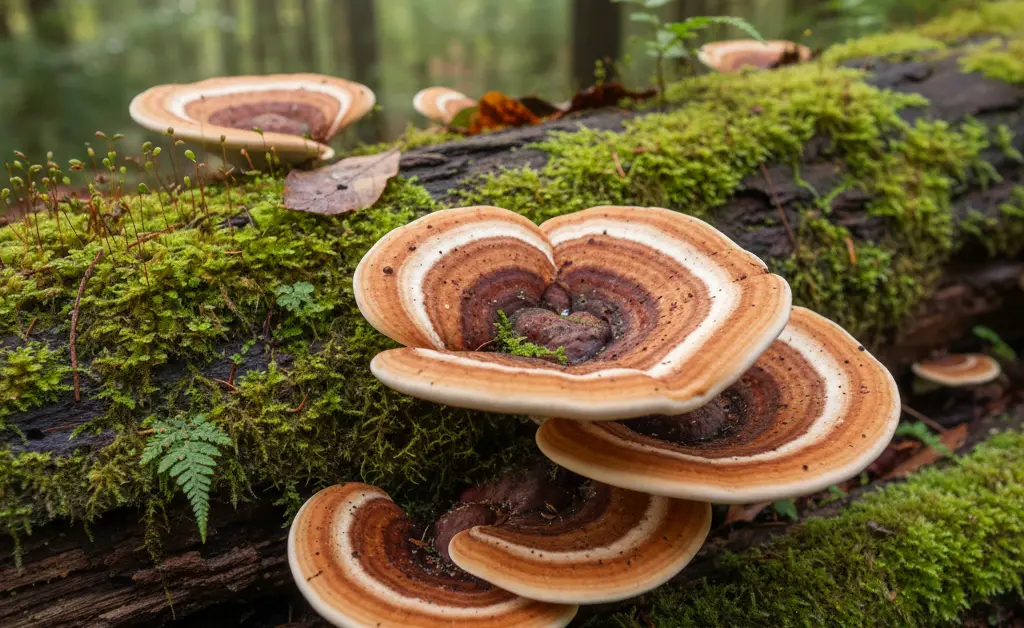
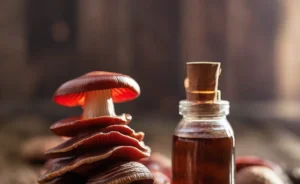
Turkey tail mushroom, scientifically known as Coriolus versicolor or Trametes versicolor, is one such medicinal mushroom that has garnered interest for its potential in providing relief from various skin issues, including eczema. Its complex composition supports several pathways that may contribute to improved skin health and a reduction in discomfort associated with itchy skin and redness. Incorporating turkey tail mushroom for eczema management is a promising area of interest for those looking to complement conventional care with natural approaches.
Turkey tail mushroom benefits for skin
Beyond its general wellness applications, the turkey tail mushroom offers several benefits that are particularly relevant to skin health. This adaptogenic fungus is rich in polysaccharides, notably polysaccharide K (PSK) and polysaccharopeptide (PSP), which are key compounds studied for their biological activity. These components are thought to contribute to cellular protection and overall skin integrity. Supporting the skin’s natural processes, turkey tail may help maintain a balanced environment conducive to healthy skin appearance and function. Its potential role in skin repair mechanisms makes it an intriguing natural remedy for various skin concerns.
Immunomodulating and Anti-Inflammatory Effects
Eczema, particularly atopic dermatitis, is characterized by an overactive immune response and chronic inflammation. The turkey tail mushroom is highly regarded for its profound immunomodulating properties, meaning it can help balance the immune system rather than merely boosting it. This balancing act is crucial in managing skin conditions where an imbalanced immune response contributes to flare-ups. The anti-inflammatory effects of this medicinal mushroom may help soothe the body’s inflammatory response, potentially reducing the redness and swelling often associated with eczema. Research into these effects is ongoing, with organizations like the NIH contributing to scientific understanding. By modulating the immune system, turkey tail aims to address some of the underlying causes of skin irritation.
Reducing Itchiness and Irritation
One of the most distressing symptoms of eczema is persistent itchiness and skin irritation. While not a direct anti-itch agent, the compounds within turkey tail mushroom may indirectly help alleviate these symptoms by addressing the root causes of inflammation. By supporting a more balanced immune response and reducing systemic inflammation, the mushroom could help lessen the triggers that lead to intense itching and discomfort. Individuals seeking natural ways to minimize the daily struggles of itchy skin and irritation may find turkey tail to be a supportive component of their routine.
Managing Eczema Flare-ups
Managing eczema flare-ups is a primary concern for those living with the skin condition. The adaptogenic qualities of the turkey tail mushroom may help the body adapt to stressors that can trigger these episodes. By supporting the immune system and potentially mitigating inflammatory responses, consistent use may contribute to reducing the frequency and intensity of flare-ups. While not a cure, incorporating turkey tail mushroom for eczema management may offer a supportive strategy to help maintain periods of clearer skin and better overall skin health, allowing individuals to experience fewer instances of severe symptoms.
Supporting Overall Skin Health and Barrier Function
A healthy skin barrier is crucial for protecting the body from environmental irritants and retaining moisture, both of which are often compromised in eczema. Turkey tail mushroom may contribute to supporting overall skin health by promoting a robust skin barrier function. Its potential to influence gut health, a factor increasingly linked to skin conditions, further supports its holistic approach to wellness. A healthy gut microbiome can positively impact skin repair and reduce the incidence of dry skin and other forms of skin discomfort. By strengthening the skin’s natural defenses, turkey tail may help create a more resilient and healthier complexion. Beyond eczema, some individuals explore the potential of turkey tail mushroom for cysts, recognizing its wider application in supporting various aspects of skin well-being.
The purpose of this content is to educate, not to diagnose or treat. It is essential to consult with a qualified healthcare professional before making any decisions about your health or treatment plan, especially when considering new supplements or natural remedies for skin conditions like eczema. This information is not intended to replace professional medical advice, diagnosis, or treatment. Always seek the advice of your physician or other qualified health provider with any questions you may have regarding a medical condition.
FAQ
— Can turkey tail mushroom help clear eczema?
Research into turkey tail mushroom for eczema is an emerging area, focusing on its potential immune-modulating properties. Eczema involves an overactive immune response, and compounds in turkey tail, like polysaccharopeptides, are known to support immune balance. While promising, individual responses to dietary supplements can vary significantly.
— How long does it take for turkey tail to reduce eczema symptoms?
The timeframe for observing any effects from turkey tail can differ greatly among individuals. Factors like the severity of symptoms, overall health, and consistency of use all play a role. It is not possible to provide a specific timeline for when one might notice changes related to eczema symptoms.
— What are the benefits of taking turkey tail for skin issues?
Turkey tail mushroom is known for its rich content of antioxidants and beneficial polysaccharides. These compounds are linked to supporting overall immune function and cellular health, which are foundational aspects of healthy skin. By contributing to systemic wellness, it plays a role in the body’s natural capacity for maintaining skin integrity.
— Is turkey tail mushroom safe to use with eczema medication?
It is always prudent to consult with a healthcare professional before combining any new supplement, including turkey tail mushroom, with existing medications. This is important to discuss potential interactions and ensure it is appropriate for your specific health situation. Your doctor can provide personalized advice based on your full medical history and current treatments.
— What type of turkey tail supplement is best for eczema?
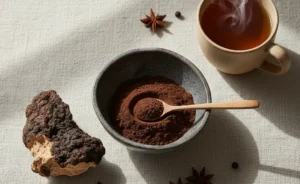
When considering turkey tail supplements, forms like extracts or powders are common, often standardized for beneficial compounds like polysaccharides. The quality of a supplement is generally assessed by factors such as sourcing, extraction methods, and third-party testing for purity and potency. Choosing a reputable brand that prioritizes transparency and quality control is relevant for any dietary supplement.