

Turkey tail mushroom, known scientifically as Trametes versicolor, has been revered in traditional medicine systems for centuries, particularly for its potential to support overall immune health. This distinctive fungi, with its vibrant, fan-like appearance resembling a turkey’s tail, is rich in bioactive compounds like polysaccharides, which are believed to contribute to its various health-promoting properties. Many individuals turn to natural remedies when seeking comfort from common ailments, and the immune-modulating effects of this mushroom make it a subject of interest. Exploring the specific ways that turkey tail mushroom for cough might offer a soothing benefit involves understanding its broader impact on the body’s natural defenses and respiratory system. This article will delve into its potential applications and how it can be incorporated into a wellness routine.
Turkey Tail Mushroom for Cough: Exploring Its Potential

The interest in turkey tail mushroom for cough and other common ailments stems from its long history in traditional medicine, where it was often valued for its comprehensive immune support. This medicinal mushroom contains powerful bioactive compounds, primarily polysaccharides like PSP (polysaccharopeptide) and PSK (polysaccharide Krestin), which are widely studied for their ability to modulate the immune system. By supporting a balanced immune response, Trametes versicolor may help the body maintain its natural defenses, particularly beneficial when facing seasonal challenges that often impact the respiratory tract. Additionally, some individuals investigate turkey tail mushroom for colds as a way to support their immune health during seasonal changes. While not a direct cough suppressant, the overall strengthening of the immune system and its potential anti-inflammatory properties could contribute to greater respiratory comfort.
Does Turkey Tail Mushroom Help with Coughs?
While turkey tail mushroom is not directly positioned as a treatment for coughs, its well-documented immune-boosting properties may offer indirect support. Coughs are often a symptom of the body’s response to irritation, infection, or inflammation in the respiratory system. By enhancing the immune system’s ability to respond to pathogens and manage inflammation, turkey tail mushroom might help the body address the underlying causes of a cough. Studies also investigate turkey tail mushroom for flu as a potential immune support during viral challenges. Its antioxidant compounds can also help protect cells from oxidative stress, further supporting overall cellular health within the respiratory tract. Therefore, incorporating this immunity-boosting mushroom into a wellness routine may support general respiratory health, potentially leading to more effective management of symptoms like a cough by the body’s natural mechanisms.
How to Use Turkey Tail Mushroom for Cough and General Wellness
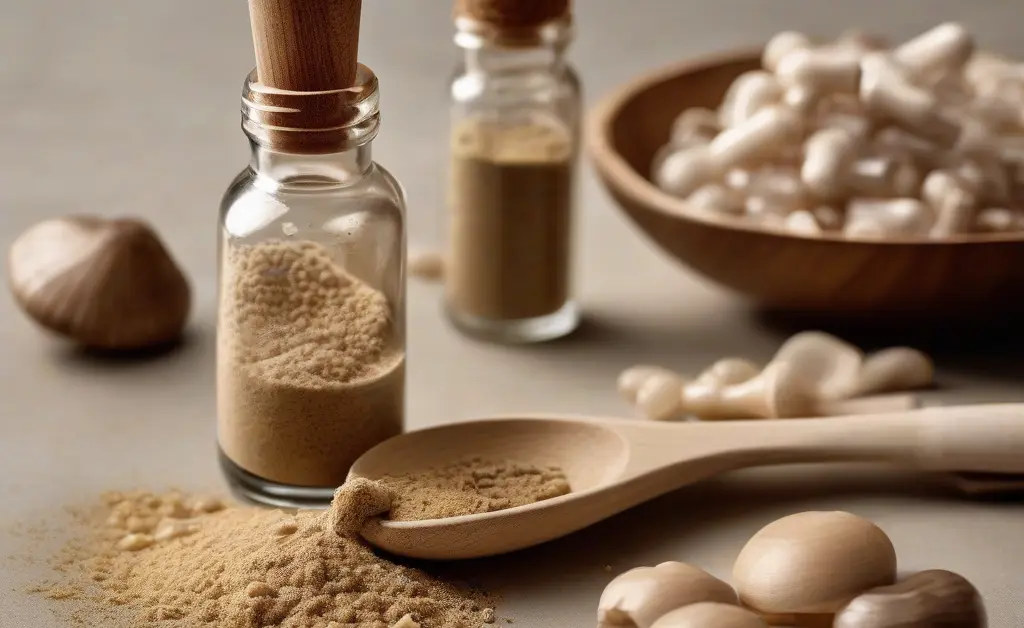
Integrating turkey tail mushroom into a daily routine for general wellness and potential benefits for respiratory health is straightforward, as it is available in several forms. Common preparations include extracts, powders, and capsules. Extracts, often standardized for their active polysaccharides, can be added to beverages. Powders can be blended into smoothies or incorporated into meals, while capsules offer a convenient, pre-measured option. When considering turkey tail mushroom for cough and overall immune support, consistency is key. It’s important to choose high-quality supplements, preferably those made from the fruiting body of the mushroom, to ensure a rich concentration of beneficial compounds. Regulatory bodies, such as the EFSA, provide guidance on food safety and health claims for supplements. Always consider individual needs and consult with a healthcare professional to determine the most suitable form and approach for incorporating this herbal supplement into your health regimen.
While this article discusses health-related topics, it does not provide medical guidance. The information presented is for informational purposes only and is not intended to be a substitute for professional medical advice, diagnosis, or treatment. Always seek the advice of your physician or other qualified health provider with any questions you may have regarding a medical condition. Never disregard professional medical advice or delay in seeking it because of something you have read in this article. Individual results may vary, and the efficacy of natural supplements has not always been substantiated by conventional medical research.
FAQ
— Can turkey tail mushroom soothe a cough?
Turkey tail mushroom is widely recognized for its rich content of polysaccharopeptides, such as PSP and PSK, which are studied for their immune-supporting qualities. While these properties may help the body maintain overall wellness, which is beneficial when dealing with respiratory irritations, direct soothing of a cough is not its primary functional attribute.
— How long does it take for turkey tail to show effects for a cough?
When considering the effects of functional mushrooms like turkey tail, responses are generally not instantaneous but rather develop over a period of consistent use. The body’s intricate systems integrate these compounds gradually, meaning individual timelines can vary significantly based on factors like personal physiology and overall health status. Therefore, the timeline for observing any potential impact of turkey tail mushroom for cough, or any other wellness goal, is not fixed.
— Is turkey tail mushroom safe to take for a cough?
Generally, turkey tail mushroom is recognized for having a favorable safety profile and is well-tolerated by most individuals. However, as with any natural supplement, personal sensitivities can arise, and potential interactions with medications, especially immunosuppressants or anticoagulants, should be considered. Consulting with a healthcare professional before incorporating new supplements is always a prudent step to ensure it aligns with one’s individual health circumstances.