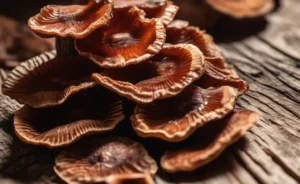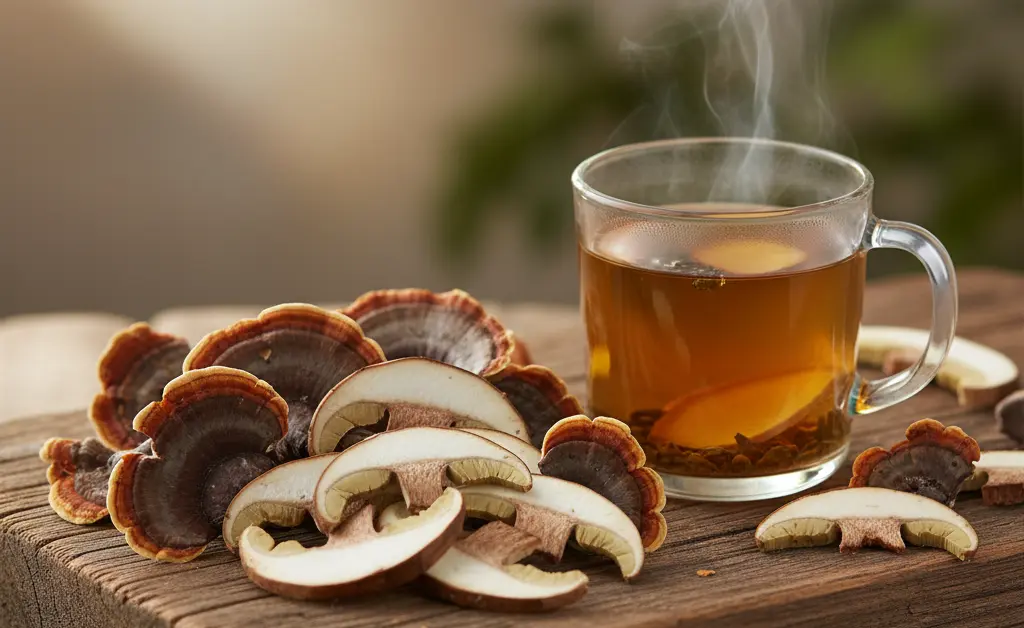
Sitting down with a cup of herbal tea, many individuals find themselves researching ways to support their health, especially when facing complex medical conditions. The digital age provides a wealth of information, often leading to natural remedies that have garnered interest for their potential benefits. Among these, the turkey tail mushroom (Trametes versicolor) frequently emerges as a topic of discussion, particularly for its historical use in traditional medicine. As modern oncology continues to advance, the convergence of traditional remedies and cutting-edge treatments sparks important questions. This article will delve into the scientific exploration of turkey tail mushroom and immunotherapy, examining how this ancient fungi might integrate with contemporary cancer care strategies, and what research suggests about their combined potential.
Turkey Tail Mushroom and Immunotherapy: Integration and Research Considerations
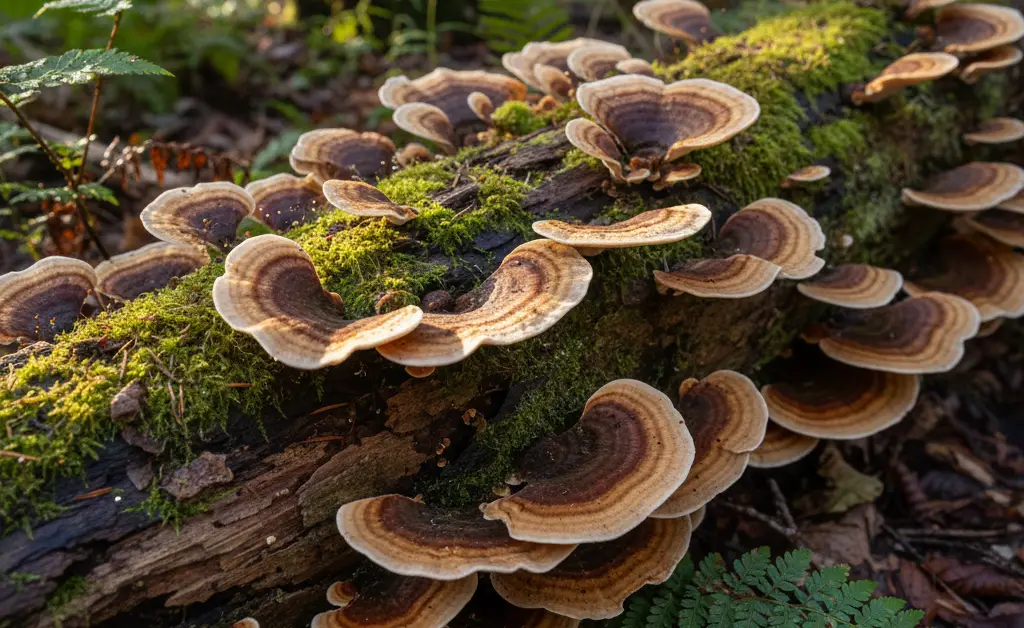
The growing interest in complementary therapies within oncology has brought the turkey tail mushroom (Coriolus versicolor or Trametes versicolor) into the spotlight. For centuries, this medicinal mushroom has been a staple in traditional Eastern medicine, valued for its purported ability to support overall wellness and immune function. Modern research is now investigating how these traditional uses might align with contemporary medical approaches, particularly concerning immunotherapy. The integration of turkey tail mushroom and immunotherapy represents a promising area of study in integrative oncology, where the goal is to enhance treatment efficacy, manage side effects, and improve the quality of life for patients. Clinical trials and research studies are actively exploring the pharmacology of turkey tail extracts and their potential impact on the immune system, seeking to define their role as an adjunctive treatment. Patient experiences and research findings often contribute to discussions and turkey tail mushroom cancer reviews.
The potential application of turkey tail mushroom in lymphoma treatment is also an active area of scientific inquiry.
Further insights into medical research can be found through resources provided by the NIH.
Synergistic Effects with Conventional Immunotherapy Agents
One of the primary focuses of research is to understand the potential synergistic effects of turkey tail mushroom with conventional immunotherapy agents. The mushroom contains key bioactive compounds, most notably polysaccharide-K (PSK) and polysaccharopeptide (PSP), which are studied for their profound immune-modulating properties. These polysaccharides are believed to interact with various components of the immune system, including natural killer cells, T-cells, dendritic cells, and macrophages. By potentially stimulating these immune cells and influencing cytokine production, PSK and PSP may help enhance the body’s natural immune response against cancer cells. This immunomodulatory activity suggests that turkey tail mushroom could complement the actions of existing immunotherapy drugs, potentially amplifying their antitumor activity and contributing to a more robust defense mechanism.
Can Turkey Tail be Used with Immunotherapy?
The question of whether turkey tail mushroom can be safely and effectively used alongside immunotherapy is complex and requires careful consideration. While early research and traditional use indicate potential benefits for immune support and as a complementary therapy, it is crucial that any integration with active cancer treatments be discussed thoroughly with a healthcare provider. Studies continue to evaluate the safety profile of turkey tail mushroom extracts, and while generally considered well-tolerated, potential interactions with medications or other treatments are a key area of inquiry. Patients undergoing chemotherapy or radiation have historically explored medicinal mushrooms like turkey tail to help manage side effects and improve general well-being. The potential benefits of turkey tail mushroom for breast health are also an area of ongoing investigation. However, specific guidance from an integrative oncology expert is paramount to ensure the chosen approach aligns with the overall treatment plan and patient safety. Self-prescribing or altering treatment without professional medical guidance is strongly discouraged.
This article aims to inform, not to replace professional healthcare advice. The content provided is for informational purposes only and is not intended to be a substitute for professional medical advice, diagnosis, or treatment. Always seek the advice of your physician or other qualified health provider with any questions you may have regarding a medical condition or treatment and before undertaking a new healthcare regimen.
FAQ
What are the main differences between mushroom powders and mushroom extracts?
Mushroom powders are simply dried and ground whole mushrooms, containing all components including fiber and less concentrated compounds. Extracts, however, undergo a specific process, often using hot water or alcohol, to isolate and concentrate beneficial compounds like beta-glucans, resulting in a product with a higher potency of those particular active ingredients.
How do functional mushrooms support gut health?
Functional mushrooms contain compounds, particularly polysaccharides like beta-glucans, that act as prebiotics to nourish beneficial gut bacteria. This support helps maintain a balanced gut microbiome, which is crucial for overall digestive well-being and efficient nutrient absorption.
Are all mushroom supplements standardized for active compounds?
Not all mushroom supplements undergo standardization, meaning the concentration of their active compounds can vary significantly between products. Standardization ensures that a supplement contains a consistent, measured amount of key beneficial components, such as beta-glucans, which provides clarity regarding its potential potency. This practice offers greater transparency for consumers.
What role do beta-glucans play in the benefits attributed to functional mushrooms?
Beta-glucans are complex polysaccharides found in the cell walls of functional mushrooms and are recognized as primary active compounds. These unique fibers interact with specific receptors on immune cells, playing a significant role in modulating and supporting the immune system. This interaction helps to prime immune responses without overstimulation, contributing to overall immune balance.
How are functional mushrooms processed to ensure bioavailability?
Functional mushrooms are typically processed using hot water or dual extraction methods to enhance the bioavailability of their beneficial compounds. The tough chitin cell walls of mushrooms make their active components difficult for human digestion to access directly. By breaking down chitin, these extraction techniques ensure that key ingredients like beta-glucans become more readily absorbable and effective within the body.
Can functional mushrooms be taken alongside other supplements or medications?
The potential for interactions between functional mushrooms and other supplements or medications can vary widely depending on specific compounds and individual health profiles. It is always prudent to consult with a qualified healthcare professional before combining them. They can offer personalized guidance and ensure your approach aligns with your complete wellness plan.
What scientific evidence supports the immune-modulating properties of Turkey Tail mushroom?
Turkey Tail mushroom is extensively studied for its immune-modulating compounds, particularly polysaccharides like PSK (polysaccharide K) and PSP (polysaccharopeptide). These compounds are known for their ability to interact with the immune system, supporting its various functions. Research, including some clinical trials, has explored the impact of these components, especially in the context of supportive care, making the turkey tail mushroom and immunotherapy a relevant area of scientific inquiry.
How do adaptogenic mushrooms contribute to stress management?
Adaptogenic mushrooms, such as Reishi or Cordyceps, are characterized by their unique ability to help the body adapt to various stressors. They work by supporting the body’s natural resilience mechanisms, promoting a state of balance or homeostasis rather than directly stimulating or suppressing a particular system. This contributes to better stress management by helping the body maintain equilibrium amidst daily demands.