Do you often find yourself craving the comforting warmth and rich flavors of a delicious ramen bowl but feel intimidated by the thought of making it from scratch at home? Many home cooks hesitate, imagining complex broths and lengthy preparations, settling instead for instant versions that lack depth. However, creating a genuinely satisfying and deeply flavorful ramen doesn’t have to be an all-day affair. This guide simplifies the process, demonstrating how you can easily master a vibrant shiitake mushroom ramen, transforming fresh ingredients into an aromatic and nourishing meal in your own kitchen. Prepare to discover the simple joy of a homemade, restaurant-quality bowl that’s both accessible and incredibly rewarding.
Shiitake Mushroom Ramen: The Ultimate Recipe
Crafting a truly exceptional shiitake mushroom ramen at home is a rewarding culinary experience. This guide will walk you through the essential steps to create a bowl brimming with rich, savory notes and the distinctive earthy flavor of shiitake mushrooms. Far from being a quick, unsatisfying meal, a homemade shiitake mushroom ramen offers depth and complexity, making it a perfect hearty soup for any occasion. We’ll explore how to build layers of umami flavor, ensuring every spoonful is as delicious as the last.
Why You’ll Love Shiitake Mushroom Ramen
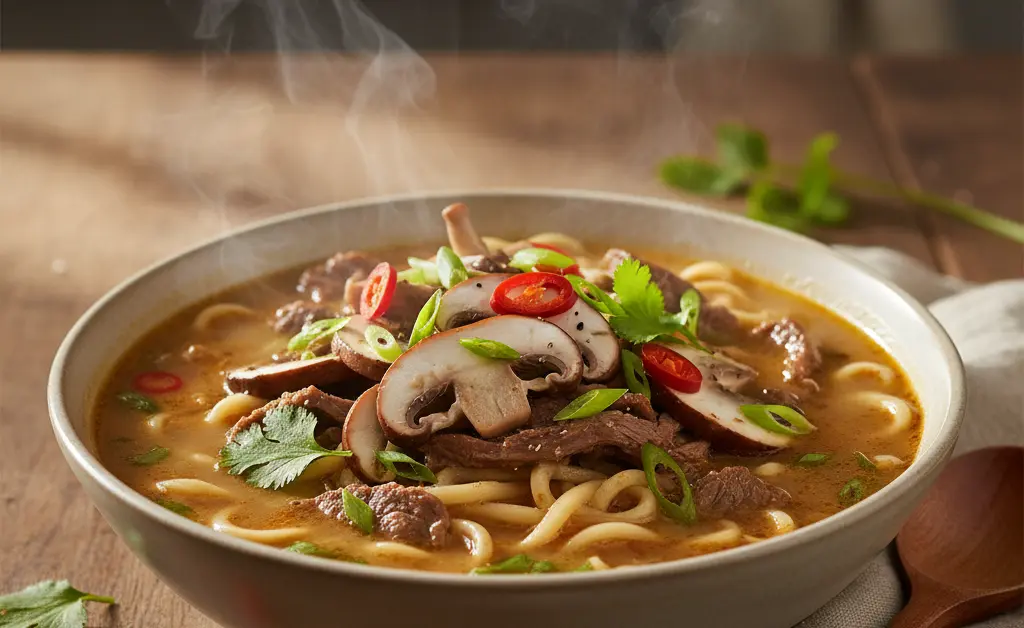
There are countless reasons to adore a well-made bowl of shiitake mushroom ramen. Its inherent versatility makes it a favorite for many, easily adaptable to various dietary preferences, including vegetarian and vegan options. The earthy, savory notes of the shiitake mushrooms contribute significantly to the overall depth, creating a satisfying and comforting experience. This isn’t just a quick meal; it’s a flavorful journey into Japanese cuisine that brings the warmth of a homemade soup to your table. The robust mushroom flavor, combined with a rich broth, creates a truly unforgettable dish. For reliable health and dietary information, consult reputable sources such as the CDC.
Key Ingredients for Your Flavorful Bowl

The success of your homemade shiitake mushroom ramen hinges on selecting high-quality ingredients. Each component plays a vital role in building the intricate layers of flavor that characterize a truly delicious bowl. From the mushrooms themselves to the broth and garnishes, every choice contributes to the final savory profile.
Fresh vs. Dried Shiitake Mushrooms
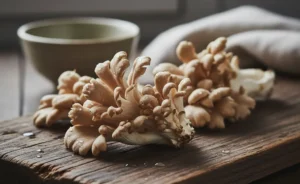
When it comes to the star of your dish, shiitake mushrooms, you have two primary options: fresh or dried. Fresh shiitake mushrooms offer a tender texture and a milder, subtly earthy taste. They are excellent for a quick preparation and can be sliced and added directly to your ramen. Dried shiitake mushrooms, on the other hand, boast a more intense, concentrated umami flavor. When rehydrated, the soaking liquid itself becomes a valuable, flavorful stock that can be incorporated into your broth, adding an incredible depth to your shiitake mushroom ramen. It’s often recommended to use a combination for maximum flavor and texture.
Choosing Your Ramen Broth Base
The broth is the soul of any ramen. For a shiitake mushroom ramen, you’ll want a base that complements and enhances the mushroom’s earthy notes. A traditional dashi, made from kombu and dried shiitake mushroom soaking liquid, provides an excellent foundation with its clean umami profile. Vegetable stock is another fantastic option for a vegetarian or vegan ramen. You can further enrich the broth with savory elements like soy sauce, mirin, and a touch of miso paste, creating a complex and deeply satisfying liquid.
Noodle Selection: Traditional & Quick Alternatives
Ramen noodles come in various forms, each offering a unique texture. Traditional ramen noodles are typically wheat-based, chewy, and springy, ideal for soaking up the rich broth. However, for a quick meal, you can opt for instant ramen noodles (discarding their seasoning packets) or even udon or soba noodles as alternatives. The key is to choose noodles that hold up well in the hot soup and complement the other ingredients of your shiitake mushroom ramen.
Flavor Boosters & Garnishes
To elevate your ramen experience, don’t overlook the power of flavor boosters and garnishes. Aromatic ingredients like fresh ginger, garlic, and sesame oil can be added to the broth for extra punch. For garnishes, consider thinly sliced scallions, crispy nori sheets, wilted bok choy, corn, or edamame. These not only add visual appeal but also contribute texture and fresh flavors, completing your perfect bowl. You could also prepare a savory shiitake mushroom sauce to complement the dish.
Step-by-Step Guide to Crafting Shiitake Mushroom Ramen
Building a delicious bowl of shiitake mushroom ramen is a process of layering flavors and textures. Follow these steps to ensure a harmonious and satisfying result, transforming simple ingredients into a gourmet experience.
Preparing Your Ingredients
Before you begin cooking, it’s crucial to have all your ingredients prepped and ready. If using dried shiitake mushrooms, start by rehydrating them in warm water for at least 30 minutes, reserving the liquid. Slice your fresh shiitake mushrooms, mince garlic and ginger, chop scallions, and prepare any other vegetables like bok choy or tofu. Having everything prepped makes the cooking process smooth and enjoyable, ensuring your shiitake mushroom prep for ramen is efficient. For a different cooking method, you might consider trying a shiitake mushroom air fryer preparation.
Building the Flavorful Broth
The broth is where the magic happens. In a pot, sauté your minced ginger and garlic in a little sesame oil until fragrant. Add your broth base (dashi, vegetable stock, or mushroom soaking liquid) and bring it to a simmer. Incorporate soy sauce, mirin, and miso paste, stirring until dissolved. Add your sliced fresh shiitake mushrooms and any other hard vegetables, allowing them to cook gently in the savory liquid, enhancing the overall mushroom flavor.
Cooking the Noodles to Perfection
While your broth simmers, cook your ramen noodles according to package instructions. It’s important not to overcook them, as they will continue to soften slightly when added to the hot broth. Aim for an “al dente” texture – slightly firm to the bite. Once cooked, drain them thoroughly and set aside.
Assembling Your Ramen Bowl
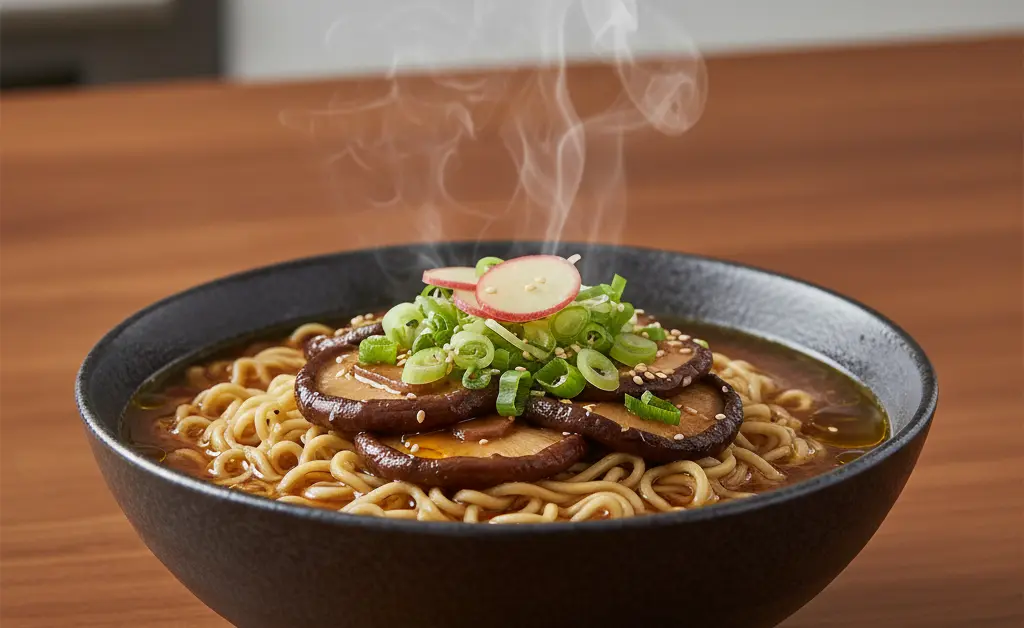
Now for the exciting part: assembling your shiitake mushroom ramen. Divide the cooked noodles among serving bowls. Ladle the hot, flavorful broth over the noodles, ensuring an even distribution of mushrooms and any other vegetables from the broth. Arrange your chosen garnishes artistically on top. This is where you can add soft-boiled eggs, slices of tofu, more fresh scallions, nori, chili oil, or a sprinkle of sesame seeds. Serve immediately to enjoy the warmth and freshness.
Tips for Perfecting Your Homemade Ramen
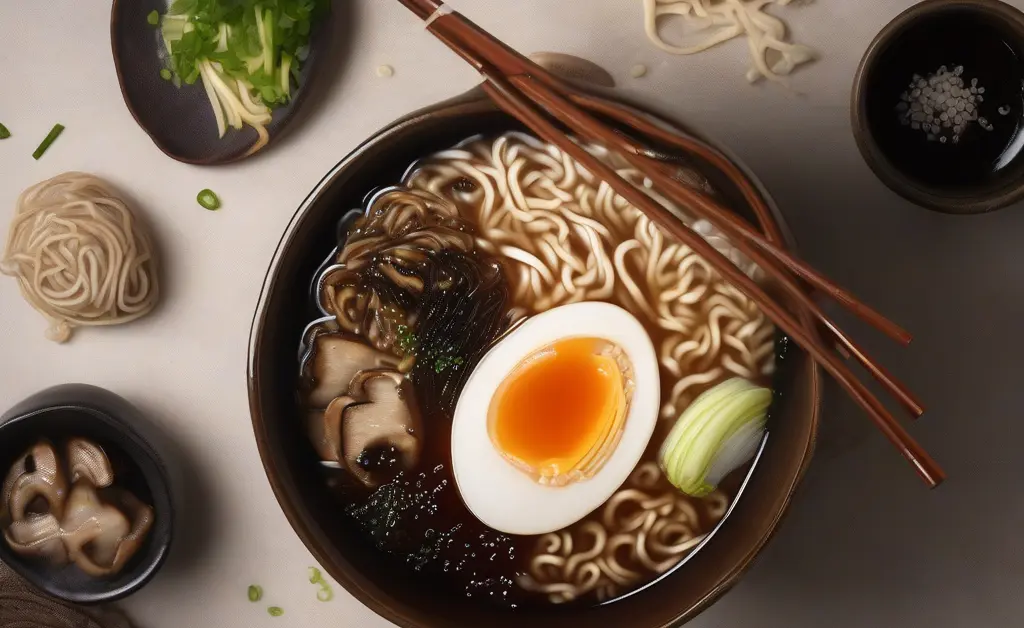
Even a simple recipe can benefit from a few expert tips to elevate it from good to outstanding. These insights will help you achieve a restaurant-quality finish for your homemade shiitake mushroom ramen.
Achieving the Ideal Noodle Texture
The texture of your noodles can make or break a ramen experience. For optimal chewiness, avoid overcooking them. Many chefs recommend cooking noodles separately, draining them, and then adding them to preheated bowls before pouring in the hot broth. This prevents them from becoming soggy. If you’re making multiple servings, consider cooking noodles in batches. This quick ramen noodle hack ensures a consistently perfect noodle texture for every bowl of shiitake mushroom ramen.
Don’t Forget the Garnishes!
Garnishes are more than just decoration; they add crucial layers of flavor and texture. Fresh scallions provide a sharp, fresh bite, while a sheet of nori adds a hint of sea flavor and visual appeal. A drizzle of chili oil introduces a spicy kick, and a perfectly soft-boiled egg adds richness. Think about contrasting textures and colors to make your shiitake mushroom ramen visually appealing and texturally dynamic.
Variations & Customizations for Your Ramen
One of the joys of making shiitake mushroom ramen at home is the ability to customize it to your personal taste and dietary needs. The base recipe is incredibly flexible, allowing for endless creative modifications. For a different culinary adventure, a delicious shiitake mushroom stir-fry is also an excellent option.
Making it Vegan or Vegetarian
The shiitake mushroom ramen recipe is naturally well-suited for vegan or vegetarian diets. Ensure your broth base is purely vegetable-based (using vegetable stock or the rehydrated mushroom liquid). Omit any non-vegan ingredients if you’re adding protein, focusing instead on plant-based options like tofu or tempeh. This ensures a hearty and flavorful vegetarian ramen.
Adding Protein: Tofu, Egg, or Chicken
While shiitake mushrooms provide a satisfying bite, you might want to add extra protein. Cubes of pan-fried or baked tofu are an excellent plant-based option. A perfectly soft-boiled egg (ajitsuke tamago) is a classic ramen topping, adding creaminess and richness. For meat-eaters, thinly sliced cooked chicken or pork can also be incorporated. Adding these elements makes your shiitake mushroom ramen even more substantial.
Spicy Kicks and Other Flavor Adjustments
If you enjoy a bit of heat, consider adding a dash of chili oil, sriracha, or gochujang to your ramen bowl. For more pronounced savory notes, a spoonful of black garlic oil can add an incredible depth of umami. A squeeze of lime juice at the end can brighten the flavors. Experiment with different flavor adjustments to find your perfect balance.
Serving & Storing Your Shiitake Mushroom Ramen
Once your delicious shiitake mushroom ramen is ready, immediate enjoyment is key. For best practices for serving, portion out the noodles and broth into individual bowls, adding garnishes just before serving to maintain their freshness and texture. If you have leftovers, it’s best to store the components separately to preserve their quality. Store the broth in an airtight container in the refrigerator. Cooked noodles should also be stored separately, ideally in a sealed container, as they can become mushy if left in the broth. The shiitake mushrooms and other cooked vegetables can be stored with the broth. When reheating, gently warm the broth, then add fresh noodles (or re-warm the stored ones) and combine for a quick and satisfying meal again. This approach for storing leftover ramen ensures your homemade creation remains delicious and appealing.
This information should be viewed as educational rather than medical advice. It is not intended to diagnose, treat, cure, or prevent any disease or health condition. Always consult with a qualified healthcare professional before making any decisions related to your health or diet. Individual results may vary.
FAQ
— How do you prepare shiitake mushrooms for ramen?
Fresh shiitake mushrooms benefit from a gentle wipe with a damp cloth and removal of their stems, which can be tough. Slicing them thinly allows them to cook quickly and absorb the broth’s flavors effectively. For a deeper umami, a quick sauté before adding to the broth can enhance their natural savory notes.
— What kind of noodles are best for shiitake mushroom ramen?
Traditional ramen noodles, typically made from wheat flour, water, salt, and kansui, offer the ideal texture and springiness. Their firm chewiness complements the earthy flavors of shiitake mushrooms and stands up well to a rich broth. Thin or medium-thick noodles are generally preferred, as they absorb the broth wonderfully without becoming too soft.
— Can shiitake mushroom ramen be made vegan?
Absolutely, crafting a delicious vegan ramen is very straightforward. The mushrooms themselves are plant-based, and the key is to ensure the broth and any additional toppings are free from animal products. Many plant-based broths feature a dashi made from kombu, for example, which pairs beautifully with shiitake.
— What ingredients can be added to shiitake mushroom ramen?
Beyond the shiitake mushrooms, common additions to enhance flavor and texture include bok choy, scallions, bamboo shoots, and corn. A soft-boiled egg is a popular choice, though for a vegan option, pan-fried tofu or tempeh can add protein and substance. A drizzle of chili oil or a sprinkle of toasted sesame seeds can introduce an extra layer of complexity.
— How long does it take to cook shiitake mushroom ramen?
The cooking time for shiitake mushroom ramen largely depends on the preparation of the broth and noodles. If using a pre-made broth and instant ramen noodles, the dish can be ready in under 15 minutes. Preparing a broth from scratch will extend the overall time, though assembling the final bowl after the broth is ready remains quick.
— Can dried shiitake mushrooms be used in ramen?
Dried shiitake mushrooms are an excellent choice for crafting a flavorful shiitake mushroom ramen, often yielding a more concentrated umami than fresh ones. Rehydrating them in warm water for at least 20-30 minutes is crucial until they are fully softened. The resulting soaking liquid, known as shiitake dashi, can then be strained and used as a base or addition to your ramen broth, greatly enhancing its depth.
— What is the best broth base for shiitake mushroom ramen?
For a truly complementary flavor, a dashi-based broth infused with kombu and additional dried shiitake mushrooms forms an outstanding foundation. This combination creates a rich, savory umami that highlights the natural qualities of the fresh shiitake. A light soy sauce or miso paste can further enhance the broth, balancing the earthy notes.