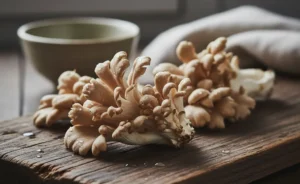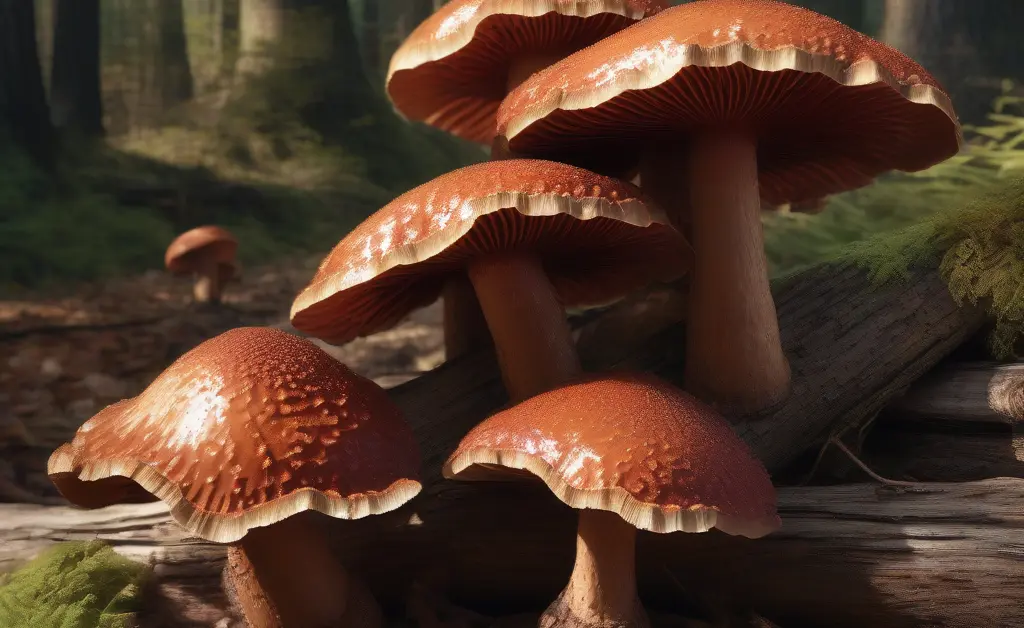
Reishi mushroom farming has gained significant attention in recent years due to the mushroom’s reputed health benefits and increasing market demand. Cultivating reishi mushrooms requires a blend of knowledge about suitable substrates, environmental conditions, and proper cultivation techniques to ensure successful growth and high yields. This guide aims to provide a comprehensive overview for both beginners and experienced growers, covering everything from substrate preparation to harvesting and post-harvest handling. Whether you are interested in small-scale home cultivation or commercial production, understanding the essentials of reishi mushroom farming is crucial for optimizing growth conditions and maximizing economic returns.
Introduction to Reishi Mushroom Farming
Reishi mushroom farming centers around the cultivation of Ganoderma lucidum, a fungus prized for its medicinal properties and unique appearance. Unlike many edible mushrooms, reishi is typically grown for its fruiting bodies, which are processed for extracts and supplements. Successful reishi mushroom farming involves replicating the natural conditions under which these mushrooms thrive, often on wood-based substrates. Cultivators must consider factors such as the choice of substrate, spawn quality, and environmental parameters to promote robust mycelium growth and abundant fruiting. The increasing interest in reishi mushroom benefits has propelled its farming from traditional forest collection to more controlled agricultural systems, including indoor and greenhouse cultivation.
How to Grow Reishi Mushrooms at Home
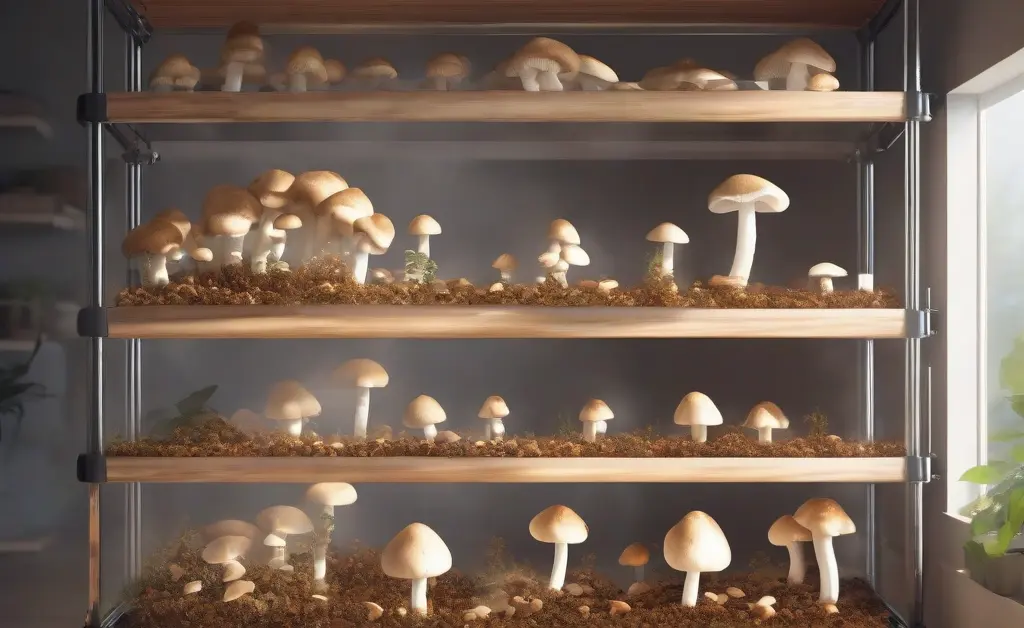
Growing reishi mushrooms at home can be a rewarding endeavor, offering personal access to this valuable fungus. Home cultivation typically involves preparing or purchasing a suitable substrate, inoculating it with quality spawn, and maintaining appropriate environmental conditions. Many hobbyists use logs or sawdust blocks as substrates, replicating the mushroom’s natural wood-decaying habitat. Attention to humidity, temperature, and airflow is critical to mimic the reishi mushroom growing conditions found in nature. Although home growers may produce smaller yields than commercial operations, the process offers valuable insight into fungal biology and sustainable agriculture practices. With patience and care, home cultivation can yield healthy fruiting bodies suitable for personal use or small-scale sale.
Choosing and Preparing Substrate for Reishi Cultivation
Types of suitable substrates
The choice of substrate is fundamental in reishi mushroom farming, as it provides the necessary nutrients and structure for mycelium colonization and fruiting body development. Reishi mushrooms naturally grow on hardwoods, making wood-based substrates like oak, maple, beech, and elm highly suitable. These can be used in the form of logs, wood chips, or sawdust. In addition to hardwoods, agricultural by-products such as cottonseed hulls, wheat bran, and rice bran can be blended with wood materials to enrich the substrate. The lignin and cellulose content in these substrates supports the enzymatic activity of Ganoderma lucidum, facilitating effective fungal growth. Selecting substrates with a balanced nutrient profile and proper physical structure contributes to higher substrate yield and better fruiting quality.
Sterilization and preparation techniques
Proper sterilization of the substrate is essential to minimize contamination and create an optimal environment for reishi mushroom mycelium. The preparation process typically involves moisture adjustment followed by sterilization or pasteurization. Sterilization can be achieved through autoclaving, pressure cooking, or steam pasteurization, depending on the scale of cultivation. This process eliminates competing fungi and bacteria, allowing the reishi spawn to colonize the substrate without interference. Some growers opt for hot water or lime treatment as alternative methods for substrate preparation. Maintaining a clean environment during substrate handling further reduces contamination risks, which is critical for successful reishi mushroom farming.
Methods for improving substrate yield
To enhance substrate yield, growers may implement several strategies that optimize nutrient availability and physical conditions within the substrate. Supplementation with nitrogen-rich additives such as soybean meal, bran, or other agricultural residues can boost fungal growth and fruiting body development. Ensuring adequate moisture content while avoiding waterlogging supports optimal mycelium activity. Physical treatments like shredding or chopping substrates into smaller particles increase surface area, promoting faster colonization. Additionally, layering or mixing substrates can create microenvironments favorable for fungal expansion. Monitoring substrate pH and adjusting it to slightly acidic ranges also helps improve nutrient uptake. These methods collectively contribute to improved reishi mushroom growing outcomes and higher productivity.
Inoculation and Spawn Preparation Techniques
Selecting quality spawn
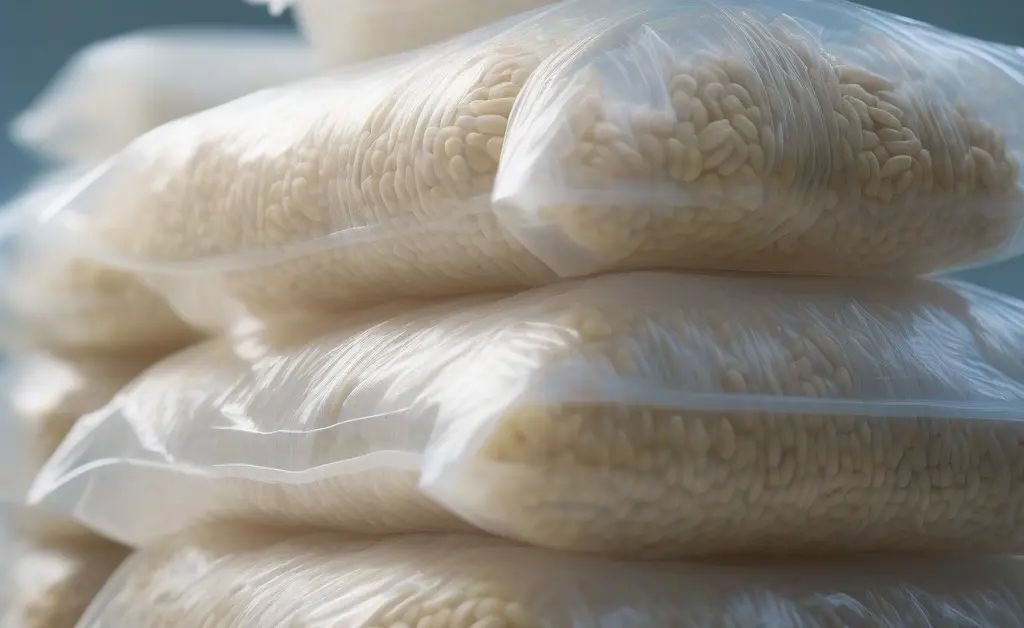
High-quality spawn is a cornerstone of successful reishi mushroom farming, as it directly affects the speed and vigor of mycelium colonization. Spawn is typically produced by inoculating sterilized grains or sawdust with pure reishi mycelium cultures under controlled laboratory conditions. Selecting spawn with vigorous growth, free of contaminants, and genetically stable strains ensures reliability in cultivation. Commercial suppliers often provide spawn that has been tested for viability and purity. Home growers may also produce their own spawn from tissue cultures sourced from healthy fruiting bodies. Using quality spawn reduces the risk of fungal contamination and improves overall yield, making it a critical factor in mushroom inoculation techniques.
Inoculation procedures
Inoculation involves introducing reishi mushroom spawn into the prepared substrate under sterile or clean conditions. This can be done by layering spawn within substrate bags, mixing spawn thoroughly into bulk substrates, or inserting spawn dowels into logs. The goal is to achieve even distribution of mycelium to promote uniform colonization. Maintaining sterile technique during inoculation helps prevent contamination and supports healthy mycelium growth. After inoculation, substrates are sealed or covered to maintain humidity and prevent desiccation while allowing limited gas exchange. Proper inoculation procedures set the foundation for efficient reishi mushroom growth and successful cultivation cycles.
Environmental Conditions for Reishi Mushroom Farming
Optimal temperature ranges
Temperature control is crucial in reishi mushroom farming as it influences mycelium growth rates and fruiting body development. Reishi mycelium thrives within moderate temperature ranges typically found in temperate climates. During the initial colonization phase, slightly warmer temperatures can accelerate mycelial expansion, whereas cooler conditions often favor fruiting initiation. Fluctuations outside the optimal range may slow growth or cause stress, impacting overall yield. Understanding and managing temperature to align with the distinct growth stages of Ganoderma lucidum supports the best possible outcomes in reishi mushroom growing conditions.
Maintaining humidity levels
Humidity plays a vital role in the development of reishi mushrooms, particularly during the fruiting stage when moisture supports the formation and expansion of the fruiting body. Maintaining high relative humidity prevents desiccation and cracking of the mushroom surface, which can degrade quality. However, excessive moisture without adequate ventilation risks promoting bacterial growth and contamination. Employing humidifiers, misting systems, or natural moisture sources helps sustain the ideal humidity balance. Consistent humidity management aligns with the humid growing conditions that reishi mushrooms naturally prefer, facilitating healthy development.
Light exposure needs
Although reishi mushrooms do not require intense light, exposure to indirect or diffused light is beneficial during fruiting. Light acts as a trigger for the development of the mushroom’s distinctive fruiting bodies and affects their morphology and pigmentation. Total darkness during the mycelium colonization phase is often preferred, but a controlled light cycle during fruiting can improve fruit body formation and reishi mushroom look-alikes differentiation. Natural or artificial light sources that simulate shaded forest conditions typically suffice for effective cultivation.
Watering and ventilation
Proper watering ensures substrates remain moist without becoming waterlogged, which is essential for sustaining mycelial health. Watering methods may include misting or direct application, adjusted according to environmental humidity and substrate moisture retention. Ventilation is equally important to provide fresh air exchange, prevent CO2 buildup, and reduce contamination risks. Good airflow mimics natural forest mushroom farming environments, promoting vigorous growth and preventing fungal diseases. Balancing watering and ventilation is a key aspect of maintaining the mushroom growth environment in reishi mushroom farming.
Managing environmental fluctuations
Environmental fluctuations such as sudden changes in temperature, humidity, or airflow can stress reishi mushroom mycelium and hinder cultivation success. Implementing measures to stabilize these conditions, such as using climate-controlled greenhouses or shelters, helps mitigate adverse impacts. Monitoring systems and environmental controls allow growers to respond promptly to deviations. Buffering environmental variability is especially important in outdoor or natural forest floor cultivation settings, where weather can be unpredictable. Effective management of these fluctuations supports continuous and healthy reishi mushroom growth cycles.
Cultivation Methods: Greenhouse vs. Natural Settings
Greenhouse setup and requirements
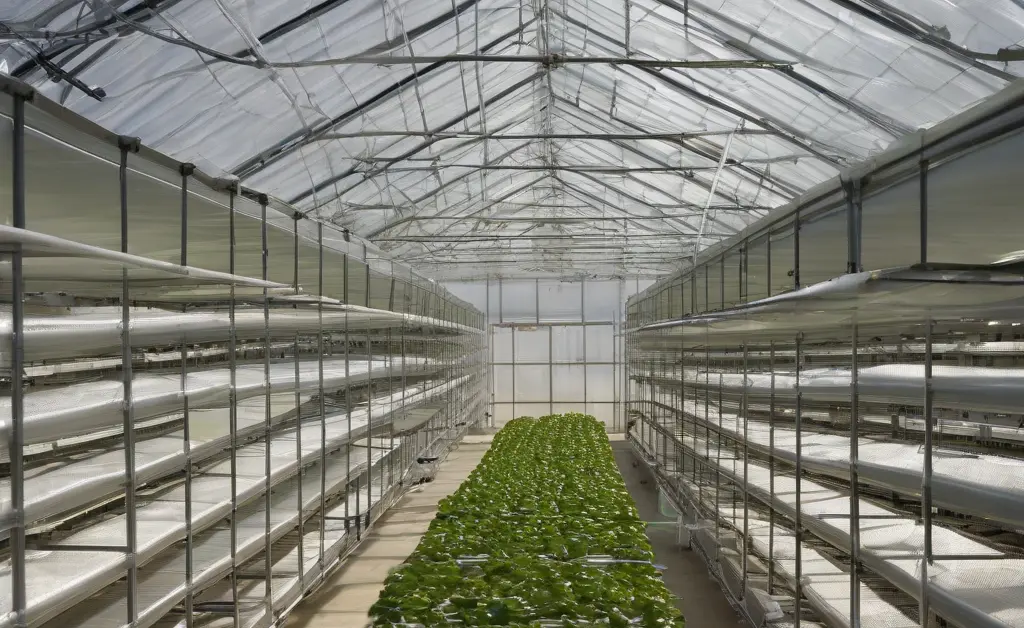
Greenhouse cultivation of reishi mushrooms offers a controlled environment that supports optimized growth conditions year-round. A well-designed greenhouse provides protection from extreme weather, maintains stable humidity and temperature, and allows for regulated light exposure. Essential infrastructure includes humidity control systems, ventilation fans, and shelving or racks for substrate placement. Greenhouses enable precise environmental control, reducing contamination risks and improving yield consistency. This method aligns well with commercial reishi mushroom farming aiming for predictable production schedules and high-quality outputs.
Natural forest floor conditions
Growing reishi mushrooms on the natural forest floor replicates the species’ native habitat, where it grows on decaying hardwood logs and stumps. This method leverages the existing ecosystem, including naturally balanced humidity, temperature, and microbial communities. However, it is less predictable and may result in variable yields due to environmental fluctuations and competition from other fungi or pests. Forest mushroom farming is often more sustainable and low-input but requires patience and careful site selection to ensure success. It also offers opportunities to harvest wild spores and observe natural fungal biology in situ.
Makeshift shady and humid environments
For small-scale or home growers without access to greenhouses or forest settings, creating makeshift shady and humid environments can facilitate reishi mushroom cultivation. This may involve constructing simple shade structures using mesh or tarp to reduce direct sunlight, combined with watering or misting systems to maintain humidity. Such environments mimic the damp, sheltered conditions that reishi mushrooms favor and can be set up in backyards or patios. While less controlled than greenhouses, these setups provide a practical option for reishi mushroom growing when natural forest floor conditions are unavailable.
Cost comparison: greenhouse vs. natural cultivation
When evaluating reishi mushroom farming methods, cost considerations are significant. Greenhouse cultivation generally requires higher initial investment due to infrastructure, climate control equipment, and energy use. However, it often results in more consistent yields and potentially faster returns. In contrast, natural cultivation on forest floors involves minimal setup costs but may produce less predictable harvests and require longer cultivation periods. Small-scale or hobby growers may prefer natural or makeshift environments to reduce expenses. Understanding these cost dynamics helps growers align their investment with production goals and available resources.
Maintenance, Monitoring, and Troubleshooting in Reishi Farming
Pest and disease management
Effective pest and disease management is essential to protect reishi mushroom crops from yield loss and quality degradation. Common pests include insects such as flies and mites that can damage the fruiting bodies or introduce contaminants. Diseases caused by competing fungi or bacteria may manifest as discoloration, off-odors, or mycelial decline. Preventative measures include maintaining cleanliness, proper environmental control, and using physical barriers. Biological controls and integrated pest management strategies are also applied in sustainable mushroom farming to minimize chemical use. Early detection and intervention are critical for maintaining healthy reishi mushroom growth.
Dealing with contamination
Contamination by unwanted fungi, bacteria, or molds poses a significant challenge in reishi mushroom farming. Contaminants compete with Ganoderma lucidum mycelium for nutrients and space, often leading to crop failure. Contamination can originate from substrate, spawn, tools, or environmental exposure. Sterilization and aseptic inoculation techniques reduce risks, but growers must remain vigilant during all cultivation phases. When contamination occurs, affected substrates should be isolated or discarded to prevent spread. Understanding fungal biology and contamination control methods enables growers to maintain productive cultivation environments.
Signs of healthy mycelium growth
Healthy reishi mushroom mycelium typically appears as dense, white, and fibrous growth spreading evenly throughout the substrate. It should exhibit vigorous expansion without discoloration or slimy textures. The mycelium’s ability to colonize the substrate fully and rapidly is a key indicator of spawn quality and substrate suitability. Observing these signs helps growers assess the progress of colonization and anticipate fruiting. Conversely, yellowing, darkening, or foul smells often signal contamination or substrate degradation, requiring prompt attention.
Common pests affecting reishi mushrooms
Several pests can adversely affect reishi mushroom crops, including fungus gnats, springtails, and various mites. These organisms feed on mycelium or fruiting bodies, causing physical damage and increasing the risk of contamination. Controlling pests involves maintaining appropriate environmental conditions, using physical traps, and ensuring cleanliness in growing areas. Some growers adopt organic pest control methods compatible with sustainable agriculture practices to minimize chemical residues. Awareness of common pest species and their behaviors enables proactive management in reishi mushroom farming.
Harvesting and Post-Harvest Handling of Reishi Mushrooms
Identifying harvest time
Determining the optimal harvest time for reishi mushrooms involves observing the development and maturity of the fruiting bodies. Reishi mushrooms typically have a shiny, varnished appearance when mature, with a well-formed cap and distinct concentric rings. Harvesting at the right stage maximizes the concentration of active compounds associated with reishi mushroom benefits. Timing also affects texture and drying efficiency. Experienced growers monitor color changes and morphological cues to schedule harvests effectively and ensure product quality.
Drying and storage methods
Post-harvest drying is critical for preserving reishi mushrooms and preventing microbial spoilage. Common drying methods include air drying in shaded, ventilated areas or using low-temperature dehydrators. Adequate drying reduces moisture content to levels that inhibit bacterial and fungal growth while maintaining bioactive properties. After drying, storage in airtight containers away from light and humidity prolongs shelf life and potency. Proper post-harvest processing is essential for producing market-ready reishi mushroom products.
Techniques for extending harvest periods
Extending the harvest period in reishi mushroom farming can improve overall yield and economic returns. Techniques include staggered inoculation schedules, allowing multiple substrate batches to fruit at different times. Environmental manipulation, such as adjusting humidity and temperature, may also encourage successive flushes of fruiting bodies. Some growers practice substrate supplementation or partial harvesting to prolong fruit body development. These approaches require careful monitoring and management but enable more continuous production compared to single-harvest systems.
Economic Considerations and Startup Costs in Reishi Farming
Return on investment
The return on investment in reishi mushroom farming depends on various factors including scale, cultivation method, substrate costs, and market demand. While initial startup costs for equipment, substrate preparation, and spawn acquisition can be substantial, the high value of reishi mushrooms often justifies these expenditures. Efficient production techniques and effective environmental control contribute to maximizing yields and profitability. Market trends highlighting reishi mushroom benefits have expanded opportunities for growers, especially in health supplement industries. Understanding economic considerations helps prospective farmers plan sustainable and financially viable reishi mushroom cultivation ventures.
Common Challenges in Reishi Mushroom Farming
Reishi mushroom farming faces several common challenges that growers must navigate to achieve successful outcomes. Managing contamination and pest infestations requires vigilance and effective preventive measures. Environmental fluctuations can disrupt growth cycles, necessitating adaptive control strategies. Variability in substrate quality and spawn vigor may impact consistency, while initial investment costs and labor requirements can be barriers for new growers. Additionally, distinguishing genuine reishi mushrooms from look-alikes is important for product integrity. Addressing these challenges through informed practices and ongoing learning supports resilient and productive reishi mushroom farming operations.
Reishi mushroom farming is a specialized branch of mycology that integrates understanding of fungal biology, environmental conditions, and agricultural techniques. By embracing best practices in substrate preparation, spawn selection, inoculation, and environmental control, cultivators can optimize reishi mushroom growth and capitalize on the growing market interest in this medicinal fungus. Whether through greenhouse production or natural forest floor cultivation, attention to detail and adaptability remain essential for successful reishi mushroom growing and harvesting.
Disclaimer: This article is intended for informational purposes only and does not constitute medical advice or treatment. Reishi mushroom farming practices should be conducted in accordance with local regulations and safety standards. Always consult with qualified professionals before undertaking any cultivation or health-related activities involving mushrooms.
For scientific research and detailed studies on Ganoderma lucidum and its cultivation, the NIH database offers extensive resources.
FAQ
— What is the best environment to grow reishi mushrooms?
Reishi mushrooms thrive in shaded, humid environments with good air circulation. They prefer areas where the temperature and moisture levels can be controlled to mimic their natural forest habitat. Maintaining cleanliness is also important to prevent contamination during growth.
— How do I prepare substrate for reishi mushroom cultivation?
The substrate generally consists of hardwood sawdust or logs, which provide the nutrients needed for growth. It is often supplemented with materials such as bran to enhance nutrient content. Proper sterilization or pasteurization of the substrate is crucial to minimize competing organisms.
— What are the ideal temperature and humidity for reishi farming?
Reishi mushrooms are often cultivated within a moderate temperature range that supports mycelial growth and fruiting. Humidity levels need to be kept relatively high to encourage healthy development of the fruit bodies. Precise conditions may vary depending on the growth stage.
— Can reishi mushrooms be grown indoors in a greenhouse?
Yes, reishi mushrooms can be successfully grown indoors within a greenhouse setting. This environment allows for better control over temperature, humidity, and light exposure, which are important factors for optimal growth. Greenhouses also help protect the mushrooms from pests and environmental stress.
— When is the right time to harvest reishi mushrooms?
Harvesting typically occurs when the fruiting bodies have fully matured, showing their characteristic glossy, reddish appearance. Timing is important to ensure maximum potency and quality of the mushrooms. Observing changes in texture and color can offer cues for the ideal harvest moment.
— What are common problems faced in reishi mushroom farming?
Common challenges include contamination by molds or bacteria, which can inhibit growth or spoil the crop. Environmental fluctuations such as inconsistent humidity or temperature may also stress the mushrooms. Additionally, pests like insects or rodents can pose risks if not properly managed.
— How much does it cost to start reishi mushroom cultivation?
The initial investment for reishi mushroom farming varies depending on scale and infrastructure needs. Costs often include substrate materials, spawn acquisition, equipment for environmental control, and space preparation. Budget considerations should also account for labor and ongoing maintenance expenses.
— What are the different methods of reishi mushroom cultivation?
Reishi mushrooms can be cultivated using log culture, sawdust bags, or other substrate-based techniques. Log culture involves inoculating hardwood logs and is a traditional method that often produces high-quality mushrooms. Sawdust bag cultivation allows for indoor production and more controlled conditions. These approaches cater to different scales and resource availability in reishi mushroom farming.