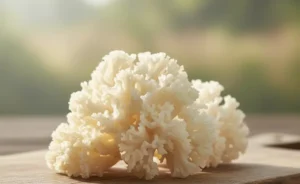

It’s natural to seek comfort and delight in our meals, exploring diverse flavors and ingredients that enrich our culinary experiences. However, for some individuals, what seems like a harmless addition to a dish can trigger an unexpected and concerning reaction. The thought of an adverse food response can be unsettling, turning a simple meal into a source of anxiety. Understanding specific food sensitivities is crucial for maintaining well-being and peace of mind. This article aims to demystify the complexities surrounding oyster mushroom allergy, shedding light on its symptoms, underlying causes, and effective management strategies, empowering those affected to navigate their dietary choices with greater confidence and safety.
What is Oyster Mushroom Allergy?
Defining Oyster Mushroom Allergy
An oyster mushroom allergy represents an adverse immune system response to proteins found in oyster mushrooms (scientific name: Pleurotus ostreatus). Unlike a food intolerance, which typically involves digestive issues and does not engage the immune system, an allergic reaction is a specific, often rapid, and potentially severe immune response. Individuals with an oyster mushroom allergy typically have their immune system mistakenly identify specific mushroom proteins as harmful invaders. This triggers the production of immunoglobulin E (IgE) antibodies, which then initiate a cascade of reactions upon subsequent exposure, releasing chemicals like histamine and leading to various symptoms throughout the body.
Symptoms of Oyster Mushroom Allergy
Recognizing the symptoms of an oyster mushroom allergy is crucial for prompt action and management. Reactions can vary widely in severity and presentation, affecting different body systems. For a comprehensive understanding of potential adverse reactions, one might explore the various oyster mushroom side effects.
Early Signs and Symptoms
Early signs of an allergic reaction to oyster mushrooms may appear within minutes to a couple of hours after ingestion or even through skin contact or inhalation of spores during preparation. These initial indicators might be subtle, such as a tingling sensation in the mouth, mild itching, or a feeling of general discomfort.
Mild to Moderate Symptoms
As the reaction progresses, individuals may experience more noticeable and bothersome symptoms. These often include skin reactions like hives, which are itchy, red welts that can appear anywhere on the body, or a generalized skin rash. Other common mild to moderate symptoms can involve nasal congestion, sneezing, a runny nose, or watery eyes, akin to hay fever symptoms. A mild feeling of swelling in the lips, face, or throat may also occur.
Severe Reactions and Anaphylaxis
In some cases, an oyster mushroom allergy can lead to severe, life-threatening reactions known as anaphylaxis. Anaphylaxis is a medical emergency characterized by a sudden drop in blood pressure, difficulty breathing due to swelling of the airways, rapid pulse, dizziness, and loss of consciousness. The onset is rapid and requires immediate medical intervention. Recognizing emergency symptoms like severe difficulty breathing, a sudden feeling of weakness, or profound dizziness is paramount.
Gastrointestinal Symptoms
Digestive issues are common in food allergies. After consuming oyster mushrooms, individuals might experience nausea, vomiting, abdominal pain, cramping, or diarrhea. These gastrointestinal symptoms can sometimes be mistaken for food poisoning or intolerance, but in an allergic context, they are part of a broader immune response.
Skin Reactions (Hives, Rash, Swelling)
Detailed skin reactions can include widespread hives, which are very itchy and can merge to form larger patches. An itchy rash, sometimes accompanied by redness, is also a common manifestation. Swelling, known as angioedema, particularly around the eyes, lips, face, and throat, can be a particularly concerning symptom, especially if it affects the airways.
Duration of Allergic Reactions
The duration of allergic reactions to oyster mushrooms can vary greatly. Mild symptoms might resolve within a few hours, especially with the use of antihistamines. More moderate reactions could persist for several hours or even a day. Severe reactions, such as anaphylaxis, require immediate emergency treatment and careful monitoring, as symptoms can sometimes recur hours later in a biphasic reaction.
Causes of Oyster Mushroom Allergic Reactions
Immunological Mechanisms (IgE-Mediated)
Most true food allergies, including those to oyster mushrooms, are IgE-mediated. This means that upon initial exposure to specific fungal proteins in the mushroom, the immune system of a susceptible individual produces IgE antibodies. These antibodies attach to mast cells, which are immune cells found throughout the body. Upon subsequent exposure to the same mushroom proteins, these allergens bind to the IgE antibodies on the mast cells, triggering the release of chemicals such as histamine. Histamine is responsible for many classic allergic symptoms, including itching, swelling, and difficulty breathing. This rapid immune response is what characterizes an allergic reaction.
Key Allergens in Oyster Mushrooms
Oyster mushrooms, like other fungi, contain various proteins that can act as allergens. Research indicates that specific mushroom proteins are responsible for eliciting an immune response in sensitized individuals. One such component that has been studied in mushrooms, including the oyster mushroom (Pleurotus ostreatus) and related varieties like king oyster mushrooms, is Trehalose phosphorylase. This enzyme, along with other uncharacterized fungal proteins, can be recognized by the immune system as a threat. Cross-reactivity is also a significant factor, where an individual allergic to one type of mushroom or even other fungi (like molds) may react to oyster mushrooms because of similar protein structures. This phenomenon means that if someone has an allergy to other mushroom varieties (e.g., button mushrooms), they may also experience an oyster mushroom allergy, or vice versa, due to shared allergenic components. For additional insights into food safety and allergenicity, organizations like the European Food Safety Authority often provide comprehensive scientific opinions and data.
Diagnosing Oyster Mushroom Allergy
Common Allergy Testing Methods
Diagnosing an oyster mushroom allergy typically involves a combination of medical history, physical examination, and specific allergy tests. A food allergy specialist will usually begin by asking detailed questions about the allergic reaction symptoms, timing, and any suspected food triggers. Common allergy test methods include a skin prick test, where a small amount of mushroom extract is applied to the skin, followed by a light prick. A positive reaction, indicated by a raised, red welt (a wheal and flare), suggests sensitivity. Another method is a blood test, which measures the level of specific IgE antibodies to oyster mushroom proteins in the blood. In some cases, an oral food challenge, performed under strict medical supervision, may be used as a definitive diagnostic tool, though it carries a risk of severe reaction.
Differentiating from Other Conditions
It is important to differentiate an oyster mushroom allergy from other conditions that may present with similar symptoms, such as food intolerance. For example, understanding mushroom intolerance involves digestive discomfort without an immune response, unlike an IgE-mediated allergy. Conditions like oral allergy syndrome, which can be caused by cross-reactivity between pollen and certain foods, might also present with mouth itching, but typically resolve quickly and are less severe than a true food allergy. Symptoms that mimic an allergy might also be caused by food poisoning or other digestive issues unrelated to an immune reaction. A thorough diagnostic process helps ensure an accurate diagnosis and appropriate management plan.
Managing and Treating Oyster Mushroom Allergy
Effective management of an oyster mushroom allergy involves a combination of immediate first aid, potential pharmacological interventions, and long-term avoidance strategies. A proactive approach is key to preventing severe reactions.
Immediate First Aid Steps
In the event of an allergic reaction to oyster mushrooms, immediate first aid is critical. For mild to moderate symptoms like hives or digestive issues, an antihistamine may provide relief. However, for severe reactions, particularly those involving difficulty breathing, swelling of the throat, or a sudden drop in blood pressure (anaphylaxis), an epinephrine auto-injector is the primary and most effective treatment. Individuals at risk for anaphylaxis should always carry two epinephrine auto-injectors and know how to use them. After administering epinephrine, it is essential to seek emergency medical attention immediately, even if symptoms improve, as a second wave of symptoms (biphasic reaction) can occur.
Pharmacological Interventions
Beyond epinephrine for emergencies, other pharmacological interventions may be used to manage oyster mushroom allergy symptoms. Antihistamines, available over-the-counter or by prescription, can help alleviate itching, hives, and nasal symptoms. Corticosteroids may be prescribed in some cases to reduce inflammation associated with more persistent or severe reactions, particularly skin rashes. It is crucial to consult a healthcare professional to determine the appropriate medication and dosage for managing specific allergic responses.
Long-Term Management Strategies
Long-term management of an oyster mushroom allergy centers on strict avoidance of the allergen. This involves careful attention to dietary modifications and lifestyle adjustments. Working closely with an allergist or a food allergy specialist is recommended to develop a comprehensive emergency plan, which includes details on recognizing symptoms, administering medications, and when to seek emergency care. Regular follow-up appointments can help monitor the allergy’s progression and adjust the management plan as needed. Developing allergies can sometimes change over time, so ongoing medical guidance is beneficial.
Dietary Modifications and Alternatives
For individuals with an oyster mushroom allergy, dietary modifications are essential. This means completely avoiding oyster mushrooms and any food products that may contain them. Careful label reading is necessary, as mushrooms can be hidden ingredients in processed foods, sauces, or broths. When dining out, informing restaurant staff about the allergy is crucial. Exploring safe and nutritious food alternatives is also important to maintain a balanced diet. Many other vegetables can provide similar textures and flavors without triggering an immune response, ensuring that dietary choices remain enjoyable and safe.
Preventing Oyster Mushroom Allergic Reactions
Safe Handling and Preparation
Preventing oyster mushroom allergic reactions largely revolves around rigorous allergen avoidance strategies, particularly in the kitchen and during food preparation. For individuals with a diagnosed allergy, simply handling fresh oyster mushrooms or even inhaling spores during cooking can potentially trigger a reaction. While cooking can sometimes alter protein structures through protein denaturation, it does not reliably eliminate the allergenicity of all mushroom proteins, meaning cooked mushrooms can still cause severe reactions. Therefore, strict avoidance is the safest approach. This includes preventing cross-contamination with cooking utensils, cutting boards, and surfaces that may have come into contact with oyster mushrooms. Separate preparation areas and cookware should be used if a household member has the allergy.
Allergen Avoidance Strategies
Effective allergen avoidance strategies extend beyond the home kitchen. It involves meticulously reading food labels to identify any mushroom-derived ingredients, understanding that mushrooms may be listed under various names. When dining out, communicating clearly with restaurant staff about the oyster mushroom allergy is critical. Many people also carry chef cards that explain their allergy in detail to ensure food safety. Avoiding dishes with ambiguous ingredients or those from establishments unwilling or unable to guarantee allergen-free preparation is a prudent measure. Understanding the prevalence of different major food allergens and being aware of potential hidden sources is a key aspect of preventing accidental exposure. Children with an allergy require extra vigilance from parents, caregivers, and school staff to ensure their environment is safe.
When to Seek Medical Help for Oyster Mushroom Allergy
Recognizing Emergency Symptoms
Knowing when to seek medical help is critical for individuals with an oyster mushroom allergy. Any severe or rapidly worsening symptoms should be considered an emergency. Emergency symptoms include difficulty breathing, wheezing, persistent coughing, tightness in the chest or throat, swelling of the lips, tongue, or throat, dizziness, fainting, a sudden drop in blood pressure, or a weak, rapid pulse. If these signs appear, immediate medical attention is required. Administering an epinephrine auto-injector, if available and prescribed, should be the first step, followed by calling emergency services without delay. These are indicators of a life-threatening allergies reaction that demands urgent professional intervention.
When to Consult an Allergist
It is advisable to consult an allergist or a food allergy specialist if you suspect you or someone you know has an oyster mushroom allergy. This is particularly important if you have experienced mild to moderate symptoms after consuming oyster mushrooms, if there is a family history of allergies, or if you are uncertain about the cause of your reactions. An allergist can conduct proper diagnostic tests, such as skin prick tests or blood tests, to confirm the allergy. They can also help differentiate an allergy from other conditions like an intolerance, provide an accurate diagnosis, and develop a personalized long-term management strategy. This may include prescribing an epinephrine auto-injector, educating on allergen avoidance, and creating an emergency plan to enhance safety and peace of mind.
Navigating an oyster mushroom allergy requires a combination of vigilance, education, and proactive management. By understanding the symptoms, causes, and effective strategies for prevention and treatment, individuals can confidently make informed dietary choices. Regular consultation with an allergist is paramount for an accurate diagnosis and a personalized care plan, empowering those affected to lead a safe and fulfilling life while effectively managing their allergy.
This article is meant for general informational use and awareness. It should not be considered as medical advice, diagnosis, or treatment. Always consult with a qualified healthcare professional for any health concerns or before making any decisions related to your health or medical care. Individual circumstances can vary, and professional medical guidance is essential.
FAQ
— What are the symptoms of an oyster mushroom allergy?
Symptoms commonly include skin manifestations like hives, rashes, or itching, as well as digestive upset such as nausea, vomiting, or diarrhea. Respiratory signs like wheezing, shortness of breath, or nasal congestion can also occur, indicating an immune system response.
— How is an oyster mushroom allergy diagnosed?
Diagnosing an oyster mushroom allergy typically involves a detailed review of your medical history and symptoms by a healthcare professional. They may recommend specific tests, such as a skin prick test or blood tests measuring IgE antibodies, to help identify sensitivities to particular mushroom proteins.
— Can you develop an allergy to oyster mushrooms later in life?
Yes, it is possible for allergies, including food allergies, to develop at any point in life, even if you have safely consumed the food before. The immune system can become sensitized to a substance over time through repeated exposure, leading to a delayed allergic response.
— What should I do if I have an allergic reaction to oyster mushrooms?
If you suspect an allergic reaction to oyster mushrooms, it is important to seek prompt medical attention. Carefully observing and documenting your symptoms can provide valuable information for healthcare professionals assessing the situation.
— Are oyster mushroom allergies common?
Allergies to specific types of mushrooms, including oyster mushrooms, are generally considered less common compared to other major food allergens like peanuts or shellfish. However, individual sensitivities vary greatly among the population.
— What components in oyster mushrooms cause allergies?
Allergic reactions are primarily triggered by specific proteins within the oyster mushroom that the immune system mistakenly identifies as harmful. When exposed, the body produces antibodies, leading to the release of histamines and other chemicals.
— Can an oyster mushroom allergy be life-threatening?
Like any food allergy, a severe reaction to oyster mushrooms has the potential to be life-threatening in rare cases, especially if it leads to anaphylaxis. Anaphylaxis is a severe, whole-body allergic reaction that requires immediate medical intervention.