In the kitchen, preparing morel mushrooms means gently removing the wild from the fungi—clearing away soil, forest debris, and any tiny inhabitants that may have hitched a ride. These prized wild mushrooms have a unique honeycomb-like cap and a hollow interior, which are perfect hiding spots for dirt and small bugs. Unlike simpler varieties, they can’t just be rinsed under a faucet without care, as this can lead to a soggy, flavorless result. Proper morel mushroom cleaning is a crucial step that preserves their delicate texture and ensures every bite is a culinary delight, not a gritty disappointment. This guide will walk you through the best methods, from simple brushing to saltwater soaks, ensuring your harvest is perfectly prepped for the pan.
Why Cleaning Morel Mushrooms is Important
Morel mushrooms are a direct link to the forest floor, and they bring a little of that environment with them. Their intricate, web-like caps and hollow stems are incredibly effective at trapping soil, sand, and tiny insects. Failing to clean them properly can result in a gritty texture that ruins their otherwise exquisite flavor and mouthfeel. The goal of cleaning is to remove all unwanted elements while preserving the mushroom’s delicate structure and prized taste. Understanding morel mushroom vitamins can also highlight their value.
Pre-cleaning Inspection
Before you begin any cleaning method, a thorough inspection is essential. Lay your morels out on a clean surface and examine each one individually. Look for mushrooms that are firm and fresh, avoiding any that are slimy, brittle, or show signs of decay. Peer into the hollow stem and check the deep crevices of the cap for any large pieces of debris or visible insects. This initial check allows you to sort your mushrooms and discard any that are past their prime, saving you time and effort in the subsequent cleaning steps.
Removing Soil and Debris
The primary reason for cleaning morels is to remove the soil, sand, and forest debris clinging to them. A single bite of a sandy mushroom can be an unpleasant experience, detracting from the culinary joy they provide. Because morels absorb water easily, which can dilute their flavor and make them mushy, the initial focus should be on dry removal methods. Effective morel mushroom cleaning starts with gently dislodging as much surface dirt as possible before introducing any moisture.
Best Methods for Cleaning Morel Mushrooms
The best method for cleaning morels often depends on how dirty they are and your personal preference. For relatively clean mushrooms, a dry method is superior. For those with more stubborn dirt or potential pests, a brief wet method may be necessary. It’s often best to start with the gentlest method first.
Using a Damp Paper Towel
For morels that have very little visible dirt, a damp paper towel can be sufficient. Simply moisten a paper towel, squeeze out all excess water, and gently wipe the surface of each mushroom. This technique removes light dust and debris without saturating the fungus. It is a quick and effective method for fresh, clean specimens that do not require a deep clean.
Brushing and Wiping
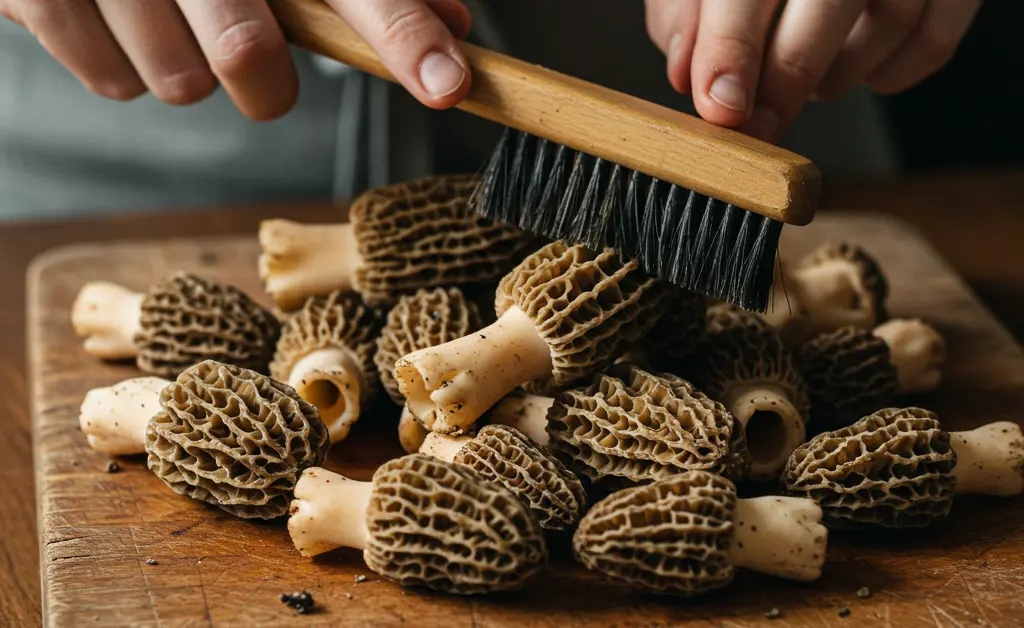
Brushing is the most highly recommended dry-cleaning technique among morel enthusiasts. Using a soft-bristled brush, such as a dedicated mushroom brush or even a new, soft-bristle toothbrush, you can gently whisk away dirt from the cap’s many nooks and crannies. Hold the mushroom by the stem and carefully brush downward, working from the top of the cap to the bottom. This method is excellent for maintaining the mushroom’s texture and flavor integrity.
Rinsing (When and How)
While prolonged soaking in plain water is discouraged, a very quick rinse can be used for particularly soiled morels. If you must rinse, do it just before cooking. Hold the mushrooms under a gentle stream of cool water, turning them quickly to wash away stubborn grit. Do not let them sit under the water. Immediately after rinsing, place them on a paper towel or clean cloth and gently pat them dry. Proper air drying techniques after a rinse can also help remove excess moisture.
Using Salt Water Solutions
A saltwater solution is a popular method used for both cleaning and encouraging any hidden insects to exit the mushrooms. The salt helps to dislodge stubborn dirt and creates an environment that small bugs find inhospitable, prompting them to leave the hollows of the morel. This method should be used judiciously, as a long soak can still affect the texture and saltiness of the mushrooms.
How to clean morels in salt water
To clean your morels using this method, start by preparing a basin of cool water. Add a moderate amount of salt and stir until it dissolves. Place the morels into the salt water, ensuring they are submerged, but do not overcrowd the bowl. Let them sit for just a few minutes, gently swishing them around a couple of times. You may see debris settle at the bottom and small insects float to the surface. Promptly remove the mushrooms from the water and pat them completely dry.
How to clean morel mushrooms with salt water?
When considering how to use a saltwater soak, the key is brevity. This approach to morel mushroom cleaning is a targeted intervention, not a lengthy bath. It is particularly useful for wild-harvested morels that may have a higher likelihood of containing tiny inhabitants. After their brief immersion in the salt water, lift the morels out rather than pouring the water out, as this leaves the dislodged dirt and any pests behind in the bowl. Always follow up by patting the mushrooms thoroughly dry before proceeding with your recipe or storage. Consider checking morel mushroom calories for nutritional information.
Dealing with Bugs and Dirt
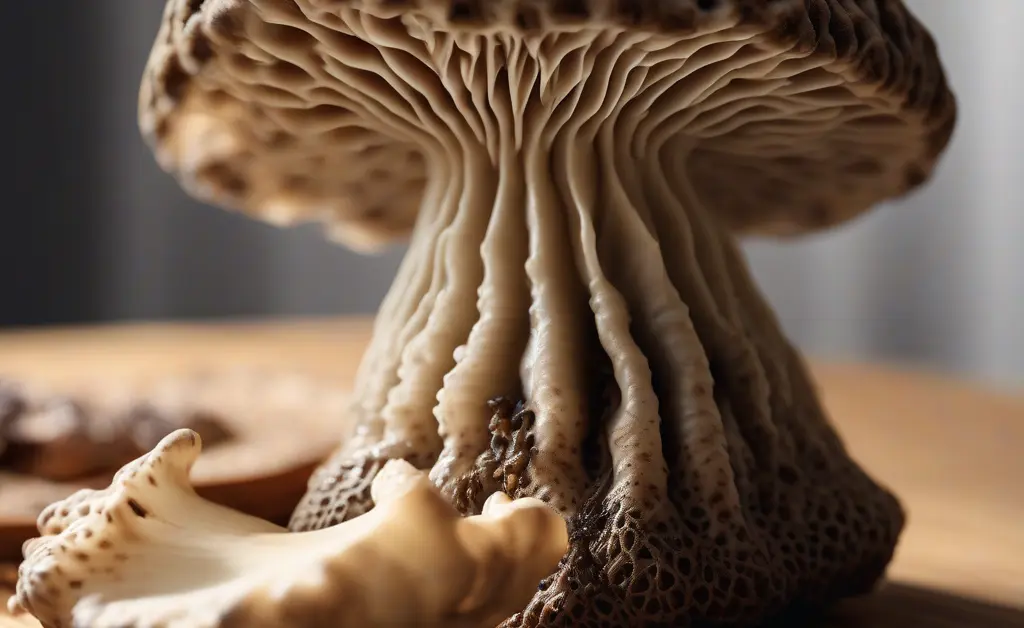
Finding small bugs or dirt deep within a morel’s crevices is a common part of preparing this wild food. Fortunately, these issues are easy to manage with the right techniques, ensuring your final dish is clean and delicious. A key step for thorough inspection is to slice the morels in half lengthwise, which fully exposes the hollow interior.
Dealing with Small Insects
Small insects are naturally drawn to the protective, hollow structure of morel mushrooms. While seeing them can be unsettling, it is not a sign that the mushrooms are bad. The saltwater soak is one of the most effective ways to encourage these tiny creatures to vacate. Slicing morels from top to bottom also allows you to easily spot and remove any bugs that may remain after a soak or rinse. This final inspection before cooking provides peace of mind and is a standard part of a thorough morel mushroom cleaning process.
How to get worms out of morels?
The “worms” sometimes found in morels are typically not true worms but rather the small larvae of fungus gnats or other insects. They are harmless but should be removed before cooking. The most reliable method is to slice each morel in half lengthwise. This exposes the entire interior, making it easy to see and remove any larvae. For a more active approach, a brief soak in a saltwater solution will cause most larvae to exit the mushroom on their own. Combining these two methods—slicing for inspection and soaking for removal—is the best way to ensure your morels are completely clean.
Ultimately, cleaning morel mushrooms is a balancing act between removing grit and preserving their delicate nature. Whether you choose a dry brushing method for clean specimens or a quick saltwater soak for a more intensive clean, the goal is the same: to prepare the mushroom for its starring role in your dish. Once cleaned and dried, your morels are ready for immediate cooking. If you plan to save them, proper storage is key; they can be refrigerated for a short period or preserved for long-term use through drying, either with air drying techniques or by using a dehydrator.
The information presented in this article is educational and not meant as professional medical counsel. This content does not provide guidance on identifying wild mushrooms, and consuming misidentified fungi can be dangerous. Foraging for mushrooms should only be done with the help of an experienced guide or expert. Always consult a professional for advice related to health or mushroom identification.
For more information on foraging and mushroom identification, consider consulting resources like EFSA.
Discover useful tools for mushroom enthusiasts with morel mushroom apps.
FAQ
How do you clean dirt off morel mushrooms?
Morel mushrooms are delicate and porous, making them prone to collecting soil and debris. To address this, a gentle brushing with a soft mushroom brush or a damp cloth is recommended to dislodge surface dirt. For more stubborn grime, a quick rinse under cool running water can be effective, followed by immediate patting dry.
Can you wash morel mushrooms?
Yes, morel mushrooms can be washed, but it’s crucial to do so carefully to prevent them from becoming waterlogged. A brief submersion in cool water or a gentle rinse under a tap is usually sufficient to remove dirt and debris. Ensure they are thoroughly dried afterward to maintain their texture and flavor.
How do you get bugs out of morels?
Bugs are a common issue with wild morels, and a simple method to remove them involves briefly soaking the mushrooms in salt water. The salt solution encourages any hidden insects to exit the mushroom’s cavities. After soaking, rinse them thoroughly under cool water to remove both the salt and any remaining debris.
Should you soak morel mushrooms before cleaning?
Soaking morel mushrooms before cleaning is often beneficial, especially if they are particularly dirty or have been in storage. A short soak in cool water, sometimes with a bit of salt, helps to loosen dirt and encourage any small insects to emerge. Following the soak, a gentle brushing or quick rinse is usually needed to complete the morel mushroom cleaning process.