It’s a common misconception that vibrant, deeply flavorful dishes are hard to achieve without meat, or that exotic ingredients like maitake mushrooms are intimidating to prepare at home. In reality, the maitake mushroom, with its rich, earthy umami and unique texture, effortlessly elevates plant-based meals, offering a sophisticated alternative to conventional protein sources. This versatile fungus not only delivers a satisfying chew but also absorbs flavors beautifully, making it an exceptional star in diverse culinary applications. From crisp stir-fries to hearty main courses, mastering a delicious maitake mushroom vegan recipe opens up a world of culinary creativity for any home cook looking to explore the depth of plant-based cuisine.
Sourcing and Storing Fresh Maitake Mushrooms
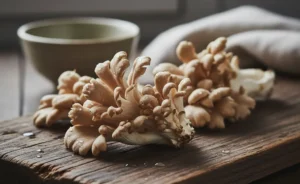
When selecting maitake mushrooms, often known as “hen of the woods,” look for clusters that appear fresh, firm, and dry, without any signs of sliminess or wilting. The properties of this fungus are a topic of scientific interest, with information available from sources like NCBI. The edges should be crisp, and the color can range from a light tan to a darker brown. Choosing high-quality mushrooms is the first step to ensuring a delicious outcome for any plant-based recipe. To clean maitake, avoid rinsing them under water, as this can make them soggy. Instead, gently brush off any visible dirt or debris with a soft cloth or mushroom brush. For larger clusters, carefully pull apart individual fronds, as this also helps to prepare them for cooking.
Proper storage is crucial for maintaining their freshness and texture. Store maitake mushrooms in a paper bag in the refrigerator, which allows them to breathe and prevents moisture buildup. Avoid storing them in plastic bags, as this can trap humidity and lead to spoilage. When stored correctly, fresh maitake can remain viable for several days, ready to lend its earthy flavor and meaty texture to your next culinary creation.
Essential Ingredients for Vegan Maitake Dishes
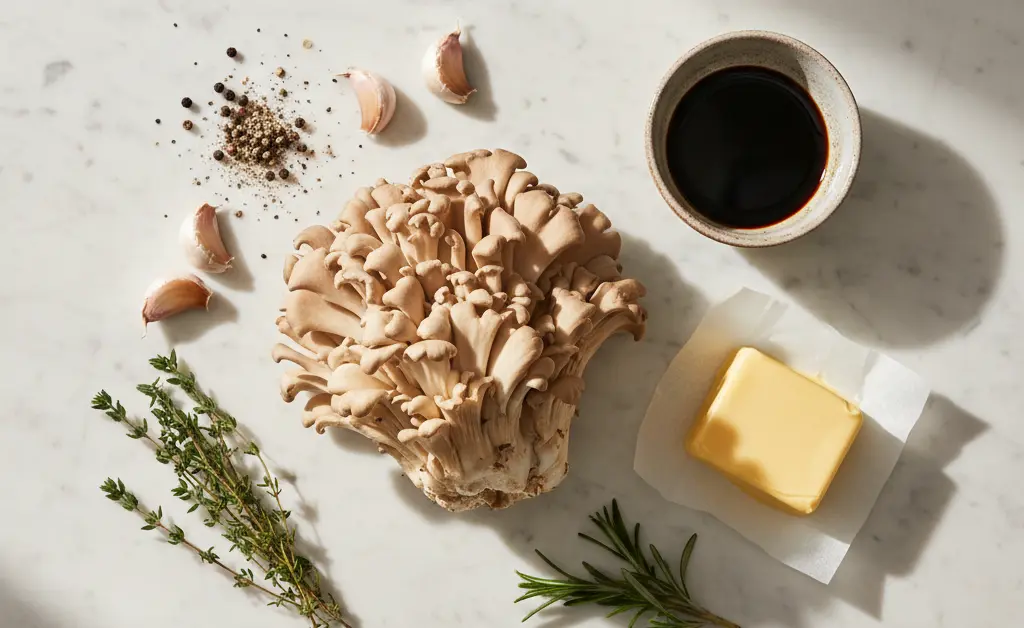
Crafting a successful maitake mushroom vegan recipe often starts with understanding the foundational ingredients that best complement its unique earthy flavor and robust texture. At the heart of many savory vegan mushroom preparations are key components that enhance umami and richness. Vegan butter is an excellent choice for sautéing or pan-frying, as it imparts a creamy, decadent note without dairy. For depth of flavor, shoyu (Japanese soy sauce) or tamari (a gluten-free alternative) are indispensable, providing a salty, savory base that marries beautifully with the mushroom’s natural umami. The robust, savory character of maitake also makes it a popular choice for creating a rich maitake mushroom sauce for steak in non-vegan contexts, showcasing its versatility.
Aromatics like fresh garlic and ginger are crucial for building complex flavor profiles, especially in Asian-inspired dishes. Scallions can add a delicate oniony bite and a splash of color as a garnish. High-quality olive oil is versatile for roasting or pan-frying, contributing a smooth richness. Freshly ground black pepper is a simple yet effective seasoning that can elevate the overall taste. Pairing maitake with these essential ingredients allows for the creation of truly memorable and satisfying vegan meals.
Mastering the Maitake Mushroom Vegan Recipe
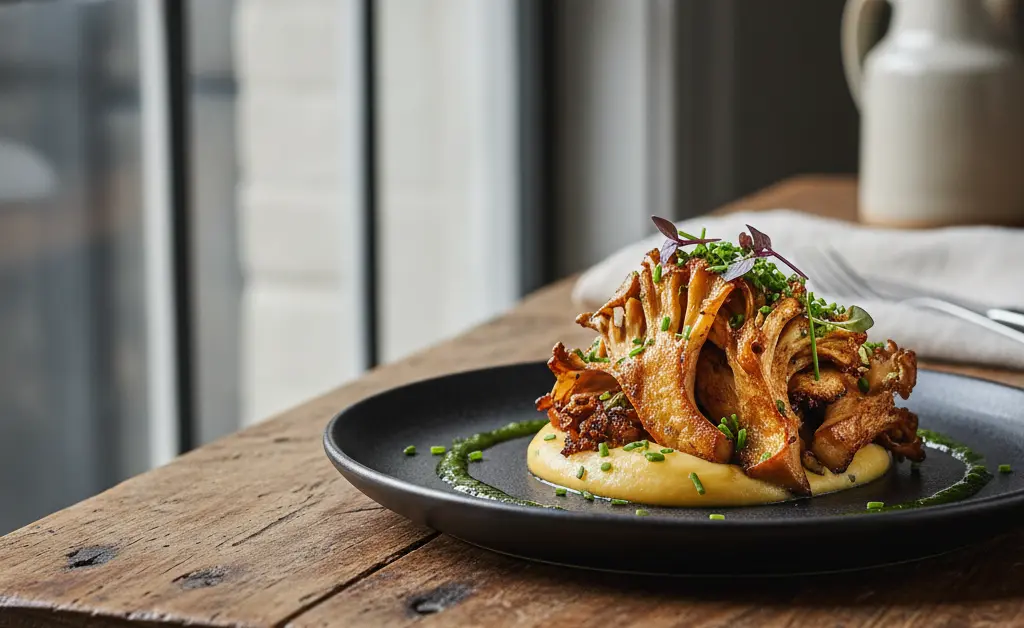
Mastering a delicious maitake mushroom vegan recipe involves specific techniques that highlight the mushroom’s best qualities. The goal is often to achieve a delightful contrast of textures: crispy edges with a tender, meaty interior. Sautéing is a popular method, best done in a hot pan with a good amount of vegan butter or olive oil. Avoid overcrowding the pan, as this can steam the mushrooms instead of browning them, leading to a less desirable texture. Cook in batches if necessary, allowing each piece to develop a beautiful golden crust.
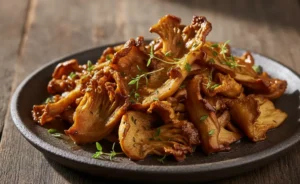
Roasting maitake is another excellent technique, bringing out a deeper, more concentrated flavor. Toss the mushrooms with oil, salt, and pepper, then spread them in a single layer on a baking sheet. High heat encourages caramelization and a wonderfully firm texture. For those seeking extra crispiness, air frying can be a revelation. This method efficiently circulates hot air, resulting in exceptionally crunchy maitake pieces with minimal oil, making it an ideal choice for a side dish or topping.
Customizing Your Maitake Recipe with Variations
The versatility of maitake mushrooms allows for endless customization of any basic recipe. Once you have a grasp of fundamental cooking techniques, you can begin to experiment with various flavor profiles to suit different palates and cuisines. Consider incorporating fresh herbs like thyme or rosemary for a more European-inspired twist, or a pinch of red pepper flakes for a touch of heat. Adding a splash of mirin and rice vinegar can lean into Japanese flavors, while a squeeze of lime juice and cilantro can transport your dish to Latin America.
Different spices, such as smoked paprika, cumin, or turmeric, can drastically alter the character of your maitake dish. You can also vary the accompanying vegetables, introducing thinly sliced onions, bell peppers, or spinach during the last few minutes of cooking. The key is to understand how different ingredients interact with the maitake’s earthy notes, allowing you to create a dish that is uniquely yours and endlessly satisfying.
Exploring Delicious Maitake Vegan Dishes
Exploring the range of maitake mushroom vegan recipe reveals its adaptability across diverse culinary landscapes. From traditional Asian preparations to creative contemporary dishes, maitake can truly shine as the star of a plant-based meal. Its distinct texture and capacity to absorb flavors make it a fantastic foundation for a variety of culinary explorations, offering satisfying experiences for any food enthusiast.
Japanese-Inspired Maitake Dishes
Maitake, known as “dancing mushroom” in Japanese, holds a special place in Japanese cuisine. It excels in dishes where its earthy flavor can harmonize with traditional Japanese ingredients. Think of a simple sautéed maitake finished with a drizzle of shoyu, a touch of mirin, and toasted sesame oil. It can also be incorporated into clear broths or served alongside tempura-fried vegetables. A miso-glazed maitake, where the fronds are brushed with a savory-sweet miso paste and then broiled or roasted, creates a rich, umami-packed experience that serves well as a hearty side dish.
Vegan “Chicken-Style” Maitake Recipes
The meaty texture of maitake mushrooms makes them an excellent candidate for vegan “chicken-style” recipes. When pan-fried or roasted until slightly crispy, their fronds can mimic the shreddable quality of poultry. Marinating maitake in a savory blend of herbs, spices, and a touch of nutritional yeast before cooking can further enhance this illusion, imparting a rich, umami-forward taste. These preparations are ideal for dishes like vegan “chicken” and waffles, or simply as a satisfying main course served with your favorite sides. This same meaty quality makes it an excellent choice for a hearty maitake mushroom burger.
Creative Maitake Taco Recipes
For a fresh and inventive approach, maitake mushrooms can be transformed into a delicious filling for tacos. After shredding the mushroom clusters into smaller pieces, they can be seasoned with chili powder, cumin, oregano, and a hint of smoked paprika, then sautéed until tender and lightly crispy. Served in warm tortillas with vibrant toppings like pico de gallo, avocado slices, and a dollop of cashew cream, maitake tacos offer a flavorful and texturally exciting plant-based option for a weeknight dinner or casual gathering.
Classic Vegan Butter Shoyu Maitake
A timeless and incredibly satisfying preparation is the classic vegan butter shoyu maitake. This simple yet profound dish highlights the mushroom’s natural umami through the rich flavors of vegan butter and Japanese soy sauce (shoyu). The process typically involves pan-frying maitake in a generous amount of vegan butter until golden and slightly crisp, then finishing with a splash of shoyu, and often a hint of minced garlic and scallions. The result is a deeply savory, aromatic, and comforting side dish that perfectly captures the essence of the maitake mushroom’s earthy and savory notes.
Advanced Vegan Cooking Techniques for Maitake

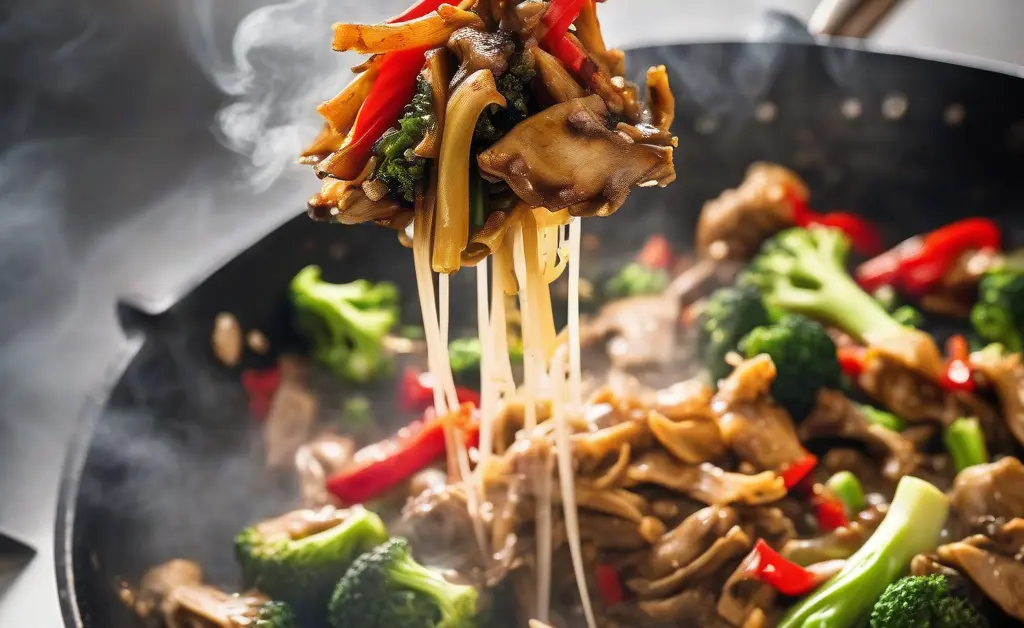
For those looking to elevate their maitake mushroom vegan recipe beyond basic preparations, exploring advanced cooking techniques can unlock new dimensions of flavor and texture. These methods often involve combining specific marinades with precise cooking applications to achieve truly remarkable results, demonstrating the full potential of the “hen of the woods” in sophisticated plant-based cuisine.
Grilled Thai Maitake
Grilling maitake infuses it with a smoky char that complements its inherent earthiness beautifully, especially when paired with vibrant Thai flavors. To achieve this, marinate maitake fronds in a blend of ginger, garlic, lemongrass, a touch of chili, and tamari or gluten-free soy sauce. Skewer the marinated mushrooms or place them directly on a well-oiled grill. Grilling quickly over medium-high heat ensures they develop a lovely char while retaining a tender, juicy interior. This preparation creates a fantastic appetizer or a flavorful component for a larger Thai-inspired meal. A simple grilled maitake mushroom recipe can also serve as a versatile base for many other dishes.
Crispy Maitake Bacon Alternatives
Creating crispy maitake bacon alternatives is a clever technique that leverages the mushroom’s frilly texture. This involves thinly slicing or pulling apart the maitake into strips, then marinating them in a smoky, savory liquid that might include liquid smoke, tamari, maple syrup, and a hint of paprika. After marinating, the strips are then baked at a lower temperature or pan-fried slowly until they become wonderfully crisp and browned, mimicking the texture and some of the flavor profile of traditional bacon. This innovative approach allows maitake to be used as a flavorful topping for salads, sandwiches, or even as a standalone crispy snack.
The maitake mushroom stands as a testament to the incredible variety and richness possible within plant-based cooking. Its versatility, from mimicking meaty textures to absorbing complex flavor profiles, makes it an indispensable ingredient for any vegan kitchen. Mastering the art of preparing this remarkable fungus opens up a world of culinary possibilities, ensuring that every maitake mushroom vegan recipe you create is both nutritious and deeply satisfying.
It is important to note that this content is not intended as medical advice. The information provided is for general knowledge and informational purposes only, and does not constitute a recommendation or endorsement of any particular treatment or product. Always seek the advice of a qualified healthcare professional for any health concerns or before making any decisions related to your health or diet.
FAQ
— What flavors pair well with maitake mushrooms in a vegan dish?
Maitake’s rich, earthy, and umami flavors are complemented by savory and aromatic ingredients. Elements like garlic, thyme, and rosemary enhance its woodsy notes, while soy sauce or tamari deepens its inherent savoriness. A touch of citrus, such as lemon juice, can brighten the overall dish and balance the richness.
— Are maitake mushrooms the same as hen of the woods?
Yes, maitake and hen of the woods are two common names for the same mushroom, *Grifola frondosa*. The name “hen of the woods” comes from its appearance, as the cluster of fronds resembles the fluffed tail feathers of a sitting hen. “Maitake” is Japanese for “dancing mushroom,” a name rooted in folklore.
— What is the texture of maitake mushrooms when cooked?
When cooked, maitake develops a wonderfully complex texture that is both tender and satisfyingly chewy. The delicate, feathery fronds can become pleasantly crisp, especially when roasted or pan-fried at a higher heat. This unique combination of a soft body and crispy edges makes it a versatile culinary ingredient.
— How can I tell if maitake mushrooms are fresh when buying them?
Fresh maitake should feel firm and dry to the touch, with plump, well-defined fronds. Look for a uniform color without dark, slimy, or waterlogged spots, which indicate spoilage. A fresh, earthy aroma is a good sign, whereas a sour or fishy smell suggests the mushroom is past its prime.
— Why are maitake mushrooms a good choice for vegan meat substitutes?
Maitake’s robust, savory flavor and substantial, chewy texture make it an excellent plant-based alternative to meat. These qualities allow it to absorb marinades well and hold its structure during cooking, providing a satisfying depth that is central to a successful maitake mushroom vegan recipe. Its rich umami profile contributes a meat-like savoriness that can elevate many dishes.