Many Canadians are familiar with the subtle challenges of sourcing high-quality, fresh specialty mushrooms, often encountering limited availability or inconsistent freshness. This often means relying on imported or dried varieties, which can diminish the culinary experience. However, understanding the journey of maitake mushroom Canada, from its natural habitat in the wild to being responsibly harvested and delivered to your kitchen, can significantly transform this experience. This guide aims to bridge that gap, providing practical insights into identifying, acquiring, and preparing these exquisite fungi, ensuring that enthusiasts can consistently enjoy their rich flavors and nutritional benefits. Discovering the origins and reliable supply chains means you no longer have to compromise on freshness or quality.
The Natural Habitat of Canadian Maitake
The vast and diverse Canadian landscape provides fertile ground for various fungi, including the esteemed maitake mushroom. This remarkable gourmet mushroom, scientifically known as Grifola frondosa, thrives in specific environmental conditions found across the country. This mushroom is not only sought after for its taste but is also a subject of scientific interest, with research documented in sources like the Cochrane Library. It is a saprophytic fungus, meaning it obtains nutrients from decaying organic matter, primarily the bases of hardwood trees. Discovering wild maitake mushroom Canada often involves exploring mature forests, particularly during the fall foraging season when conditions are ideal for its growth.
Common Trees Associated with Maitake Growth
Maitake mushrooms display a strong preference for certain host trees. They are most commonly found growing at the base or on the roots of mature deciduous trees, especially various species of oak trees. Beyond oaks, they can also be found in association with maples, beech, and occasionally elm trees, particularly those that are stressed, dying, or already dead. These specific hardwood forests, rich in mature trees, offer the necessary environment for these impressive mushroom clusters to develop, making them prime locations for foragers.
Identifying Maitake in the Canadian Wilderness
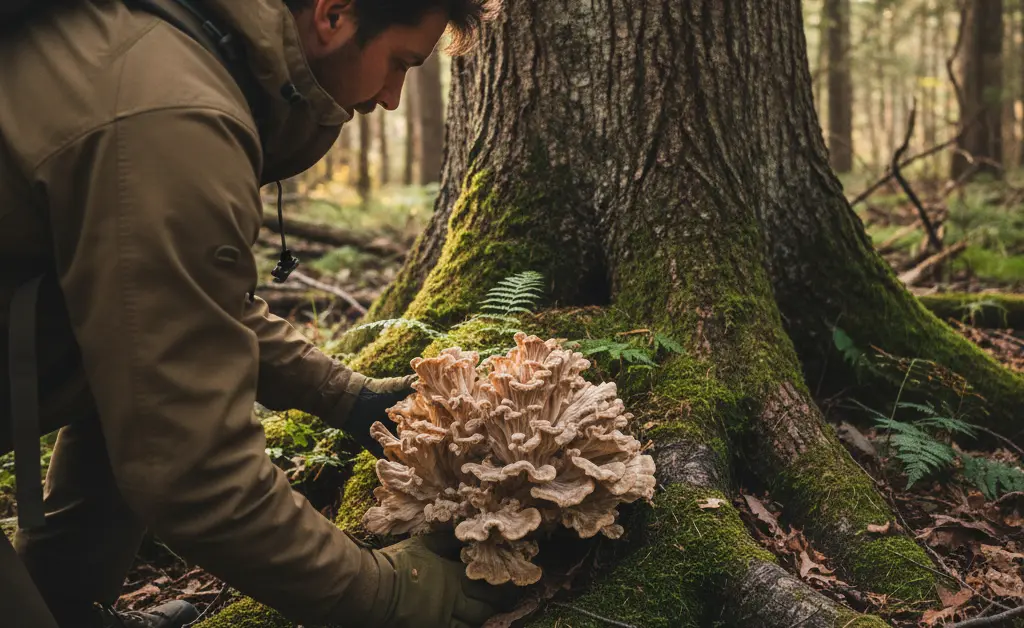
Foraging for wild mushrooms can be a rewarding experience, but accurate mushroom identification is paramount for safety. The maitake mushroom, also known as Hen of the Woods due to its resemblance to a ruffled hen’s feathers, has distinct features that set it apart. Understanding these characteristics is crucial for anyone venturing into the Canadian wilderness in search of this prized fungi. Always be absolutely certain of your identification before considering any wild mushroom edible.
Key Visual Identification Features
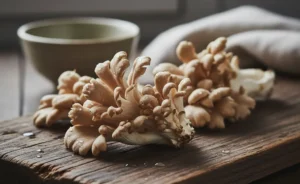
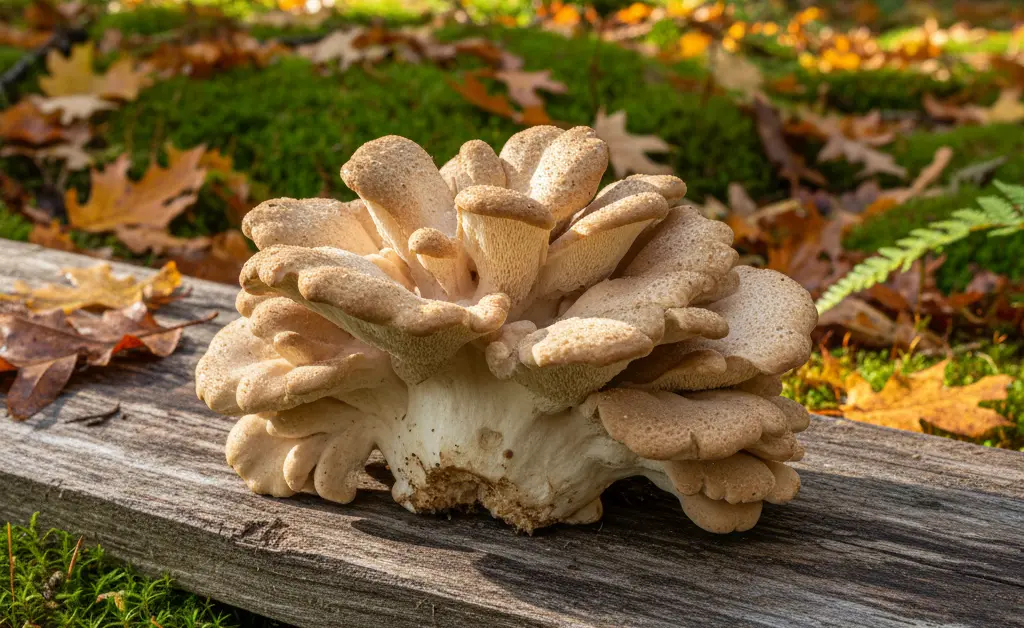
Maitake mushrooms typically grow in large, cauliflower-like or brain-like clusters at the base of trees or from their roots. The individual caps are flattened, spoon-shaped, or fan-shaped, with a wavy margin, and are arranged in an overlapping pattern. Their color can range from grayish-brown to tan or white, often lighter towards the edges. The underside of the caps features tiny pores rather than gills, which are white or cream-colored. The flesh is firm and white, and the mushroom often has a distinctive earthy aroma. A single mushroom cluster can be quite substantial, sometimes weighing many pounds, making them a significant find for any forager.
Where to Buy Maitake Mushrooms in Canada
While foraging for wild maitake mushroom Canada offers a unique connection to nature, many prefer the convenience and reliability of purchasing these gourmet mushrooms from reputable sources. The demand for fresh, high-quality maitake has led to a growing market, with various options available to consumers looking to enjoy its distinct flavor and nutritional benefits without the uncertainties of foraging. Whether you’re in a major city like Toronto or Vancouver, or a smaller community, sourcing fresh maitake has become increasingly accessible. Knowing where to buy maitake mushroom is the first step for many enthusiasts.
Sourced Directly from the East Coast
Canada’s East Coast, with its abundant hardwood forests in provinces like Quebec and Ontario, has emerged as a significant region for both wild harvest and Canadian cultivated maitake. Many suppliers are now specializing in offering freshly picked maitake directly from these regions, ensuring a shorter supply chain and superior freshness. This direct sourcing allows consumers to enjoy maitake that captures the essence of its natural habitat, providing a truly authentic culinary experience. Supporting these local suppliers also contributes to sustainable foraging practices and local economies. Similar local sourcing trends are seen globally, with a rising demand for maitake mushroom UK from dedicated regional suppliers.
Pricing Per Pound (LB)
The maitake mushroom price per pound can vary significantly based on several factors, including seasonality, availability, whether it is wild-harvested or cultivated, and the supplier. Wild-harvested maitake, due to its seasonal nature and the effort involved in foraging, often commands a higher price. Cultivated varieties may offer more consistent pricing and year-round availability. Consumers can expect prices to fluctuate throughout the year, with peak seasons for wild maitake often seeing increased availability and potentially more competitive pricing in local markets.
Ordering and Delivery of Fresh Maitake Mushrooms
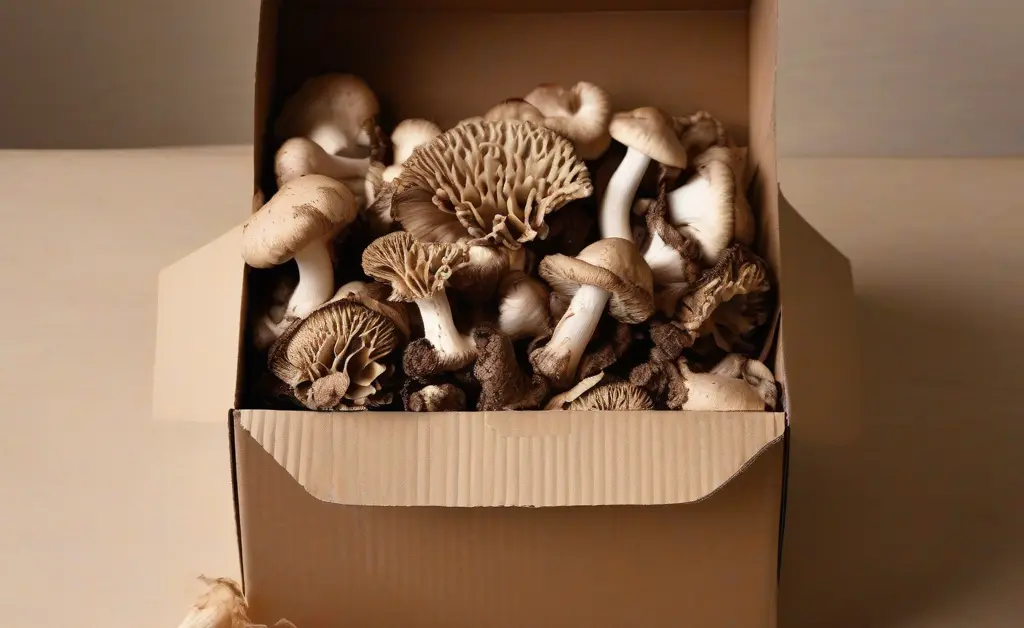
Accessing fresh maitake mushroom Canada has been simplified through modern ordering and delivery systems, connecting enthusiasts with high-quality fungi from various regions. This convenience ensures that even those without direct access to foraging grounds or specialized markets can enjoy this prized culinary ingredient. Reputable suppliers prioritize the integrity of the product, from the moment of harvest to its arrival at your door, focusing on speed and careful handling.
How to Place Your Order Online
The ability to order maitake mushroom online has made this ingredient more accessible than ever. Most specialty mushroom suppliers offer intuitive online platforms for ordering fresh maitake. Typically, customers can browse available products, select desired quantities, and proceed to a secure checkout. It is advisable to check for specific ordering windows or pre-order options, especially during peak seasons for wild-harvested varieties. Providing accurate shipping information and contact details is essential to ensure a smooth transaction and timely delivery of your fresh mushrooms.
Delivery Options Across Canada
Thanks to improved logistics, delivery of fresh maitake mushrooms is now available to many locations across Canada. Whether you are in urban centers such as maitake mushroom Toronto, maitake mushroom Vancouver, maitake mushroom London Ontario, or more remote areas, suppliers often utilize expedited shipping services to maintain freshness. Delivery options typically include standard or express shipping, with considerations for insulated packaging and temperature control to preserve the quality of the delicate fungi during transit. This global interest extends to other regions as well, with a growing market for maitake mushroom Australia and beyond.
Freshness From Harvest to Your Door
Maintaining the freshness of maitake mushrooms is a top priority for suppliers. For wild harvest varieties, the process begins with careful selection and immediate cooling after picking. Cultivated maitake also benefits from controlled environments that ensure optimal growth and rapid processing. Packaging solutions are designed to protect the mushrooms from damage and maintain a suitable humidity level, ensuring that the fresh maitake retains its quality, texture, and earthy flavor profile from the point of harvest until it reaches your kitchen.
Proper Storage Upon Arrival
Upon receiving your fresh maitake mushrooms, proper storage is crucial to extend their shelf life and maintain their quality. It is generally recommended to remove the mushrooms from any plastic packaging that might trap moisture and place them in a paper bag. Store the paper bag in the main compartment of your refrigerator, where they can breathe while being kept cool. Avoid washing the mushrooms until just before use, as excess moisture can accelerate spoilage. Stored correctly, fresh maitake can retain its quality for several days, allowing ample time for its culinary uses.
Exploring Maitake in Canadian Kitchens
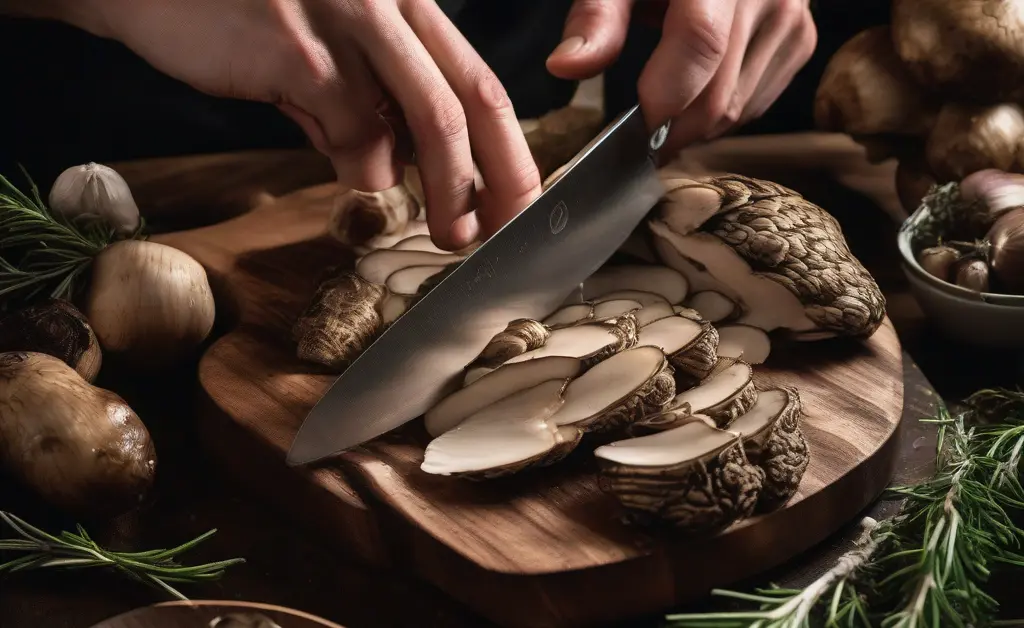
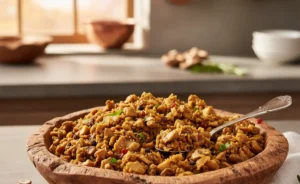
The versatility and unique flavor profile of maitake mushroom Canada make it a celebrated ingredient in Canadian kitchens, appealing to both gourmet chefs and home cooks. Its meaty texture and umami-rich taste lend themselves well to a wide array of culinary applications, transforming simple dishes into extraordinary meals. From appetizers to main courses, incorporating maitake can elevate the dining experience with its distinct earthy flavor and subtle peppery notes.
General Cleaning and Preparation Steps
Before cooking with maitake mushrooms, a few simple cleaning and preparation steps ensure they are ready for culinary uses. Given their clustered form and often growing close to the ground, they may contain some debris. Instead of rinsing them under running water, which can make them soggy, it is best to gently brush off any visible dirt or debris with a soft mushroom brush or a damp cloth. Trim away any tough or woody bases with a sharp knife. The individual fronds can then be separated or kept in smaller clusters, depending on the recipe. Maitake requires minimal preparation to shine in dishes, making it a convenient and delicious addition to your cooking repertoire.
The journey of maitake mushroom Canada, from its forest origins to its presence in Canadian homes, highlights a growing appreciation for wild and cultivated specialty fungi. By understanding its natural habitat, identification, and reliable sourcing channels, enthusiasts can consistently enjoy this exquisite mushroom. Whether foraged responsibly or purchased from dedicated suppliers, fresh maitake offers a distinctive culinary experience, enriching a variety of dishes with its unique flavor and texture. Embrace the world of this celebrated fungi and elevate your kitchen creations with the finest Canadian maitake.
It is important to note that this content is not intended as medical advice. The information provided is for general knowledge and informational purposes only, and does not constitute an endorsement of any medical claims. Always consult with a qualified healthcare professional before making any decisions about your health or treatment. Individual results and experiences with food products, including mushrooms, may vary.
FAQ
— Where can I buy fresh Maitake mushrooms in Canada?
Fresh Maitake mushrooms are often available at specialty grocery stores, farmers’ markets, and some larger supermarkets with extensive produce sections. Online retailers specializing in gourmet or foraged foods also frequently offer them for delivery. Finding a reliable supplier of fresh **maitake mushroom canada** can also involve checking with local greengrocers who source unique ingredients.
— How much does Maitake mushroom cost per pound?
The price of Maitake mushrooms varies significantly depending on whether they are wild-foraged or cultivated, their seasonality, and the specific retailer. Wild maitake is typically priced higher due to its rarity and the labor involved in foraging. Cultivated maitake is generally more accessible and has a more consistent, though still premium, price point.
— Can you get Maitake mushrooms delivered in Canada?
Yes, many online grocers and specialty food purveyors offer delivery services for fresh produce, including Maitake. These retailers use temperature-controlled packaging to ensure the mushrooms arrive in optimal condition. Some local farms or farmers’ market vendors may also provide direct delivery within their service areas.
— How do you store fresh Maitake mushrooms?
To maintain freshness, store Maitake mushrooms in a paper bag inside the main compartment of your refrigerator. The paper allows the mushrooms to breathe and absorbs excess moisture, preventing them from becoming slimy. Avoid storing them in plastic, as it traps moisture and accelerates spoilage.
— What time of year are Maitake mushrooms typically found in Canada?
In their natural habitat, Maitake mushrooms are a classic autumn fungus, typically appearing from late August through October. They are most commonly found growing in clusters at the base of hardwood trees, particularly oaks. The specific timing can shift slightly depending on the regional climate and rainfall for the year.