Lion’s Mane mushroom, often recognized for its distinctive shaggy appearance resembling a cascade or a lion’s mane, is a functional fungus frequently incorporated into wellness routines for its potential cognitive benefits. Revered in traditional Eastern medicine and now popular globally, it’s commonly consumed as a supplement, in teas, or added to various dishes. As interest in natural health solutions grows, many individuals explore its broader implications, including specific questions regarding its influence on hormonal balance. This article delves into the current scientific understanding surrounding lion’s mane mushroom for testosterone, examining the evidence to differentiate between anecdotal claims and researched effects.
Understanding the Relationship Between Lion’s Mane and Testosterone
The increasing popularity of Lion’s Mane mushroom has led to a wider exploration of its potential effects on various physiological systems. While much attention focuses on its brain-boosting properties, questions have also emerged regarding its interaction with the endocrine system, particularly concerning male hormones like testosterone. It’s crucial to approach these inquiries with a discerning eye, distinguishing between general wellness support and specific hormonal modulation.
Clarifying General Effects Versus Hormonal Impact
Lion’s Mane, or Hericium erinaceus, is rich in bioactive compounds such as erinacines and hericenones, which are primarily studied for their neurotrophic effects. These compounds may support nerve growth factor production and contribute to overall brain health. However, the mechanism by which these general effects would directly translate to significant changes in hormonal balance or testosterone levels is not clearly established by scientific evidence. Many natural remedies are often associated with broad adaptogenic qualities, meaning they may help the body adapt to stress, which can indirectly support overall well-being. This general support, however, is distinct from a direct impact on the production or regulation of specific hormones like testosterone.
Investigating Online Assertions and Anecdotes
In the digital age, information spreads rapidly, and with it, a mix of well-researched facts and anecdotal claims. Numerous online discussions and personal testimonials suggest a link between Lion’s Mane supplementation and changes in testosterone levels. Some individuals report perceived increases in energy, libido, or muscle mass, which they attribute to improved hormonal health. Conversely, others express concerns about potential negative impacts on male hormones. These anecdotal claims, while offering personal perspectives, often lack the rigorous scientific backing needed to establish cause and effect. It is important to look beyond isolated experiences and seek out comprehensive research findings when evaluating the potential of lion’s mane mushroom for testosterone regulation. For reliable global health information, resources from organizations like the WHO can be invaluable.
Lion’s Mane Mushroom for Testosterone: What the Research Shows
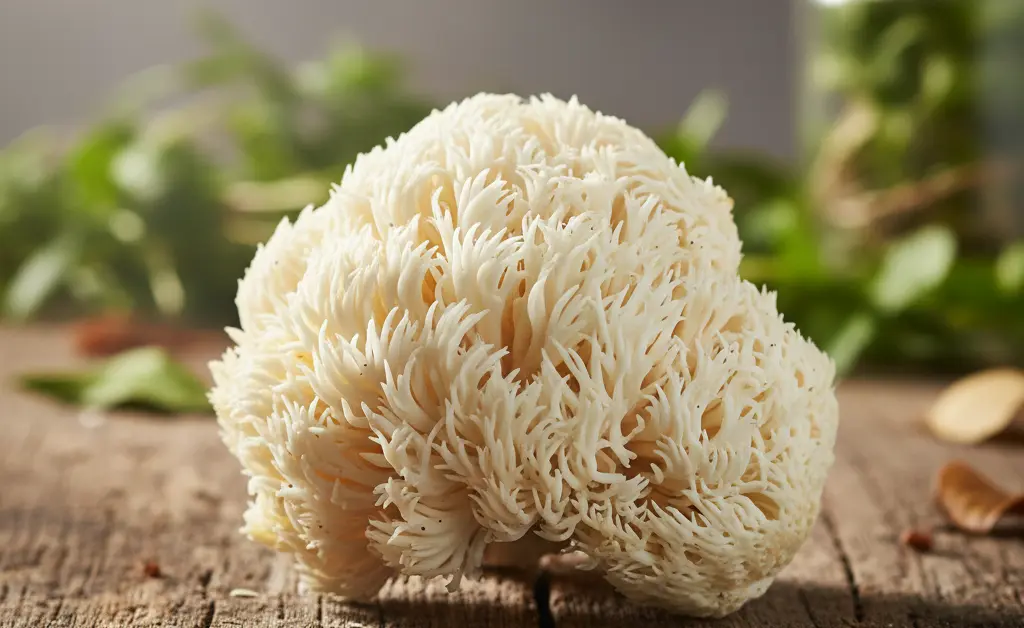
When considering any natural supplement for specific physiological effects, it is imperative to consult the available scientific evidence. The topic of lion’s mane mushroom for testosterone levels is an area that requires careful examination of current research to separate substantiated claims from speculation.
Reviewing Current Scientific Evidence
Despite the growing interest and numerous contextual mentions regarding its potential effects on male hormonal health, direct scientific evidence specifically linking Lion’s Mane mushroom to changes in testosterone levels remains limited. Most clinical studies and research findings on Hericium erinaceus focus predominantly on its neuroprotective, cognitive-enhancing, anti-inflammatory, and immune-modulating properties. Studies exploring its impact on the endocrine system, particularly the pituitary gland or gonads, in relation to testosterone production are not widely available in robust scientific literature. While some preliminary animal studies or cell culture experiments might hint at broad endocrine interactions, these findings are often not directly transferable to human physiology or specific to androgen regulation. It’s also important to consider potential lion’s mane mushroom drug interactions when incorporating it into your routine.
Why Direct Claims Lack Support
The absence of substantial scientific evidence supporting direct claims about lion’s mane mushroom for testosterone is significant. Unlike some herbs or compounds that have well-documented interactions with the endocrine system, Lion’s Mane does not currently have a recognized pathway through which it would directly stimulate or inhibit testosterone production in humans. Claims suggesting a direct increase or decrease in male hormones often stem from misinterpretations of general health benefits or from extrapolating findings from studies on different biological systems. Without targeted clinical trials designed to measure hormonal responses in human subjects, any definitive statements about its impact on testosterone levels remain unsupported by current research.
Does Lion’s Mane Increase Testosterone Levels?
The question of whether lion’s mane mushroom can increase testosterone levels is frequently posed by individuals seeking natural ways to enhance their hormonal health. Based on the current body of scientific evidence, there is no direct, conclusive research indicating that Lion’s Mane mushroom specifically acts to raise testosterone levels in humans. While it is an adaptogen that may contribute to overall well-being and stress reduction, which can indirectly support a healthy endocrine system, this generalized effect does not equate to a direct elevation of androgen production. Further rigorous studies would be necessary to establish any such specific link or mechanism of action concerning lion’s mane mushroom for testosterone.
Can Lion’s Mane Decrease Testosterone Levels?
Conversely, concerns sometimes arise regarding the possibility of Lion’s Mane mushroom decreasing testosterone levels, potentially leading to adverse effects on male hormones. These concerns, much like the claims of an increase, often stem from a lack of specific scientific data on its hormonal interactions and a general cautious approach to supplementation. However, similar to the absence of evidence for an increase, there is no robust scientific backing to suggest that lion’s mane mushroom for testosterone leads to a reduction in its levels. The existing research does not point to any compounds within Hericium erinaceus that would specifically inhibit testosterone synthesis or accelerate its breakdown within the body’s endocrine system.
The Scientific Perspective on Testosterone Reduction
From a scientific standpoint, any substance shown to significantly decrease testosterone levels would likely do so through specific physiological mechanisms, such as inhibiting enzymes involved in synthesis, increasing metabolic clearance, or disrupting signals from the pituitary gland to the gonads. Current research on Lion’s Mane does not identify such mechanisms. While anecdotal reports can vary, the scientific community would require controlled studies demonstrating a statistically significant reduction in testosterone levels in human subjects before acknowledging such an effect. Therefore, based on current knowledge, concerns about Lion’s Mane decreasing testosterone are not supported by empirical evidence.
In conclusion, while Lion’s Mane mushroom offers a range of studied benefits, particularly for cognitive function and general well-being, the direct relationship between lion’s mane mushroom for testosterone remains largely unestablished by current scientific research. The available evidence does not support claims of either increasing or decreasing testosterone levels. Individuals interested in natural approaches to hormonal health should prioritize well-researched interventions and consult healthcare professionals for personalized advice.
This article is meant for general informational use and awareness. It does not provide medical advice, diagnosis, or treatment recommendations. Always consult with a qualified healthcare professional before making any decisions related to your health or before starting any new supplement regimen, especially if you have pre-existing health conditions or are taking medications. Individual results and experiences with supplements can vary.
FAQ
— Does lion’s mane mushroom raise testosterone?
Research specifically investigating lion’s mane mushroom for testosterone increases in humans is very limited and does not currently show direct evidence of it raising testosterone levels. While lion’s mane is recognized for its neuroprotective and cognitive support properties, its influence on endocrine hormones like testosterone has not been a primary area of scientific focus.
— Can lion’s mane negatively impact testosterone?
Current scientific literature and human studies do not indicate that lion’s mane mushroom negatively impacts testosterone levels. The mushroom is generally regarded as safe, with its primary research focus being on brain health and nerve support. Therefore, there is no established mechanism or observed effect suggesting it would lower testosterone.
— What research exists on lion’s mane and testosterone levels?
The body of scientific research specifically examining a direct link between lion’s mane mushroom and human testosterone levels is quite limited. While some initial animal studies have explored various physiological effects, these findings do not directly translate to human endocrine responses. Most of the robust research on lion’s mane focuses on its potential benefits for cognitive function and nerve growth factors.