Mushrooms have been a part of human diets and wellness practices for centuries. Today, specific fungal varieties are gaining significant attention for their potential health benefits, moving beyond traditional culinary uses. Among these, lion’s mane, known for its unique appearance resembling a shaggy white waterfall, has emerged as a popular subject of interest. Many people are exploring convenient ways to incorporate this mushroom into their daily routines, with lion’s mane mushroom drops becoming a widely discussed option. This guide aims to provide a comprehensive understanding of these liquid supplements, from their preparation and usage to potential considerations and how to select a quality product.
What Are lion’s mane mushroom drops?
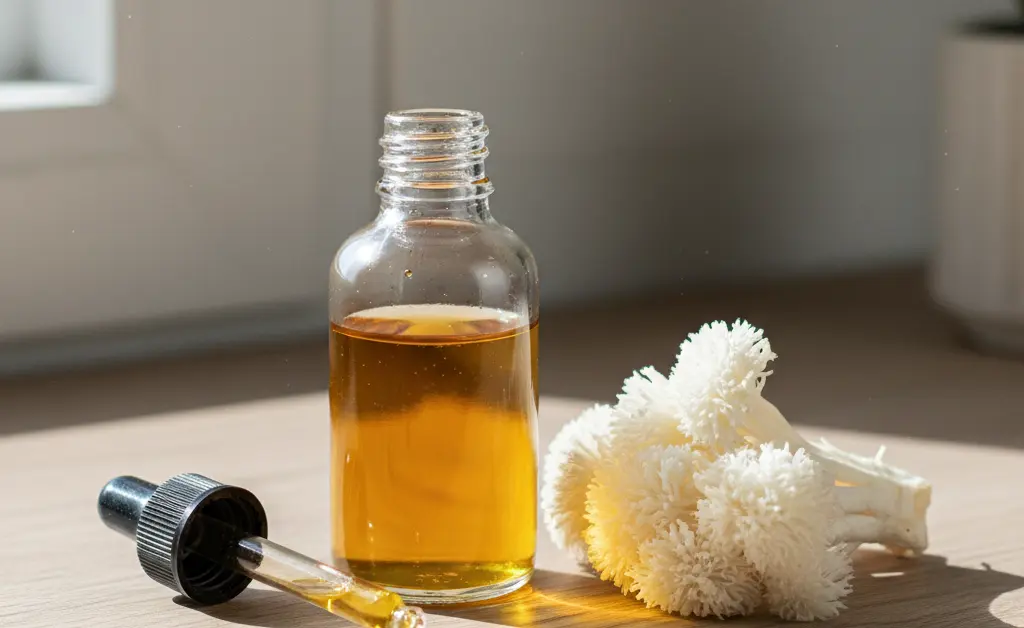
Lion’s mane mushroom drops refer to a liquid form of lion’s mane extract, typically created through a process known as extraction. This method is designed to concentrate the beneficial compounds found in the mushroom, making them readily available for consumption. These liquid supplements offer a convenient way to integrate lion’s mane into a daily routine, often preferred for their ease of use and perceived absorption.
What is a Lion’s Mane Tincture?
A Lion’s Mane Tincture is a concentrated herbal extract, specifically made from the lion’s mane mushroom, scientifically known as Hericium erinaceus. Tinctures are traditionally created by soaking the mushroom material, usually the fruiting body and sometimes the mycelium, in a solvent such as alcohol or a combination of alcohol and water. This process, often referred to as dual extraction, helps to draw out both water-soluble compounds (like beta-glucans) and alcohol-soluble compounds (like hericenones and erinacines). The resulting liquid is a potent Lion’s Mane Liquid Extract designed for easy sublingual absorption or addition to beverages.
Liquid Drops vs. Powders and Capsules
When considering lion’s mane, consumers often weigh the options between liquid drops, powders, and capsules. Each form has distinct advantages. Liquid drops, including lion’s mane mushroom drops, are praised for their rapid absorption, as the compounds can enter the bloodstream more quickly, especially when taken sublingually. They also offer flexibility in adjusting the serving size and can be easily mixed into drinks. Powders provide versatility for cooking or adding to smoothies but may require measuring and can sometimes have a distinct taste. Capsules offer convenience and precise, pre-measured servings, making them ideal for those who prefer a tasteless option, though their absorption might be slower compared to a liquid supplement.
How to Take Lion’s Mane Drops
Taking lion’s mane mushroom drops is typically straightforward. They can often be administered directly under the tongue for fast absorption, or mixed into a glass of water, juice, tea, or even a smoothie. The sublingual method allows the active compounds to enter the bloodstream via the mucous membranes, bypassing the digestive system. When mixed into beverages, they still provide the intended benefits, just with a potentially slower onset of action. It’s generally advised to follow the product’s specific guidance for the most effective use.
Recommended Daily Servings
Determining the appropriate daily serving of lion’s mane mushroom drops is a common question, though specific numerical recommendations are not provided here due to critical YMYL restrictions. The recommended daily servings can vary significantly between different products and manufacturers, depending on the concentration and potency of the extract. It is essential to carefully review the product label for specific serving size suggestions. Factors such as individual body chemistry and desired effects may also influence personal preferences for how much to take. Always consult the packaging for guidance on optimal use for that particular lion’s mane extract.
Combining with Food and Drinks
Lion’s mane mushroom drops are highly versatile and can be easily integrated into various foods and drinks, making them a convenient choice for daily use. Many people enjoy adding them to their morning coffee or tea, turning a routine beverage into a functional drink. They can also be mixed into smoothies, fruit juices, or even water. For those who prefer a more culinary approach, the drops can be stirred into oatmeal, yogurt, or certain recipes that don’t require high heat, as excessive heat might potentially degrade some of the beneficial compounds. This adaptability makes incorporating lion’s mane for cognitive support and brain health an enjoyable part of a daily regimen.
Considerations for Children
When considering any dietary supplement, including lion’s mane mushroom drops, for children, a cautious approach is always recommended. The scientific literature on the use of lion’s mane specifically in pediatric populations is limited, and further research can be found on reputable sites such as NIH. Parents and guardians should consult with a healthcare professional before administering any such supplements to children. A medical expert can provide personalized advice based on the child’s individual health status and needs, ensuring safety and appropriateness.
DIY Lion’s Mane Tincture Recipe
Creating your own lion’s mane tincture at home involves a process that aims to extract the beneficial compounds from the mushroom. Typically, this begins with obtaining dried or fresh lion’s mane mushroom fruiting body. The common method for creating a potent herbal extract is dual extraction, which involves two main stages. The first stage often uses alcohol to extract alcohol-soluble compounds. The second stage involves simmering the mushroom material in water to extract water-soluble compounds like beta-glucans. These two extracts are then combined to form a comprehensive Lion’s Mane Liquid Extract. This method ensures a broad spectrum of the mushroom’s active constituents are captured, providing potential support for brain health and mental clarity. While the process itself can be detailed, it allows for a personalized approach to your lion’s mane supplement.
Potential Side Effects of Lion’s Mane Drops
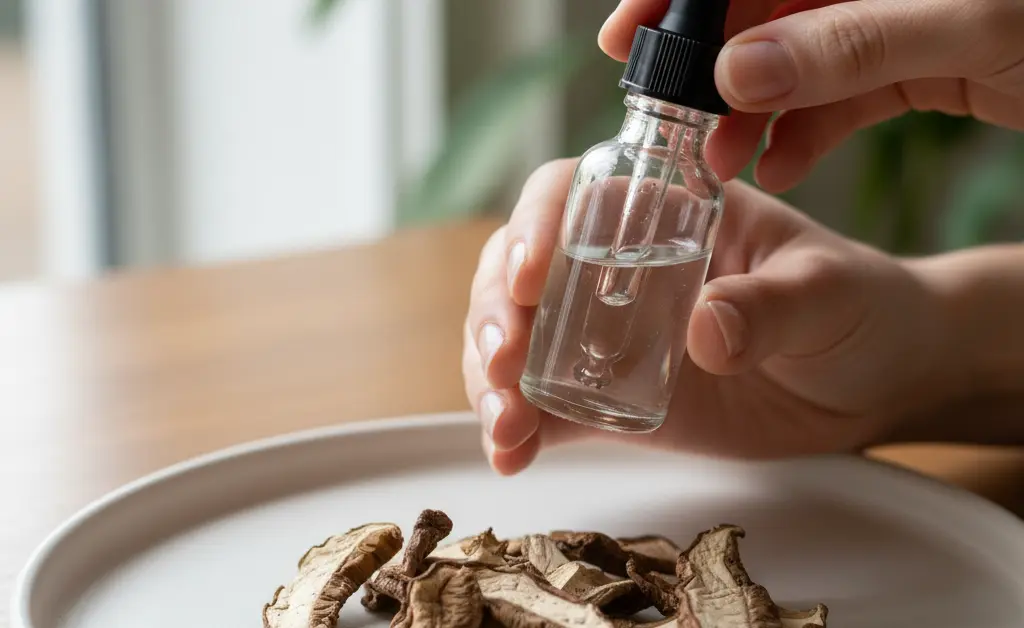
While lion’s mane mushroom drops are generally well-tolerated by many individuals, it’s important to be aware of potential side effects, although these are typically mild and uncommon. Some people might experience digestive discomforts such as an upset stomach, nausea, or diarrhea, especially when first introducing the supplement or taking larger serving sizes. In rare instances, individuals with known mushroom allergies could experience allergic reactions, which might manifest as skin rashes or itching. It is always advisable to start with a smaller serving to assess individual tolerance and to discontinue use if any adverse reactions occur. Consulting with a healthcare provider is recommended if there are concerns about potential interactions or existing health conditions before starting any new supplement, including lion’s mane mushroom drops.
How to Choose High-Quality Lion’s Mane Drops

Selecting high-quality lion’s mane mushroom drops is crucial to ensure you are receiving a potent and beneficial product. The market offers a wide variety of options, and discerning between them requires attention to certain details. Look for brands that prioritize transparency regarding their sourcing, extraction methods, and third-party testing. Understanding the origin of the lion’s mane and the specific parts of the mushroom used (fruiting body, mycelium, or both) can also provide insight into the product’s quality. A high-quality liquid supplement should ideally aim to support cognitive function and provide neuroprotective properties effectively.
Why to Look for Alcohol-Free Formulas
For many consumers, an alcohol-free lion’s mane extract is a preferred choice due to various reasons. Alcohol-free formulas are often suitable for individuals who wish to avoid alcohol for personal, health, or religious reasons. These extracts typically use glycerin or other non-alcoholic solvents for the extraction process, making them a gentler option for some. While alcohol-based tinctures can be very effective at extracting certain compounds, an alcohol-free option still provides the benefits of the lion’s mane, offering cognitive support without the alcohol content. This choice aligns with preferences for a cleaner, more universally accessible herbal extract.
Reading the Label: Potency and Serving Size
Carefully reading the label of any lion’s mane mushroom drops product is paramount. Key information to scrutinize includes the potency, which often indicates the concentration of the extract (e.g., 1:1, 4:1, or specific mg per serving). A higher concentration generally suggests a more potent product. Understanding the serving size is equally important for proper usage and to manage expectations regarding the product’s longevity. Additionally, check for certifications like USDA organic, non-GMO, and vegan labels, which speak to the purity and ethical sourcing of the ingredients. Some consumers specifically look for availability at retailers like a lion’s mane mushroom chemist warehouse for convenience. Transparency about ingredients, including whether it’s a full-spectrum extract or standardized for specific compounds like beta-glucans, helps consumers make informed decisions about their lion’s mane liquid supplement.
Lion’s Mane Drops Reviews

Exploring lion’s mane drops reviews can be a valuable step in making an informed purchasing decision. User reviews often provide insights into real-world experiences with various products, detailing aspects such as taste, ease of use, and perceived effects on focus, memory, and mental clarity. Many individuals also consider factors such as where to buy lion’s mane mushroom products, seeking reputable vendors. While individual results can vary, a pattern of positive feedback regarding a specific brand’s lion’s mane mushroom drops may indicate a reliable product. It is helpful to look for reviews that are detailed and discuss factors like packaging, customer service, and the overall quality of the lion’s mane extract. However, always remember that personal experiences can differ, and what works for one individual may not be the same for another. Reviews can serve as a guide but should be considered alongside reputable brand information and ingredient analysis.
Lion’s mane mushroom drops offer a modern, convenient way to potentially harness the traditional benefits of Hericium erinaceus. From understanding their composition as a Lion’s Mane Liquid Extract to evaluating the importance of certifications like USDA organic and alcohol-free options, consumers have a range of factors to consider. Whether seeking cognitive support, improved focus, or general well-being, selecting a high-quality product and adhering to proper usage guidelines are key steps in incorporating these liquid supplements into a holistic wellness routine. The growing interest in lion’s mane mushroom drops reflects a broader appreciation for nature’s potential contributions to health.
This article aims to inform, not to replace professional healthcare advice. The information provided is for general knowledge and educational purposes only, and does not constitute medical advice. Always consult with a qualified healthcare professional before making any decisions about your health or starting any new supplement regimen. Individual results with any supplement may vary, and potential benefits or side effects should be discussed with a medical expert.
FAQ
— What are the benefits of taking lion’s mane in drop form?
Lion’s mane is recognized for its compounds that support cognitive function and nerve health. Taking it in liquid drop form can allow for quick absorption into the bloodstream, potentially making its beneficial compounds more readily available. This method offers a convenient and flexible way to incorporate the mushroom into a daily routine.
— How do you take lion’s mane mushroom drops?
People typically consume liquid extracts by placing them directly under the tongue or mixing them into beverages like water, tea, or juice. This method for lion’s mane mushroom drops is often chosen for its ease of use and versatility. The liquid format allows for flexible integration into various daily routines.
— How long does it take for lion’s mane tincture to work?
The timeline for experiencing effects from lion’s mane tincture can vary significantly among individuals, influenced by personal physiology and consistency of use. Many people report that consistent, long-term use is often key to noticing its supportive properties rather than expecting immediate changes. Patience and regularity are generally considered important when integrating functional mushrooms into a wellness regimen.
— Is it better to take lion’s mane drops or capsules?
Choosing between lion’s mane drops and capsules often comes down to personal preference and lifestyle. Liquid drops are sometimes preferred for their potential for quicker absorption and versatility in consumption, while capsules offer precise dosing and portability. Both delivery methods are effective ways to incorporate the beneficial compounds of lion’s mane.
— Can you take lion’s mane drops every day?
Many individuals choose to incorporate lion’s mane drops into their daily wellness routine. Consistent intake is often considered beneficial for allowing the body to integrate the mushroom’s compounds over time. For personalized advice regarding any dietary supplement, consulting with a qualified health professional is always recommended.