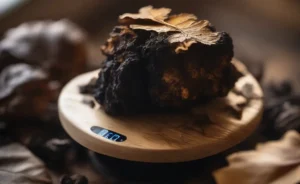

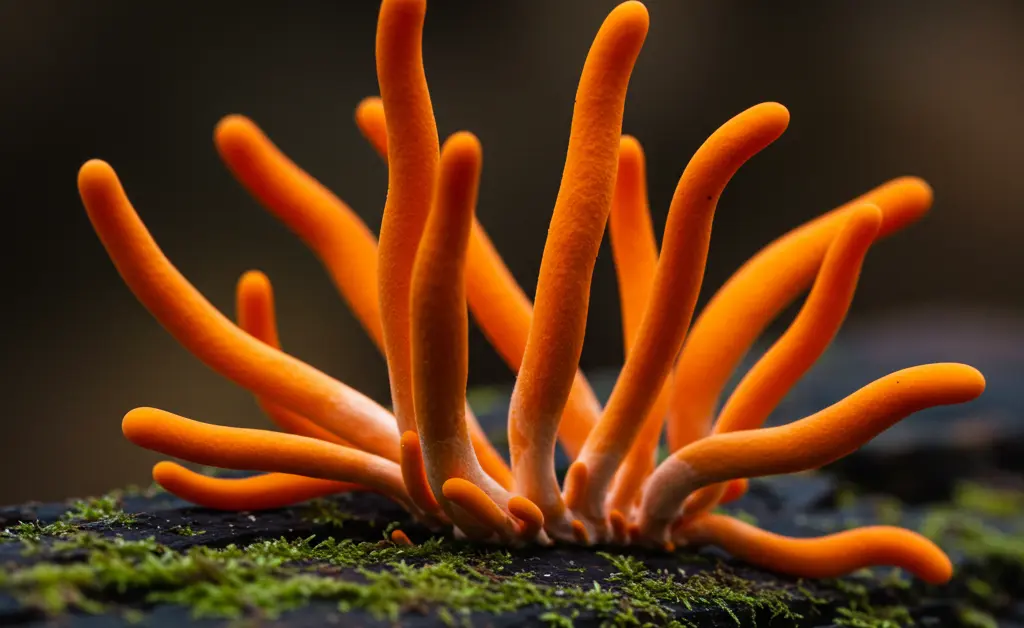
Not all wellness ingredients come from leaves or roots; some of the most intriguing are fungi with a unique, finger-like appearance. Cordyceps is one such fungus, gaining significant attention for its long history of use in traditional practices. As interest grows, many are curious about its availability and status within the country. However, navigating the landscape of the cordyceps mushroom uk market involves understanding complex regulations, the types of species available, and how to source products legally and safely. This guide aims to clarify the current situation, from the legal framework governing its sale to identifying native species and finding reputable suppliers for consumers.
Cordyceps Mushroom UK: Regulation and Ban
The regulatory environment surrounding Cordyceps in the United Kingdom is complex, often leading to confusion among consumers. The primary issue revolves around its classification under “novel food” regulations, which affects how certain species of this fungus can be legally sold. This isn’t a straightforward ban based on safety concerns but rather a matter of regulatory process and history of consumption.
Is Cordyceps legal in the UK?
The legality of Cordyceps in the UK depends entirely on the species. The most famous species, *Cordyceps sinensis*, is generally not considered legal to sell as a food or food supplement. This is because it does not have a significant history of consumption in the UK or EU prior to May 1997, and therefore falls under novel food regulations. In contrast, another species, *Cordyceps militaris*, is widely cultivated and has an established history of use that allows it to be legally sold on UK shelves, provided it meets all other food standards.
Reasons Behind the UK Ban on Cordyceps
The term “ban” is slightly misleading. The restriction on *Cordyceps sinensis* stems from its classification as an unauthorised novel food by the Food Standards Agency (FSA). Any food ingredient that was not significantly consumed within the EU before the pivotal date of 15 May 1997 must undergo a rigorous pre-market safety assessment and authorisation process. Wild *Cordyceps sinensis* has not completed this process, so placing it on the market as a food supplement is not permitted.
Specifics of the UK Regulation Affecting Cordyceps
After Brexit, the UK retained the principles of the EU Novel Food Regulation. This regulation and legislation is designed to ensure that any new foods, or foods produced using new technologies, are safe for consumers. Because wild *Cordyceps sinensis* was primarily used in traditional Chinese practices and not widely eaten in Europe, it falls into this category. The regulation requires a company to submit a detailed dossier to the FSA, demonstrating the product’s safety before it can be legally sold. Similar regulatory questions arise in other regions; for instance, the rules for cordyceps mushroom australia also involve navigating specific national food standards.
Implications for Consumers and Businesses
For consumers, this regulation means that finding genuine *Cordyceps sinensis* from a UK-based company is practically impossible. Any such products found online are likely non-compliant or shipped from outside UK jurisdiction, posing potential risks. For businesses, compliance is critical. Selling an unauthorised novel food can lead to enforcement action. Consequently, reputable UK companies focus exclusively on marketing mushroom products made from legally permitted species like *Cordyceps militaris*.
Legal Basis and Regulatory Framework
The legal status of Cordyceps is governed by retained EU law, specifically Regulation (EU) 2015/2283 on novel foods. The Food Standards Agency (FSA) is the competent authority in Great Britain responsible for enforcing these rules. This framework ensures a high level of food safety by creating a gatekeeping process for ingredients without a long history of consumption in the region, ensuring they are properly evaluated before reaching the market. Just as the UK has its framework, other countries have their own; the legal status of cordyceps mushroom Canada is determined by Health Canada’s regulations for natural health products.
Types of Cordyceps Products Affected
The regulations primarily affect products that claim to contain *Cordyceps sinensis*, especially those derived from wild-harvested fungi. This includes powders, tinctures, and capsules. Due to the astronomical cost and rarity of wild *C. sinensis*, many products historically used a cultivated mycelium form known as CS-4, which also faces regulatory scrutiny. The restrictions do not typically apply to products clearly made from *Cordyceps militaris*.
Compliance and Advice for UK Consumers
To ensure compliance and safety, consumers should always check the product label for the specific species of fungus used. Look for *Cordyceps militaris* and purchase from reputable UK stockists who are transparent about their sourcing and compliance with UK food standards. Be wary of sellers making strong therapeutic or health claims, as these are also regulated and often a sign of a non-compliant product.
Cordyceps in the UK: Species and Growth
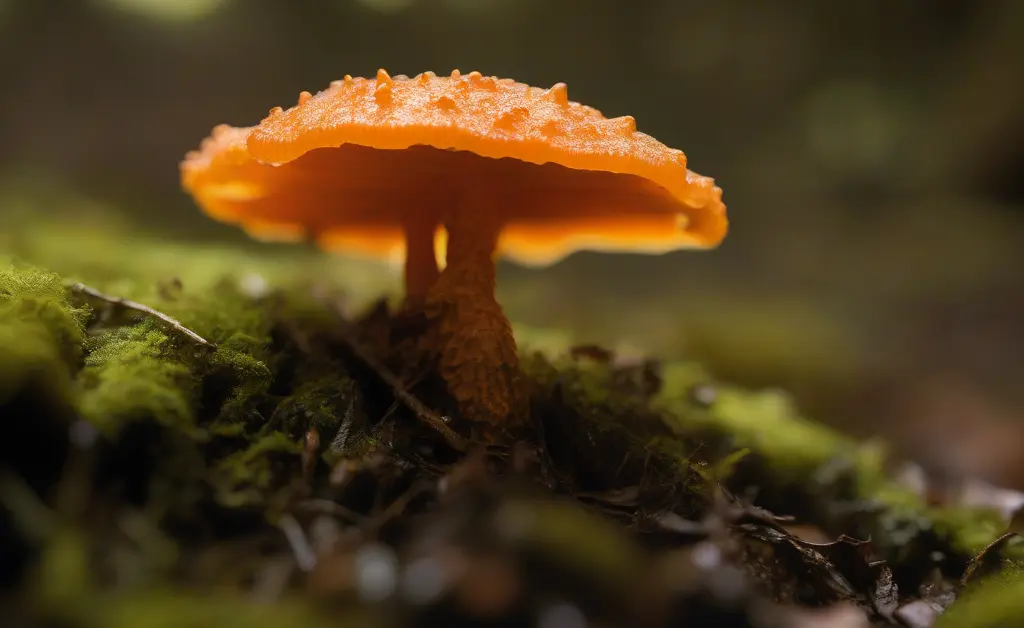
While much of the commercial interest is on species traditionally used in Asia, the world of Cordyceps fungi is vast and includes species native to the British Isles. Understanding the difference between local fungi and the types used in food supplements is key for anyone interested in these fascinating organisms.
Native Cordyceps Species in the UK
The UK is home to several native species of entomopathogenic fungi, which is the group that Cordyceps belongs to. These fungi are parasites of insects and other arthropods. For example, species like *Ophiocordyceps unilateralis* (often called the “zombie-ant fungus”) have relatives that can be found in the UK, although they may not be the exact same species. Other native fungi from the *Cordycipitaceae* family infect beetle larvae, moths, and other insects. These native species are a subject of scientific interest, according to sources like the NIH, but are not harvested for use in commercial mushroom products.
Do Cordyceps Grow Wild in the United Kingdom?
Yes, various species of Cordyceps and related fungi do grow wild in the UK’s woodlands and fields. However, the two species most associated with wellness supplements have very different origins. *Cordyceps sinensis* is endemic to the high-altitude regions of the Tibetan Plateau and the Himalayas and does not grow wild in the UK. *Cordyceps militaris*, while more widespread globally, is typically cultivated for commercial purposes to ensure a consistent and scalable supply. Therefore, when discussing the commercial **cordyceps mushroom uk** market, the products are almost always derived from cultivated fungi rather than wild-foraged specimens from the UK countryside.
Buying Cordyceps Supplements in the UK

With the legal complexities surrounding certain species, consumers need to be discerning when purchasing Cordyceps supplements. Fortunately, the market for compliant and high-quality products is well-established, with a focus on the legally permitted *Cordyceps militaris* species.
Types of Cordyceps Supplements Available
Reputable suppliers in the UK offer Cordyceps supplements primarily derived from cultivated *Cordyceps militaris*. These are widely available in several convenient forms to suit different preferences.
- Cordyceps Mushroom Extract Powder: A versatile option that can be easily added to drinks like coffee or smoothies. Extracts are often preferred as they contain a concentrated amount of the mushroom’s bioactive compounds.
- Cordyceps Extract Capsules UK: For those seeking convenience, capsules provide a pre-measured serving. This is a popular and straightforward way to incorporate the supplement into a daily routine.
- Tinctures: Liquid extracts offer another easy-to-use format, often taken directly or added to water.
Many wellness brands also combine Cordyceps with other fungi, such as Turkey Tail mushroom or Lion’s Mane, in blended formulas. While many brands have their own websites, some also make their products available on large online marketplaces, and you can sometimes find cordyceps mushroom amazon listings from reputable sellers.
Finding Reputable UK Stockists
Understanding cordyceps mushroom where to buy involves more than just finding any seller; it requires careful evaluation to ensure you receive a safe and high-quality product. When evaluating a potential supplier for your **cordyceps mushroom uk** purchase, consider the following points. A reputable stockist will be transparent about the species used, clearly stating *Cordyceps militaris* on their packaging and website. They should also provide information on their cultivation methods, with many consumers preferring organic products. Look for brands that mention the extraction process and specify that they use the fruiting body of the mushroom, which is where many key compounds are thought to be concentrated. Finally, third-party lab testing for purity and potency is a strong indicator of a company’s commitment to quality.
In conclusion, the availability of Cordyceps in the UK is a tale of two species. While the famed *Cordyceps sinensis* is largely absent from the legal market due to novel food regulations, its cousin, *Cordyceps militaris*, is widely and legally available. Cultivated *C. militaris* has become the compliant standard for reputable UK brands, offered as powders, capsules, and tinctures. For consumers, the key is diligence: always verify the species, choose transparent suppliers who adhere to UK food standards, and be mindful that these products are sold as food supplements, not medicines. By understanding this regulatory landscape, individuals can confidently navigate the market and access compliant mushroom products from trusted sources.
This article is meant for general informational use and awareness. The content provided is not intended to be a substitute for professional medical advice, diagnosis, or treatment. Always seek the advice of your physician or another qualified health provider with any questions you may have regarding a medical condition. Do not disregard professional medical advice or delay in seeking it because of something you have read here.
FAQ
Is cordyceps mushroom legal to buy in the UK?
The legality of cordyceps in the UK is specific to the species and its form. Certain species, like *Cordyceps sinensis* and *Cordyceps militaris*, are classified as ‘novel foods’ when sold as whole mushrooms or extracts. This classification means they require specific authorisation before they can be legally marketed to ensure a safety assessment has been completed.
Why are cordyceps mushrooms banned in the UK?
Cordyceps mushrooms are not subject to an outright ban, but rather strict regulation under the UK’s novel food laws. These regulations apply to foods that do not have a significant history of consumption in the UK before May 1997. Because certain cordyceps species fall into this category, they must undergo a safety assessment and gain authorisation from the Food Standards Agency before being sold.
Can I still purchase cordyceps supplements in the UK?
Yes, it is possible to purchase cordyceps supplements from companies that have followed the correct regulatory pathway. The legal status of the **cordyceps mushroom uk** market is dependent on whether a product has received Novel Food authorisation from the FSA. Compliant products from authorised sellers are therefore available.
What is the UK law regarding cordyceps mushrooms?
UK law, specifically Regulation (EU) 2015/2283 on novel foods, governs the sale of cordyceps. This regulation classifies foods not widely consumed in the UK before May 1997 as ‘novel,’ requiring them to undergo a rigorous safety assessment and authorisation process. Both *Cordyceps sinensis* and *Cordyceps militaris* fall into this category, making this regulation directly relevant to them.
What products are affected by the cordyceps ban in the UK?
The regulations primarily affect products that contain the fruiting bodies of *Cordyceps sinensis* or *Cordyceps militaris*, whether sold whole, powdered, or as extracts. This is because these specific forms lack a documented history of significant consumption in the UK prior to 1997. Consequently, any food supplement or product containing these ingredients requires explicit Novel Food authorisation to be legally placed on the market.