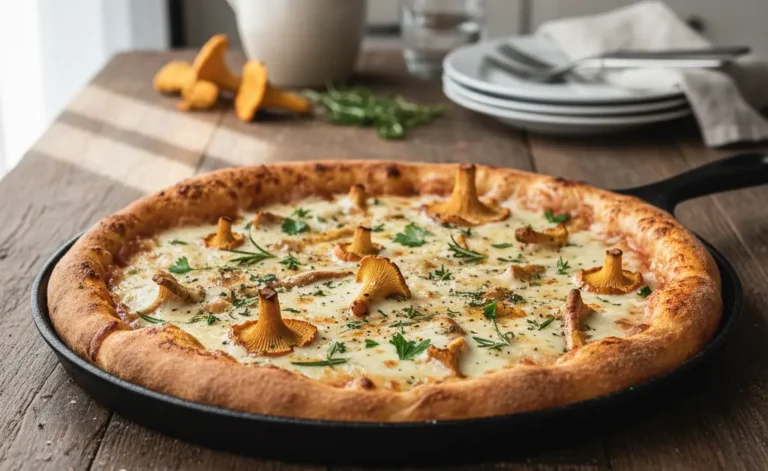
Elevate your culinary creations with the distinctive flavor of chanterelle mushrooms. These golden fungi, prized for their earthy and slightly peppery notes, transform simple dishes into gourmet experiences. A well-crafted sauce highlights their unique character, making it a versatile accompaniment for poultry, pasta, or prime cuts of meat. Achieving the perfect balance of richness and delicate mushroom essence requires attention to detail, but the results are always rewarding. This guide provides a comprehensive chanterelle mushroom sauce recipe, designed to help you master a staple that brings autumnal sophistication to any meal. Whether you prefer a creamy indulgence or a lighter, dairy-free alternative, understanding the fundamentals will allow you to create a truly exceptional sauce that impresses.
Chanterelle Mushroom Sauce Recipe
The beauty of a chanterelle sauce lies in its adaptability. While the mushrooms themselves are the star, the supporting ingredients can be adjusted to suit different palates and dietary preferences. From a decadent, creamy version perfect for a special occasion to a lighter, broth-based sauce for a weeknight meal, the core method remains similar. The goal is always to enhance, not overpower, the unique fruity and peppery notes of the chanterelles. Understanding the fundamental components—the mushrooms and aromatics, the liquid base, and the final seasonings—is the key to mastering any variation of this classic sauce. This foundational chanterelle mushroom sauce recipe can be adapted for countless dishes. For more culinary inspiration, explore various chanterelle mushroom recipes.
Creamy chanterelle mushroom sauce recipe
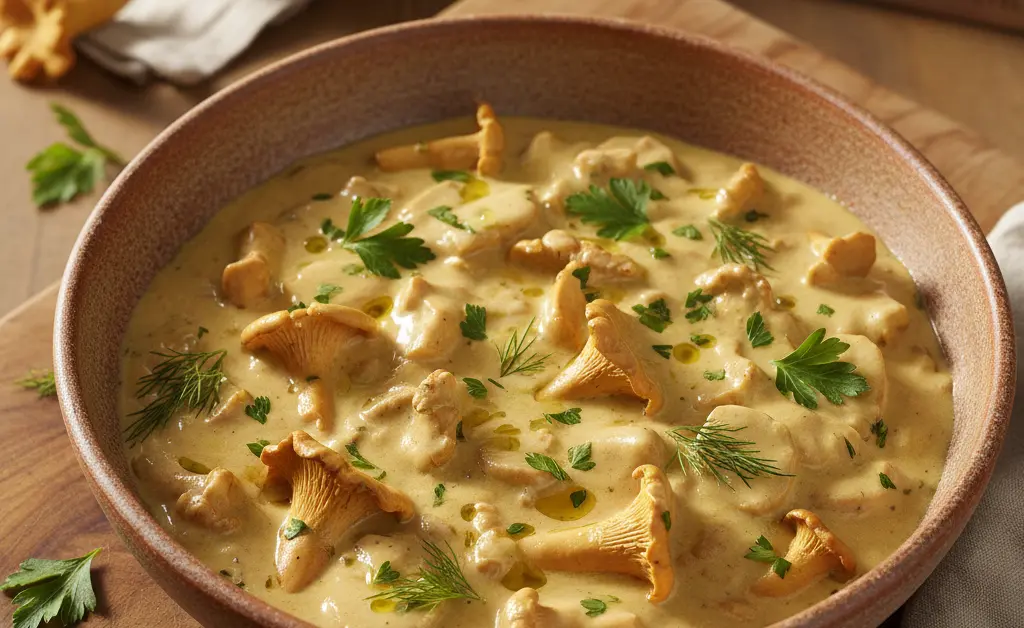
The creamy version is arguably the most classic and indulgent preparation. It begins with sautéing cleaned chanterelles in butter until they release their moisture and begin to brown, which concentrates their flavor. Finely diced shallots and garlic are often added for an aromatic base. The sauce achieves its signature richness with the addition of heavy cream. A splash of dry white wine or brandy can be used to deglaze the pan before the cream is added, introducing a layer of acidity that cuts through the fat. The sauce is then gently simmered until it thickens to a velvety consistency, perfect for coating pasta or serving as a luxurious chanterelle sauce for steak. A dedicated chanterelle mushroom pasta recipe further showcases the versatility of these fungi.
Chanterelle mushroom sauce recipe without cream
For those seeking a lighter alternative or avoiding dairy, a chanterelle sauce without cream is an excellent option. This version relies on a high-quality broth, such as chicken, vegetable, or mushroom stock, to create its body. After sautéing the mushrooms and aromatics, the pan is deglazed with white wine, and then the broth is added. The sauce is simmered and allowed to reduce, which naturally thickens it and intensifies the flavors. To achieve a slightly thicker consistency without cream, a small amount of cornstarch mixed with cold water can be whisked in, or the sauce can simply be reduced further. This preparation results in a lighter but equally flavorful sauce that lets the chanterelle’s character shine. While focusing on savory applications, some innovative cooks even explore a surprising chanterelle mushroom ice cream recipe.
Chanterelle mushroom sauce recipe for chicken
When pairing with chicken, the sauce can be tailored to create a harmonious dish. Using chicken broth as the liquid component is a natural choice that deepens the savory flavor profile. Herbs play a significant role here; fresh thyme is a classic pairing with mushrooms, while a touch of tarragon can add a subtle anise note that beautifully complements poultry. For an even more integrated flavor, the sauce can be prepared in the same pan used to sear the chicken. The browned bits left in the pan, known as fond, will dissolve into the sauce, adding immense depth and creating a cohesive and elegant meal. A flavorful chanterelle mushroom butter recipe can also beautifully complement poultry dishes.
Step-by-Step Instructions
Creating this exquisite sauce is a straightforward process focused on building layers of flavor. Proper preparation of the mushrooms and a patient approach to cooking are essential for achieving a restaurant-quality result. The following steps outline the general method for preparing a basic sauce that can be adapted for creamy or non-creamy versions. Following this guide will help you produce a flawless chanterelle mushroom sauce recipe every time.
Prepare the Chanterelles
The first and most important step is cleaning the chanterelles. These mushrooms often grow in soil and can have debris trapped in their gills. Avoid soaking them in water, as they are porous and can become soggy. Instead, use a soft brush or a dry paper towel to gently wipe away any dirt. For stubborn spots, a very quick rinse under cold water followed by immediate and thorough drying is acceptable. Once clean, larger mushrooms can be torn or sliced into uniform pieces, while smaller ones can be left whole. For general food safety guidelines, resources like the WHO provide valuable information.
Sauté the Mushrooms and Garlic
Melt butter or heat oil in a skillet over medium-high heat. Add the prepared chanterelles in a single layer, being careful not to overcrowd the pan. Cook them until their liquid has evaporated and they begin to turn golden brown and slightly crisp at the edges. This searing process develops their deep, earthy flavor. Once the mushrooms are browned, reduce the heat and add your chosen aromatics, such as minced garlic and finely chopped shallots. Sauté for another minute until they become fragrant.
Build the Cream Sauce
To build the sauce, begin by deglazing the pan. Pour in a liquid like dry white wine, sherry, or broth to release any flavorful browned bits stuck to the bottom of the skillet, scraping them up with a wooden spoon. Allow the liquid to simmer and reduce by about half. At this point, you can add your primary liquid component. For a creamy sauce, slowly pour in heavy cream. For a lighter version, add your preferred broth. Stir everything together to combine the mushrooms and aromatics with the liquid base.
Simmer and Finish
Bring the sauce to a gentle simmer and let it cook until it has thickened to your desired consistency. This can take several minutes, and the sauce will continue to thicken slightly as it cools. Be sure to stir occasionally to prevent it from sticking. Once thickened, turn off the heat. This is the time to add final seasonings and fresh herbs. Stir in finely chopped parsley, thyme, or chives, and season to taste with salt and freshly ground black pepper. Serve immediately for the best flavor and texture.
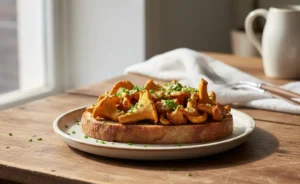
This sauce is remarkably versatile and can elevate a wide range of dishes. Its earthy, complex flavor pairs beautifully with red meat, poultry, and pork. It can be tossed with fresh pasta, such as pappardelle or fettuccine, for a simple yet elegant main course. Additionally, it serves as a wonderful topping for roasted potatoes, polenta, or even a simple piece of toasted artisan bread. The ability to switch between a rich, creamy finish and a lighter, broth-based version makes it a go-to recipe for any occasion.
not applicable
FAQ
What can I use instead of heavy cream in mushroom sauce?
For a lighter alternative in mushroom sauce, consider using evaporated milk or a blend of milk and a thickening agent like cornstarch or flour. Cashew cream, made from soaked and blended cashews, offers a rich, dairy-free option that can provide a similar creamy texture. Coconut milk can also be used, though it will impart a distinct flavor.
Can you make chanterelle sauce ahead of time?
Chanterelle sauce can indeed be prepared in advance, though its texture and flavor may be best when fresh. When reheating, do so gently over low heat to prevent curdling or separation, and you may need to adjust the consistency with a little extra liquid. It’s important to store it properly in an airtight container in the refrigerator.
How do you clean chanterelle mushrooms before cooking?
Chanterelle mushrooms are typically cleaned with a brush or a damp cloth rather than being washed under running water, as they can absorb excess moisture. Gently brush away any soil or debris from the mushrooms, paying attention to any crevices. If a more thorough cleaning is needed, a lightly dampened paper towel can be used to wipe them down.
What does chanterelle sauce taste like?
Chanterelle sauce offers a delicate, slightly peppery, and fruity flavor profile with earthy undertones. The mushrooms themselves have a mild, almost apricot-like aroma that translates subtly into the sauce. This unique taste makes it a versatile accompaniment to various dishes.
What food goes well with chanterelles?
Chanterelles are wonderfully versatile and pair well with a variety of ingredients, especially those that complement their delicate flavor. They are excellent in creamy pasta dishes, risotto, and omelets, and also complement rich meats like pork, chicken, and veal. A simple chanterelle mushroom sauce recipe can elevate many everyday meals.