

Chaga mushroom, a unique fungus growing primarily on birch trees in cold climates, has garnered considerable attention in wellness circles for its diverse health benefits. Historically revered in traditional medicine systems across Siberia, Asia, and Eastern Europe, this potent natural remedy has been valued for centuries, particularly for its potential to support gastrointestinal well-being. To learn more about its wide-ranging advantages, explore the many chaga mushroom benefits. Modern scientific inquiry is increasingly exploring the mechanisms behind these traditional uses, examining how its rich composition of bioactive compounds might influence various aspects of digestive health. From modulating the gut microbiome to addressing inflammation, understanding the multifaceted impact of chaga mushroom for stomach health is becoming a significant area of focus for those seeking natural approaches to digestive care. This article delves into the evidence and traditional insights surrounding its application.
Is chaga good for your stomach?
Chaga mushroom has long been recognized in traditional practices for its potential to support digestive comfort and overall well-being. Its rich composition of polysaccharides, triterpenes, and melanin contributes to a profile that may offer soothing properties to the gastrointestinal tract. Many individuals turn to chaga for its perceived ability to foster a more harmonious internal environment, particularly when dealing with occasional digestive upsets. The focus is often on its adaptogenic qualities, which suggest it might help the body maintain balance under various stresses, including those impacting the digestive system. For those interested in natural approaches to supporting their digestion, exploring chaga mushroom for stomach health can be a beneficial pursuit.
Managing digestive discomfort
One of the primary reasons people consider chaga for stomach issues is its potential to alleviate general digestive discomfort. Traditional wisdom suggests that chaga may possess properties that help soothe irritated digestive linings and reduce feelings of bloating or heaviness after meals. This comforting effect is often attributed to the mushroom’s compounds that interact with the body’s inflammatory pathways, potentially helping to calm an overactive or sensitive gut. While not a cure for chronic conditions, chaga is often explored as a complementary support for managing mild, occasional digestive unease.
Supporting overall digestive wellness
Beyond addressing specific discomforts, chaga mushroom is also valued for its broader contribution to digestive wellness. A healthy digestive system is foundational to overall health, influencing nutrient absorption, immune function, and even mood. Chaga’s rich array of bioactive compounds, including antioxidants and fiber, may help create an environment conducive to a flourishing gut. By potentially supporting the integrity of the gut lining and influencing the balance of the gut microbiome, chaga can be seen as a tonic for maintaining long-term gastrointestinal health and resilience.
How chaga mushroom affects stomach and gut health
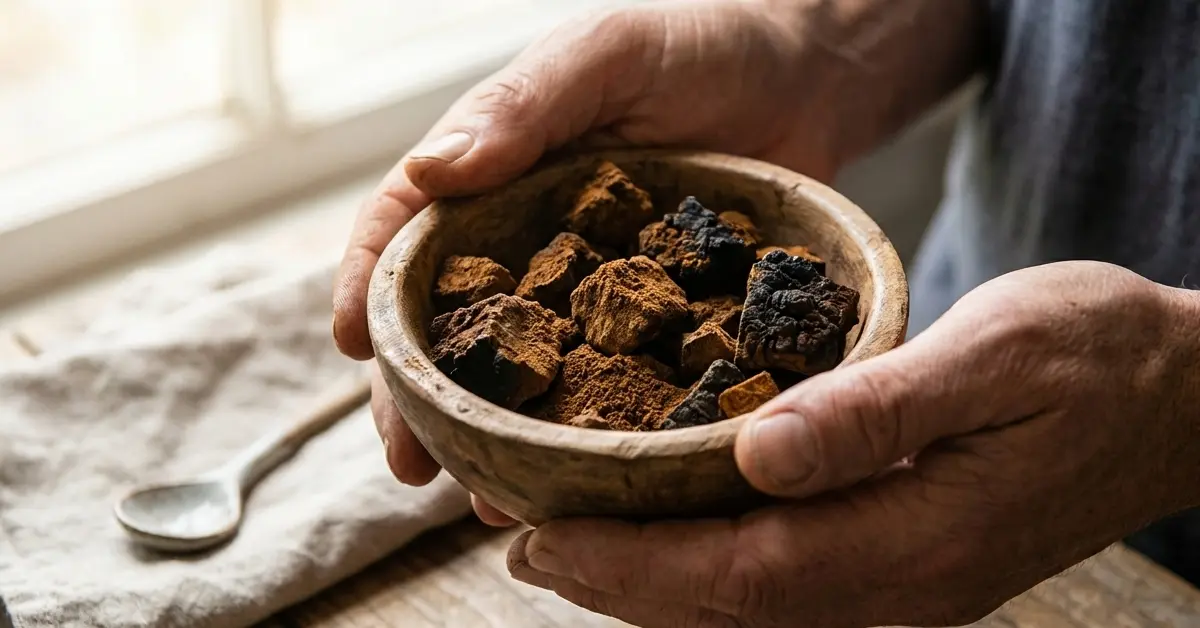
The intricate ways in which chaga mushroom interacts with the digestive system are a growing area of scientific interest. Its complex biochemical makeup suggests multiple mechanisms of action that could contribute to its beneficial effects on the stomach and gut. From influencing microbial balance to offering protective antioxidant support, understanding these interactions provides insight into why chaga is considered a valuable natural ally for gut health. Delving into these specific areas helps clarify the potential advantages of integrating chaga mushroom for stomach health into one’s wellness regimen.
Impact on gut microbiome
The gut microbiome, a vast community of microorganisms residing in the digestive tract, plays a critical role in digestion, immunity, and overall health. Chaga mushroom contains compounds, including certain polysaccharides, that may act as prebiotics, nourishing beneficial gut bacteria. By fostering a diverse and balanced gut microbiota, chaga may help improve digestive function and strengthen the gut barrier. A healthy microbiome is essential for optimal nutrient absorption and defense against pathogens, making the impact of chaga on this ecosystem a key aspect of its gut health benefits.
Chaga mushroom and stomach acid balance
Maintaining a balanced level of stomach acid is crucial for proper digestion and protection against harmful bacteria. While chaga mushroom is not typically viewed as a direct antacid or acid-booster, some traditional uses suggest it may help support the body’s natural regulatory processes concerning stomach acid. The idea is that by contributing to overall digestive harmony and reducing inflammation, chaga might indirectly support the optimal functioning of the gastric environment. This perspective emphasizes chaga’s role as a supportive agent rather than a specific modifier of physiological processes.
Effects on digestion and nutrient absorption
Efficient digestion and nutrient absorption are fundamental to vitality. Chaga mushroom’s potential to improve gut health indirectly supports these processes. A well-functioning digestive tract, free from excessive inflammation and supported by a balanced microbiome, is better equipped to break down food and absorb essential vitamins, minerals, and other nutrients. While not a digestive enzyme itself, chaga’s holistic impact on the gastrointestinal system can contribute to a more optimized digestive environment, potentially enhancing the body’s ability to utilize the nutrients from food effectively. This makes chaga mushroom for digestion a valuable consideration.
Chaga mushroom’s influence on gut inflammation
Gut inflammation is a common underlying factor in many digestive issues, from occasional irritation to more persistent conditions. Chaga mushroom is renowned for its anti-inflammatory properties, attributed to compounds like triterpenes and polyphenols. These bioactive components may help modulate the body’s inflammatory responses, potentially reducing irritation and discomfort within the digestive tract. By supporting a calm and less inflamed gut, chaga can contribute to greater comfort and overall digestive resilience. This natural anti-inflammatory potential makes chaga a compelling subject for research into gut inflammation management.
Antioxidant protection in the digestive tract
The digestive tract is constantly exposed to various stressors, including free radicals generated during metabolic processes or from environmental factors. Chaga mushroom is one of the richest natural sources of antioxidants, which are crucial for neutralizing these damaging free radicals. By providing robust antioxidant protection, chaga may help safeguard the cells lining the digestive tract from oxidative stress and damage. This cellular protection is vital for maintaining the integrity and healthy function of the gut lining, making the antioxidants in chaga a significant benefit for digestive tract protection.
Benefits of chaga mushroom for digestive wellness
Beyond addressing specific mechanisms, the overarching benefits of chaga mushroom for digestive wellness stem from its comprehensive action on the gut. It’s often considered a multi-faceted agent that can promote a state of balance and resilience within the digestive system. Individuals seeking natural pathways to enhance their gastrointestinal comfort and function often explore chaga for its potential to soothe and support. The cumulative effects of its anti-inflammatory, antioxidant, and prebiotic-like properties can contribute significantly to a healthier and more comfortable digestive experience.
Support for irritable bowel syndrome (IBS)
Irritable Bowel Syndrome (IBS) is a common disorder characterized by abdominal pain, bloating, and altered bowel habits. While chaga mushroom is not a direct treatment for IBS, its reported anti-inflammatory and gut-modulating properties suggest it could potentially offer supportive relief for some individuals. By helping to reduce gut inflammation and potentially balancing the gut microbiome, chaga may contribute to a reduction in certain IBS symptoms. Many individuals seeking irritable bowel syndrome relief through natural means explore chaga mushroom for IBS as part of a broader management strategy, though individual responses can vary.
Role in reducing stomach irritation
Stomach irritation can manifest as a burning sensation, nausea, or general unease. Chaga mushroom’s traditional use as a soothing agent for the digestive system aligns with its potential to help reduce such irritation. The compounds in chaga are believed to exert a protective effect on the mucosal lining of the stomach and intestines, potentially helping to calm inflamed tissues. This calming action can contribute to greater comfort and a sense of well-being within the stomach, making it a popular choice for those experiencing mild, general stomach discomfort.
Scientific research on chaga mushroom for stomach health

While traditional wisdom has long highlighted the benefits of chaga mushroom for stomach health, modern science is increasingly providing empirical support. Research is actively exploring the mechanisms behind chaga’s efficacy, particularly its anti-inflammatory, antioxidant, and immunomodulatory effects within the gastrointestinal system. Many studies, often conducted in vitro or using animal models, have indicated promising results regarding chaga’s potential to protect the gut lining, modulate the microbiome, and mitigate inflammatory responses. For instance, some investigations have focused on its ability to impact cytokines involved in gut inflammation. For more general health information and research, resources like the NIH are valuable. While clinical trials in humans specifically addressing stomach conditions are still emerging, the existing scientific literature lends credence to the traditional uses and warrants further comprehensive investigation into its therapeutic potential for digestive well-being.
Traditional uses of chaga mushroom related to stomach care
For centuries, indigenous cultures in Siberia, Eastern Europe, and parts of Asia have revered chaga mushroom not just as a general health tonic but specifically for its profound impact on stomach and digestive care. It was a staple in traditional folk medicine, often brewed into a potent tea or decoction, to address a wide array of gastrointestinal complaints. Communities historically relied on chaga to soothe indigestion, relieve stomach pain, and promote overall digestive harmony. Its perceived adaptogenic qualities were thought to help the digestive system cope with various stressors, making it a go-to remedy for maintaining gut vitality and comfort long before modern pharmaceuticals existed. This long history of use underscores the deep-rooted belief in chaga’s benefits for the stomach.
Traditional preparation methods for stomach benefits
Traditionally, chaga mushroom was prepared in ways that maximized the extraction of its beneficial compounds for digestive purposes. The most common method involved making a slow-simmered decoction, often referred to as Chaga tea. Chunks of dried chaga were steeped in hot water for extended periods—sometimes hours—to create a rich, dark brew. This prolonged heating process was believed to extract the valuable polysaccharides, triterpenes, and other bioactive ingredients essential for gastrointestinal support. The resulting liquid would then be consumed regularly, often daily, as a natural remedy for stomach discomfort, to promote regularity, or simply to maintain overall digestive health. This traditional Chaga mushroom tea was cherished for its comforting and fortifying properties.
How to use chaga mushroom safely for stomach health
When considering chaga mushroom for stomach health, it is important to approach its use with an understanding of general wellness principles and individual variations. For example, some studies specifically investigate chaga mushroom benefits for men, highlighting its potential role in male health. Chaga is available in various forms, and choosing the appropriate one often depends on personal preference and desired method of intake. Always prioritize sourcing chaga from reputable suppliers to ensure quality and purity. As with any natural substance, individual responses can differ, and what works well for one person may not be ideal for another. It is always prudent to consult with a qualified healthcare professional before incorporating chaga or any new supplement into your routine, especially if you have pre-existing health conditions or are taking other medications. This ensures that its use aligns with your specific health needs and circumstances.
Differences between chaga mushroom forms for stomach use
Chaga mushroom is available in several forms, each offering distinct characteristics for consumption. Raw chaga chunks or powder are often used to make traditional decoctions or teas, allowing for a slow, gentle extraction of its compounds. Many appreciate the unique chaga mushroom powder benefits, particularly for ease of use in various preparations. This method is favored by many for its historical authenticity and the comforting ritual of preparation. Concentrated extracts, typically in liquid tincture or powdered form, offer a more potent and convenient option, as their compounds are already highly bioavailable. Capsules provide a pre-measured and easy-to-take format. The choice of form for stomach use often comes down to personal preference for convenience, taste, and the desired concentration of bioactive components. Each form aims to deliver the beneficial properties of chaga to the digestive system, though the rate and extent of absorption may vary.
Potential uses and precautions of chaga mushroom for stomach conditions

While chaga mushroom holds promise for supporting stomach health, it is essential to approach its potential uses with caution and awareness of individual health considerations. Its adaptogenic and anti-inflammatory properties suggest it may be beneficial for general digestive discomfort or as a supportive measure for various stomach conditions. Some individuals also explore if chaga mushroom is good for kidneys, though research on this area is ongoing. However, it should not be considered a substitute for professional medical diagnosis or treatment. Individuals with pre-existing gastrointestinal issues or those undergoing medical treatment should exercise particular care. It is always recommended to consult with a healthcare provider before incorporating chaga, to ensure it is appropriate for your specific situation and to discuss any potential contraindications or interactions with other substances you may be consuming.
Potential interactions with digestive enzymes
The human digestive system relies on a complex array of enzymes to break down food. While chaga mushroom is generally considered safe, there is a theoretical possibility of interactions, particularly for individuals taking supplemental digestive enzymes or those with compromised enzyme production. The bioactive compounds in chaga could, in some cases, influence the activity or absorption of these enzymes, either enhancing or inhibiting their function. While direct evidence of significant interactions is limited, individuals with conditions requiring specific digestive enzyme therapies, or those with very sensitive digestive systems, should discuss chaga use with a healthcare professional to avoid any unintended effects or interference with their digestive processes.
The exploration of chaga mushroom for stomach health reveals a fascinating blend of ancient wisdom and emerging scientific interest. Its traditional use as a digestive aid, coupled with modern research into its anti-inflammatory, antioxidant, and gut-modulating properties, underscores its potential as a valuable natural support for gastrointestinal well-being. While ongoing studies continue to deepen our understanding, the consistent historical applications and promising preliminary findings suggest that chaga mushroom holds significant promise for those seeking natural ways to nurture their digestive system and promote overall gut comfort.
Disclaimer: This article is for informational purposes only and does not constitute medical advice. It is not intended to diagnose, treat, cure, or prevent any disease. Always consult with a qualified healthcare professional before making any decisions about your health, diet, or treatment plans, especially if you have a medical condition or are taking medication. Individual results may vary, and the information presented here should not be used as a substitute for professional medical care.
FAQ
— How does chaga mushroom help with stomach inflammation?
Chaga mushroom is often discussed in relation to compounds that may support the body’s natural inflammatory responses. Its constituents are commonly studied for their potential to influence cellular pathways associated with inflammation. The interest in **chaga mushroom for stomach** issues, including inflammation, stems from these properties, which may contribute to overall gastrointestinal well-being.
— Can chaga mushroom improve symptoms of irritable bowel syndrome?
While chaga mushroom is not a treatment for specific medical conditions, some individuals explore its potential to support general digestive comfort. It contains various compounds that may contribute to overall gut health, which could indirectly influence how the digestive system feels. This traditional fungus is often discussed for its broader wellness properties.
— What is the best way to consume chaga mushroom for gut health?
Traditional uses often involve preparing chaga as a brewed tea or incorporating it into various culinary applications. Some also find it in powdered or extract forms, offering different integration methods. Exploring various approaches allows individuals to discover what best suits their preferences and lifestyle.
— Are there any side effects of taking chaga mushroom for the stomach?
While generally considered well-tolerated by many, some individuals may experience mild digestive upset or discomfort. It is always prudent to introduce any new supplement gradually and observe how your body responds. Consulting with a qualified health professional is advisable before making significant dietary changes, especially with underlying conditions.
— Is chaga mushroom safe for people with digestive disorders?
Individuals with existing digestive disorders should exercise particular caution when considering chaga mushroom. It is crucial to consult with a healthcare provider who understands your specific health profile and can offer personalized guidance. This ensures that any potential integration aligns safely with your current health management plan.
— How long does it take to notice effects of chaga mushroom on stomach health?
The experience of observing effects can vary considerably among individuals, as biological responses are highly personal. Factors such as individual body chemistry and consistent use may influence personal outcomes. It’s often suggested to approach such integrations with a perspective of supporting long-term wellness rather than expecting immediate changes, recognizing that noticeable shifts are rarely immediate.
— Can chaga mushroom be combined with other natural remedies for digestion?
Combining chaga mushroom with other natural remedies for digestion is an area that requires careful consideration. It is always recommended to discuss any such combinations with a healthcare professional to ensure compatibility and avoid potential interactions. Their guidance can help you make informed decisions about your wellness regimen.
— Does chaga mushroom affect stomach acid levels?
Research specifically exploring chaga mushroom’s direct impact on stomach acid levels is not widely established in a definitive manner. While it is generally regarded as supportive of overall digestive function, its influence on gastric acidity is not a commonly cited effect. More dedicated study would be needed to clarify any specific connection.







