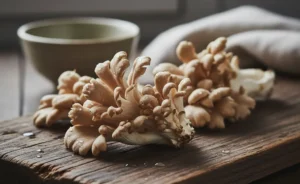
The transition through menopause brings a host of physiological and emotional changes that many women seek to manage with natural remedies. Among these, chaga mushroom has garnered attention for its potential supportive effects during this phase. Derived from a fungus that grows primarily on birch trees, this unique mushroom is rich in bioactive compounds that may help alleviate some of the common symptoms associated with menopause. Understanding how chaga mushroom can complement menopausal wellness involves exploring its adaptogenic properties, antioxidant benefits, and its role in promoting overall vitality. This article aims to provide a comprehensive overview of chaga mushroom for menopause, highlighting its traditional uses, potential benefits, consumption methods, and safety considerations to help you make informed decisions about incorporating it into your health regimen.
Understanding Chaga Mushroom: An Overview
What is chaga mushroom
Chaga mushroom, scientifically known as Inonotus obliquus, is a type of fungus that primarily grows on birch trees in cold climates, such as those found in Siberia, Northern Europe, Canada, and Alaska. Unlike traditional mushrooms with a distinct cap and stem, chaga has a unique appearance, resembling a dark, cracked mass of burnt charcoal. This outer crust, called the sclerotium, is hard and dark due to high concentrations of melanin, while the interior is a softer, rusty yellow-brown color. It forms a parasitic, yet often long-lasting, relationship with its host tree, drawing nutrients from it over many years.
Traditional uses and history
The use of chaga mushroom dates back centuries, deeply rooted in the folk medicine traditions of Russia and Northern Europe. Siberian cultures have long revered chaga, brewing it as a fortifying tea to boost physical stamina, support the immune system, and promote overall longevity. It was a staple for hunters and forest dwellers who relied on it for endurance during harsh winters. Historically, it was also used to support digestive health and maintain healthy skin. This long-standing traditional use has formed the basis for modern scientific interest in its potential health-supportive properties.
Nutritional profile and compounds
Chaga’s reputation stems from its dense concentration of bioactive compounds. It is exceptionally rich in antioxidants, including melanin and superoxide dismutase (SOD), which play a crucial role in protecting cells from oxidative stress. It also contains a wealth of polysaccharides, particularly beta-glucans, which are known for their immune-modulating effects. Furthermore, chaga derives unique compounds from its host birch tree, most notably betulinic acid and other triterpenes, which have been the subject of extensive research. This synergistic blend of vitamins, minerals, and potent phytonutrients contributes to its overall profile as a functional mushroom.
Exploring Chaga’s Support for Menopausal Well-being

Chaga’s adaptogenic qualities
One of the most significant attributes of chaga is its classification as an adaptogen. Adaptogens are natural substances that help the body adapt to various forms of stress, whether physical, chemical, or biological, and promote a state of balance or homeostasis. During menopause, the body experiences significant hormonal fluctuations that can feel like a constant internal stressor. An adaptogen like chaga may help modulate the body’s stress response system, promoting resilience and stability during this transitional period. This helps the body manage the physiological shifts more effectively, contributing to a greater sense of equilibrium.
Support for energy and vitality
Fatigue is a pervasive complaint among women navigating perimenopause and menopause, often impacting daily functioning and quality of life. Chaga has been traditionally used to combat fatigue and enhance physical endurance. Instead of providing a jolt of energy like a stimulant, it is thought to support the body’s natural energy production processes at a cellular level. By helping to manage the body’s stress response and providing a rich source of nutrients, it can contribute to more sustained vitality and reduce feelings of being drained. For those exploring chaga mushroom for menopause, this support for overall energy is a key area of interest.
Potential for mood balance
Mood swings, irritability, and feelings of unease are common emotional experiences during menopause, linked to both hormonal shifts and the stresses of this life stage. While not a direct treatment for mood disorders, chaga’s adaptogenic properties may indirectly support emotional well-being. By helping the body better cope with stress, it can mitigate the physiological cascade that often exacerbates mood fluctuations. This harmonizing effect can contribute to a more stable emotional baseline, fostering a sense of calm and promoting a more balanced outlook.
Chaga Mushroom for Menopause: Benefits and Usage
Chaga mushroom benefits for menopausal symptoms
While research is ongoing, the compounds in chaga may offer support for several common menopausal symptoms. According to the NIH, many natural compounds are under investigation for their health-supportive roles. Its adaptogenic nature may help the body better regulate temperature, potentially influencing the intensity or frequency of hot flashes. Furthermore, by promoting a sense of calm and reducing the impact of stress, it could indirectly contribute to better sleep quality, another common challenge during this time. Hormonal changes can also affect skin health, leading to dryness and reduced elasticity. The high concentration of antioxidants and melanin in chaga may support skin vitality and protect it from environmental stressors. These potential chaga mushroom benefits make considering chaga mushroom for menopause an appealing option for women seeking natural support.
Overall wellness support during menopause
Menopause is not just a collection of symptoms; it is a significant transition that impacts long-term health. Chaga can play a role in a broader wellness strategy by supporting foundational systems in the body. Its beta-glucans are known to help maintain a healthy and balanced immune system, which is crucial for long-term vitality. While the focus here is on menopausal support, it’s worth noting that there are also specific chaga mushroom benefits for men. Additionally, its historical use for gut health points to its potential to support a healthy digestive system, which is intrinsically linked to overall well-being. By focusing on systemic support, chaga helps fortify the body for the years beyond the menopausal transition.
Antioxidant properties and cellular health
The potent antioxidant capacity of chaga is one of its most celebrated features. Oxidative stress, caused by an imbalance between free radicals and antioxidants, accelerates the aging process and is linked to numerous health concerns. The menopausal transition can increase this burden. Chaga provides a powerful defense with compounds like melanin and superoxide dismutase (SOD), which help neutralize free radicals and protect cells from damage. This cellular protection is fundamental to healthy aging, supporting everything from skin radiance to the function of internal organs and contributing to overall resilience.
Different Forms of Chaga Mushroom and Consumption
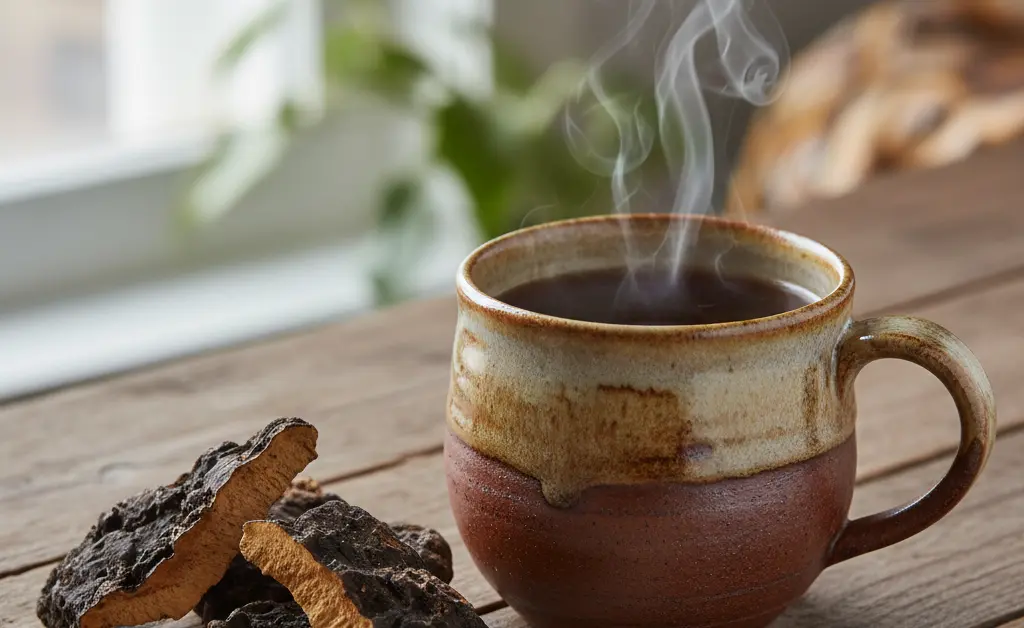
Chaga tea and decoctions
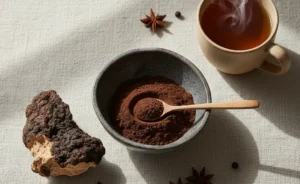
The most traditional way to consume chaga is by preparing it as a tea or decoction. This involves simmering raw chaga chunks or coarse powder in hot water for an extended period. This process is necessary to break down the tough, chitinous cell walls of the mushroom and release its water-soluble compounds, such as the beta-glucans. The resulting brew has a mild, earthy flavor with subtle hints of vanilla, making it a pleasant and soothing beverage that can be enjoyed on its own or with a splash of milk or a natural sweetener.
Chaga extracts and tinctures
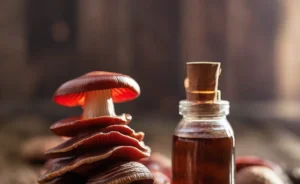
For a more concentrated and convenient option, chaga is widely available in extract or tincture form. These products have already undergone a thorough extraction process to make the bioactive compounds more readily available to the body. Some products are hot water extracts, which capture the water-soluble components. Others are dual extracts, which use both hot water and alcohol to also pull out non-water-soluble compounds like betulinic acid and other triterpenes. When considering chaga mushroom for menopause, extracts provide a potent and easy-to-use alternative to brewing tea.
Incorporating chaga powder
Finely ground chaga powder offers excellent versatility for daily use. This powder can be easily stirred into hot water to make an instant tea, though it may not be as potent as a long-simmered decoction. More commonly, it is added to other beverages like coffee, lattes, or smoothies, where its mild flavor blends in seamlessly. It can also be incorporated into foods like soups, stews, or oatmeal, providing a simple way to integrate its potential benefits into your daily meals without any complicated preparation.
Chaga Mushroom Safety and Considerations for Menopause
General precautions for chaga use
While chaga is generally considered safe for most people, there are important considerations to keep in mind. Chaga contains high levels of oxalates, which can be problematic for individuals with a history of kidney stones or kidney disease. Due to its potential effects on blood sugar and blood clotting, people taking diabetes medications or blood thinners should exercise caution. Similarly, anyone researching chaga mushroom for blood pressure regulation should consult a doctor, as it may interact with related medications. Understanding these precautions is a vital step for anyone researching chaga mushroom for menopause and its suitability for their individual health profile.
Sourcing quality chaga products
The quality and efficacy of a chaga product depend heavily on its source and preparation. It is crucial to choose products from reputable suppliers who practice sustainable harvesting from clean environments, as chaga can absorb contaminants from its surroundings. Ideally, the chaga should be wild-harvested from birch trees, which is where it derives some of its key compounds. Look for brands that are transparent about their sourcing, provide information on their extraction methods, and ideally offer third-party testing for purity and potency.
When to consult a healthcare provider
Before incorporating chaga or any new supplement into your routine, it is essential to consult with a qualified healthcare provider, such as a doctor, naturopath, or herbalist. This is especially important during menopause, as well as for individuals with pre-existing health conditions or those taking prescription medications. This advice also applies to other life stages where hormonal health is key, such as when exploring potential chaga mushroom benefits for fertility. A professional can help you assess whether chaga is appropriate for your specific health needs and ensure it won’t interact with any treatments you are currently undergoing.
Integrating Chaga into a Holistic Wellness Approach

Chaga in daily wellness routines
To experience the potential benefits of chaga, consistency is key. Integrating it into your daily routine can be as simple as replacing your morning coffee with a cup of chaga tea or adding a dropper of chaga extract to your water bottle. By making it a regular habit, you provide your body with ongoing support. This steady integration allows its adaptogenic and nourishing properties to work cumulatively over time, becoming a foundational part of your wellness strategy during menopause and beyond.
Combining chaga with lifestyle practices
Chaga is most effective when viewed as a component of a holistic wellness plan, not as a standalone solution. Its supportive properties are amplified when combined with other healthy lifestyle practices. This includes a nutrient-dense diet rich in whole foods, regular physical activity that you enjoy, stress-management techniques such as meditation or deep breathing, and prioritizing sufficient, high-quality sleep. These pillars of health create an environment where chaga’s balancing effects can be most profoundly felt.
Mindful consumption practices
When introducing any new element into your wellness regimen, it is wise to practice mindful consumption. This involves starting with a small amount to see how your body responds and paying attention to any subtle shifts in your energy, mood, or overall sense of well-being. This gentle, observant approach allows you to personalize your use and find what works best for you. Being attuned to your body’s feedback is a cornerstone of a truly holistic and sustainable approach to health.
In summary, chaga mushroom presents a compelling natural option for women seeking holistic support during the menopausal transition. Its rich history in traditional medicine is now being explored through a modern lens, highlighting its powerful adaptogenic and antioxidant properties. By helping the body manage stress, supporting energy levels, and promoting cellular health, it can contribute to a greater sense of balance and vitality. As with any natural remedy, choosing high-quality products and consulting with a healthcare provider are essential steps. Ultimately, incorporating chaga mushroom for menopause can be a valuable part of a comprehensive wellness strategy aimed at navigating this life stage with resilience and grace.
This article is for informational purposes only and does not constitute medical advice. The information contained herein is not intended to diagnose, treat, cure, or prevent any disease. Always consult with a qualified healthcare professional before starting any new supplement, especially if you have a pre-existing medical condition or are taking medication. Statements regarding dietary supplements have not been evaluated by the Food and Drug Administration.
FAQ
— Is chaga mushroom beneficial during menopause?
Tradition suggests that various natural substances, including certain mushrooms, may offer general support for well-being. Chaga is commonly studied for its diverse biological compounds and potential role in supporting the body’s adaptive responses, which some individuals explore during life transitions.
— What are the general wellness effects of chaga for menopausal women?
General wellness effects often discussed for chaga mushroom for menopause include supporting the body’s ability to maintain balance and promoting a sense of vitality. Many individuals explore chaga for its potential to contribute to overall physiological harmony, which can be particularly appealing during significant life changes.
— How should chaga mushroom be prepared for consumption?
Chaga mushroom is typically prepared through methods that extract its beneficial compounds, such as brewing it into a tea or incorporating it into various liquid extracts. The raw mushroom is often processed into smaller pieces, powders, or concentrates to make it more accessible for daily use.
— Are there any known considerations when taking chaga during menopause?
Individuals considering any new dietary supplement, including chaga, should always consult with a healthcare professional to discuss personal health circumstances. This is particularly important for those managing existing health conditions or taking other wellness products to ensure compatibility and suitability.
— What are the different forms of chaga mushroom available?
Chaga mushroom is available in several forms designed for convenient integration into a wellness routine. Commonly, one might find it as dried chunks or finely ground powder, suitable for brewing. Additionally, concentrated liquid extracts or tinctures are frequently produced to offer a different consumption experience.
— Can chaga mushroom support overall vitality during menopause?
Many people seek natural ways to maintain their overall vitality and sense of well-being, and chaga is sometimes referenced in this context. Its traditional use points to its potential role in supporting general physiological function, which can indirectly contribute to a feeling of sustained energy and vigor.
— Where does chaga mushroom naturally grow?
Chaga mushroom predominantly grows in colder climates, often found thriving on birch trees in Northern Hemisphere forests. It is typically harvested from regions across Canada, Siberia, Northern Europe, and parts of the United States. This unique environment contributes to its distinctive composition.