
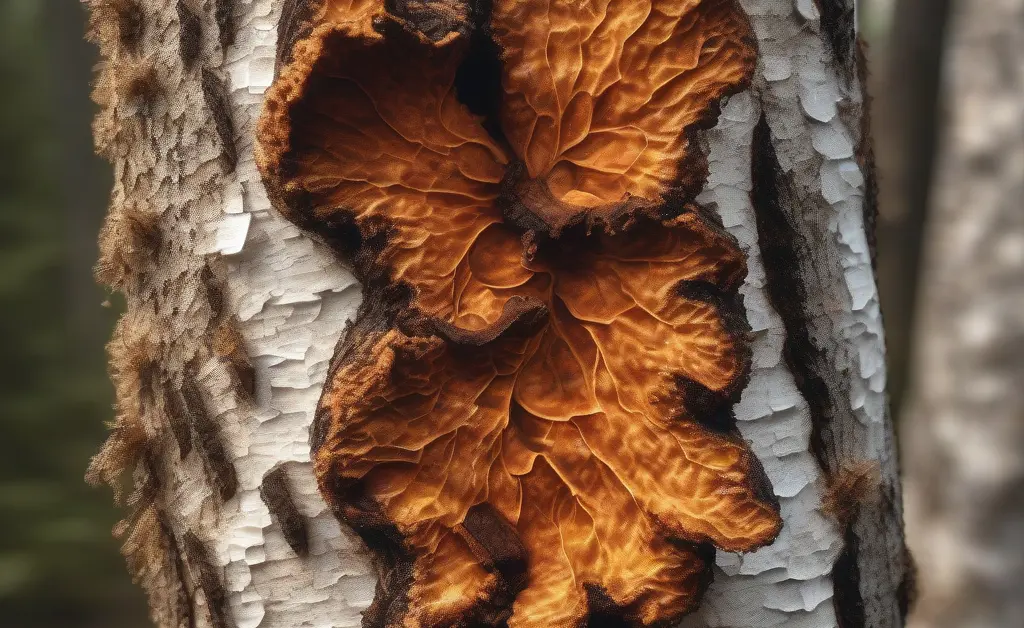
Chaga mushroom has gained considerable attention in natural health circles for its potential therapeutic properties, particularly concerning liver health. The liver, as a critical organ responsible for detoxification and metabolic regulation, benefits from substances that can support its function and protect it from damage. Among various natural remedies, chaga stands out due to its unique bioactive compounds that may promote liver resilience and aid in detoxification processes. This article explores the specific chaga mushroom benefits for liver, examining how it compares with other herbs traditionally used for hepatic support. By reviewing scientific evidence and understanding the mechanisms involved, readers can gain a clearer picture of chaga’s role in maintaining liver health and reducing risks associated with liver disease.
Chaga Mushroom Benefits for Liver Health
How Does Chaga Mushroom Affect the Liver?
Chaga mushroom is commonly associated with multiple beneficial effects on liver function due to its rich composition of bioactive compounds. These compounds interact with the liver’s cellular processes to support its natural ability to cleanse the body. The mushroom’s antioxidative and anti-inflammatory properties contribute to maintaining hepatic cell integrity, potentially helping the liver withstand oxidative stress and other damaging agents. By modulating immune responses and enhancing cellular repair mechanisms, chaga may contribute to improved liver resilience.
Prevention of Liver Damage
One of the notable chaga mushroom benefits for liver is its capacity to help prevent liver damage. Laboratory studies have shown that the mushroom’s extracts can protect liver cells from toxins and oxidative injury, which are common contributors to liver dysfunction. This protective effect is largely attributed to the presence of polyphenols and other antioxidant molecules that counteract free radicals, thus minimizing cellular damage. While chaga is not a cure, its preventive role is significant in supporting overall liver health and mitigating potential harm from environmental toxins or metabolic stress.
Support for Liver Detoxification
Another important aspect of chaga’s influence on liver health is its role in supporting liver detoxification pathways. The liver’s detoxification involves multiple enzymatic processes that convert harmful substances into less toxic compounds for elimination. Chaga contains compounds that may enhance these enzymatic activities, facilitating more efficient processing of toxins. This natural liver support is especially valuable for maintaining the organ’s function under conditions of increased toxic load, although individual responses can vary depending on overall health and other factors. More details about chaga mushroom extract benefits can be found in specialized resources.
Reduction of Liver Disease Risk
Through its hepatoprotective effects and antioxidant profile, chaga mushroom benefits for liver extend to potentially reducing the risk of developing liver diseases. Chronic oxidative stress and inflammation are recognized contributors to liver conditions such as fibrosis and fatty liver disease. By mitigating these harmful processes, chaga may help lower the likelihood of such diseases progressing. While more human research is needed to fully confirm these effects, the mushroom’s traditional use and emerging scientific data highlight its potential in liver disease risk management.
Mechanisms of Liver Protection by Chaga Mushroom
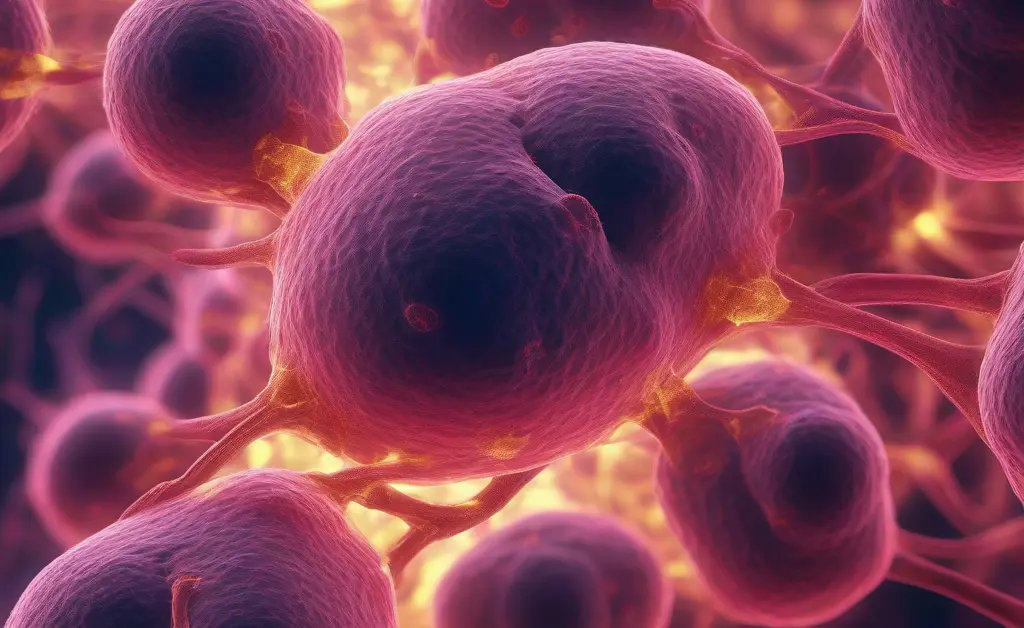
Mechanisms of Liver Protection
The protective mechanisms through which chaga mushroom supports liver health are multifaceted. Central to these is its antioxidant capacity, where polyphenols and beta-glucans scavenge free radicals responsible for oxidative stress. This reduces cellular damage and inflammation within liver tissues. Additionally, chaga’s immunomodulatory properties influence the activity of immune cells, potentially preventing excessive inflammatory responses that can exacerbate liver injury. The mushroom also appears to encourage the regeneration of liver cells, fostering repair after damage. These combined actions form a comprehensive defense system that underscores chaga mushroom benefits for liver at the cellular and molecular levels.
Scientific Evidence Supporting Chaga Mushroom and Liver Function
Animal Studies on Liver Health
Preclinical animal studies provide much of the current understanding regarding chaga mushroom’s impact on liver health. These studies often investigate the effects of chaga extracts on liver damage induced by toxins or chemically induced liver injury. Results consistently indicate protective effects, including reduced markers of oxidative stress, improved liver enzyme profiles, and decreased tissue inflammation. Such findings support the concept that chaga may help maintain liver function and prevent damage in controlled experimental settings, although translation to human health requires careful consideration. For safety and regulatory information, consult the FDA.
Human Research Overview
Human research on chaga mushroom benefits for liver remains limited but promising. Clinical trials and observational studies have begun to explore how chaga supplementation influences liver function markers and overall hepatic health. Preliminary findings suggest improvements in antioxidant status and potential modulation of liver enzymes, which are indicators of liver health. However, given the variability in study designs and the need for larger, well-controlled trials, the current evidence should be interpreted cautiously. Continued research is essential to establish more definitive conclusions about chaga’s role in supporting liver health in humans.
Nutritional Profile of Chaga Mushroom Related to Liver Health
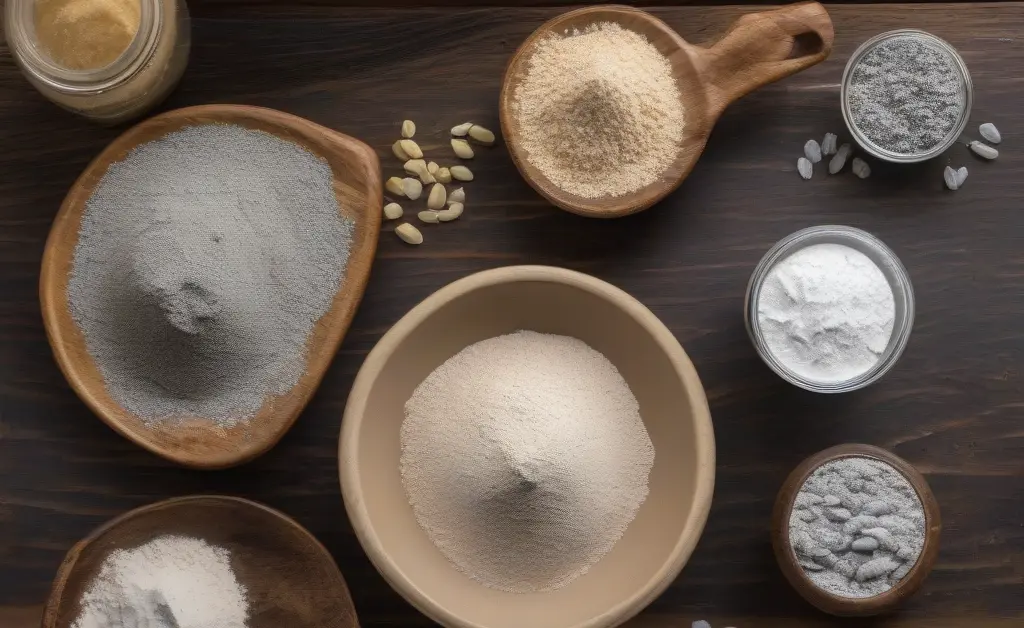
Key Nutrients in Chaga Supporting Liver Function
Chaga mushroom contains a distinct nutritional profile that contributes to its liver-supportive properties. Among its key constituents are beta-glucans, which have immune-modulating effects, as well as various polysaccharides that may enhance liver function. Minerals such as zinc and selenium found in chaga are also important for maintaining hepatic enzymatic activity and antioxidant defenses. These nutrients collectively support the metabolic processes of the liver, emphasizing the nutritional basis for chaga mushroom benefits for kids and adults alike in maintaining liver health beyond its pharmacological aspects.
Antioxidant Compounds in Chaga and Liver Benefits
Chaga is particularly rich in antioxidant compounds, including polyphenols and melanin-like substances, which are crucial in combating oxidative stress within the liver. These antioxidants help neutralize harmful reactive oxygen species generated during metabolic activities and exposure to toxins. The antioxidant effects of chaga mushroom are often cited as a primary mechanism underlying its hepatoprotective potential, as they limit oxidative damage and inflammation that can impair liver function and contribute to disease progression.
Comparison of Chaga Mushroom with Other Liver-supportive Herbs
Differences Between Chaga and Other Mushrooms for Liver Health
When compared to other liver-supportive mushrooms such as reishi or turkey tail, chaga offers a distinct set of bioactive compounds that may provide unique benefits. While many medicinal mushrooms share antioxidant and immune-modulating properties, chaga is particularly noted for its high concentration of polyphenols and melanin, which contribute to its potent antioxidant capacity. Other herbs commonly used for liver support, like milk thistle, focus primarily on silymarin compounds with detoxifying qualities. Chaga’s broad spectrum of nutrients and its traditional use in various cultures highlight its complementary role among natural liver-supportive supplements.
Potential Risks and Considerations of Chaga Mushroom for Liver

Safety Considerations for Liver-related Use
Despite its potential benefits, chaga mushroom use requires careful consideration regarding safety, especially for liver health. Some individuals may experience adverse reactions or sensitivities, and quality control of chaga products can vary significantly. The presence of active compounds capable of influencing liver metabolism means that chaga should be used with awareness of possible effects on liver enzyme activity. Consumers are encouraged to seek products from reputable sources and consult knowledgeable health professionals before incorporating chaga mushroom benefits for eyes and other uses into their regimen.
Interactions with Liver Metabolism
Chaga’s bioactive components may interact with liver metabolic pathways, including those involved in drug metabolism. This interaction could theoretically alter the way medications are processed, affecting their efficacy or safety. While such interactions are not fully elucidated, they underscore the need for caution when combining chaga with other substances metabolized by the liver. Awareness of these potential interactions is important for individuals managing liver conditions or using pharmacological treatments.
Long-term Effects of Chaga on Liver Health
The long-term effects of chaga mushroom consumption on liver health are not yet well-defined. Traditional use and some emerging studies suggest potential benefits, but the impact of prolonged intake requires further investigation to ensure safety and sustained efficacy. Monitoring liver function over time and conducting comprehensive clinical studies will be critical to understand how chronic use influences liver resilience and overall health outcomes.
In summary, chaga mushroom benefits for liver encompass a range of protective and supportive actions that distinguish it among natural liver-supportive supplements. Its unique nutritional profile, potent antioxidant effects, and immunomodulatory properties contribute to its potential as a complementary herb for promoting liver health. While promising, these benefits should be considered within the context of ongoing research and individual health circumstances.
Disclaimer: This article is intended for informational purposes only and does not constitute medical advice. The effects of chaga mushroom on liver health are still under scientific investigation, and individual responses may vary. It is important to consult a healthcare professional before using chaga or any other herbal supplement, especially if you have existing liver conditions or are taking medications. The content should not replace professional medical evaluation or treatment.
FAQ
— How does chaga mushroom help protect the liver?
Chaga mushroom is traditionally referenced for its antioxidant properties, which may help protect liver cells from oxidative stress. Its compounds are often studied for their potential to support the liver’s detoxification processes.
— Can chaga mushroom improve liver function?
Some research suggests that certain constituents in chaga mushroom might support liver function by promoting cellular repair and reducing inflammation. However, these effects are still being explored, and definitive conclusions require more evidence.
— Are there any scientific studies supporting chaga mushroom for liver health?
There are preliminary studies and animal research indicating possible liver-protective effects of chaga mushroom extracts. While promising, the current body of scientific literature remains limited and calls for further clinical investigation.
— What is the recommended dosage of chaga mushroom for liver benefits?
Specific dosage guidelines for chaga mushroom in relation to liver health are not established due to the variability in preparations and limited scientific consensus. Consulting a healthcare professional is advisable before considering its use.
— Are there any side effects of using chaga mushroom for the liver?
Chaga mushroom is generally considered safe for many individuals, but potential side effects may include allergic reactions or interactions with certain medications. Careful monitoring is important when introducing any supplement related to liver health.
— How does chaga mushroom compare to other natural liver-supportive supplements?
Compared to other natural supplements commonly used for liver support, chaga mushroom is noted for its unique antioxidant profile. Its benefits are often discussed alongside other botanicals, though direct comparative studies are sparse.
— Can chaga mushroom be used alongside other liver health practices?
Chaga mushroom may be used in conjunction with other liver-supportive measures such as balanced nutrition and avoidance of liver toxins. Integrating multiple approaches can be part of a comprehensive strategy, though professional guidance is recommended.
— What are the signs that chaga mushroom is benefiting liver health?
Observable signs of improved liver health can be subtle and may include enhanced energy levels or better digestion, but these are not specific to chaga mushroom use. Objective assessment typically requires medical evaluation rather than self-observation.







