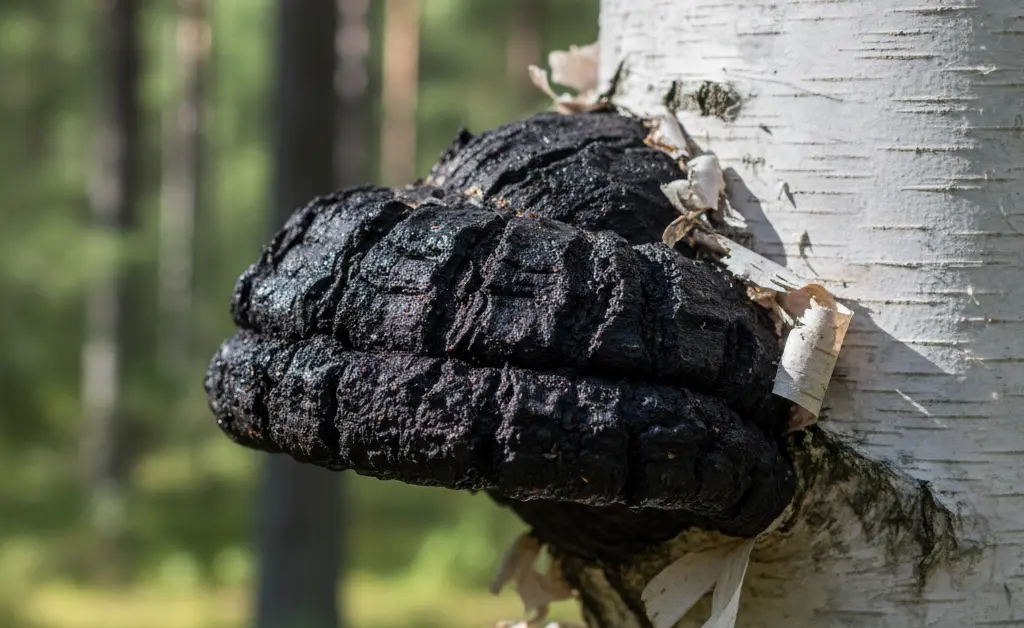
Chaga mushroom has gained significant attention for its potential to enhance the body’s natural defenses. This unique fungus, traditionally used in various cultures, contains compounds that interact with the immune system in complex ways. Exploring chaga mushroom for immunity involves examining its bioactive substances, including beta-glucans and antioxidants, which may contribute to immune modulation and resilience. As interest grows in natural approaches to health, understanding the mechanisms behind chaga’s immune-supporting properties is essential for making informed decisions about its use. This article delves into the scientific evidence, traditional applications, and practical considerations surrounding chaga, offering a comprehensive overview of its role in immune health.
How Chaga Mushroom Supports Immunity
The reputation of chaga mushroom as an immune-supportive agent is rooted in its rich composition of bioactive compounds. These substances work through several pathways to help maintain a balanced and responsive immune system. Unlike agents that simply stimulate immune activity, chaga is often described as an immunomodulator, meaning it may help the body regulate its own defense mechanisms more effectively. When considering chaga mushroom for immunity, it’s helpful to understand that its benefits are not from a single action but a combination of complementary effects that support the body’s resilience against environmental stressors.
Role of Beta-Glucans in Immune Defense
Beta-glucans are a type of complex carbohydrate found in the cell walls of fungi, including chaga. They are perhaps the most studied immune-active compounds in medicinal mushrooms. When consumed, these beta-glucans can interact with various immune cells in the gut-associated lymphoid tissue (GALT), which is a critical part of the body’s immune surveillance system. This interaction can help prime or activate key components of the immune system, such as macrophages and natural killer cells, preparing them to respond more efficiently when faced with a challenge. This modulating effect helps ensure the immune system is alert and ready without being unnecessarily overactive.
Antioxidant Properties and Immune Support
The immune system generates free radicals as part of its normal function, but an excess of these unstable molecules can lead to oxidative stress. Chronic oxidative stress can damage cells, including immune cells, and impair their function over time. Chaga mushroom is exceptionally rich in antioxidants, including polyphenols, triterpenoids, and a dark pigment called melanin. These compounds help neutralize excess free radicals, protecting cells from damage. The antioxidant properties of chaga are also being explored for chaga mushroom benefits for skin health. By mitigating oxidative stress, chaga helps create a more stable internal environment, allowing the immune system to operate more effectively and maintain its strength.
Potential Anti-Inflammatory Effects Related to Immunity
Inflammation is a natural and necessary part of the immune response, helping the body heal and defend itself. However, when inflammation becomes chronic or dysregulated, it can contribute to health issues and tax the immune system. Certain compounds within chaga have been studied for their potential to help modulate inflammatory pathways. By supporting a balanced inflammatory response, chaga may help ensure that this critical immune function works as intended without becoming excessive. This regulatory role is a key aspect of how it contributes to overall immune balance and well-being.
Key Immune-Boosting Compounds in Chaga Mushroom
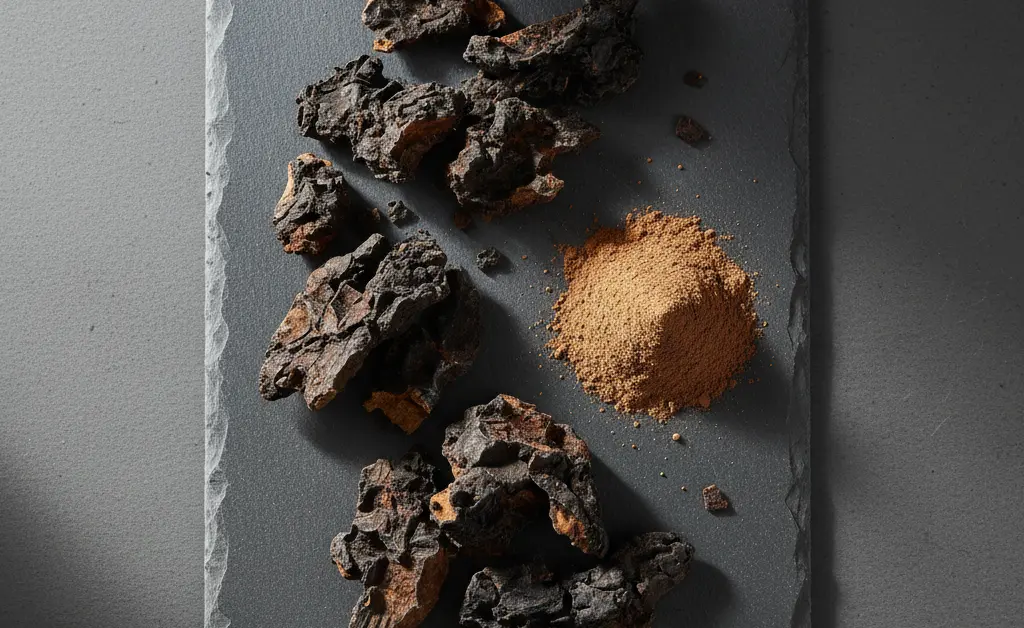
Chaga’s influence on the immune system is not attributed to a single ingredient but to a synergistic combination of various bioactive compounds. This complex matrix of substances is what makes it a subject of interest in both traditional practice and modern research. The key to understanding how to use **chaga mushroom for immunity** lies in recognizing these powerful natural components and their distinct roles.
Beta-Glucans
As previously mentioned, beta-glucans are a cornerstone of chaga’s immune-supportive properties. These specific types of polysaccharides are recognized by immune cell receptors, essentially acting as signals that help keep the immune system vigilant. Their presence in chaga is a primary reason it is categorized alongside other well-known medicinal mushrooms for its effects on the body’s natural defenses.
Polysaccharides
Beyond beta-glucans, chaga contains a broad spectrum of other polysaccharides. These long-chain carbohydrates contribute to the mushroom’s overall biological activity. They are known to support various bodily functions, and within the context of immunity, they are believed to work in concert with beta-glucans to support cell communication and help maintain a healthy gut microbiome, which is intricately linked to immune function.
Other Bioactive Compounds
Chaga’s profile extends to other important molecules. Triterpenoids, including betulin and betulinic acid, are compounds that chaga absorbs from the birch trees on which it grows. These substances are researched for their own unique biological activities. Some research is beginning to look into the potential chaga mushroom benefits for fertility. Additionally, chaga is a source of superoxide dismutase (SOD), a powerful antioxidant enzyme that plays a crucial role in protecting the body from oxidative damage. The rich, dark color of chaga comes from its high concentration of melanin, another potent antioxidant that contributes to its protective qualities.
Scientific Evidence on Chaga Mushroom and Immune Health
While traditional use provides a long history of anecdotal evidence, modern science is beginning to investigate the mechanisms behind chaga’s effects. The body of research is still developing, with many studies being preliminary, but they offer valuable insights into how this fungus may interact with the immune system. These investigations are crucial for validating the traditional claims surrounding **chaga mushroom for immunity**.
Studies on Immune Response
Scientific research on chaga mushroom has primarily been conducted through in vitro (laboratory) and animal studies. These studies have explored how chaga extracts influence immune cells and signaling molecules. For example, some research indicates that chaga components can affect the production of cytokines, which are proteins that act as messengers within the immune system, helping to coordinate the body’s response to threats. While these findings are promising and help explain chaga’s immunomodulatory potential, it is important to recognize their limitations. Large-scale human clinical trials are needed to fully understand chaga’s effects on the human immune system and to confirm the results observed in laboratory settings.
How to Use Chaga Mushroom for Immunity
Incorporating chaga mushroom into a wellness routine involves understanding its different forms and recognizing important safety factors. Traditionally, chaga was consumed as a simple tea, but today it is available in various formats, including tinctures, powders, and capsules. Each form offers a different way to access its compounds. The conversation about how to use **chaga mushroom for immunity** must always be paired with an emphasis on responsible consumption and awareness of individual health circumstances.
Safety Considerations When Using Chaga for Immunity
Before using chaga, it is essential to consider potential precautions. Chaga contains high levels of oxalates, which may be a concern for individuals with a history of kidney stones or kidney disease. Due to its potential effects on blood sugar and blood clotting, people with diabetes or those taking blood-thinning medications should exercise caution. There is insufficient research on its safety during pregnancy or while breastfeeding. As with any supplement, consulting with a healthcare professional is the most important step before adding chaga to your regimen, especially if you have pre-existing health conditions or are taking any medications. Consumers can find more information about supplement regulations from the FDA.
Differences Between Chaga Mushroom and Other Immune-Boosting Mushrooms
While many medicinal mushrooms are valued for immune support, they are not all interchangeable. Each has a unique profile of bioactive compounds that gives it distinct characteristics.
| Mushroom | Key Characteristics | Primary Focus |
|---|---|---|
| Chaga | Rich in antioxidants like melanin and SOD; contains betulinic acid from birch trees. | Immune modulation, antioxidant support, and overall wellness. |
| Reishi | Contains a high concentration of triterpenes; known as an adaptogen. | Stress resilience, calming properties, and immune balance. |
| Turkey Tail | Valued for its high content of specific protein-bound polysaccharides (PSK and PSP). | Robust immune cell support and gut health. |
| Cordyceps | Contains cordycepin; traditionally used for energy and vitality. | Energy, athletic performance, and respiratory health support. |
This comparison highlights that while the goal of immune support is common, the choice of mushroom may depend on additional wellness goals, such as stress reduction or energy enhancement.
Chaga Mushroom for Immunity: Traditional Uses and Cultural Perspectives

Long before it became a popular health supplement, chaga was a staple in traditional medicine, particularly in Siberia and other northern regions of Europe. It was revered as a gift from nature, valued for its ability to promote vitality and resilience during harsh winters. Understanding these historical roots provides context for its modern use and appreciation as a natural wellness tool. Exploring the traditional applications of **chaga mushroom for immunity** reveals a deep-seated belief in its ability to support the body’s innate strength.
Traditional Preparation Methods for Immune Support
The most common traditional method of preparing chaga was to make a decoction or tea. Chunks of the dried mushroom were broken up and simmered in hot water for an extended period, sometimes for several hours. This slow, gentle heating process was believed to be essential for extracting the water-soluble compounds, including the polysaccharides and antioxidants, from the tough, woody material. The resulting dark, earthy-tasting beverage was consumed regularly to support general health and maintain vitality. This simple yet effective preparation method has been passed down through generations and remains a popular way to consume chaga today.
Potential Effects of Chaga Mushroom on Immune System Balance

The concept of balance is central to understanding chaga’s role in immune health. Rather than simply acting as a stimulant, chaga is thought to function as an adaptogen and a modulator, helping the body maintain equilibrium, or homeostasis. This approach is more holistic, focusing on strengthening the body’s overall resilience rather than targeting a single pathway.
Immune System Modulation by Chaga Components
Immunomodulation refers to the ability to help regulate an underactive or overactive immune system, guiding it toward a more balanced state. The beta-glucans and other polysaccharides in chaga are believed to be the primary drivers of this effect. They can support a sluggish immune system by promoting the activity of key defense cells. Conversely, by supporting a balanced inflammatory response, they may also help calm an overzealous immune reaction. This dual-action potential is what makes chaga a valued tool for maintaining a healthy and appropriately responsive immune system.
Chaga Mushroom’s Role in Supporting Overall Wellness
A strong immune system does not exist in isolation; it is deeply connected to overall health and well-being. Chaga’s benefits extend beyond direct immune interaction. As an adaptogen, it is thought to help the body better cope with physical and mental stress. Many individuals explore how chaga mushroom benefits for men can support overall vitality. Since chronic stress is known to suppress immune function, supporting the body’s stress response system is an indirect but powerful way to maintain immune health. Furthermore, its high antioxidant content contributes to cellular health throughout the body, providing a foundation of wellness that allows the immune system to thrive.
Chaga mushroom offers a multifaceted approach to well-being, grounded in both traditional wisdom and emerging scientific research. Its rich array of bioactive compounds, including beta-glucans, antioxidants, and triterpenoids, work synergistically to support a balanced and responsive immune system. By helping to modulate immune responses, reduce oxidative stress, and promote overall resilience, chaga serves as a valuable natural ally. For those seeking to enhance their body’s natural defenses, incorporating **chaga mushroom for immunity** into a holistic wellness plan can be a supportive measure for maintaining long-term health and vitality.
Disclaimer: The information provided in this article is for educational purposes only and is not intended as a substitute for professional medical advice, diagnosis, or treatment. Always seek the advice of your physician or other qualified health provider with any questions you may have regarding a medical condition. Do not disregard professional medical advice or delay in seeking it because of something you have read here. The use of any information provided in this article is solely at your own risk.*
FAQ
— How does chaga mushroom boost the immune system?
Chaga mushroom is traditionally believed to support the immune system by modulating immune responses and promoting overall wellness. It contains compounds that may stimulate certain immune cells, potentially enhancing the body’s natural defense mechanisms.
— What are the active compounds in chaga that support immunity?
Chaga contains several bioactive components including polysaccharides, betulinic acid, and antioxidants like melanin. These compounds are often studied for their potential to influence immune function and reduce oxidative stress.
— Is chaga mushroom safe to use for immune health?
Chaga is generally considered safe when consumed appropriately, but individual reactions can vary. People with specific health conditions or those taking medications should consult a healthcare professional before use.
— How should I consume chaga mushroom to improve immunity?
Chaga is commonly consumed as a tea or extract, which allows the active compounds to be extracted into a drinkable form. However, specific methods and preparation can vary depending on personal preference and product type.
— Are there any scientific studies supporting chaga’s immune benefits?
Several studies have explored the immune-related effects of chaga, often focusing on its antioxidant and anti-inflammatory properties. While promising, more extensive clinical research is needed to fully establish its efficacy.
— What traditional uses of chaga mushroom relate to immunity?
Historically, chaga has been used in folk medicine to support immune health and combat various illnesses. It has been valued for its adaptogenic qualities that may help the body cope with stressors and maintain balance.
— Can chaga mushroom affect immune system balance?
Chaga may have immunomodulatory effects, meaning it can potentially help regulate immune function rather than simply boosting it. This balance may contribute to a more controlled and effective immune response.
— How does chaga compare to other mushrooms for immune support?
Compared to other medicinal mushrooms, chaga is often noted for its high antioxidant content and unique compounds. Each mushroom species offers different bioactive substances, so chaga mushroom for immunity is just one option within a broader category of immune-supportive fungi.