Chaga mushroom, long revered in traditional medicine, is gaining attention for its potential to enhance sleep quality and promote relaxation naturally. As more individuals seek alternatives to conventional sleep aids, understanding the specific benefits and mechanisms of this unique fungus becomes essential. This article explores chaga mushroom benefits for sleep, examining how its bioactive compounds may influence restfulness and recovery. By delving into scientific research alongside anecdotal evidence, we aim to provide a comprehensive overview of how chaga can be integrated into routines to support healthier sleep patterns. Whether through its antioxidant properties or its interaction with bodily systems regulating sleep, chaga presents intriguing possibilities for those looking to improve nightly rest without relying solely on pharmaceutical solutions.
Chaga Mushroom Benefits for Sleep
How Chaga Mushroom Affects Sleep
Chaga mushroom is traditionally valued for its adaptogenic and restorative properties, which may contribute to a calming effect on the body and mind. These effects can indirectly support sleep by reducing stress and promoting relaxation, important factors in preparing the body for restful sleep. The bioactive compounds found in chaga, such as polysaccharides, betulinic acid, and melanin, interact with physiological pathways that influence the nervous system. This interaction may help modulate the sleep-wake cycle, potentially aiding individuals in achieving a more balanced and restorative sleep pattern.
Mechanisms Behind Chaga’s Impact on Sleep Quality
The mechanisms behind chaga’s influence on sleep quality involve a complex interplay of its antioxidant and anti-inflammatory properties. By reducing oxidative stress and systemic inflammation, chaga may help create an internal environment conducive to better sleep. Oxidative stress has been linked to sleep disturbances and poor sleep quality, so the potent antioxidant effects of chaga compounds could mitigate such disruptions. Additionally, chaga’s potential to support immune function and regulate stress hormones may further contribute to enhanced sleep quality by stabilizing bodily functions that often fluctuate with poor sleep.
Role of Antioxidants in Chaga for Sleep Improvement
Antioxidants are crucial in combating free radicals that can cause cellular damage and contribute to chronic stress. Chaga mushroom is especially rich in antioxidants like superoxide dismutase and polyphenols, which are believed to play a significant role in promoting sleep quality enhancement. These antioxidants help protect brain cells and support overall neurological health, which can influence the body’s ability to transition into and maintain deep, restorative sleep stages. The calming and protective roles of antioxidants in chaga may thus be a key factor in its traditional use as a natural sleep aid.
Scientific Evidence Supporting Chaga’s Sleep Effects

Scientific Studies on Chaga’s Effects on Sleep Patterns
While direct clinical studies specifically focusing on chaga mushroom benefits for sleep remain limited, emerging research on its bioactive compounds offers promising insights. Studies investigating the antioxidant and anti-inflammatory effects of chaga suggest potential pathways through which it may support sleep regulation. Research into related compounds indicates possible modulation of melatonin production and circadian rhythm stabilization, both essential to sleep-wake cycle management. Though more targeted human trials are necessary, preliminary findings support chaga’s role as a supportive herbal supplement for sleep quality enhancement within a broader wellness context. The World Health Organization provides relevant insights into sleep health and natural interventions on their site.
User Experiences and Anecdotal Reports on Sleep
Anecdotal evidence from users of chaga tea and supplements frequently highlights improvements in relaxation and sleep patterns. Many report feeling a reduction in nighttime restlessness and an enhanced sense of calm before bed, which aligns with chaga’s traditional use as a natural sleep aid. These personal accounts often emphasize the mushroom’s stress-reducing and immune-supportive effects as contributing factors to better sleep. While subjective in nature, these experiences provide valuable context for understanding how chaga mushroom benefits for sleep manifest in everyday use.
How to Use Chaga Mushroom for Better Sleep
Preparation Methods That Maximize Sleep Benefits
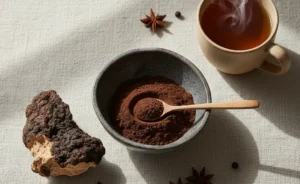
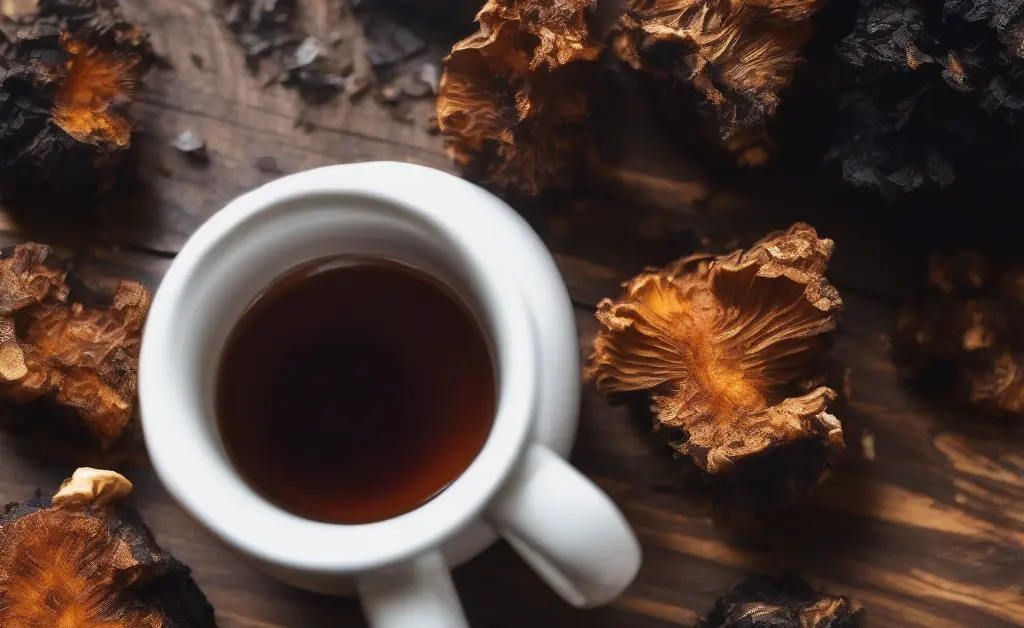
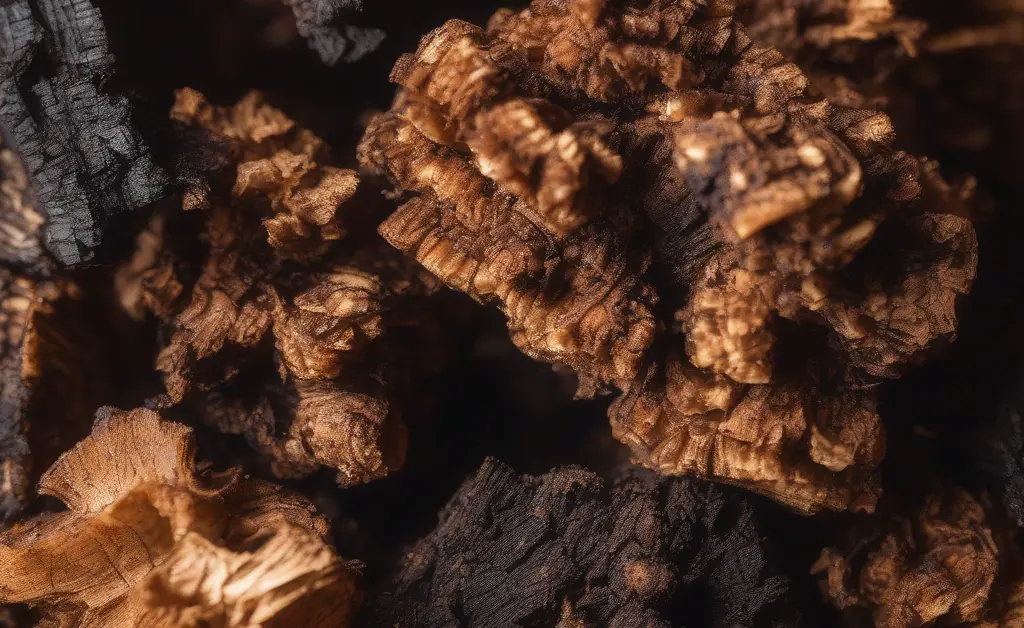
Chaga mushroom is commonly consumed as a tea, tincture, or extract, each offering different concentrations of its bioactive compounds. Traditional preparation involves simmering chunks of chaga in hot water to extract antioxidants and other beneficial substances effectively. Modern extracts may concentrate these compounds further, potentially enhancing the sleep-related benefits. The choice of preparation can influence the potency and absorption of key nutrients that contribute to relaxation and sleep quality enhancement, making it important to select methods that preserve the mushroom’s natural properties.
Timing and Frequency of Chaga Consumption for Sleep
While specific dosing or timing guidelines are not standardized, many users prefer to consume chaga in the evening to align with its calming effects and support the natural wind-down process before sleep. The frequency of intake varies depending on individual preferences and the form of chaga used. Awareness of how chaga interacts with one’s circadian rhythm and personal sleep patterns can help integrate it more effectively into a holistic approach to sleep wellness. Consumers often combine chaga with other natural sleep aids or relaxation practices for synergistic effects. For those interested, detailed insights on chaga mushroom benefits for men include aspects of relaxation and wellness that may intersect with sleep support.
Nutritional Components of Chaga Mushroom Related to Sleep
Key Nutrients in Chaga That May Influence Sleep
Chaga contains several nutritional components that may influence sleep, including antioxidants, polysaccharides, and melanin. Polysaccharides contribute to immune modulation and stress reduction, which are indirectly related to improved sleep quality. Melanin, unique to chaga, has been studied for its antioxidant capacity and potential effects on circadian rhythm regulation. Additionally, the presence of various vitamins and minerals supports overall physiological balance, which may contribute to a more stable and restful sleep cycle. These nutritional factors collectively underpin the mushroom’s reputation as a beneficial natural supplement for sleep support. Similar antioxidant benefits are also promoted in discussions about chaga mushroom benefits for skin, reflecting its broad health effects.
Comparison of Chaga Mushroom with Other Sleep-Enhancing Mushrooms
Differences Between Chaga and Reishi for Sleep Support
Both chaga and reishi mushrooms are celebrated for their adaptogenic and sleep-enhancing properties, yet they differ in bioactive profiles and traditional uses. Reishi is more commonly associated with direct sedative effects and modulation of melatonin pathways, often targeted specifically at improving sleep latency and duration. In contrast, chaga’s benefits for sleep are frequently linked to its potent antioxidant and anti-inflammatory effects, which contribute to overall relaxation and stress reduction. These distinctions make chaga a complementary option within the broader category of natural sleep aids, appealing to those seeking immune support alongside sleep quality enhancement. Additionally, consuming chaga in innovative forms, like chaga mushroom coffee benefits, is gaining popularity for combining daily routines with sleep-supportive properties.
Potential Limitations and Considerations When Using Chaga for Sleep

Potential Interactions with Other Sleep Aids
Chaga mushroom may interact with other natural or pharmaceutical sleep aids in ways that affect their overall impact. Because chaga can influence immune function and stress hormone pathways, combining it with medications or supplements targeting similar systems requires caution. Users should consider possible additive effects on sedation or immune modulation, which might alter sleep experiences. Consulting with knowledgeable health professionals is advisable to navigate potential interactions safely and optimize sleep-supportive regimens.
Safety Considerations When Using Chaga for Sleep
Generally regarded as safe when consumed appropriately, chaga mushroom may present safety considerations related to its potency and individual health conditions. Factors such as allergies, autoimmune status, and underlying medical conditions can influence tolerability. Additionally, sourcing and preparation methods impact safety, as contaminants or improper extraction may pose risks. Awareness of these variables and adherence to quality standards can help ensure that chaga use supports relaxation and sleep without adverse effects.
Environmental Factors Affecting Chaga Quality and Sleep Benefits
The quality of chaga mushroom is significantly influenced by environmental factors such as geographic origin, host tree species, and harvesting practices. These variables affect the concentration and balance of bioactive compounds responsible for the mushroom’s antioxidant and adaptogenic properties. High-quality chaga, harvested sustainably and processed carefully, is more likely to deliver consistent benefits related to sleep quality enhancement. Consumers should seek reputable sources to maximize the potential sleep-supporting effects of chaga mushroom.
In summary, chaga mushroom benefits for sleep are multifaceted, involving antioxidant effects, stress reduction, and possible modulation of sleep-regulating systems. While more scientific research is needed to fully clarify its mechanisms, traditional use and emerging evidence highlight its promise as a natural complement for those seeking improved sleep and relaxation.
Disclaimer: This article is intended for informational purposes only and does not constitute medical advice. The effects of chaga mushroom on sleep may vary among individuals, and it should not replace professional healthcare guidance. Consult a qualified health provider before incorporating chaga or any herbal supplement into your routine, especially if you have existing health conditions or are taking other medications. The information provided reflects current knowledge and does not guarantee specific outcomes.
FAQ
— How does chaga mushroom help improve sleep quality?
Chaga mushroom is traditionally referenced for its potential calming effects, which may help promote relaxation and reduce stress. These properties could indirectly contribute to improved sleep quality by fostering a more restful mental state. However, scientific evidence directly linking chaga to sleep enhancement is still emerging.
— Can chaga mushroom increase melatonin levels naturally?
There is limited research on whether chaga mushroom directly influences melatonin production. Some natural compounds in mushrooms are often discussed in relation to regulating circadian rhythms, but chaga’s specific impact on melatonin remains unclear and may vary among individuals.
— What is the best way to consume chaga for sleep benefits?
Chaga is commonly consumed as a tea or in supplement form, both of which provide access to its bioactive compounds. The preparation method might affect the absorption of these compounds, but personal preference and individual response often guide the choice between tea and supplements.
— Are there any side effects of using chaga mushroom for sleep?
Chaga is generally considered safe for many people when consumed in moderate amounts, but some individuals may experience allergic reactions or digestive discomfort. It is advisable to consult with a healthcare professional before combining chaga with other medications or supplements.
— How long does it take for chaga mushroom to affect sleep patterns?
The time frame for any effects from chaga mushroom can vary widely depending on factors like individual metabolism and consistency of use. Because research is limited, there is no definitive timeline for when changes in sleep patterns might occur.
— Is chaga mushroom safe to use alongside other natural sleep aids?
Chaga mushroom is often used alongside various natural supplements, but interactions can occur depending on the specific substances involved. Caution is recommended, and consulting a healthcare provider can help ensure safe combined use.
— Can chaga mushroom help with insomnia or other sleep disorders?
While chaga mushroom benefits for sleep are often discussed in traditional contexts, there is insufficient clinical evidence to confirm its effectiveness for treating insomnia or diagnosed sleep disorders. It may be considered as part of a broader approach but should not replace professional medical advice.
— What differences exist between chaga tea and supplements for sleep?
Chaga tea typically contains a range of water-soluble compounds and may offer a gentler experience, while supplements could provide standardized doses of specific extracts. These differences might influence how each form affects the body, but personal preference and tolerance often play key roles.