Reishi mushrooms have gained significant attention for their potential health benefits, leading to increased demand and a wide range of pricing in the market. Understanding the factors that influence reishi mushroom price is essential for consumers and suppliers alike, as these costs can vary greatly depending on origin, quality, and processing methods. This article explores the complexities behind the pricing structure, comparing organic versus non-organic options, wild versus cultivated sources, and how different forms and weights affect cost. Additionally, it delves into regional differences and seasonal fluctuations that impact availability and price. By examining these variables, readers will gain insight into making informed purchasing decisions and recognizing the value behind various reishi mushroom products.
Overview of Reishi Mushroom Pricing
Organic vs. Non-Organic Reishi Mushrooms Pricing
The pricing difference between organic and non-organic reishi mushrooms often reflects the cultivation practices and certification processes involved. Organic reishi mushrooms are typically grown without synthetic pesticides or fertilizers, which can increase production costs. This organic certification adds value for consumers seeking products perceived as cleaner or more natural. In contrast, non-organic reishi mushrooms may be produced with conventional farming methods that lower costs but might raise concerns for some buyers regarding chemical residues. The reishi mushroom buy options often reflect these differences, providing various choices for different consumer preferences. The reishi mushroom price in organic varieties tends to be higher, reflecting both the cultivation efforts and consumer demand for herbal supplements with verified organic status.
Price Differences Between Wild and Cultivated Reishi Mushrooms
Wild reishi mushrooms generally command a premium compared to cultivated ones due to their limited availability and the labor-intensive process required to harvest them sustainably. Wild specimens are often prized for their natural growth conditions, which some believe contribute to a richer composition of bioactive compounds like polysaccharides and triterpenes. However, wild harvesting can be inconsistent and season-dependent, impacting supply stability and pricing. Cultivated reishi mushrooms, on the other hand, benefit from controlled environments that enable more predictable yields and quality grades, often resulting in more affordable and accessible options for consumers. The reishi mushroom price reflects these dynamics, balancing rarity against production efficiency.
Impact of Harvesting Methods on Price
Harvesting techniques influence the reishi mushroom price by affecting both the quality and quantity of the final product. Manual harvesting, often used for wild or premium-grade mushrooms, tends to preserve the integrity of the fruiting bodies but requires more labor, thus increasing costs. Mechanical or large-scale harvesting methods, more common in cultivated operations, can improve efficiency but may impact the uniformity and condition of the mushrooms. Additionally, the timing of harvest plays a role, as mushrooms collected at peak maturity are considered higher quality and can command higher prices. These factors contribute to variations in pricing, reflecting the balance between traditional methods and industrial-scale production.
Reishi Mushroom Price by Weight and Form
Reishi Mushroom Price per Ounce and per Pound
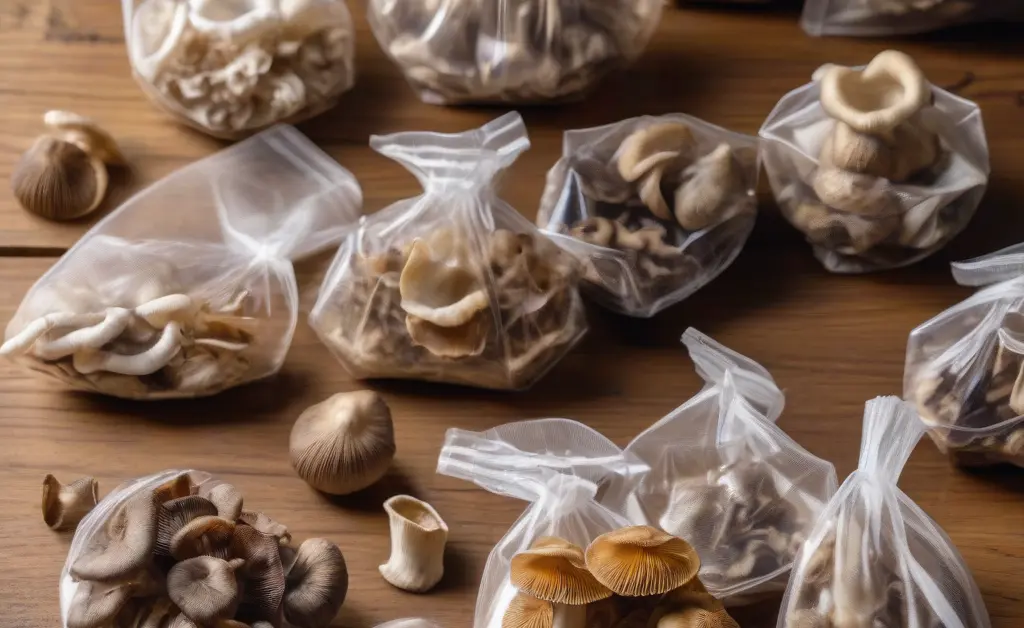
When analyzing reishi mushroom price by weight, smaller units such as ounces and pounds provide convenient measures for consumers purchasing dried or whole mushrooms. These pricing metrics allow buyers to compare products of varying sizes and packaging, making it easier to gauge value. The price per ounce or pound can fluctuate based on factors such as origin, quality grade, and whether the mushrooms are sold in bulk or retail quantities. This granularity in pricing helps consumers align their purchase decisions with budget considerations and intended usage, whether for personal consumption or formulation into supplements.
Reishi Mushroom Price per Kilogram
For larger scale buyers or suppliers, the price per kilogram offers a standardized metric to evaluate reishi mushroom cost. This unit is particularly relevant in wholesale markets and for manufacturers incorporating reishi into extracts or powdered forms. Pricing per kilogram often reflects discounts associated with bulk purchasing but still varies according to quality and certification status, such as organic labeling. The reishi mushroom price per kg in India also highlights the economic considerations of sourcing from different regions and the impact of processing methods on the final product’s cost.
Price of Whole Red Reishi Mushrooms
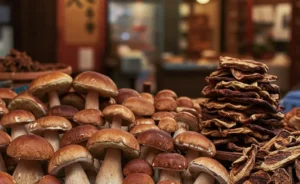
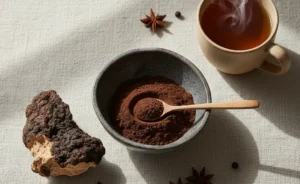
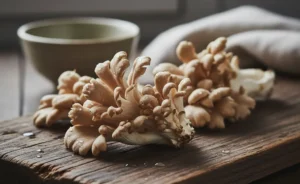
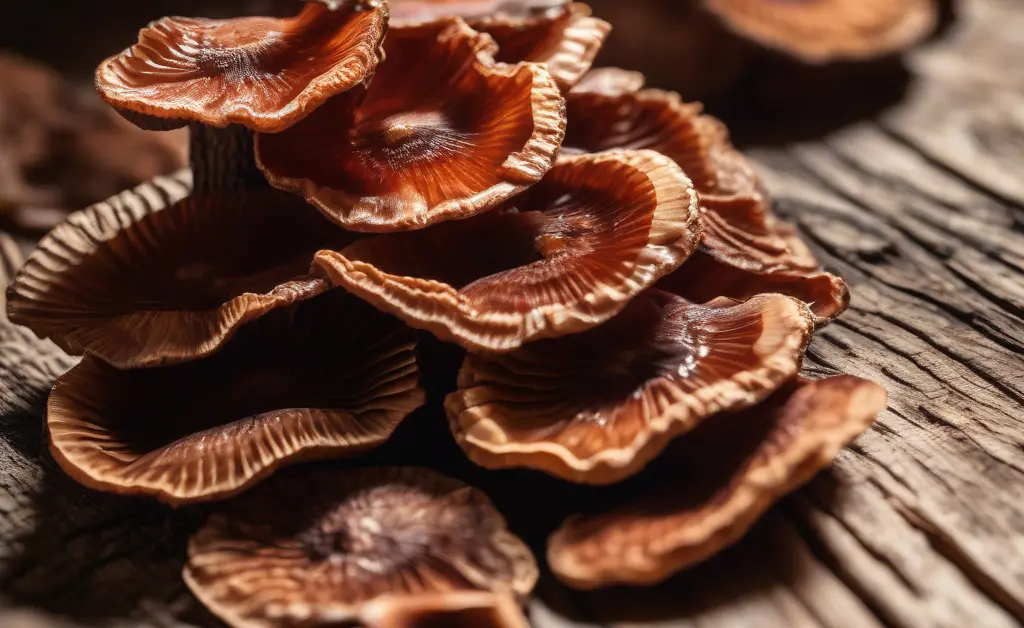
Whole red reishi mushrooms, recognized for their distinctive appearance and traditional use, typically have pricing that accounts for their size, freshness, and quality. These whole mushrooms are often preferred by consumers seeking the authentic Ganoderma lucidum experience, valued for their polysaccharide and triterpene content. Their price is influenced by whether they are wild-harvested or cultivated, organic certification, and drying methods. Because whole mushrooms require more careful handling and packaging to preserve their characteristics, the reishi mushroom price for this form can be higher compared to processed derivatives.
Prices for Reishi Mushroom Extracts and Supplements
Extracts and supplements derived from reishi mushrooms represent a significant segment of the market, with pricing reflecting the concentration and standardization of active compounds. These forms may offer enhanced bioavailability of key constituents such as polysaccharides and triterpenes, often marketed for immune support and adaptogenic properties. The production of extracts involves additional processing steps, quality control, and sometimes proprietary formulations, all of which contribute to their cost. Consequently, reishi mushroom price in extract and supplement forms tends to be higher than raw mushroom products, aligning with consumer demand for convenient and potent herbal supplements.
Whole Mushrooms vs. Powdered or Extract Forms
The choice between whole reishi mushrooms and their powdered or extract counterparts affects pricing and perceived value. Whole mushrooms offer a raw, minimally processed option that appeals to traditionalists and those interested in herbal supplements in their natural state. Powdered forms provide versatility for consumers incorporating reishi into teas, capsules, or blends, often at a price point reflecting the drying and milling process. Extract forms, meanwhile, emphasize potency and ease of use, justifying higher prices due to concentration and manufacturing complexity. The reishi mushroom price across these forms varies accordingly, influenced by consumer preferences and intended application.
Regional Variations in Reishi Mushroom Pricing
Seasonal Price Fluctuations
Regional differences in climate and harvesting seasons influence the availability and cost of reishi mushrooms throughout the year. In areas where reishi grows naturally, seasonal fluctuations can lead to periods of scarcity or abundance, impacting the market price. Conversely, regions with established cultivation practices may experience more stable pricing but can still be affected by environmental factors or supply chain disruptions. These seasonal dynamics contribute to regional variation in reishi mushroom price, with consumers sometimes paying premiums during off-season months or when demand surges. Understanding these patterns aids buyers in timing purchases for optimal value.
Factors Influencing Reishi Mushroom Price
Packaging and Presentation Effects on Price
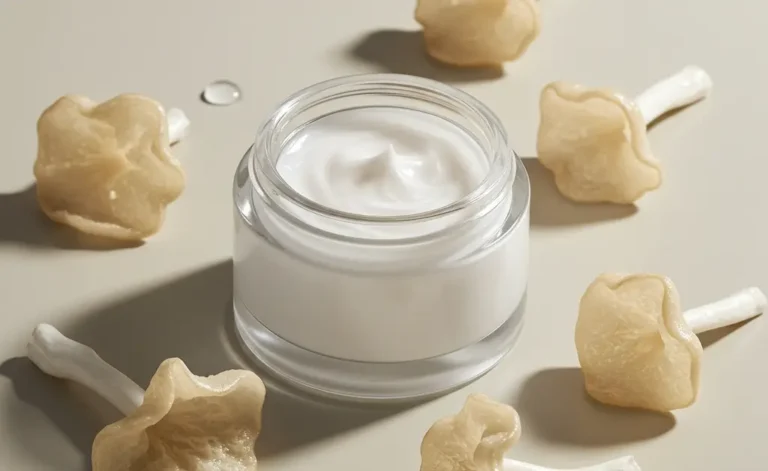
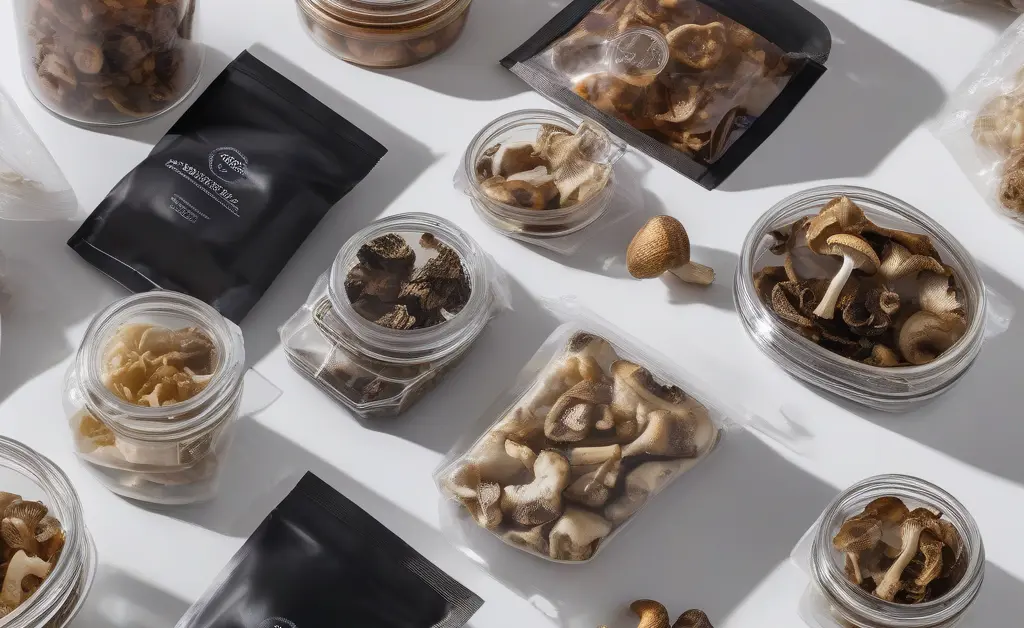
Packaging quality and presentation significantly influence the perceived value and pricing of reishi mushroom products. Premium packaging that preserves freshness, protects from moisture, and provides detailed labeling often increases costs but appeals to discerning consumers. Presentation formats such as vacuum-sealed bags, glass jars, or branded boxes can elevate the product’s market positioning, justifying higher reishi mushroom price points. Additionally, clear information about sourcing, extraction methods, and certification on packaging can enhance consumer confidence, indirectly affecting willingness to pay.
Comparison of Reishi Mushroom Products and Price Differences
Brand and Supplier Pricing Variations
Reishi mushroom price varies widely among brands and suppliers due to differences in sourcing strategies, quality assurance, and marketing approaches. Established brands with reputations for high-quality, organic, or sustainably harvested products often command premium pricing. Smaller or lesser-known suppliers may offer more competitive rates but with varying degrees of quality transparency. Brand positioning and supplier relationships within the reishi mushroom supply chain influence these price differences, reflecting factors such as certification status, product testing, and consumer trust.
Bulk Purchase Pricing Options
Bulk purchasing presents opportunities for cost savings on reishi mushrooms, particularly for commercial buyers or consumers committed to regular use. Suppliers typically offer reduced reishi mushroom price per unit when sold in larger quantities, balancing inventory turnover and customer loyalty. Bulk options may be available for whole dried mushrooms, powders, or extracts, each with pricing structures adapted to volume and packaging. While bulk buying can improve affordability, buyers should consider storage conditions and product shelf life to maintain quality over time. For more information, check reishi mushroom dischem options available for bulk purchases.
Where to Buy Reishi Mushrooms and Typical Price Ranges
Reishi mushrooms are available through various channels including health food stores, specialized herbal supplement retailers, online marketplaces, and direct from cultivators. The typical reishi mushroom price range varies depending on the purchase source, with retailers sometimes adding markups for convenience or branding. Online platforms offer access to a wide selection of products and pricing tiers, often accompanied by customer reviews that assist in evaluating quality. Local stores may provide immediate availability but with less variety. Understanding typical price ranges in different purchasing venues helps consumers identify options that align with their preferences and budgets. For those interested specifically in the New Zealand market, detailed information is available on reishi mushroom NZ.
Tips for Getting the Best Value on Reishi Mushrooms
Maximizing value when purchasing reishi mushrooms involves considering product quality, form, and supplier reputation alongside price. Consumers benefit from researching certifications such as organic status and understanding the distinctions between wild and cultivated sources. Comparing prices per weight and form, as well as seeking bulk purchase options when appropriate, can optimize cost-effectiveness. Additionally, paying attention to seasonal availability and regional supply factors may allow for better timing of purchases. Ultimately, evaluating the balance between price and product attributes is key to gaining the most benefit from reishi mushroom investments.
Trends in Reishi Mushroom Price Over Time
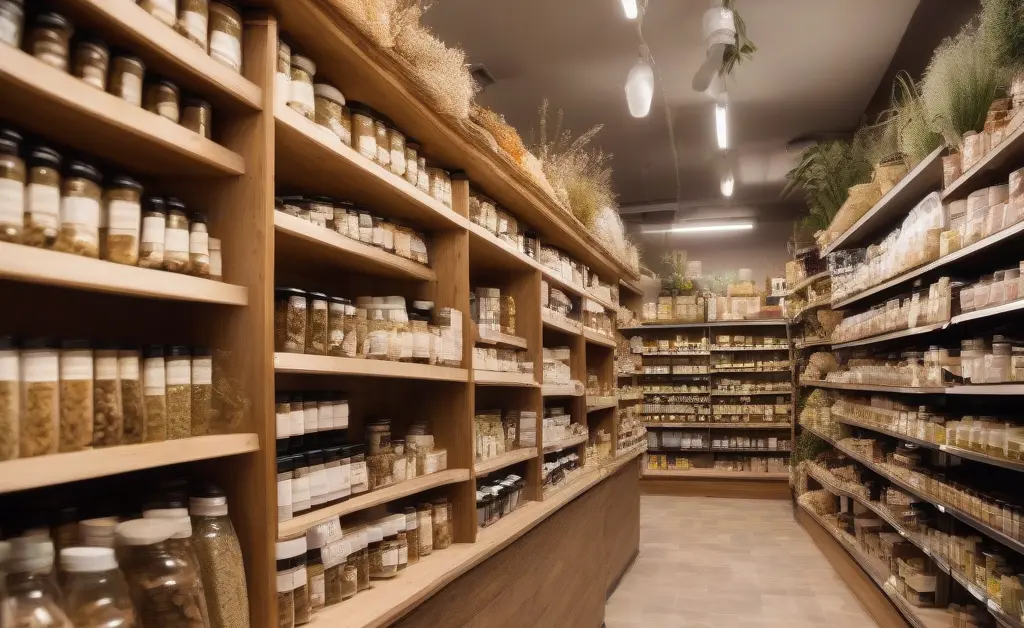
The reishi mushroom price has experienced fluctuations influenced by growing consumer interest in medicinal mushrooms and adaptogenic herbal supplements. Market trends show increased demand driven by awareness of reishi mushroom benefits, which can lead to upward pressure on prices, especially for high-quality or organic products. Advances in cultivation technology and expanded supply chains have helped stabilize availability and moderate costs in some regions. However, factors such as environmental changes, certification standards, and evolving consumer preferences continue to shape pricing dynamics. Monitoring these trends provides insight into the future landscape of reishi mushroom pricing and market development. For reliable health information related to medicinal mushrooms, consult the CDC.
Understanding the reishi mushroom price involves navigating a complex interplay of product quality, form, sourcing, and market forces. By appreciating these factors, consumers can make informed decisions that align with their health goals and budget considerations.
FAQ
— How much does organic reishi mushroom cost?
The cost of organic reishi mushroom can vary widely depending on quality, source, and form. Organic certification often adds to the price due to the standards required for cultivation. Prices tend to reflect the growing conditions and harvesting methods used.
— What is the average price of red reishi mushrooms?
Red reishi mushrooms are commonly discussed in wellness circles and their pricing can fluctuate based on supply and demand. Market rates are influenced by factors such as origin, processing, and whether the product is raw or processed. Therefore, the average price is not fixed and may change accordingly.
— Are whole reishi mushrooms more expensive than extracts?
Whole reishi mushrooms and extracts often differ in cost due to processing requirements. Extracts typically involve additional steps that can increase price, but whole mushrooms might command a premium if they are rare or specially cultivated. The price comparison depends on quality and intended use.
— Does the price of reishi mushrooms vary by brand?
Yes, brand reputation and marketing can influence the cost of reishi mushrooms. Established brands with rigorous quality control might charge more, reflecting perceived value and trustworthiness. Lesser-known brands could offer lower prices but may differ in product consistency.
— What factors cause fluctuations in reishi mushroom price?
Several factors contribute to price changes, including cultivation methods, harvest timing, and geographic origin. Market demand and availability also play significant roles. Additionally, the form in which the mushroom is sold affects its market value.
— Where can I find the best deals on reishi mushrooms?
Competitive pricing may be found through online retailers, specialty health stores, or direct-from-farm suppliers. Seasonal promotions and bulk purchasing options sometimes provide better value. However, it is important to consider authenticity and quality alongside price.
— How does the form of reishi mushroom affect its price?
Reishi mushrooms are available in forms such as dried whole, powders, or concentrated extracts, each affecting cost differently. Extracts generally command higher prices due to processing, while dried whole mushrooms might be less expensive but require preparation. The chosen form often reflects consumer preferences and intended use.