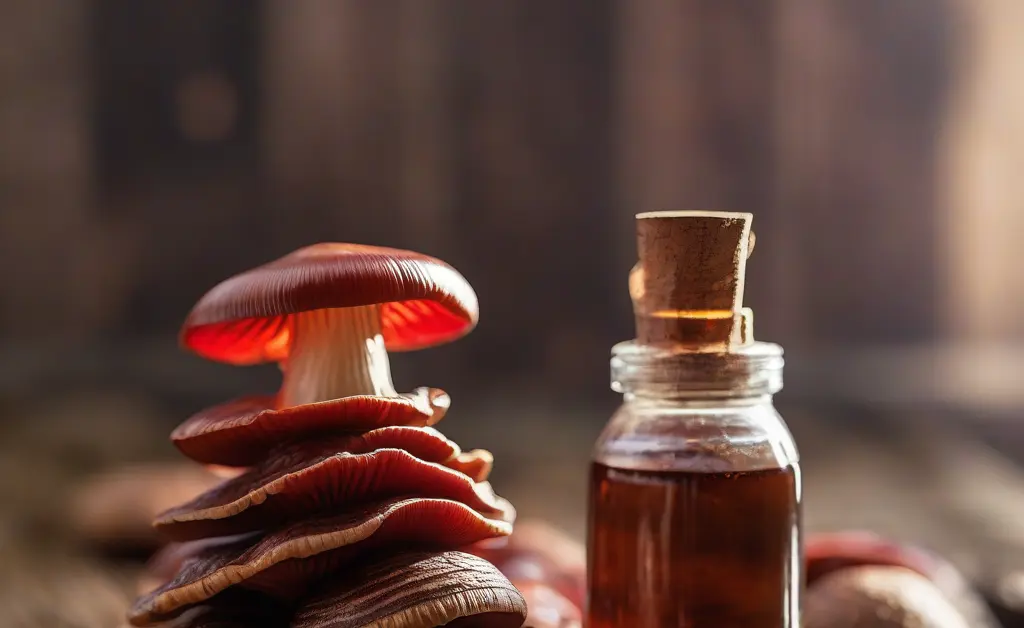
Reishi mushroom tincture has gained attention for its potential to enhance overall health through natural means. Extracted from the reishi mushroom, a fungus long revered in traditional medicine, this tincture offers a concentrated form that is easy to incorporate into daily routines. Understanding how this tincture works and its unique properties can help individuals make informed choices about their wellness strategies. This article explores the characteristics, benefits, preparation methods, and best practices for using reishi mushroom tincture, providing a comprehensive guide for those interested in its health-supporting qualities.
What is Reishi Mushroom Tincture?
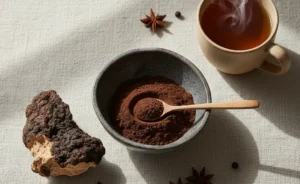
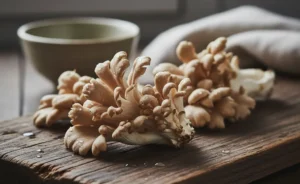
Reishi mushroom tincture is a liquid extract derived from the Ganoderma lucidum mushroom, renowned for its use in traditional medicine systems. It serves as a concentrated source of the mushroom’s bioactive compounds, making it a popular form among those seeking natural immune support and holistic wellness approaches. Unlike dried powders or capsules, the tincture format offers enhanced bioavailability, allowing the body to absorb the beneficial constituents more readily. This liquid mushroom extract is typically prepared using solvents such as alcohol or water, which help to draw out different classes of compounds from the mushroom.
Single Extract Tinctures
Single extract tinctures focus on isolating either the alcohol-soluble or water-soluble components of the reishi mushroom. Alcohol-based tinctures tend to concentrate triterpenoids, which contribute to adaptogenic and immune modulation effects. Water-based extracts, on the other hand, are rich in polysaccharides, which are key to immune support. While single extract tinctures capture specific compounds, they may lack the full spectrum of beneficial constituents found in the whole mushroom.
Differences Between Tinctures and Other Forms
Compared to powders, capsules, or teas, tinctures offer a more potent and quickly absorbed form of reishi mushroom supplementation. Powders and capsules require digestion and metabolic processing, which can delay the onset of effects. Teas may not extract all the bioactive compounds effectively. In contrast, tinctures—especially those made by dual extraction—provide a concentrated mushroom extract that delivers a broader range of active compounds such as triterpenes and polysaccharides. This makes tinctures a favored choice among users seeking comprehensive herbal tincture benefits with ease of use. For those interested in alternative methods, reishi mushroom tea offers another natural way to enjoy the mushroom’s benefits.
Reishi Mushroom Tincture Benefits
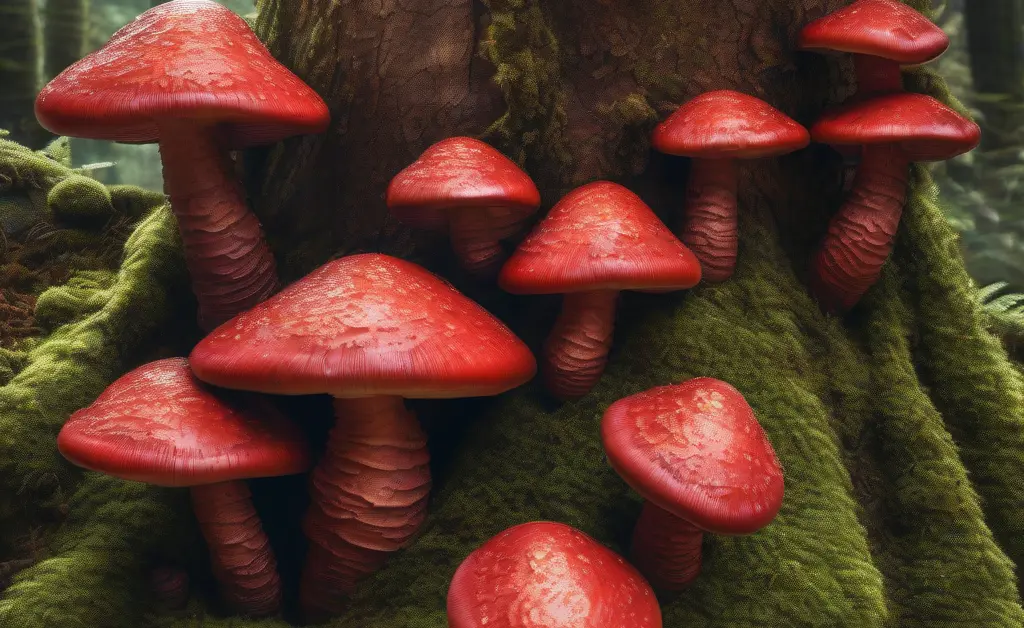
Reishi mushroom tincture is commonly associated with a variety of health-supporting properties that align with the goals of natural stress relief and immune modulation. Its adaptogenic mushrooms characteristics help the body adapt to physical and mental stressors, promoting a sense of balance. The concentrated mushroom extract contains compounds studied for their potential to support immune function, which is essential for maintaining overall wellness. Additionally, traditional medicine practitioners have long utilized reishi for its calming effects and contribution to respiratory and cardiovascular health. These benefits collectively underscore reishi mushroom tincture’s role as a valuable component in mushroom supplements and herbal tinctures aimed at holistic health.
How to Make a Reishi Mushroom Tincture
The process of making reishi mushroom tincture involves careful extraction to preserve the potency and range of bioactive compounds. The preparation starts with either dried or fresh reishi mushrooms, which undergo an extraction method designed to maximize the yield of healthful constituents. This process is critical to ensuring the resulting tincture maintains the mushroom’s therapeutic potential and remains an effective liquid mushroom extract.
Dual Extraction Process
The dual extraction process is a widely used technique to produce high-quality reishi mushroom tinctures. It involves two sequential steps: first, an alcohol extraction to isolate triterpenoids and other alcohol-soluble compounds; second, a water extraction to capture polysaccharides and other water-soluble constituents. By combining these extracts, the tincture retains a more comprehensive profile of the mushroom’s beneficial components than single extraction methods. This approach reflects traditional preparation practices adapted to modern supplement standards, enhancing the tincture’s effectiveness as a medicinal mushroom product. Dual extraction also parallels the balanced profiles found in products like reishi mushroom coffee, which combines benefits from various extraction methods.
Reishi Mushroom Tincture Dosage and Usage
When considering reishi mushroom tincture as part of a wellness regimen, understanding its dosage and usage is important for maximizing potential benefits while ensuring safety. Variability in product concentration and individual responses means that consumption practices can differ widely. Consumers should be aware of labeling details and consult with knowledgeable sources about general usage patterns, recognizing that traditional contexts and modern formulations may influence recommendations. Regulatory guidance from organizations like the FDA can also provide useful safety information regarding supplement use.
Recommended Dosage
Recommended dosage for reishi mushroom tincture varies depending on the concentration of the extract and the specific product formulation. Labels typically provide guidance based on the concentration of bioactive compounds, but these are not standardized across manufacturers. Traditional medicine practices often offer a range of usage suggestions based on the intended health outcomes. Because of this variability, consumers should approach dosage with consideration of individual needs and consult with health professionals when integrating reishi mushroom tincture into their routines.
Methods of Consumption
Reishi mushroom tincture can be consumed in various ways to suit personal preferences and lifestyle. Common methods include direct oral intake using a dropper, mixing with water or herbal teas, or incorporating into smoothies and other beverages. The liquid mushroom extract format allows for flexible administration, which can be tailored for convenience and palatability. This versatility supports consistent use, which is often important to experience the full range of herbal tincture benefits.
Concentration and Potency
The concentration and potency of reishi mushroom tinctures are influenced by the extraction method and the quality of raw materials. Dual extract tinctures generally offer higher potency due to the inclusion of both alcohol- and water-soluble compounds, providing a balanced profile of bioactive substances. Consumers should be attentive to product labeling that specifies extract ratios and concentrations, as these factors affect the strength and potential effects of the tincture. Understanding these elements helps users make informed choices aligned with their wellness goals. For topical applications, reishi mushroom oil offers another potent form of this medicinal mushroom.
Potential Side Effects and Precautions of Reishi Mushroom Tincture
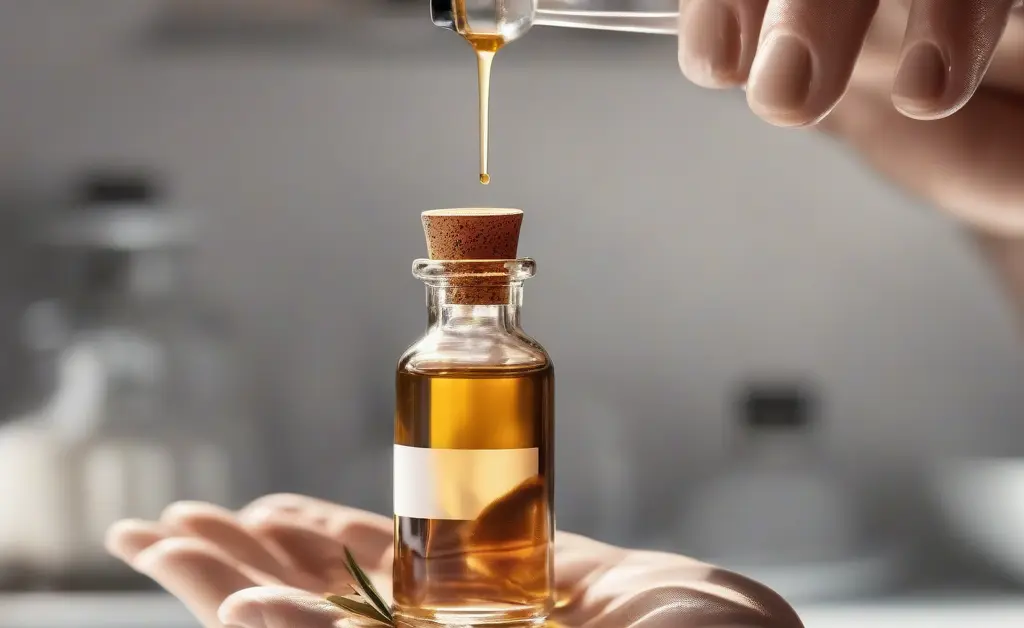
While reishi mushroom tincture is often regarded as safe for many individuals, awareness of potential side effects and precautions is essential when incorporating any supplement into daily use. Most adverse reactions reported are mild and transient, but individual sensitivities or interactions with medications can occur. Ensuring supplement safety involves consideration of personal health status and consultation with healthcare providers as needed.
Common Side Effects
Some users of reishi mushroom tincture may experience mild side effects such as digestive discomfort, dry mouth, or dizziness. These effects are generally temporary and tend to resolve with discontinuation or adjustment in consumption. It is important to monitor one’s response to the tincture and discontinue use if adverse symptoms persist. Awareness of these potential reactions contributes to responsible use in pursuit of natural immune support and holistic wellness.
Who Should Avoid Reishi Tincture
Certain populations may need to exercise caution or avoid reishi mushroom tincture altogether. Individuals with specific allergies to fungi, those with autoimmune conditions, or persons taking immunosuppressant medications should seek professional advice before use. Pregnant or breastfeeding individuals are also commonly advised to consult healthcare providers due to limited research in these groups. Such precautions help mitigate risk and ensure that reishi mushroom tincture is used safely within a broader health context.
Choosing and Buying the Best Reishi Mushroom Tincture
Selecting a high-quality reishi mushroom tincture requires attention to multiple factors that reflect the product’s purity, potency, and ethical sourcing. Quality indicators include the use of organic reishi mushroom raw materials, transparent farming practices, and rigorous certification and testing. These elements collectively assure consumers that the tincture contains authentic and effective fungal extract, enhancing confidence in its health benefits.
Organic and Farm-Grown Mushrooms
Products made from organic and farm-grown mushrooms are often preferred for their reduced exposure to pesticides and environmental contaminants. Sustainable farming practices also contribute to maintaining the integrity of the reishi mushroom’s bioactive compounds. Choosing tinctures derived from such sources aligns with a commitment to natural and holistic wellness approaches and supports the production of high-quality medicinal mushrooms.
Source and Farming Practices
The source of the reishi mushrooms and the farming methods employed significantly impact the final tincture’s quality. Wild-harvested versus cultivated mushrooms may differ in consistency and contaminant risk. Controlled cultivation environments offer advantages in standardizing product quality and ensuring supply reliability. Consumers benefit from transparency regarding sourcing and farming practices, which can indicate a manufacturer’s dedication to producing a trustworthy herbal tincture.
Certification and Testing
Certification from recognized organizations and third-party testing provide essential verification of a tincture’s safety and potency. Certificates of analysis (COAs) confirm the absence of harmful substances and validate the concentration of bioactive compounds. These quality assurance measures are critical in the mushroom supplements market, where product variability can be significant. Seeking out certified and tested reishi mushroom tinctures helps ensure consumers receive a genuine and effective product.
Signs of Quality in Reishi Tinctures
Quality reishi tinctures typically exhibit a deep, rich color and a balanced aroma indicative of a full-spectrum extract. Clear labeling with detailed ingredient lists, extraction methods, and concentration information also signals transparency and reliability. Additionally, products that emphasize dual extraction processes tend to provide enhanced efficacy due to their comprehensive profile of active compounds. Recognizing these signs assists consumers in distinguishing superior tinctures from lower-quality alternatives.
Storage and Shelf Life of Reishi Mushroom Tincture
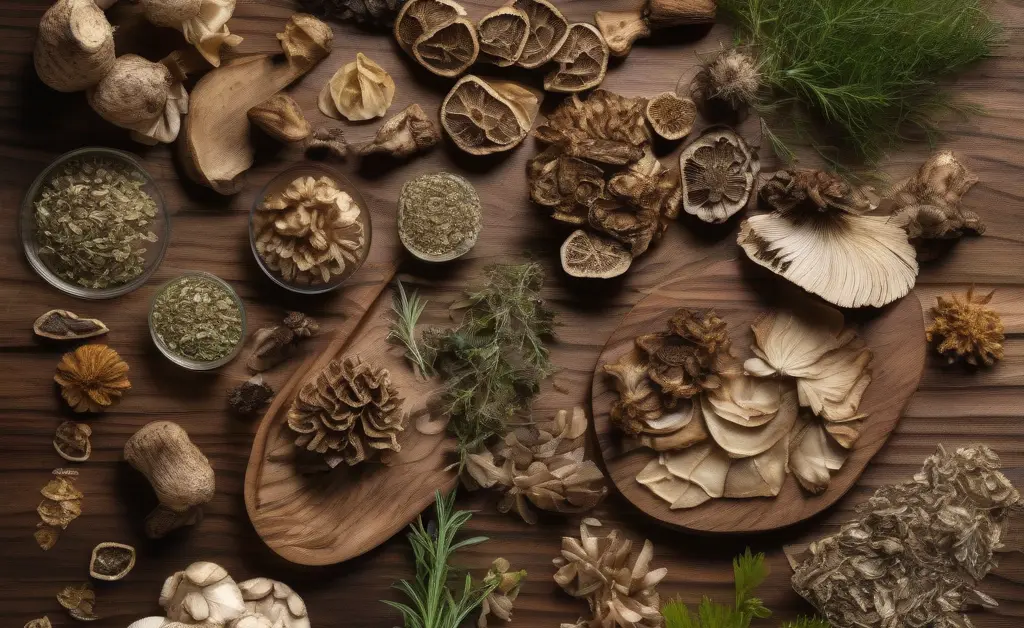
Proper storage is essential to maintain the potency and shelf life of reishi mushroom tincture. Exposure to heat, light, and air can degrade the bioactive compounds, reducing the tincture’s effectiveness over time. Typically, tinctures are best stored in a cool, dark place within tightly sealed containers to preserve their integrity. Understanding shelf life parameters and storage recommendations helps consumers maximize the benefits of their reishi mushroom liquid extract throughout its use.
In summary, reishi mushroom tincture represents a concentrated and versatile form of Ganoderma lucidum that supports natural immune support and holistic wellness through its adaptogenic mushrooms properties and bioactive compounds. From understanding its preparation methods to recognizing quality indicators and usage considerations, informed choices can enhance the integration of this medicinal mushroom into daily health practices.
Disclaimer: This article is intended for informational purposes only and does not constitute medical advice. Always consult with a qualified healthcare professional before beginning any new supplement regimen, especially if you have pre-existing health conditions or are taking medications. Individual responses to reishi mushroom tincture may vary, and safety should be prioritized. The content herein does not replace personalized medical guidance.
FAQ
— What are the benefits of taking reishi mushroom tincture?
Reishi mushroom tincture is often discussed for its potential to support immune function and promote relaxation. Traditional uses include helping to reduce stress and enhance overall well-being. Some studies suggest it may have antioxidant properties, though more research is needed to confirm these effects.
— How do you use reishi mushroom tincture?
Typically, reishi mushroom tincture is taken by placing drops under the tongue or mixing them into beverages. The method of use may depend on personal preference or product instructions. It is important to follow guidelines provided on the specific tincture product.
— Is reishi mushroom tincture safe for daily use?
Reishi mushroom tincture is generally considered safe for many people when used responsibly. However, individual reactions can vary, and it may not be suitable for everyone, especially those with certain health conditions or who are pregnant. Consulting a healthcare professional is advisable before incorporating it into a daily routine.
— What does dual extract mean in reishi tinctures?
Dual extract refers to a process where both water and alcohol are used to extract beneficial compounds from the mushroom. This method aims to capture a broader range of active ingredients compared to single-extraction methods. It is commonly found in higher-quality reishi mushroom tinctures.
— How long does it take for reishi tincture to work?
The onset of effects from reishi tincture can vary widely depending on factors such as individual metabolism and the specific purpose of use. Some users may notice subtle changes relatively quickly, while others might require more prolonged use to experience benefits. Patience and consistency are often recommended.
— Can reishi mushroom tincture be combined with other supplements?
Combining reishi mushroom tincture with other supplements is often possible, but caution is advised. Interactions may occur depending on the supplements involved and individual health circumstances. It is prudent to discuss any supplement combinations with a healthcare provider.
— What should I look for when buying a reishi mushroom tincture?
When selecting a reishi mushroom tincture, look for products that clearly state their extraction method and ingredient purity. Certifications or third-party testing can indicate quality assurance. The presence of the primary keyword “reishi mushroom tincture” in product descriptions often signifies a focus on this specific preparation.
— How should reishi mushroom tincture be stored?
Reishi mushroom tincture should be kept in a cool, dark place to maintain its potency. Avoid exposure to direct sunlight and extreme temperatures. Proper storage helps preserve the tincture’s beneficial properties over time.