Reishi mushrooms have garnered significant attention in recent years for their diverse health-promoting properties. Traditionally revered in various cultures, these fungi are now being studied extensively for their potential to enhance wellbeing through multiple physiological pathways. Understanding reishi mushroom uses involves exploring how their bioactive compounds interact with the body, supporting immune function, reducing stress, and improving overall vitality. This article delves into the practical applications and scientifically observed benefits of reishi mushrooms, offering insights into their role in both traditional medicine and contemporary health practices. Whether incorporated into daily wellness routines or used as targeted supplements, reishi mushrooms present a promising option for those seeking natural health support.
Common Uses of Reishi Mushroom
Immune System Support
One of the most widely recognized reishi mushroom uses is its role in immune system support. The mushroom contains bioactive compounds such as polysaccharides and triterpenes, which are believed to modulate immune function. These compounds may enhance the activity of natural killer cells and macrophages, essential components of the body’s defense system. As a result, reishi mushrooms are commonly incorporated into wellness strategies aimed at maintaining immune balance and resilience. While scientific research is ongoing, traditional use and preliminary studies suggest that reishi mushroom supplements may help support immune health in various contexts.
Stress Reduction
Reishi mushrooms are traditionally classified as adaptogens, a category of natural substances that help the body adapt to stress and maintain homeostasis. Their calming effects have been attributed to the modulation of the hypothalamic-pituitary-adrenal axis, which governs stress responses. Reishi mushroom uses for stress relief often focus on its potential to promote relaxation and reduce feelings of anxiety. Individuals seeking natural remedies for everyday stress commonly turn to reishi as part of their wellness regimen, leveraging its reputed ability to provide gentle nervous system support without sedative effects.
Sleep Improvement
Sleep disturbances are another area where reishi mushrooms are traditionally applied. The calming and adaptogenic properties of reishi may contribute to enhanced sleep quality by promoting a state of relaxation and reducing restlessness. Though not a sedative in the conventional sense, reishi mushroom uses for sleep improvement emphasize its ability to support the body’s natural rhythms. This has made it a popular herbal supplement among those looking to improve sleep patterns and overall restorative rest through natural means.
Fatigue Relief
Fatigue, whether physical or mental, is commonly addressed through the use of reishi mushrooms. Their use for fatigue relief is linked to their potential to enhance energy metabolism and reduce oxidative stress, thereby helping the body maintain vitality. As an adaptogen, reishi is believed to increase resilience to physical and emotional exhaustion. This has made it a favored natural remedy in traditional medicine systems for promoting sustained energy and endurance, especially in individuals experiencing chronic tiredness or weakened stamina.
Reishi Mushroom Uses: Benefits and Effects
Antioxidant Properties
Reishi mushrooms are known for their significant antioxidant capacity, which plays a critical role in neutralizing free radicals and reducing oxidative damage to cells. The presence of phenolic compounds and polysaccharides contributes to these antioxidant effects, potentially supporting cellular health and longevity. This antioxidant activity is frequently cited among reishi mushroom uses for maintaining overall wellness and protecting against environmental stressors that can accelerate aging processes.
Cardiovascular Health Support
Research into reishi mushroom uses often highlights cardiovascular health support as a key benefit. Certain bioactive components, including triterpenes, have been studied for their ability to promote healthy blood flow and support normal cholesterol levels. These effects may contribute to improved vascular function and heart health. While these findings require further clinical validation, reishi mushrooms continue to be explored as complementary agents in cardiovascular wellness strategies. For authoritative guidelines on cardiovascular health, consulting resources like the WHO is recommended.
Liver Health Support
The liver’s vital role in detoxification and metabolism has made it a focus of reishi mushroom uses, particularly in traditional medicine. Compounds in reishi mushrooms are believed to support liver function by aiding in the reduction of inflammation and promoting cellular regeneration. This hepatoprotective potential is one reason reishi is included in herbal formulations aimed at enhancing liver health and resilience against toxins.
Anti-inflammatory Effects
Chronic inflammation is implicated in many health conditions, and reishi mushrooms are studied for their anti-inflammatory properties. The triterpenes found in reishi may inhibit inflammatory pathways, potentially helping to moderate the body’s inflammatory responses. This aspect of reishi mushroom uses is significant for those interested in natural approaches to managing inflammation-related discomfort and supporting overall wellness. The unique profile of triterpenes in reishi mushroom oil provides a focused approach to these anti-inflammatory benefits.
Mood Enhancement
In addition to stress relief, reishi mushrooms are associated with mood enhancement effects. By influencing neurochemical pathways and supporting the body’s stress response, reishi may contribute to improved emotional balance and mental clarity. These effects align with its traditional use as a tonic for promoting calmness and reducing symptoms of mood disturbances.
Reishi Mushroom Supplement Benefits and Dosage
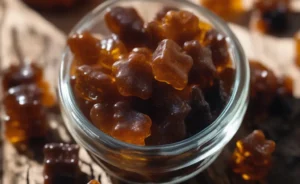
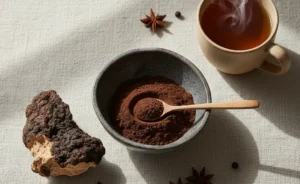
Reishi mushroom supplements are available in various forms, including capsules, powders, and extracts, each providing different concentrations of active compounds. The benefits of these supplements often depend on the specific preparation and bioavailability of the constituents. Dosage recommendations can vary widely due to differences in product formulations and individual health considerations. Consumers are advised to consider quality, standardized extracts, and consult with knowledgeable practitioners when selecting reishi mushroom powder. Awareness of common supplement benefits is balanced by an understanding of variability in dosing and the importance of following product-specific guidance.
Historical and Traditional Uses of Reishi Mushroom
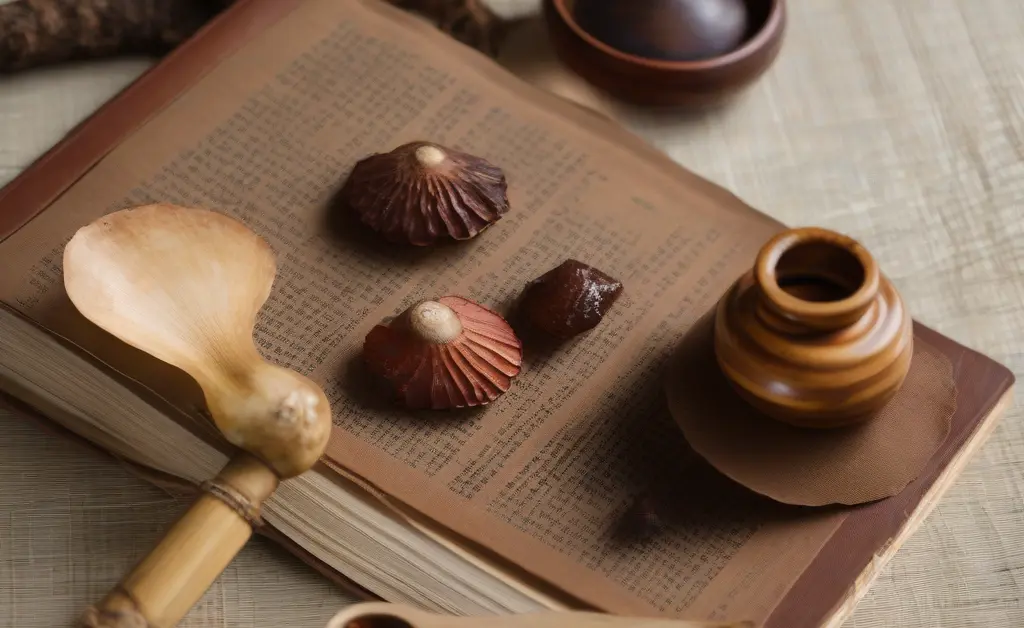
Historically, reishi mushrooms, known as Ganoderma lucidum or Lingzhi, have been revered in traditional Chinese and Japanese medicine for their supposed longevity-promoting and health-sustaining properties. Ancient texts describe their use as a general tonic for vitality, spiritual well-being, and immune support. Traditional applications extend to treating respiratory ailments, liver conditions, and enhancing mental clarity. These uses reflect a holistic approach to health where reishi mushrooms were integrated as part of dietary and medicinal practices to balance the body’s energies and promote overall harmony.
Reishi Mushroom Uses in Modern Wellness
Respiratory Health
In contemporary wellness, reishi mushrooms are often used to support respiratory function. Their anti-inflammatory and immunomodulatory properties are thought to help maintain healthy airways and reduce susceptibility to common respiratory discomforts. This traditional use has been adapted into modern health practices, where reishi is included in supplements aimed at enhancing lung health and supporting breathing comfort. A comparison between reishi mushrooms and other adaptogens such as lion’s mane highlights their distinct roles in wellness.
Learn more about the differences in reishi mushroom vs lions mane.
Skin Health Benefits
The antioxidant and anti-inflammatory effects of reishi mushrooms extend to skin health, making them a popular ingredient in natural skincare formulations. These properties may help protect skin cells from oxidative stress and promote a clearer, more resilient complexion. Additionally, reishi is sometimes used to soothe skin irritation and support the skin’s natural barrier functions, aligning with its broader reputation as a rejuvenating botanical.
Cognitive Function Support
Emerging interest in reishi mushroom uses includes their potential to support cognitive function. While research is preliminary, the mushroom’s bioactive compounds are being studied for neuroprotective effects that may contribute to mental clarity and memory support. This aligns with traditional claims of reishi as a tonic for the mind, intended to enhance concentration and overall brain health.
Reishi Mushroom Uses in Herbal Medicine
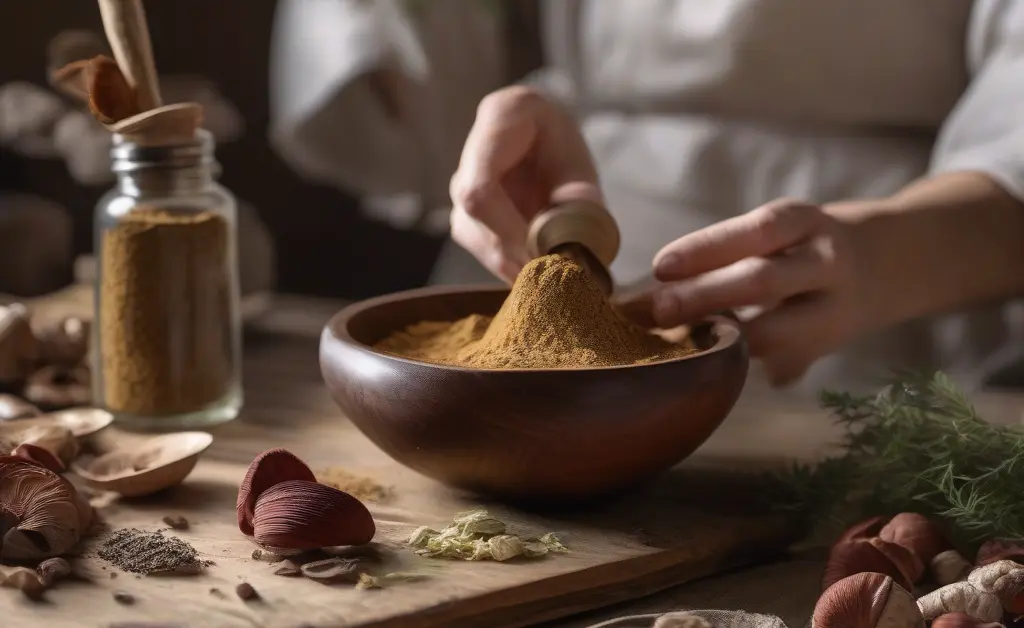
Within herbal medicine, reishi mushrooms are valued for their versatile medicinal properties. They are used as an adaptogenic herb to balance physiological functions and enhance resilience to stressors. Reishi is often combined with other botanicals to create synergistic formulas targeting immune health, inflammation, and energy balance. Herbal practitioners consider the mushroom’s unique profile of triterpenes, polysaccharides, and other bioactive compounds when incorporating it into therapeutic regimens. Its role as a natural remedy continues to evolve with ongoing research and clinical interest.
In summary, reishi mushroom uses encompass a broad spectrum of health-promoting applications, ranging from immune system enhancement and stress relief to support for cardiovascular and liver health. These functions are largely attributed to the mushroom’s complex bioactive compounds, which interact with the body’s systems in diverse ways. As both a traditional remedy and a modern herbal supplement, reishi mushrooms remain a focal point in natural health strategies aimed at fostering vitality and balance.
Disclaimer: This article is intended for informational purposes only and does not constitute medical advice. Reishi mushrooms are not a substitute for professional healthcare or treatment. Individuals should consult qualified health practitioners before beginning any new supplement regimen, especially if they have existing health conditions or are taking medications. The effects and benefits of reishi mushrooms may vary among individuals and require further scientific investigation.
FAQ
— What are the main health benefits of reishi mushroom?
Reishi mushroom is often discussed for its potential to support overall wellness, including immune modulation and antioxidant properties. It may also be associated with promoting relaxation and general vitality, though scientific evidence varies. The mushroom’s bioactive compounds are believed to contribute to these effects.
— How does reishi mushroom help with stress?
Reishi mushroom is traditionally referenced as an adaptogen, which means it may help the body adapt to stress and promote a sense of calm. Some studies suggest it could influence the nervous system to reduce the impact of stressors. However, individual responses can differ, and more research is needed to confirm these effects.
— Can reishi mushroom improve sleep quality?
There is anecdotal evidence and preliminary research indicating reishi mushroom might be linked to improved sleep quality and reduced fatigue. Its calming properties are often cited as a reason for these effects. That said, sleep improvement varies and is not guaranteed for everyone.
— What are the traditional uses of reishi mushroom?
Traditionally, reishi mushroom has been used in various cultures, especially in East Asia, as a tonic for longevity and spiritual health. It has been employed to support the immune system, enhance vitality, and promote balance within the body. These uses stem from centuries of herbal medicine practice.
— Are there any common side effects of reishi mushroom?
Reishi mushroom is generally considered safe for many individuals, but some may experience mild side effects such as digestive upset or allergic reactions. It is important to be aware that sensitivities can vary, and consultation with a healthcare provider is often recommended before use.
— How is reishi mushroom used in modern wellness practices?
In contemporary wellness, reishi mushroom is frequently incorporated as a supplement in forms like powders, capsules, and teas. It is valued for its potential adaptogenic and immune-supportive properties. The approach usually emphasizes holistic health and stress management.
— Can reishi mushroom support immune health?
Reishi mushroom uses often include supporting immune health, as it contains compounds that may influence immune cell activity. Research suggests it might help modulate immune responses, contributing to the body’s natural defenses. This potential makes it a popular choice in complementary health strategies.
— What forms of reishi mushroom are available for use?
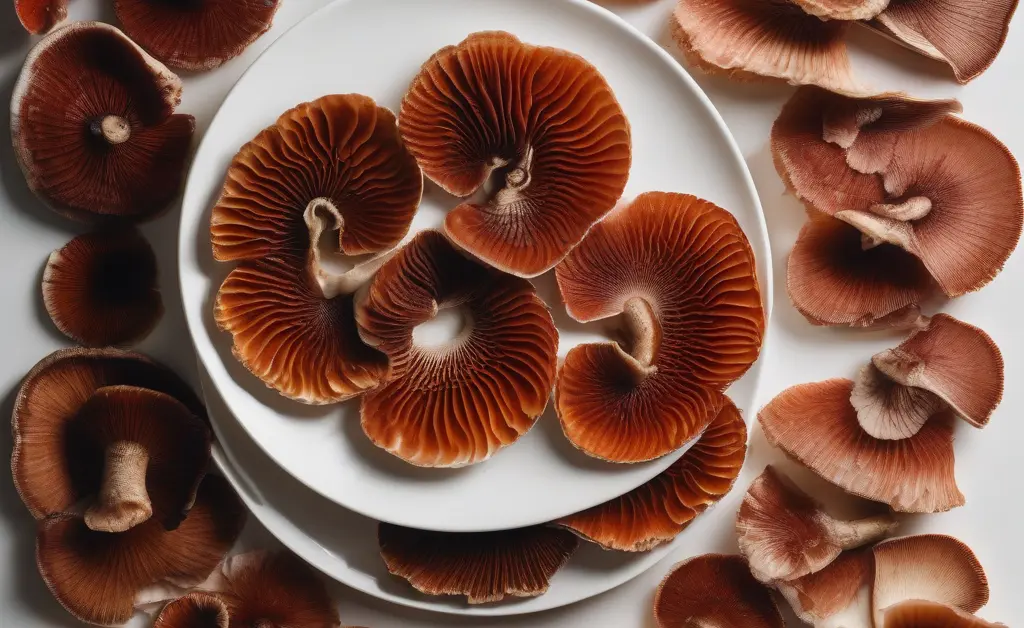
Reishi mushroom is commonly available as dried slices, powders, tinctures, and capsules. These various forms allow for flexible incorporation into diets and wellness routines. The choice often depends on personal preference and intended use.