
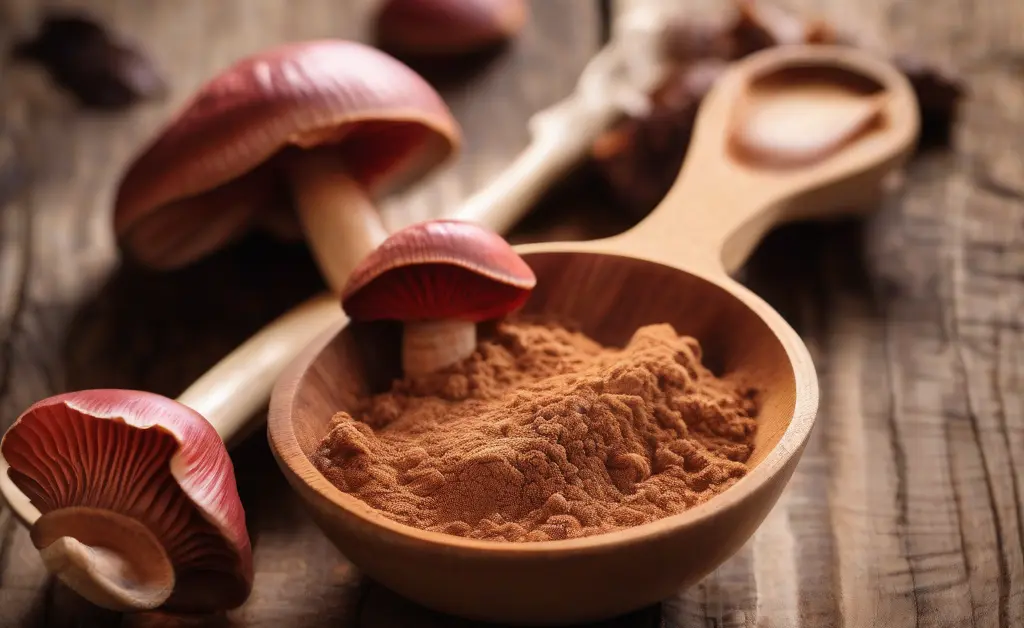
Reishi mushroom powder has garnered considerable attention in recent years for its potential health-promoting properties. Derived from the Ganoderma lucidum mushroom, this natural supplement has been used for centuries in traditional medicine systems, particularly in East Asia. Modern research continues to explore its bioactive compounds and their effects on immune function, stress management, and overall wellness. Understanding the benefits, appropriate usage, and safety considerations of reishi mushroom powder can help individuals make informed decisions about incorporating it into their health regimen. This article provides a comprehensive overview to guide those interested in exploring the therapeutic potential of this unique fungal product.
What is Reishi Mushroom Powder?
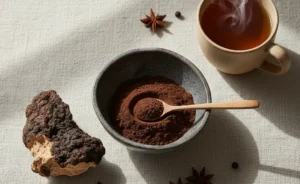
Reishi mushroom powder is a fine, dried form of the Ganoderma lucidum fungus, commonly referred to as the “mushroom of immortality” in traditional herbal medicine. This powder typically contains a complex mixture of bioactive compounds such as polysaccharides, triterpenes, and antioxidants, which contribute to its reputation as an adaptogenic mushroom. Adaptogens are natural substances believed to help the body resist physical, chemical, and biological stressors, making reishi mushroom powder a sought-after natural supplement for those aiming to support overall health. The powder can be derived from the whole fruiting body of the mushroom or from fungal extracts that concentrate specific active ingredients, lending versatility to its application in various health and wellness routines. For more details on concentrated forms, see reishi mushroom extract.
Reishi Mushroom Powder Benefits and Uses

Immune System Support
One of the most prominent reishi mushroom powder benefits is its potential to modulate and support the immune system. The polysaccharides found in reishi mushrooms are commonly associated with immune modulation, which may enhance the body’s defense mechanisms without overstimulation. Traditional medicine has long valued reishi as an immune booster, and contemporary studies are investigating how its fungal extract components may promote immune balance. This immune support is often sought by individuals aiming to maintain wellness, especially during periods of increased physical or environmental stress. To learn more about the various applications, visit reishi mushroom uses.
Calming and Stress Relief Effects
Reishi mushroom powder is frequently used for its calming effects and as a natural stress relief agent. As an adaptogenic herb, it is believed to help the body manage stress by influencing hormonal balance and nervous system function. The triterpenes and other compounds present in reishi are studied for their potential to support relaxation without sedation, making this powder a popular herbal remedy for those seeking to improve mental clarity and emotional stability. Incorporating reishi mushroom powder into daily routines may contribute to a reduction in feelings of tension, promoting a sense of calm and well-being. Some prefer to consume it as a beverage; detailed recipes and ideas are available at reishi mushroom drink.
Reishi Mushroom Powder Side Effects and Precautions
Possible Allergic Reactions
While reishi mushroom powder is generally considered safe for many users, some individuals may experience allergic reactions. These can range from mild skin irritation to respiratory symptoms in sensitive persons. Because reishi is a fungal product, those with known mushroom allergies or respiratory conditions might be more susceptible to adverse effects. Awareness of individual sensitivities and monitoring for any unusual symptoms when beginning use is advisable to ensure safe incorporation of this herbal supplement.
Interactions with Medications
Reishi mushroom powder may interact with certain medications, potentially influencing their effectiveness or side effect profiles. For example, its immune-modulating properties could theoretically affect immunosuppressive therapies or anticoagulant medications. Although specific interactions are still under investigation, it is important for individuals taking prescription drugs to consult healthcare professionals before adding reishi mushroom powder to their regimen to avoid unintended consequences. Reliable information on medicinal interactions can be found at the NIH.
Who Should Avoid Reishi Mushroom Powder
Certain populations are generally advised to exercise caution or avoid using reishi mushroom powder. This includes individuals with compromised immune systems, those preparing for surgery, pregnant or breastfeeding women, and people with specific medical conditions that may be exacerbated by immune modulation or blood-thinning effects. Given the variability in individual health status and the limited regulatory oversight of natural supplements, these groups should seek personalized advice before incorporating reishi mushroom powder into their health routine.
How to Use Reishi Mushroom Powder
Dosage Recommendations
Guidance on mushroom powder dosage varies widely depending on the form of reishi mushroom powder, its concentration, and the intended use. Traditional herbal practices often emphasize starting with lower amounts and adjusting based on individual response. Commercial products may provide suggested ranges on their labels, but these are not standardized across manufacturers. Consumers should remain informed about the variability in mushroom powder dosage and prioritize products with transparent labeling that detail the concentration of active compounds. For those interested in supplements, see reishi mushroom supplement.
Preparation Methods
Reishi mushroom powder can be prepared in several ways to enhance bioavailability and palatability. Common methods include brewing it as a tea or decoction, blending it into smoothies, or mixing it with warm water or other beverages. Some prefer to combine the powder with other herbal ingredients to complement its adaptogenic and immune-supportive properties. Preparation techniques may influence the extraction of polysaccharides and triterpenes, which are key to the powder’s health-promoting effects, so choosing an appropriate method can be important for maximizing benefits.
Incorporating into Daily Routine
Integrating reishi mushroom powder into a daily routine can be achieved through flexible approaches that suit personal preferences and lifestyles. Some individuals include it as part of their morning wellness rituals, while others use it in the evening to promote relaxation and stress relief. The natural supplement’s versatility allows it to be incorporated into various dietary habits, whether as part of meals or standalone drinks. Consistency and mindful observation of individual responses are often recommended to understand how best to benefit from its properties.
Types and Concentrations of Reishi Mushroom Powder
Standard Powder vs Extracts
Reishi mushroom powder is available in forms ranging from standard whole mushroom powders to highly concentrated extracts. Standard powders typically contain dried and ground fruiting bodies, preserving the full spectrum of compounds but with lower concentrations per serving. Extracts, on the other hand, are processed to concentrate specific bioactive constituents such as polysaccharides or triterpenes. These differences impact potency, intended use, and price. Choosing between standard powder and reishi extract powder depends on individual goals and preferences regarding natural supplement intake.
Understanding Concentration Ratios (e.g., 4:1 Extract)
Concentration ratios, such as a 4:1 extract, indicate the degree to which the original mushroom material has been concentrated into the extract form. For example, a 4:1 ratio means that four parts of the raw mushroom were used to produce one part of the extract. This information helps consumers gauge the potency and strength of the product, which can affect both efficacy and the adaptation of dosage. Understanding these ratios is essential for making informed decisions and comparing products, especially when considering the diverse market of fungal extract supplements.
History and Traditional Uses of Reishi Mushroom Powder
Traditional Preparation Techniques
Historically, reishi mushroom powder was prepared using methods that maximized the extraction of its bioactive compounds. Traditional East Asian medicine often involved decocting the mushroom in hot water for extended periods to release polysaccharides and triterpenes, followed by consumption as a tonic or tea. Sometimes, the mushroom was combined with other herbs to enhance its therapeutic effects. These preparation techniques reflect centuries of empirical knowledge aimed at harnessing reishi’s adaptogenic and immune-supportive properties in natural health practices.
Storage and Shelf Life of Reishi Mushroom Powder
Optimal Storage Conditions
To preserve the potency and shelf life of reishi mushroom powder, it should be stored in cool, dry, and dark environments. Exposure to moisture, heat, and light can degrade sensitive compounds such as antioxidants and polysaccharides, diminishing the powder’s effectiveness over time. Airtight containers are recommended to protect against humidity and contamination. Proper storage ensures that the fungal extract maintains its quality, supporting the intended health benefits when used as a natural supplement.
Reishi mushroom powder offers a range of potential health benefits, notably in supporting immune function and providing natural stress relief through its adaptogenic properties. Its use spans from traditional herbal remedies to modern wellness routines, reflecting a rich history and growing scientific interest. By understanding the different types, preparation methods, and safety considerations, individuals can thoughtfully incorporate this immune booster into their daily lives while respecting its potent bioactive profile.
Disclaimer: This article is for informational purposes only and does not constitute medical advice. Reishi mushroom powder is a natural supplement whose effects may vary among individuals. It is important to consult a qualified healthcare professional before beginning any new supplement, especially for those with pre-existing health conditions or who are taking medications. The information provided here should not replace professional medical guidance.
FAQ
— What are the main benefits of reishi mushroom powder?
Reishi mushroom powder is often associated with supporting immune function and promoting relaxation. It is traditionally referenced for its potential antioxidant properties and may contribute to overall wellness. Some studies suggest it could help modulate inflammation, but more research is needed to fully understand its effects.
— How do I use reishi mushroom powder safely?
Safe use typically involves considering potential interactions with medications and existing health conditions. Consulting a healthcare professional before starting any new supplement is advisable. It is important to obtain products from reputable sources to ensure quality and purity.
— What does 4:1 extract mean in reishi mushroom powder?
A 4:1 extract indicates that four parts of the raw mushroom material have been concentrated into one part of the extract. This process aims to increase the potency of the active compounds found in the mushroom. It does not necessarily guarantee effectiveness but reflects a higher concentration compared to standard powders.
— Can reishi mushroom powder help with stress and anxiety?
Reishi mushroom powder is often discussed in the context of supporting relaxation and reducing stress levels. Traditional use and some preliminary research suggest it may have calming effects, but scientific evidence remains limited. It is not considered a substitute for professional mental health treatment.
— Are there any side effects of taking reishi mushroom powder?
Side effects may include digestive discomfort or allergic reactions in sensitive individuals. Because it can affect blood clotting or interact with certain medications, caution is advised. Monitoring for any adverse reactions and seeking medical advice if symptoms occur is important.
— How should reishi mushroom powder be stored?
To maintain its quality, reishi mushroom powder should be kept in a cool, dry place away from direct sunlight. Proper sealing can help prevent moisture and contamination. Following manufacturer storage recommendations generally ensures product stability.
— What are the traditional uses of reishi mushroom powder?
Historically, reishi mushroom powder has been used in traditional medicine systems to support longevity and vitality. It is often referenced as an adaptogen, believed to help the body respond to stress. These uses are rooted in cultural practices rather than modern clinical trials.
— Is there a difference between reishi mushroom powder and extracts?
Yes, extracts typically involve concentrating the active compounds, resulting in a more potent product compared to standard powder. Powders usually contain the whole mushroom in ground form, while extracts may isolate specific components. The choice depends on desired effects and personal preference regarding potency and composition.