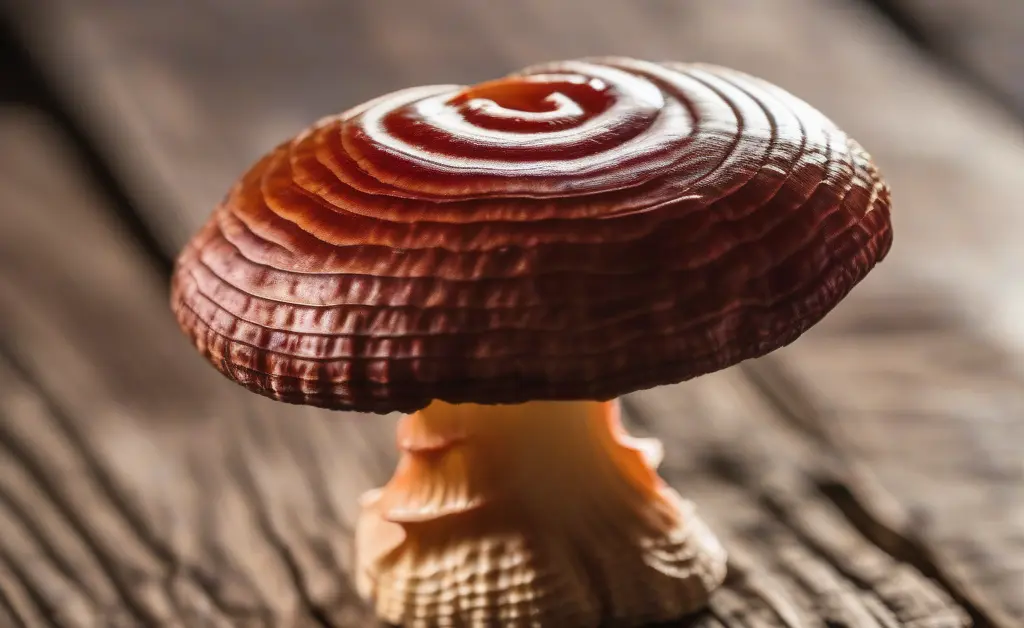
Reishi mushroom has gained attention for its potential to enhance sleep quality and promote relaxation. As more individuals seek natural methods to support restful nights, this traditional medicinal fungus offers promising benefits backed by both historical use and emerging scientific research. Understanding how reishi mushroom interacts with the body’s sleep mechanisms can provide valuable insights for those struggling with sleep disturbances or simply aiming to improve their nightly rest. This article explores the effects of reishi mushroom for sleep, examining its benefits, recommended usage, underlying mechanisms, and relevant scientific findings to help readers make informed decisions about incorporating this natural supplement into their wellness routine.
Reishi Mushroom Benefits for Sleep and Relaxation
Effects on Sleep Quality and Duration
Reishi mushroom is commonly associated with promoting a sense of calm and relaxation, which may contribute to improvements in sleep quality. Its bioactive compounds, including triterpenes and polysaccharides, are believed to influence the nervous system in ways that help regulate sleep cycles. Many users report experiencing deeper, more restorative sleep and a reduction in nighttime awakenings. These effects are often attributed to reishi mushroom benefits and its ability to modulate stress responses and support the body’s natural relaxation pathways, leading to prolonged sleep duration without frequent interruptions.
Long-term Use and Sleep Benefits
Consistent use of reishi mushroom over an extended period is traditionally thought to support sustained improvements in sleep patterns. Unlike some conventional sleep aids, reishi is considered an adaptogen, which means it may help the body better manage stress and balance physiological functions over time. This adaptogenic property can contribute to a gradual normalization of sleep rhythms, particularly for individuals dealing with chronic sleep disturbances. However, the extent and timeline of these benefits may vary between individuals based on factors such as overall health, lifestyle, and dosage form.
User Experiences and Testimonials
Many individuals who incorporate reishi mushroom into their nightly routine share positive testimonials regarding its calming effects and ability to promote restful sleep. Users often highlight a noticeable reduction in anxiety and improved ease of falling asleep. Some also report enhanced feelings of well-being upon waking, which they associate with the mushroom’s immune-supporting and antioxidant properties. While personal experiences can vary, these anecdotal accounts provide valuable insights that complement scientific findings and traditional use.
Reishi Mushroom Dosage and Timing for Sleep

Recommended Dosage
Dosage recommendations for reishi mushroom products can vary widely depending on the form and concentration of the supplement. Labels typically provide guidance based on the specific extract or powder used, but consumers should remain aware that standardization across products is not universal. Traditional use often involved moderate, consistent consumption to achieve desired effects. Because individual responses may differ, understanding the variability in product potency and quality is important for those considering reishi as a sleep aid.
Timing and Consumption Tips
The timing of reishi mushroom intake is generally considered important for optimizing its calming and sleep-promoting effects. Many users prefer consuming reishi in the evening or before bedtime to align with its relaxation properties. However, some choose to take it earlier in the day depending on their personal schedules and how their body responds. Consuming reishi alongside warm liquids, such as tea, may enhance absorption and the overall soothing experience, contributing to a more comfortable transition to sleep.
Forms of Reishi Mushroom for Sleep (Tea, Extract, Powder)
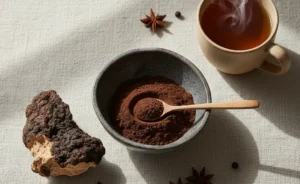
Reishi mushroom is available in several forms, each offering distinct advantages for sleep support. Traditional preparations like reishi tea allow for a gentle and gradual intake of active compounds, often appreciated for their taste and ritualistic value. Extracts provide concentrated doses of polysaccharides and triterpenes, enabling more precise supplementation. Powders offer versatility and can be incorporated into smoothies or other beverages. The choice of form often depends on individual preference, convenience, and desired potency, with each form contributing differently to the overall experience of relaxation and sleep enhancement.
How Reishi Mushroom Supports Sleep Patterns
Mechanisms Behind Reishi Mushroom’s Impact on Sleep
The sleep-supporting effects of reishi mushroom are thought to arise from its influence on the nervous and endocrine systems. Active constituents such as triterpenes may interact with neurotransmitter pathways involved in sleep regulation, including gamma-aminobutyric acid (GABA) receptors, which promote calming effects. Additionally, reishi’s adaptogenic properties can help modulate the body’s stress response by balancing cortisol levels. This combination of nervous system modulation and hormonal balance is believed to foster more stable and restorative sleep cycles.
Potential Interactions with Sleep Environment
While reishi mushroom may support relaxation, its effectiveness can also be influenced by environmental factors related to sleep hygiene. Elements such as room temperature, lighting, noise levels, and bedtime routines interact with the body’s readiness for sleep. Reishi’s calming properties may be enhanced when combined with a conducive sleep environment, helping to create a holistic approach to improving sleep quality. Conversely, disruptive surroundings may reduce the perceived benefits, highlighting the importance of considering both supplement use and environmental context.
Factors Influencing Effectiveness for Sleep
Several factors can affect how well reishi mushroom works as a sleep aid. Individual differences in metabolism, existing health conditions, and the presence of stress or anxiety can play significant roles. Additionally, the quality and source of the reishi product, including whether it is organic or contains full-spectrum extracts, impact its potential benefits. Lifestyle habits such as diet, exercise, and exposure to electronic devices before bedtime may also influence outcomes. Awareness of these variables can help users set realistic expectations and tailor their approach for optimal results. For men, specific reishi mushroom benefits for men may also contribute to overall wellness and sleep quality.
Scientific Studies on Reishi Mushroom for Sleep
Research Findings on Sleep Improvement
Emerging scientific research has begun to explore the effects of reishi mushroom on sleep quality and related physiological factors. Studies investigating extract compounds have reported promising results in terms of reducing sleep latency and improving overall sleep efficiency. Some research points to the mushroom’s influence on immune modulation and antioxidant activity as contributing factors to better sleep health. While the body of evidence is growing, more rigorous clinical trials are needed to fully understand the scope and mechanisms of reishi’s impact on sleep improvement. For comprehensive health information, the WHO provides valuable resources on sleep and wellness.
Potential Effects of Reishi Mushroom on Sleep Disorders

Safety Considerations When Using Reishi for Sleep
Reishi mushroom is generally regarded as safe for most individuals when used appropriately. However, potential side effects such as digestive upset or allergic reactions have been reported, particularly with high doses or prolonged use. People with specific medical conditions or those taking certain medications should approach reishi supplementation cautiously and consult knowledgeable healthcare providers. Safety considerations also include awareness of product quality and possible interactions with other supplements or treatments aimed at sleep disorders. Responsible use and informed decision-making are essential components of incorporating reishi into a sleep support regimen.
Comparing Reishi Mushroom with Other Natural Sleep Aids

Differences Between Reishi and Other Mushrooms for Sleep
Among natural sleep aids, reishi mushroom distinguishes itself through a unique combination of bioactive compounds that offer adaptogenic, antioxidant, and immune-supporting effects. Compared to other medicinal mushrooms such as turkey tail, which is primarily valued for immune modulation, reishi has been traditionally used for relaxation and nervous system support. While both may contribute to overall wellness, reishi’s calming properties and influence on sleep regulation make it particularly notable. Understanding these differences can guide individuals in selecting the most suitable mushroom supplement based on their specific sleep support needs. For nursing mothers interested in sleep supplements, information about reishi mushroom and breastfeeding can be helpful.
Reishi mushroom for sleep has attracted considerable interest due to its potential to enhance sleep quality and promote relaxation through multiple biological pathways. By supporting nervous system balance, reducing stress, and complementing a healthy sleep environment, reishi offers a natural option for those seeking improved rest. While ongoing research continues to clarify its effects, traditional use and emerging evidence suggest that reishi mushroom can be a valuable component of a holistic approach to sleep wellness.
Disclaimer: This article is for informational purposes only and does not constitute medical advice. The effects of reishi mushroom on sleep may vary among individuals, and it should not replace professional medical treatment. Consult a healthcare professional before beginning any new supplement, especially if you have existing health conditions or are taking medications. The information provided here reflects current knowledge and research as of the time of writing.
FAQ
— How does reishi mushroom help with sleep?
Reishi mushroom is traditionally referenced for its calming properties, which may promote relaxation and support better sleep quality. It is often discussed in the context of its potential to reduce stress and anxiety, factors that can interfere with restful sleep.
— What is the best way to take reishi mushroom for sleep?
The method of taking reishi mushroom can vary depending on the preparation, such as teas, extracts, or capsules. Choosing a form that suits personal preference and ensures consistent use tends to be recommended for those exploring its potential effects on sleep.
— Are there any side effects of using reishi mushroom for sleep?
Some individuals may experience mild digestive upset or allergic reactions when using reishi mushroom, though such cases are generally uncommon. It is important to consider individual sensitivities and consult with a healthcare professional when incorporating new supplements into a routine.
— How long does it take for reishi mushroom to improve sleep?
The time frame for any noticeable changes can differ widely among users, as responses to herbal supplements vary. Research often points to a gradual effect rather than immediate results, emphasizing the need for ongoing observation and patience.
— Can reishi mushroom be taken every night for sleep?
Regular use of reishi mushroom is often considered safe for many people, but long-term safety data is limited. It is advisable to assess personal tolerance and consult healthcare providers to ensure it aligns with individual health considerations.
— Is reishi mushroom effective for different types of sleep issues?
While reishi mushroom may be associated with general relaxation benefits, its effectiveness for specific sleep disorders has not been conclusively established. It is typically studied as part of broader approaches to improving sleep quality rather than as a targeted treatment.
— Can reishi mushroom be combined with other natural sleep aids?
Combining reishi mushroom with other natural sleep aids is a practice some individuals explore, although interactions and cumulative effects should be carefully monitored. Professional guidance is recommended to avoid unintended consequences and ensure safe use.
— What forms of reishi mushroom are best for sleep support?
Extracts standardized for active compounds and traditional preparations like teas are commonly used to support sleep. The choice often depends on absorption, convenience, and personal preference, each potentially influencing the perceived benefits of reishi mushroom for sleep.