

Reishi mushroom, long valued in traditional medicine, has recently gained attention for its potential to improve skin health and hydration. Its unique bioactive compounds contribute to a range of skin benefits, from soothing inflammation to promoting a radiant complexion. This article explores how reishi mushroom supports skin vitality, addresses common concerns like pigmentation and irritation, and enhances moisture retention. Whether incorporated through topical applications or supplements, understanding these benefits can help you make informed decisions about integrating this natural ingredient into your skincare regimen. By examining both traditional uses and scientific evidence, we aim to provide a comprehensive overview of how reishi mushroom benefits for skin can contribute to a healthier, more youthful appearance.
Introduction to Reishi Mushroom and Skin Health
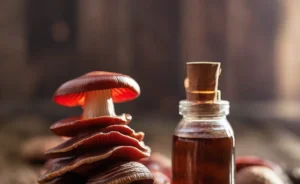
Reishi mushroom, known scientifically as Ganoderma lucidum, has been a cornerstone of Eastern herbal medicine for centuries. Its reputation extends beyond general wellness, particularly focusing on skin health. The mushroom is rich in polysaccharides, triterpenes, and other bioactive compounds that interact with skin cells to promote nourishment and resilience. These components are believed to modulate immune responses, reduce oxidative stress, and support the skin’s natural repair mechanisms. Consequently, reishi mushroom is increasingly recognized as a valuable botanical extract in natural skincare formulations aimed at improving skin tone, reducing inflammation, and enhancing overall skin vitality.
Reishi Mushroom Benefits for Skin Whitening and Pigmentation
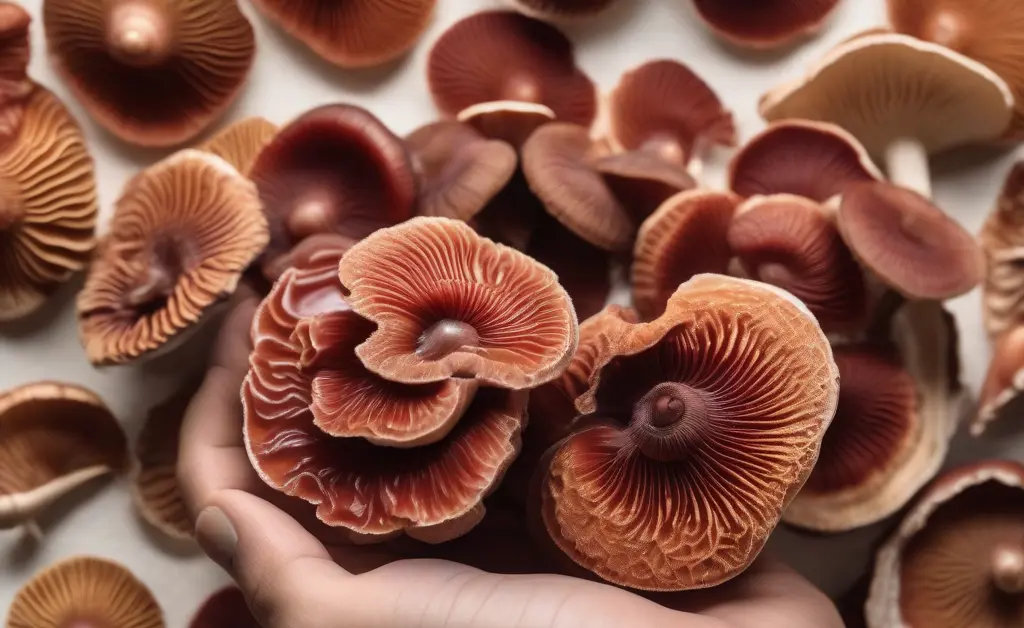
Uneven skin tone and pigmentation irregularities are common cosmetic concerns that can stem from sun exposure, aging, or inflammatory skin conditions. Reishi mushroom has been traditionally used to help even out skin complexion and reduce the appearance of dark spots. Its bioactive compounds may interfere with melanin synthesis pathways, potentially leading to a more uniform skin tone. By modulating enzymes involved in pigmentation, reishi mushroom extracts are explored for their capacity to brighten the skin naturally without harsh chemical agents. This makes it an appealing natural alternative for those seeking skin whitening benefits while also supporting skin health.
Reishi Mushroom Benefits for Skin’s Natural Glow
Beyond addressing discoloration, reishi mushroom is often associated with enhancing the skin’s natural radiance. Its antioxidant-rich profile helps combat free radicals, which contribute to dullness and uneven texture. By protecting skin cells from oxidative damage, reishi mushroom supports a smoother, more luminous complexion. Additionally, its moisturizing properties aid in maintaining skin hydration, which is essential for a healthy glow. Incorporating reishi mushroom into skincare can thus help rejuvenate the skin’s surface, restoring vitality and a youthful sheen.
Reishi Mushroom Benefits for Skin Conditions like Eczema
Skin conditions such as eczema often involve chronic inflammation, dryness, and irritation. Reishi mushroom’s anti-inflammatory and immune-modulating properties have made it a subject of interest in managing these dermatological challenges. Its compounds may help soothe irritated skin, reduce redness, and calm flare-ups associated with eczema. While not a replacement for medical treatments, reishi mushroom offers a complementary botanical approach that supports skin barrier repair and reduces discomfort linked to sensitive skin conditions.
Benefits for Sensitive and Irritated Skin
For individuals with sensitive skin prone to irritation, reishi mushroom provides gentle yet effective support. Its calming effects help mitigate inflammatory responses triggered by environmental stressors or harsh skincare ingredients. By reinforcing the skin’s natural defenses, reishi mushroom may reduce susceptibility to irritation and promote a balanced, healthier skin environment. This makes it a favored ingredient in formulations designed for delicate or reactive skin types.
Reishi Mushroom Benefits for Reducing Skin Redness
Persistent skin redness can be symptomatic of underlying inflammation or vascular sensitivity. Reishi mushroom’s anti-inflammatory action plays a role in diminishing this redness. The mushroom’s triterpenes and polysaccharides are believed to inhibit inflammatory mediators, thereby alleviating visible redness and discomfort. Regular use of reishi mushroom in topical skincare could contribute to a calmer, more even complexion, particularly in those experiencing redness due to environmental factors or skin conditions.
Anti-Inflammatory and Antioxidant Properties of Reishi Mushroom for Skin

One of the most studied aspects of reishi mushroom is its dual role as an anti-inflammatory and antioxidant agent. These properties are crucial in maintaining skin health, as chronic inflammation and oxidative stress are key drivers of skin aging and damage. The mushroom’s unique compounds help neutralize free radicals and reduce the production of pro-inflammatory cytokines, fostering an environment conducive to skin repair and rejuvenation. For further scientific information, studies on these effects can be found on PubMed.
Antioxidant Effects on Skin Cells
Skin cells are constantly exposed to oxidative stress from UV radiation, pollution, and other environmental aggressors. The antioxidants found in reishi mushroom, including phenolic compounds and polysaccharides, help protect these cells by scavenging free radicals. This protection supports cellular integrity and reduces damage to DNA and cellular membranes. As a result, reishi mushroom contributes to enhancing skin resilience and slowing the progression of oxidative damage that leads to premature aging.
Reishi Mushroom’s Role in Anti-Aging and Skin Protection
Anti-aging skincare aims to minimize the visible effects of time and environmental stress on the skin. Reishi mushroom’s combination of antioxidant, anti-inflammatory, and regenerative properties positions it as a promising natural ingredient in this category. It supports skin health by protecting against external aggressors and promoting the skin’s intrinsic ability to repair and renew itself.
Protection Against Visible Signs of Aging
Visible signs of aging, such as wrinkles and fine lines, are often linked to oxidative stress and inflammation. Reishi mushroom may help mitigate these factors, contributing to the maintenance of a smoother, more youthful skin surface. Its protective effects on skin cells help reduce the breakdown of structural components, potentially delaying the onset of aging markers.
Reishi Mushroom and Collagen Production
Collagen is a vital protein responsible for skin strength and firmness. Some studies suggest that compounds in reishi mushroom can stimulate collagen synthesis by supporting fibroblast activity. Enhanced collagen production helps maintain skin structure and reduces sagging, which is fundamental in anti-aging skincare. While research is ongoing, the potential for reishi mushroom to aid in skin rejuvenation through collagen support is a key area of interest.
Effects on Skin Elasticity
Skin elasticity diminishes with age, contributing to the formation of wrinkles and loss of firmness. By promoting collagen production and protecting against oxidative damage, reishi mushroom may help preserve or improve skin elasticity. This results in skin that feels more supple and resilient, aligning with the goals of natural anti-aging skincare regimens.
How to Use Reishi Mushroom for Skin Care
Reishi mushroom can be incorporated into skincare in several ways, each offering different benefits depending on formulation and application method. Understanding these options allows consumers to select products that best suit their skin type and concerns. For those interested in the specific uses of reishi mushroom for hirsutism, consulting targeted resources may provide additional insights.
Topical Application Methods
Topical products containing reishi mushroom extracts are formulated to deliver its bioactive compounds directly to the skin. These may include serums, creams, and lotions designed to soothe, hydrate, and protect. The absorption and efficacy of reishi compounds can vary based on concentration and formulation techniques, making it important to choose well-crafted products for optimal results.
Reishi Mushroom Extract in Facial Masks
Facial masks infused with reishi mushroom extract offer an intensive treatment option, providing a concentrated dose of antioxidants and anti-inflammatory agents. Masks can enhance skin hydration, calm irritation, and promote a radiant complexion through sustained contact with the skin. These treatments are often used periodically to boost skin nourishment and support ongoing skincare routines.
Reishi Mushroom Use in Daily Skincare Routines
Incorporating reishi mushroom into daily skincare routines can provide consistent skin support. Whether through cleansers, toners, moisturizers, or serums, regular use helps maintain skin barrier function, hydration, and protection against environmental stressors. Daily application aligns with traditional uses and modern formulations designed for long-term skin health benefits. This approach is somewhat akin to the considerations for reishi mushroom and breastfeeding, where consistent, safe use is important.
Scientific Evidence Supporting Reishi Mushroom Benefits for Skin
Research into reishi mushroom’s dermatological benefits has expanded in recent years, with studies examining its antioxidant, anti-inflammatory, and immune-modulating properties in relation to skin health. Clinical trials and laboratory investigations suggest that reishi extracts may contribute to improved skin barrier function, reduced inflammation, and enhanced collagen synthesis. These findings support traditional claims and encourage further exploration of reishi mushroom as a natural skincare ingredient. However, variability in extract formulations and concentrations means that efficacy can differ across products, highlighting the importance of standardized research and quality control.
Reishi Mushroom Benefits for Skin Hydration and Moisture Retention
Moisture retention is a critical factor in maintaining healthy, supple skin. Reishi mushroom is gaining recognition for its ability to support skin hydration through multiple mechanisms. Its polysaccharides are believed to help bind water within the skin, contributing to a plumper and more moisturized appearance. This hydrating effect is essential in protecting against dryness and maintaining overall skin comfort. Many users find that reishi mushroom for sleep also complements skin hydration by improving overall wellness and recovery.
Reishi Mushroom and Skin Barrier Function
The skin barrier acts as the first line of defense against environmental aggressors and moisture loss. Reishi mushroom’s nourishing compounds may enhance the integrity and resilience of this barrier. By supporting the production of key lipids and proteins within the skin, reishi helps reduce transepidermal water loss, which is fundamental for sustained hydration and protection against irritants.
Reishi Mushroom and Sebum Regulation
Balanced sebum production is important for skin health, as excessive sebum can lead to clogged pores while insufficient sebum results in dryness. Reishi mushroom has been studied for its potential to modulate sebum secretion, promoting an optimal balance that supports healthy skin texture and moisture levels. This balancing effect may contribute to improved skin smoothness and reduced incidence of blemishes.
Reishi Mushroom Benefits for Skin Texture and Smoothness
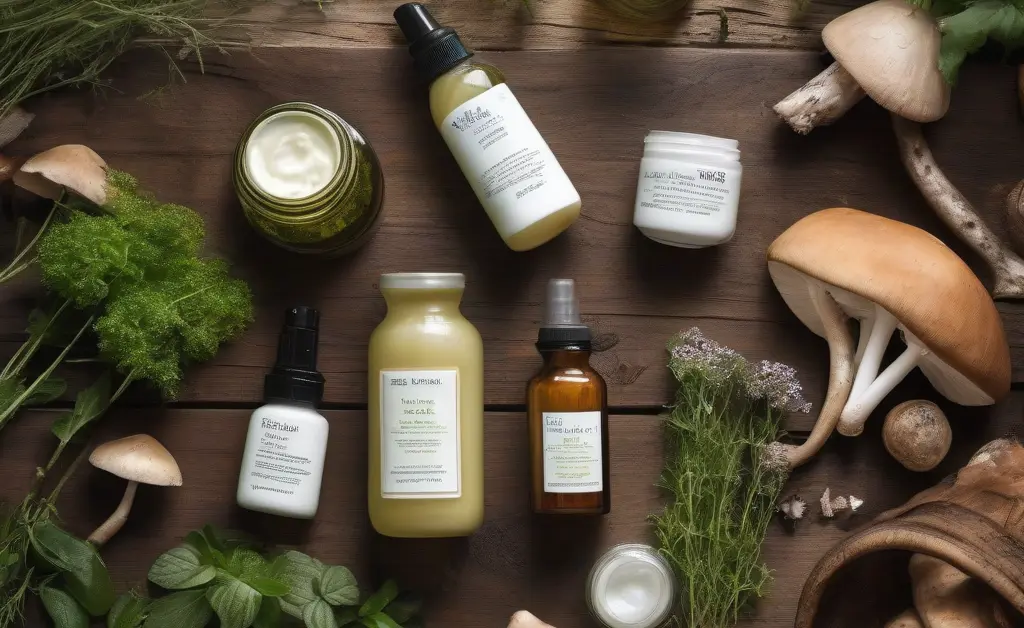
Skin texture and smoothness are key indicators of skin health and youthfulness. Reishi mushroom’s combined antioxidant and anti-inflammatory effects help reduce the roughness and unevenness commonly associated with aging and environmental damage. By protecting skin cells and supporting natural repair processes, reishi contributes to a refined skin surface with diminished irregularities. Additionally, its moisturizing properties help soften the skin, enhancing tactile smoothness and overall appearance.
In summary, the reishi mushroom benefits for skin cover a wide spectrum of effects, ranging from hydration and pigmentation improvement to anti-aging and skin barrier support. Its multifaceted properties make it a valuable ingredient in natural skincare, offering support for various skin types and concerns. Integrating reishi mushroom into skincare routines, whether through topical applications or complementary products, can contribute to healthier, more resilient, and radiant skin.
Disclaimer: This article is for informational purposes only and does not constitute medical advice. While reishi mushroom has been traditionally used and studied for its skin benefits, individual results may vary. It is important to consult a healthcare professional before starting any new skincare regimen, especially if you have sensitive skin or existing skin conditions. The information provided here is not intended to diagnose, treat, cure, or prevent any disease.
FAQ
— What skin conditions can reishi mushroom help improve?
Reishi mushroom is often discussed in relation to its potential to support skin health by addressing issues such as inflammation, redness, and irritation. It may also be associated with soothing sensitive skin and promoting a more balanced complexion.
— Can reishi mushroom prevent wrinkles and fine lines?
While no ingredient can guarantee wrinkle prevention, reishi mushroom benefits for skin are frequently linked to its antioxidant properties, which may help protect against environmental stressors that contribute to premature aging. This protective action can support the maintenance of skin’s youthful appearance.
— Is reishi mushroom safe for all skin types?
Reishi mushroom is generally considered gentle and well-tolerated, but individual reactions can vary. People with very sensitive or allergy-prone skin should approach new ingredients cautiously and consider patch testing before regular use.
— How often should I apply reishi mushroom extract to my skin?
The frequency of application depends largely on the formulation and individual skin response. Since this can vary, consulting product guidelines or a skincare professional can provide tailored advice.
— What are the antioxidant benefits of reishi mushroom for skin?
Reishi mushroom contains compounds that are traditionally referenced for their antioxidant activity, which may help neutralize free radicals. This action supports overall skin health by potentially reducing oxidative stress that can lead to skin damage.
— Can reishi mushroom help with skin hydration?
Reishi mushroom is often noted for its moisturizing properties and ability to enhance skin barrier function, which can support improved hydration levels. This may contribute to a softer and more supple skin texture.
— Does reishi mushroom improve skin texture?
Some research and traditional use suggest that reishi mushroom can promote smoother skin texture by supporting cellular repair and reducing inflammation. However, individual results can vary based on skin type and product formulation.
— Are there any side effects of using reishi mushroom on skin?
Side effects are uncommon but could include mild irritation or allergic reactions in sensitive individuals. It is advisable to monitor skin response when trying reishi mushroom products for the first time.