

The reishi mushroom, revered for its medicinal properties and cultural significance, is scientifically recognized under a specific nomenclature that reflects its unique characteristics and taxonomic position. Understanding the reishi mushroom scientific name is essential not only for accurate identification but also for research, cultivation, and therapeutic application. This article explores the scientific naming conventions, classification, and taxonomy of reishi mushrooms, highlighting the importance of precise terminology in distinguishing this species from closely related fungi. By examining historical naming practices, morphological traits, and molecular studies, we aim to provide a comprehensive overview that supports both academic inquiry and practical use. The intricate taxonomy of Ganoderma species reveals the complexity behind the naming process and underscores the critical role of scientific names in mycology.
What is the scientific name of reishi mushroom?
Ganoderma lucidum
The scientific name of the reishi mushroom is Ganoderma lucidum. This name is widely accepted and used in both scientific literature and traditional contexts to refer to the distinctive red reishi mushroom known for its glossy appearance and health-related properties. The designation Ganoderma lucidum encapsulates the unique features of this particular species within the broader Ganoderma genus, which includes various related polypore fungi.
Genus and species: Ganoderma lucidum
The genus Ganoderma belongs to the family Ganodermataceae, a group of basidiomycete fungi characterized by their woody, shelf-like fruiting bodies. Within this genus, the species lucidum specifically refers to the reishi mushroom distinguished by its shiny, varnished cap, which inspired the species epithet “lucidum,” meaning “shining” or “bright.” This binomial nomenclature follows the Linnaean system of classification, where the genus name is capitalized and the species name is written in lowercase italics, providing a standardized way to identify and communicate about this medicinal mushroom worldwide.
Scientific classification and taxonomy of Ganoderma lucidum

Role of taxonomy in distinguishing reishi mushroom species
Taxonomy plays a crucial role in distinguishing Ganoderma lucidum from other closely related species within the Ganoderma genus. Given the morphological similarities among many Ganoderma species, precise taxonomic classification allows mycologists and researchers to correctly identify the reishi mushroom and avoid confusion with other species that may have different chemical compositions or medicinal properties. Taxonomy provides a hierarchical framework that organizes species based on shared characteristics, genetic data, and evolutionary relationships, which is essential for accurate scientific communication and biodiversity studies. More scientific resources are available on NIH to support research in this area.
Morphological traits used in scientific classification
Key morphological traits used to classify Ganoderma lucidum include the shape, size, and surface texture of the fruiting body, the color and varnished appearance of the cap, pore size and arrangement on the underside, and the characteristics of the spores. The distinctive reddish-brown, lacquered cap with a kidney or fan shape is a hallmark of the species. Additionally, microscopic features such as spore shape and ornamentation further assist in differentiating G. lucidum from other polypore fungi. These physical features have traditionally formed the basis of fungal taxonomy before molecular methods became widespread.
Molecular studies supporting the scientific name
Recent advances in molecular biology have provided deeper insights into the taxonomy of Ganoderma lucidum. DNA sequencing and phylogenetic analyses have been instrumental in confirming species boundaries and clarifying relationships within the Ganoderma genus. Molecular data often reveal genetic distinctions that are not apparent through morphology alone, helping to resolve taxonomic ambiguities and supporting the validity of the scientific name. These studies contribute to a more robust classification system that integrates both traditional morphological traits and modern genetic evidence.
Taxonomic challenges in classifying Ganoderma species
Classifying Ganoderma species, including G. lucidum, presents several challenges due to the high degree of morphological variability and overlapping characteristics among species. Environmental factors can influence the physical appearance of fruiting bodies, complicating identification based solely on morphology. Additionally, historical misidentifications and the use of synonyms in literature have led to confusion regarding the true identity of reishi mushrooms in different regions. Molecular approaches have helped address these challenges, but ongoing research is necessary to refine the taxonomy and establish clear distinctions among Ganoderma species.
History of the reishi mushroom’s scientific naming
Historical changes in the scientific name of reishi mushroom
The scientific naming of reishi mushroom has evolved over time as mycological knowledge expanded. Early classifications placed the mushroom under various names due to limited understanding of fungal diversity and the absence of standardized taxonomic methods. Over the decades, taxonomists have revisited the naming based on morphological observations and, more recently, molecular data, leading to revisions and reclassifications. This historical progression reflects the growing precision in fungal taxonomy and the efforts to align scientific names with genetic and phenotypic evidence.
Significance of Latin naming conventions in mycology
Latin naming conventions are fundamental in mycology because they provide a universal language for scientists worldwide, minimizing confusion caused by local or common names. Using Latin binomial nomenclature, such as Ganoderma lucidum, allows for consistent identification across different languages and regions. The tradition of Latin names also preserves historical and descriptive information about species, aiding in scientific communication and documentation. This system is governed by international codes ensuring that each species has a unique and stable scientific name.
Differences between Ganoderma species related to reishi mushroom
Comparison of Ganoderma lucidum with Ganoderma tsugae and other species
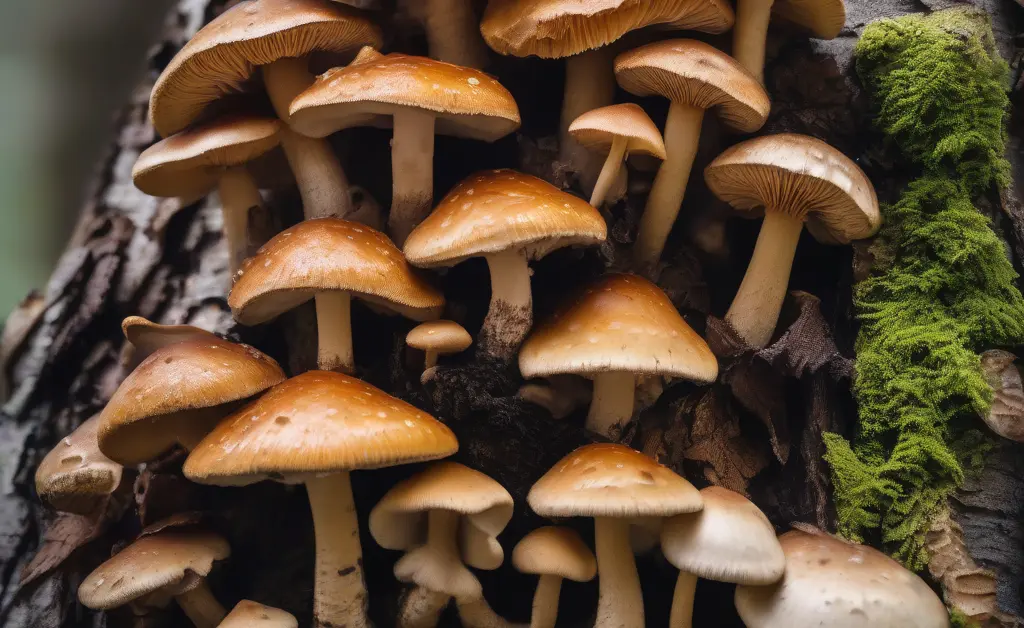
Ganoderma lucidum is often compared with species like Ganoderma tsugae and others within the genus due to their similar morphological features and overlapping habitats. While G. lucidum is most commonly associated with hardwood trees and recognized by its reddish, varnished cap, G. tsugae primarily grows on conifers and may exhibit differences in cap color and texture. These subtle distinctions are important for accurate species identification, as different Ganoderma species can vary in their bioactive compounds and potential health benefits. Understanding these differences supports targeted research and appropriate use in traditional medicine and supplements.
Geographical variations affecting scientific naming
Geographical distribution plays a significant role in the taxonomy and naming of Ganoderma species. Populations of reishi mushroom from different regions may exhibit variations in morphology and genetics due to environmental adaptation, sometimes leading to regional naming variations or the identification of subspecies. These geographical differences necessitate careful analysis to determine whether they represent distinct species or natural variation within Ganoderma lucidum. This complexity underscores the importance of integrating molecular data with field observations in taxonomic studies.
Common synonyms and naming variations for reishi mushroom
Synonyms used in scientific literature for reishi mushroom
Throughout scientific literature, the reishi mushroom has been referred to by several synonyms, reflecting historical taxonomic revisions and differing classification perspectives. Some of these synonyms include names that were once accepted but later synonymized under Ganoderma lucidum as taxonomic clarity improved. Awareness of these synonyms is essential for researchers reviewing past studies or compiling data, ensuring comprehensive understanding and avoiding misinterpretation due to naming inconsistencies. Such synonyms often arise from morphological variability or regional naming practices before the advent of molecular taxonomy.
Importance of scientific names in mushroom identification

How scientific names aid in research on reishi mushroom
Scientific names like Ganoderma lucidum are critical in research involving the reishi mushroom because they provide a precise, universally recognized identifier that links diverse studies and findings. This standardized nomenclature facilitates accurate communication among scientists, helps avoid confusion caused by common names, and ensures that research on medicinal properties, cultivation techniques, and ecological roles refers to the correct species. Additionally, scientific names enable the aggregation of data across disciplines, supporting comprehensive reviews and meta-analyses crucial for advancing knowledge about Ganoderma benefits and applications.
Understanding the reishi mushroom scientific name enriches our appreciation of its biological identity and supports ongoing research into its health-promoting properties. The scientific classification of Ganoderma lucidum not only clarifies its distinction from related species but also fosters consistency in mycological studies and medicinal usage worldwide.
Disclaimer: This article is intended for informational purposes only and does not provide medical advice. The information presented reflects current scientific understanding but should not be used as a substitute for professional medical consultation. Readers are encouraged to consult qualified healthcare providers for personalized guidance regarding the use of medicinal mushrooms or any health-related concerns.